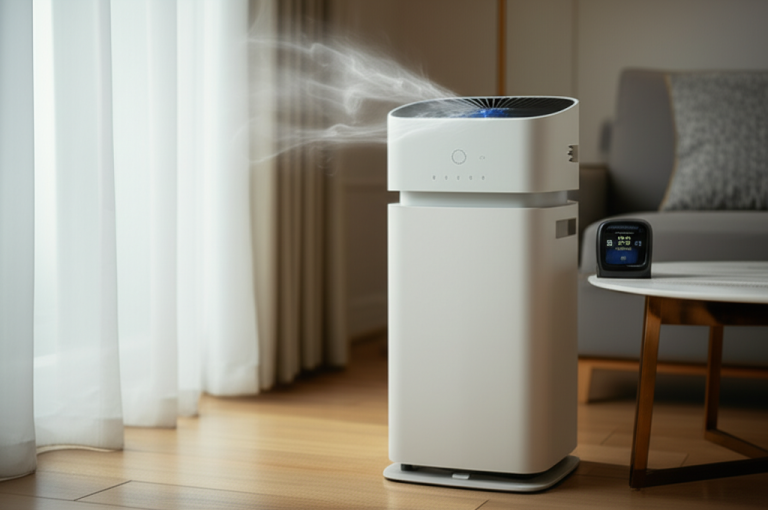
Can Air Purifier Make Room Dry? Essential Guide

Yes, in some specific circumstances, an air purifier might contribute to a drier room, but it’s usually not their primary function. This guide will explain how, and what you can do to manage humidity levels effectively.
Air purifiers are fantastic for improving indoor air quality by removing allergens, dust, and pollutants. However, a common concern that arises is whether these devices can also make your room feel dry. It’s a valid question, especially if you’re already dealing with low humidity. Understanding how air purifiers work is key to answering this. We’ll dive into the science behind it, explore the factors that influence humidity, and provide practical solutions to keep your air comfortable.
Can Air Purifiers Make a Room Dry? The Core Question
While not their direct purpose, certain air purifier designs, particularly those with HEPA filters and high fan speeds, can inadvertently reduce room humidity by trapping airborne moisture particles.
Many people worry that running their air purifier will lead to a desert-like atmosphere in their home. It’s true that the process of air purification, which involves circulating and filtering air, can have a minor impact on humidity. However, it’s crucial to understand that air purifiers are not designed as dehumidifiers. Their primary function is to clean the air, not to remove moisture from it.
How Air Purifiers Work: A Quick Overview
Air purifiers work by drawing in air, passing it through a series of filters, and then releasing cleaner air back into the room. These filters trap various particles like dust, pollen, pet dander, and even some volatile organic compounds (VOCs). The most common filters are HEPA (High-Efficiency Particulate Air) filters, which are incredibly effective at capturing even the smallest particles.
The fan within the air purifier is what circulates the air, ensuring that all the air in the room eventually passes through the filters. The effectiveness of this circulation depends on the size of the room, the purifier’s capacity, and the fan speed. This continuous air movement is central to understanding any potential impact on humidity.
The Link Between Air Purifiers and Humidity
The idea that an air purifier could dry out a room stems from how air circulation and filtration interact with airborne moisture. When air circulates rapidly, it can cause surfaces to dry out faster. Additionally, some airborne particles that contribute to perceived humidity might be captured by the filters.
Think of it like a gentle breeze on a damp day; it can help things dry. However, the effect is typically subtle. Air purifiers don’t actively extract water vapor from the air like a dehumidifier does. Their impact on humidity is more of a side effect of their primary function.
Understanding Relative Humidity and Air Purifiers
Relative humidity (RH) is the amount of water vapor present in the air expressed as a percentage of the amount that the air could hold at a particular temperature. Air purifiers don’t change the total amount of water vapor in the air directly. Instead, they circulate the air and filter out particles.
This circulation can sometimes lead to a feeling of dryness, especially if the ambient humidity is already low. If your room feels dry, it’s more likely due to factors like heating systems, ventilation, or the natural climate. Air purifiers play a minimal role in this.
Factors Contributing to a Dry Room (Besides Air Purifiers)
Several factors are much more likely to contribute to a dry room than your air purifier. Heating systems, especially in winter, are notorious for lowering indoor humidity as they heat the air. Poor insulation and drafts can also allow drier outside air to enter your home.
Even the type of building materials used can influence humidity levels. Open windows and ventilation systems, while necessary for fresh air, can also exchange moist indoor air for drier outdoor air. These elements have a far more significant impact than an air purifier.
Do Different Types of Air Purifiers Affect Humidity Differently?
The type of air purifier can influence its potential impact on humidity, though the difference is often marginal.
HEPA Filter Purifiers: These are the most common. Their dense filters can trap very fine particles, including some moisture-laden ones, but the effect on overall room humidity is negligible.
Activated Carbon Filters: These filters primarily target odors and VOCs. They do not significantly affect humidity.
UV-C Light Purifiers: These use ultraviolet light to kill germs. They have no direct impact on humidity.
Ionizers and Ozone Generators: While effective at air cleaning, some ionizers can produce ozone, which can be a respiratory irritant. They do not directly affect humidity.
The main driver for any perceived dryness is the fan and the volume of air processed. A powerful unit running on high speed in a small, already dry room might contribute slightly to a feeling of dryness.
How to Tell if Your Room is Too Dry
Monitoring your room’s humidity is crucial. You can use a hygrometer, a small device that measures relative humidity. Ideal indoor humidity levels typically range between 30% and 50%.
If your hygrometer consistently reads below 30%, your room is too dry. Symptoms of dry air include dry skin, chapped lips, itchy eyes, a scratchy throat, and increased static electricity. These are clear indicators that you need to address the humidity level.
Managing Humidity Levels: Your Essential Guide
If you find your room is too dry, even with an air purifier running, the solution isn’t necessarily to stop using the purifier. Instead, focus on actively increasing humidity.
1. Use a Humidifier

The most effective way to combat dry air is to use a humidifier. Humidifiers add moisture back into the air, raising the relative humidity. You can choose from various types:
Cool Mist Humidifiers: Disperse a cool mist, safer for children and pets.
Warm Mist Humidifiers: Heat water to produce steam, which can also help kill some airborne bacteria.
Ultrasonic Humidifiers: Use vibrations to create a fine mist.
Evaporative Humidifiers: Use a fan to blow air through a wet wick or filter.
Consider placing a humidifier in the room where you use your air purifier.
2. Place Bowls of Water
A simple, low-tech method is to place bowls of water around the room, especially near heat sources. As the water evaporates, it will add moisture to the air.
3. Add Houseplants
Many houseplants naturally release moisture into the air through a process called transpiration. Plants like Spider Plants, Boston Ferns, and Peace Lilies are known for their humidifying qualities.
4. Dry Laundry Indoors
Drying your laundry on a rack inside your home, particularly in the room you want to humidify, can release a significant amount of moisture as the clothes dry.
5. Reduce Ventilation
While fresh air is important, excessive ventilation can exacerbate dry conditions. Ensure your windows and doors are properly sealed to prevent drafts.
Can You Use a Humidifier and Air Purifier Together?
Absolutely! Using a humidifier and an air purifier in the same room is not only possible but often recommended if you’re concerned about dryness.
Many people find that running both devices simultaneously creates a balanced indoor environment. The air purifier tackles pollutants, while the humidifier maintains comfortable humidity levels. It’s a synergistic approach to improving overall air quality and comfort.
Best Practices for Combined Use
Placement: Position them a few feet apart to avoid the humidifier’s mist being immediately drawn into the air purifier’s intake.
Maintenance: Keep both devices clean according to manufacturer instructions. This ensures optimal performance and prevents potential issues.
Monitoring: Use a hygrometer to monitor humidity levels and adjust the settings on your humidifier as needed.
Air Purifier Settings and Humidity
The fan speed on your air purifier can have a minor influence. A higher fan speed circulates more air, potentially increasing the rate at which any airborne moisture particles are filtered.
However, this effect is generally minimal. If you notice your room feeling drier when the purifier is on its highest setting, try reducing the fan speed. This might slightly reduce the air circulation and, consequently, any minor drying effect.
When to Be More Concerned About Dry Air
Dry air can be more than just uncomfortable; it can have health implications. It can dry out your nasal passages, making you more susceptible to colds and sinus infections. It can also worsen conditions like asthma and allergies.
If you live in a naturally arid climate or use central heating extensively, you are more likely to experience dry air. In these situations, an air purifier’s minimal impact is amplified by the existing conditions.
Frequently Asked Questions
Q1: Will my air purifier make my allergies worse by drying out the air?
A1: No, air purifiers are designed to help with allergies by removing allergens. If dryness is an issue, it’s a separate problem that a humidifier can address.
Q2: Can I put a humidifier directly next to my air purifier?
A2: It’s best to keep them a few feet apart. Placing them too close might cause the humidifier’s moisture to be immediately filtered by the air purifier, reducing its effectiveness.
Q3: How do I know if my air purifier is causing dryness?
A3: Monitor your room’s humidity with a hygrometer. If humidity drops significantly only when the air purifier is running on high in an otherwise stable environment, it might be a contributing factor.
Q4: Are there air purifiers that also humidify the air?
A4: Yes, some models are designed as 2-in-1 units, combining air purification with humidification. These can be a convenient solution.
Q5: Is it bad to have both a humidifier and an air purifier running?
A5: Not at all. They serve different purposes and can complement each other for optimal indoor air quality and comfort.
* Q6: Does a dirty air filter affect room humidity?
A6: A clogged filter can reduce airflow, potentially lessening any minor drying effect. However, the primary cause of dryness is rarely the air purifier itself.
Conclusion: Balancing Clean Air and Comfort
So, can an air purifier make a room dry? While not their primary function, some air purifiers, particularly those with powerful fans and dense HEPA filters, can have a slight drying effect on a room, especially in already dry conditions. However, this impact is usually minor compared to factors like heating systems or climate.
The key is to understand that your air purifier is a tool for cleaner air, not humidity control. If you’re experiencing dryness, the most effective solution is to introduce a humidifier. By using both devices thoughtfully, you can enjoy the benefits of purified air while maintaining a comfortable and healthy humidity level in your home. Remember to monitor your environment with a hygrometer and adjust as needed for optimal well-being.