
Can Air Purifier Help With Cat Allergies? Proven Relief

Yes, an air purifier can significantly help manage cat allergies by capturing airborne allergens like dander, saliva, and urine proteins, offering proven relief for many sufferers.
Can Air Purifier Help With Cat Allergies? Proven Relief
Living with a beloved cat while struggling with allergies can feel like a constant battle. The sneezes, itchy eyes, and congestion often associated with cat dander can make sharing your home with a furry friend a challenge. Fortunately, there’s a ray of hope. This article explores how air purifiers can be a powerful tool in your arsenal against cat allergies, providing a cleaner, more comfortable living environment.
Understanding Cat Allergens and Their Impact
Cat allergies are primarily triggered by proteins found in a cat’s dander (dead skin flakes), urine, and saliva. These microscopic allergens become airborne and can linger in the air and on surfaces for extended periods. When inhaled, they can cause a range of uncomfortable symptoms for sensitive individuals.
The Science Behind Cat Allergens
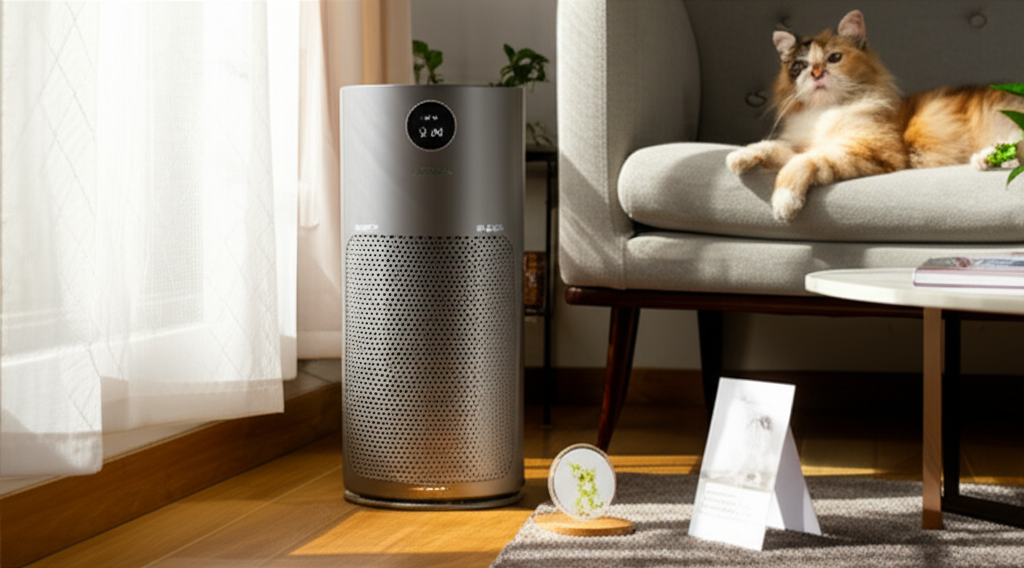
The most common culprit is a protein called Fel d 1. This protein is shed by cats through their skin and is present in their saliva and urine. When a cat grooms itself, saliva containing Fel d 1 is spread onto its fur and skin, which then dries and becomes airborne dander.
Common Symptoms of Cat Allergies
Symptoms can vary in severity but often include sneezing, runny or stuffy nose, itchy or watery eyes, skin rashes or hives, and even asthma symptoms like wheezing or difficulty breathing. These reactions occur when the immune system overreacts to the harmless proteins.
How Air Purifiers Combat Cat Allergies
Air purifiers work by drawing in air, filtering out harmful particles, and releasing cleaner air back into the room. For cat allergy sufferers, this process is crucial for reducing exposure to airborne allergens.
The Role of HEPA Filters
High-Efficiency Particulate Air (HEPA) filters are the gold standard for air purification, especially for allergy sufferers. A true HEPA filter is certified to capture at least 99.97% of airborne particles as small as 0.3 microns. This includes cat dander, dust mites, pollen, and other common allergens.
Activated Carbon Filters for Odors and VOCs
While HEPA filters tackle particulate matter, activated carbon filters are excellent at adsorbing gases, odors, and Volatile Organic Compounds (VOCs). This can be beneficial for removing lingering cat odors and other household smells, further improving air quality.
Choosing the Right Air Purifier for Cat Allergies
Selecting an air purifier specifically designed for pet owners and allergy sufferers can make a significant difference. Key features to look for include robust filtration systems and adequate coverage for your living space.
Key Features to Consider
When shopping for an air purifier, prioritize models with multi-stage filtration, including a pre-filter to catch larger particles like pet hair, a true HEPA filter, and an activated carbon filter. Consider the Clean Air Delivery Rate (CADR) to ensure it’s appropriate for the size of your room.
Coverage Area and CADR Explained
The CADR rating indicates how quickly an air purifier can filter a specific pollutant. For cat allergies, you’ll want a unit with a high CADR for smoke, dust, and pollen, and ensure its recommended coverage area matches or exceeds your room size.
Proven Benefits of Air Purifiers for Cat Owners
Integrating an air purifier into your home can lead to tangible improvements in allergy symptoms and overall comfort. Consistent use is key to experiencing these benefits.
Reduced Allergen Exposure
By continuously filtering the air, air purifiers significantly reduce the concentration of airborne cat allergens. This direct reduction in exposure can lead to fewer allergic reactions and a more comfortable environment for you and your family.
Improved Sleep Quality
Allergy symptoms can often disrupt sleep. Cleaner air in the bedroom can mean fewer nighttime sneezes and congestion, leading to more restful sleep and improved daytime energy levels.
Enhanced Overall Home Air Quality
Beyond cat allergens, air purifiers also capture dust, mold spores, and other airborne irritants. This leads to a healthier home environment for everyone, not just those with pet allergies.
Best Air Purifier Features for Cat Allergy Relief
To maximize the effectiveness of an air purifier against cat allergies, certain features are particularly beneficial. These enhance the unit’s ability to capture and neutralize allergens.
Multi-Stage Filtration Systems
A robust filtration system typically includes:
- Pre-filter: Catches larger particles like pet hair and visible dust, extending the life of the HEPA filter.
- True HEPA Filter: Captures 99.97% of airborne particles down to 0.3 microns, including fine dander.
- Activated Carbon Filter: Adsorbs odors, gases, and VOCs, essential for neutralizing pet smells.
Sufficient CADR Ratings
Ensure the air purifier has a high Clean Air Delivery Rate (CADR) for dust, smoke, and pollen. This indicates its efficiency in cleaning the air in a given space.
Quiet Operation and Energy Efficiency
Look for models with a quiet mode for nighttime use and Energy Star certification for lower electricity consumption. This ensures comfort and cost-effectiveness.
Beyond Air Purifiers: A Holistic Approach to Cat Allergies
While air purifiers are highly effective, they are most powerful when combined with other allergy management strategies. A multi-pronged approach offers the best defense.
Regular Cleaning and Grooming
Consistent vacuuming with a HEPA filter vacuum, dusting surfaces, and washing pet bedding can significantly reduce allergen levels. Brushing your cat regularly (ideally outdoors) can also help minimize shedding.
Creating Allergy-Free Zones
Designating certain areas, like the bedroom, as “allergy-free zones” by keeping pets out can provide a sanctuary from allergens. Ensure these rooms have an air purifier running.
Consulting an Allergist
For persistent or severe allergies, consulting an allergist is crucial. They can provide personalized advice, allergy testing, and discuss treatment options like immunotherapy. You can find a specialist through organizations like the American Academy of Allergy, Asthma & Immunology (AAAAI).
Optimizing Air Purifier Placement and Usage for Cats
The effectiveness of your air purifier depends on where you place it and how you use it. Strategic placement ensures maximum allergen capture.
Strategic Room Placement
Place the air purifier in the room where you spend the most time, such as the living room or bedroom. Ideally, position it near where your cat frequently rests or sleeps, but ensure it has adequate space around it for air intake.
Running the Purifier Continuously
For optimal results, run your air purifier 24/7, especially during peak allergy seasons or when your cat is shedding more. This ensures continuous removal of allergens from the air.
Regular Filter Maintenance
Follow the manufacturer’s recommendations for cleaning or replacing filters. Clogged filters reduce efficiency and can even become a source of allergens themselves. A dirty HEPA filter cannot effectively capture new allergens.
Comparing Air Purifiers: Key Metrics for Cat Allergy Sufferers
When comparing different models, focusing on specific metrics will help you make an informed decision for managing cat allergies.
HEPA Filter Performance
Look for “True HEPA” certification. Some units might claim “HEPA-type” or “HEPA-like,” which do not meet the same stringent standards for particle capture.
Activated Carbon Capacity
The amount of activated carbon in the filter matters for odor control. A larger, denser carbon filter will be more effective at neutralizing pet smells and other VOCs.
Noise Levels
Consider the decibel (dB) rating of the unit, especially for bedrooms. Many purifiers offer a “sleep mode” with reduced fan speed and noise.
Energy Consumption
Check the wattage or Energy Star rating. While a 24/7 operation is recommended, choosing an energy-efficient model can save on electricity bills.
Can Air Purifiers Eliminate Cat Allergies Entirely?
It’s important to manage expectations. While air purifiers are incredibly effective at reducing allergen levels, they are unlikely to eliminate cat allergies completely.
The Reality of Allergen Reduction
Air purifiers significantly reduce the concentration of airborne allergens, offering substantial relief for many. However, allergens can also settle on surfaces, and some individuals are highly sensitive to even trace amounts.
A Complementary Solution
Think of an air purifier as a vital component of a comprehensive allergy management plan. It works best alongside regular cleaning, grooming, and other strategies recommended by healthcare professionals.
Frequently Asked Questions About Air Purifiers and Cat Allergies
What is the best type of air purifier for cat allergies?
The best air purifier for cat allergies typically features a multi-stage filtration system, including a pre-filter for pet hair, a True HEPA filter for capturing fine dander, and an activated carbon filter for odors.
How often should I run an air purifier for cat allergies?
For optimal relief, it’s recommended to run your air purifier 24/7, especially in rooms where you spend the most time or where your cat frequently stays. Continuous operation ensures the most effective reduction of airborne allergens.
Can an air purifier help with cat dander?
Yes, a True HEPA filter in an air purifier is highly effective at capturing microscopic cat dander, which is a primary allergen. This significantly reduces the amount of dander circulating in your home’s air.
Do air purifiers really work for pet allergies?
Yes, air purifiers can significantly help manage pet allergies by filtering out allergens like dander, saliva, and urine proteins from the air. While they may not eliminate all allergens, they can dramatically improve symptoms for many individuals.
Where should I place an air purifier in a room with a cat?
Place the air purifier in the room where you spend the most time, ideally on the floor, allowing at least a foot of clearance around it for efficient air intake and circulation. Placing it near your cat’s favorite resting spots can also be beneficial.
What size air purifier do I need for my cat allergy?
You need an air purifier with a CADR (Clean Air Delivery Rate) appropriate for the square footage of your room. Check the manufacturer’s recommendations for room coverage to ensure it can effectively clean the air in your space.
Conclusion: Breathe Easier with an Air Purifier
Living with a cat doesn’t have to mean constant allergy symptoms. By understanding the science behind cat allergens and leveraging the power of modern air purification technology, you can create a significantly more comfortable and healthier home environment. A well-chosen air purifier, equipped with a True HEPA filter and activated carbon, actively removes the microscopic dander, saliva, and urine proteins that trigger allergic reactions. When used strategically and consistently, this technology offers proven relief, allowing you to enjoy the companionship of your feline friend without the persistent discomfort. Combine this with diligent cleaning and grooming for a holistic approach to managing your cat allergies and breathing easier every day.
