
Can Air Purifier Filter Asbestos: Essential Safety

Yes, a high-efficiency air purifier with a HEPA filter can capture airborne asbestos fibers, but it’s crucial to understand its limitations and that it’s not a substitute for professional asbestos removal. This guide explores the science behind asbestos filtration and essential safety measures.
Asbestos exposure is a serious health concern, and understanding how to mitigate its presence in your home is vital. Many homeowners worry about airborne particles, especially after renovations or in older properties. You might be wondering, “Can air purifier filter asbestos?” It’s a valid question when your family’s health is on the line. I’m here to demystify this topic, offering clear, actionable advice to help you create a safer living environment. Let’s explore the effectiveness and limitations of air purifiers when dealing with asbestos.
Understanding Asbestos and Its Dangers
Asbestos is a naturally occurring mineral that was once widely used in building materials for its heat resistance and durability. When materials containing asbestos are disturbed, tiny fibers can become airborne. Inhaling these fibers can lead to severe respiratory diseases, including asbestosis, lung cancer, and mesothelioma. The danger lies in the microscopic size and sharp edges of these fibers, which can lodge deep within the lungs.
Can Air Purifier Filter Asbestos? The HEPA Filtration Factor
The primary mechanism by which air purifiers can address airborne asbestos is through their filtration systems. Specifically, High-Efficiency Particulate Air (HEPA) filters are designed to capture at least 99.97% of airborne particles as small as 0.3 microns. Asbestos fibers, while varying in size, often fall within this range or can be broken down into smaller, respirable fragments. Therefore, a HEPA filter is capable of trapping these dangerous particles.
How HEPA Filters Trap Microscopic Fibers
HEPA filters achieve their remarkable efficiency through a combination of four distinct mechanisms: impaction, interception, diffusion, and electrostatic attraction. Larger particles are directly impacted onto the filter fibers, while smaller particles are intercepted as they move along the airflow. Even smaller particles are captured through diffusion, a random Brownian motion that increases their likelihood of hitting a fiber. Electrostatic charges can also play a role in attracting particles to the filter media.
Air Purifier Effectiveness: What the Science Says
Studies have shown that HEPA filters are indeed effective at removing asbestos fibers from the air. For instance, research published in journals like the American Industrial Hygiene Association Journal has demonstrated the capability of HEPA filtration in capturing asbestos particles. However, it’s important to note that this effectiveness is contingent on the air purifier’s design, airflow rate, and the concentration of asbestos fibers present. The air purifier acts as a supplementary measure, not a primary solution for asbestos abatement.
Limitations of Air Purifiers for Asbestos
While HEPA filters can capture airborne asbestos, they cannot eliminate the source of the problem. Asbestos fibers are released when materials containing them are disturbed, such as during demolition, renovation, or damage. An air purifier will continuously filter the air, but if the source remains active, new fibers will be released into the atmosphere. Therefore, air purification should always be considered alongside proper asbestos containment and removal procedures.
When to Consider an Air Purifier for Asbestos
An air purifier might be a useful tool in specific scenarios related to asbestos. This includes using it during minor renovation work in an area where asbestos is suspected or confirmed, to capture any inadvertently released fibers. It can also be beneficial in occupied spaces adjacent to an asbestos abatement project to capture migrating fibers. However, its use should be carefully planned and integrated with professional asbestos management strategies.
Choosing the Right Air Purifier for Asbestos Safety
When selecting an air purifier to help manage airborne particles, including potential asbestos fibers, prioritize models with true HEPA filtration. Look for a CADR (Clean Air Delivery Rate) that is appropriate for the size of your room. Multiple stages of filtration, including a pre-filter to capture larger particles and extend the life of the HEPA filter, can also be beneficial. Ensure the unit is sealed, meaning air doesn’t bypass the HEPA filter.
Professional Asbestos Testing and Removal: The First Step
Before relying on any air purification methods, it is paramount to have suspected asbestos-containing materials professionally tested. Certified asbestos inspectors can collect samples and have them analyzed in a lab. If asbestos is confirmed, professional asbestos abatement contractors should be engaged for safe removal or encapsulation. This is the most critical step in ensuring your home’s safety and is a service air purifiers cannot provide.
Maintaining Your Air Purifier for Optimal Performance
To ensure your air purifier effectively captures airborne particles, regular maintenance is essential. This includes cleaning or replacing pre-filters as recommended by the manufacturer and replacing the HEPA filter according to its lifespan, typically every 6-12 months depending on usage and air quality. Clogged filters will significantly reduce the unit’s efficiency and airflow. Proper maintenance ensures the HEPA filter can perform its crucial function.
Can Air Purifier Filter Asbestos: A Comparative Look
| Feature | Air Purifier (HEPA) | Professional Asbestos Removal |
| :—————— | :———————————————— | :————————————————————- |
| Primary Function | Captures airborne particles | Safely removes or encapsulates asbestos-containing materials |
| Effectiveness | Captures fibers < 0.3 microns (99.97%) | Eliminates the source of asbestos release |
| Scope | Air purification in occupied spaces | Containment and removal of hazardous materials |
| Limitations | Does not remove source, requires filter replacement | Costly, disruptive, requires specialized expertise |
| When to Use | Supplementary to abatement, minor disturbance | Confirmed asbestos presence, renovations, demolition |
Frequently Asked Questions
Can I use any air purifier to filter asbestos?
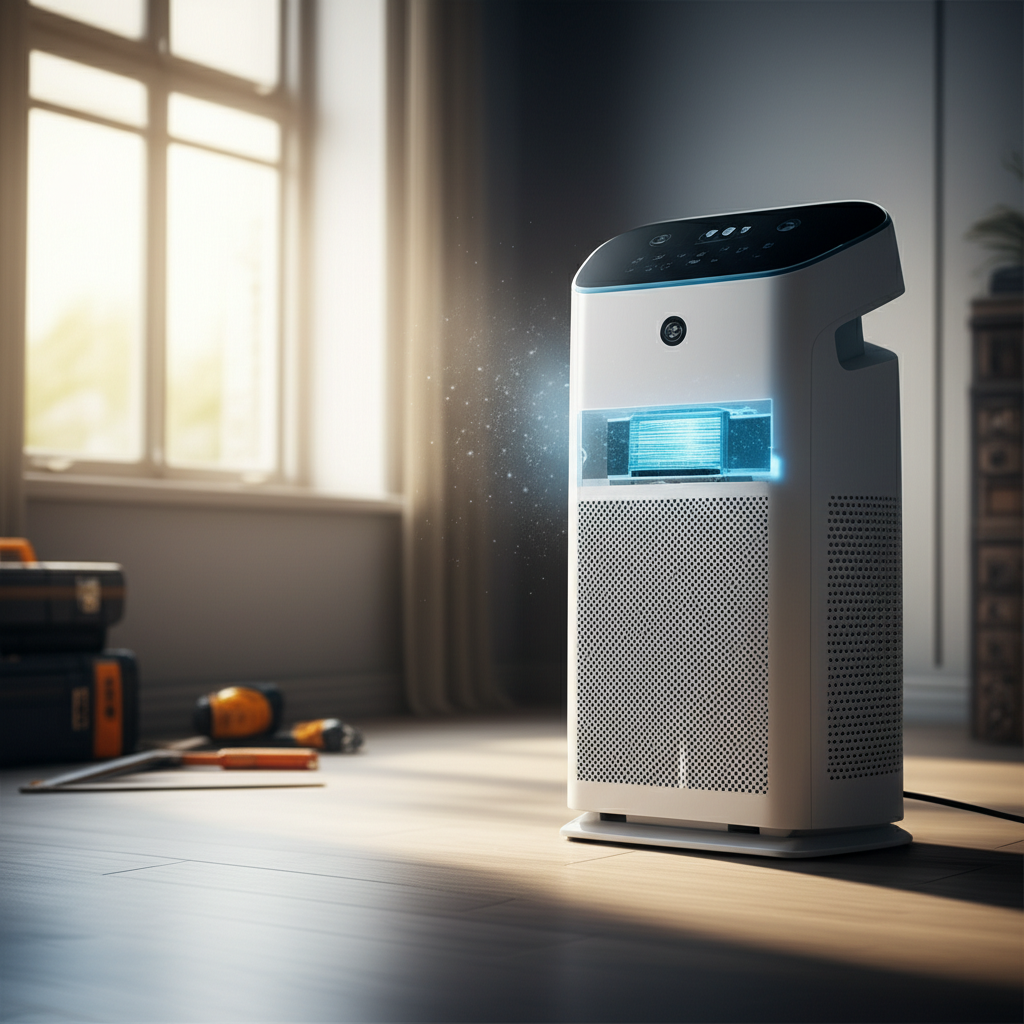
No, it is crucial to use an air purifier equipped with a true HEPA filter. Standard air filters are not designed to capture the microscopic size of asbestos fibers.
Will an air purifier remove all asbestos from my home?
An air purifier with a HEPA filter can capture a significant amount of airborne asbestos fibers, but it cannot remove asbestos that is still contained within building materials. It is not a substitute for professional asbestos abatement.
How often should I replace the HEPA filter if I suspect asbestos?
If you are using an air purifier to help manage potential asbestos fibers, it is advisable to replace the HEPA filter more frequently than the manufacturer’s recommendation, especially if it is running continuously. Consult the manufacturer’s guidelines and consider visual inspection of the filter.
Are there specific brands of air purifiers recommended for asbestos?
While many reputable brands offer HEPA air purifiers, focus on units certified for true HEPA filtration and with adequate Clean Air Delivery Rates (CADR) for your space. Brands like Coway, Blueair, and Levoit often feature high-quality HEPA filters.
What should I do if I suspect asbestos in my home?
The first and most important step is to contact a certified asbestos inspector. They can safely test suspected materials and advise on the necessary course of action, which may include professional removal.
Can air purifiers prevent asbestos-related diseases?
Air purifiers can help reduce the concentration of airborne asbestos fibers, thereby lowering the risk of inhalation. However, they cannot guarantee complete prevention, as no level of asbestos exposure is considered completely safe.
Conclusion: A Layered Approach to Asbestos Safety
So, can air purifier filter asbestos? Yes, a high-quality air purifier with a true HEPA filter can effectively capture airborne asbestos fibers, acting as a valuable component in a multi-faceted safety strategy. However, it is absolutely critical to understand that an air purifier is a supplementary tool, not a standalone solution. Professional asbestos testing and abatement remain the cornerstone of protecting your home and family from the severe health risks associated with asbestos. By combining professional remediation with diligent air purification and proper maintenance, you can create a significantly safer indoor environment.
