
Are You Supposed to Clean Air Purifier Filter? Essential Guide

Yes, you are often supposed to clean certain air purifier filters, but not all. Understanding which types can be cleaned and how to do it properly is crucial for maintaining optimal air quality and extending your purifier’s lifespan.
Are you wondering if that dusty air purifier filter needs a wash or a replacement? It’s a common question, and the answer isn’t a simple yes or no. Many people struggle with knowing the right maintenance for their air purifiers, leading to reduced effectiveness or even damage. This guide will demystify the process, providing clear, step-by-step instructions to help you keep your air clean and your purifier running smoothly. Let’s dive in and ensure you’re giving your air purifier the care it deserves.
Understanding Your Air Purifier Filter Types
Air purifiers use various filter technologies to clean your air, and not all filters are created equal when it comes to cleaning. Knowing the specific type of filter your unit contains is the first and most critical step in determining if it’s washable or needs replacement.
Most air purifiers utilize a multi-stage filtration system. This typically includes a pre-filter, an activated carbon filter, and a HEPA filter. Each plays a distinct role in capturing different types of airborne pollutants.
Key takeaway: Identifying your filter type is essential before attempting any cleaning.
The Role of the Pre-Filter
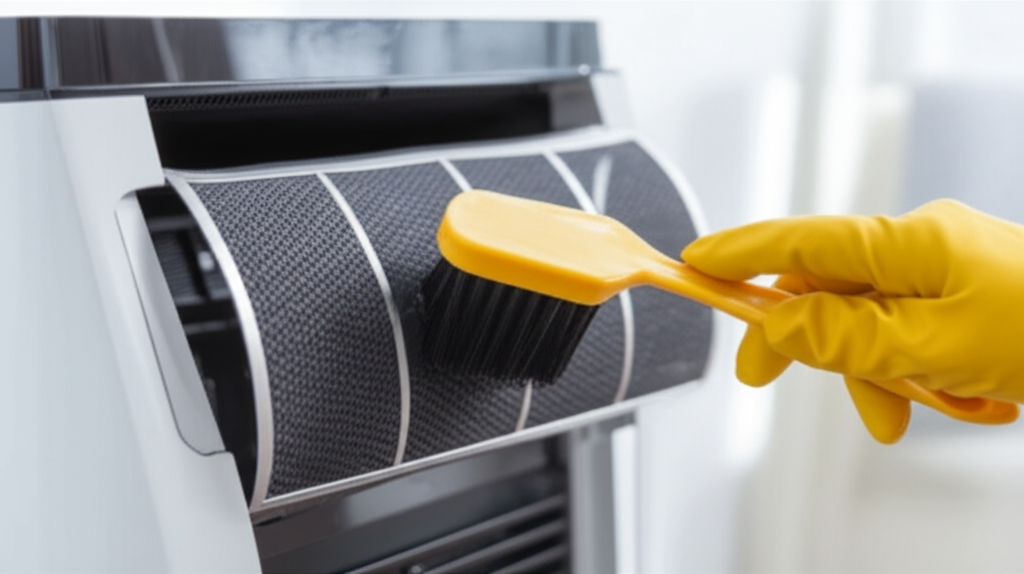
The pre-filter is the first line of defense for your air purifier. It’s designed to capture larger particles like dust, hair, and pet dander before they reach the more sensitive inner filters. This protects the subsequent filters from premature clogging.
Pre-filters are often made of a mesh material, similar to what you might find on a window screen. Their primary purpose is to catch the big stuff, making the job of the other filters easier and prolonging their effective lifespan.
Key takeaway: The pre-filter catches large particles and is often cleanable.
What About HEPA Filters?
High-Efficiency Particulate Air (HEPA) filters are the workhorses of air purification, designed to capture at least 99.97% of airborne particles 0.3 microns in size. This includes microscopic allergens, mold spores, bacteria, and viruses.
Due to their dense and intricate structure, HEPA filters are generally NOT washable. Attempting to wash them can damage the delicate fibers, compromising their ability to trap fine particles effectively. You’ll typically need to replace these filters according to the manufacturer’s recommendations.
Key takeaway: HEPA filters are crucial for fine particle removal and are usually not meant to be cleaned.
Activated Carbon Filters: Can They Be Cleaned?
Activated carbon filters are porous materials that adsorb odors, gases, and volatile organic compounds (VOCs) from the air. They are excellent for tackling smoke, cooking smells, and chemical fumes.
While activated carbon filters can become saturated over time, they are also generally not designed to be cleaned. Washing them can reduce their adsorptive capacity. Like HEPA filters, these are typically replaced, not washed, to maintain their odor-absorbing efficiency.
Key takeaway: Activated carbon filters adsorb odors and gases but are usually replaced, not cleaned.
Are You Supposed to Clean Air Purifier Filter: The Verdict
So, are you supposed to clean air purifier filter? The definitive answer depends on the filter type. Generally, you can and should clean the pre-filter, but HEPA and activated carbon filters are typically designed for replacement, not cleaning.
Always refer to your air purifier’s manual for specific instructions. Manufacturers provide detailed guidance on the maintenance requirements for each filter component in their units. Ignoring these guidelines can lead to poor performance or even damage.
Key takeaway: Clean pre-filters, replace HEPA and carbon filters as per manual.
How to Clean Your Air Purifier’s Pre-Filter
Cleaning your air purifier’s pre-filter is a straightforward process that can significantly improve your unit’s performance. It involves gently removing dust and debris without damaging the filter material.
Start by carefully removing the pre-filter from your air purifier unit. Ensure the unit is unplugged for safety. You can often use a vacuum cleaner with a brush attachment to gently remove loose dust and hair.
For a more thorough cleaning, you can rinse the pre-filter under cool, running water. Avoid using hot water or harsh detergents, as these can degrade the filter material. After rinsing, allow the pre-filter to air dry completely before reinstalling it.
Key takeaway: Vacuum or rinse pre-filters gently and ensure they are completely dry before reinstallation.
When to Replace Your Air Purifier Filters
Even with regular cleaning of the pre-filter, your HEPA and activated carbon filters will eventually become saturated and need replacement. The lifespan of these filters varies depending on the model, usage, and the air quality in your home.
Most manufacturers recommend replacing HEPA and carbon filters every 6 to 12 months. However, if you notice a decrease in air quality, persistent odors, or if your air purifier’s indicator light signals a filter change, it’s time for a replacement sooner.
You can find replacement filters on the manufacturer’s website or from authorized retailers. Using genuine manufacturer filters ensures compatibility and optimal performance for your specific air purifier model. For example, brands like Coway offer specific replacement filters for their units.
Key takeaway: Replace HEPA and carbon filters typically every 6-12 months or when performance degrades.
Signs Your Air Purifier Filter Needs Attention
Your air purifier will often give you subtle (or not-so-subtle) clues when its filters need cleaning or replacement. Paying attention to these signs ensures you maintain peak performance and air quality.
Common indicators include a noticeable decrease in the airflow coming from the unit, increased noise levels, or a persistent musty smell. If you’ve had your air purifier for a while and haven’t changed the filters, it’s a good time to check them.
Many modern air purifiers also come with filter replacement indicator lights. These lights are designed to alert you when it’s time to check or replace your filters based on runtime or air quality sensors. Always consult your user manual for specific indicator meanings.
Key takeaway: Reduced airflow, increased noise, and odors are signs filters need attention.
The Impact of Dirty Filters on Air Quality
Dirty air purifier filters are not just ineffective; they can actually worsen your indoor air quality. A clogged filter restricts airflow, forcing the unit to work harder and less efficiently.
When filters are saturated, they can’t capture new pollutants effectively. Worse still, trapped particles can become dislodged and recirculated back into your living space. This defeats the purpose of having an air purifier in the first place.
Maintaining clean filters is crucial for breathing healthier air, especially for individuals with allergies, asthma, or other respiratory conditions. For instance, a clean Levoit filter ensures optimal capture of allergens.
Key takeaway: Dirty filters reduce efficiency and can reintroduce pollutants into your air.
DIY vs. Professional Filter Cleaning/Replacement
For most air purifiers, filter maintenance is a DIY task. The pre-filter is easily cleaned at home, and replacing the HEPA and carbon filters is usually a simple process of sliding out the old ones and inserting new ones.
However, if you’re uncomfortable with the process or suspect a deeper issue with your unit, professional servicing might be an option. Some service centers offer comprehensive cleaning and filter replacement for various brands.
For common maintenance, like cleaning a pre-filter or replacing a standard filter, most users find it straightforward and cost-effective to do it themselves. This also allows for more frequent checks and maintenance.
Key takeaway: Filter maintenance is typically a simple DIY task.
Choosing the Right Replacement Filters
When it’s time to replace your HEPA or activated carbon filters, using the correct ones is vital. Generic or incompatible filters may not fit properly or perform as effectively, potentially damaging your air purifier.
Always purchase replacement filters that are specifically designed for your air purifier model. Check your owner’s manual or the manufacturer’s website for the exact filter part numbers. Reputable brands like Blueair provide specific filter recommendations.
Consider the filter’s specifications, such as the type of HEPA filtration (e.g., True HEPA) and the amount of activated carbon. This ensures you’re getting the best possible air purification for your needs.
Key takeaway: Always use manufacturer-recommended filters for your specific air purifier model.
Maintaining Your Air Purifier for Longevity
Proper maintenance extends the life of your air purifier and ensures it continues to deliver clean air. Beyond filter care, keeping the exterior clean and ensuring proper ventilation are also important.
Wipe down the exterior of your air purifier regularly with a soft, damp cloth. Ensure the air intake and outlet vents are not blocked by furniture or curtains, as this can impede airflow and strain the motor.
Regularly checking and cleaning the pre-filter, along with timely replacement of the main filters, are the most critical steps. This proactive approach will keep your unit running efficiently for years to come.
Key takeaway: Regular cleaning and ensuring clear vents contribute to the longevity of your air purifier.
Frequently Asked Questions (FAQ)
Can I wash my air purifier’s HEPA filter?
No, generally you should not wash HEPA filters. Their delicate structure can be damaged by water, reducing their ability to capture fine particles. Always replace them as recommended by the manufacturer.
How often should I clean my air purifier filter?
You should clean the pre-filter of your air purifier at least once a month, or more often if you have pets or live in a dusty environment. HEPA and carbon filters are typically replaced every 6-12 months.
What happens if I don’t clean or replace my air purifier filters?
If you don’t maintain your filters, your air purifier will become less effective at cleaning the air. It can also lead to reduced airflow, increased noise, and potentially recirculate trapped pollutants.
Can I use a regular vacuum cleaner on my air purifier filters?
Yes, you can use a vacuum cleaner with a brush attachment to gently clean the pre-filter. Avoid vacuuming HEPA or carbon filters, as this can damage them.
Are all air purifier filters washable?
No, only the pre-filter is typically designed to be washable. HEPA filters and activated carbon filters are usually meant for replacement.
Where can I find replacement filters for my air purifier?
You can usually find replacement filters on the manufacturer’s website, through authorized retailers, or on online marketplaces like Amazon. Always ensure you are purchasing the correct filter for your specific model.
Conclusion: Keeping Your Air Pure
So, are you supposed to clean air purifier filter? Yes, the pre-filter, but not the HEPA or carbon filters. Understanding this distinction is key to effective air purifier maintenance. By regularly cleaning your pre-filter and replacing the main filters as recommended, you ensure your air purifier continues to operate at its best, providing you with cleaner, healthier air.
Don’t let dirty filters compromise your indoor air quality. Follow these essential guidelines, consult your user manual, and enjoy the benefits of a well-maintained air purification system. Your lungs will thank you for it.
