Are Air Purifier Filters Interchangeable? Essential Guide

No, air purifier filters are generally not interchangeable between different brands or even different models within the same brand. Using the wrong filter can reduce performance, damage your unit, and void warranties. This guide will help you understand why and how to find the correct replacement.
Are air purifier filters interchangeable? It’s a question many of us ask when our trusty air purifier needs a new filter. You might think, “It looks the same, why wouldn’t it fit?” This common frustration often arises from a desire to save money or find a readily available replacement. However, the reality is more complex, and making the wrong choice can lead to disappointing results. This guide will demystify the world of air purifier filters, explaining why interchangeability is rare and providing you with the essential knowledge to select the correct filter for your specific unit, ensuring optimal performance and longevity for your air purifier.
Why Air Purifier Filters Are Rarely Interchangeable
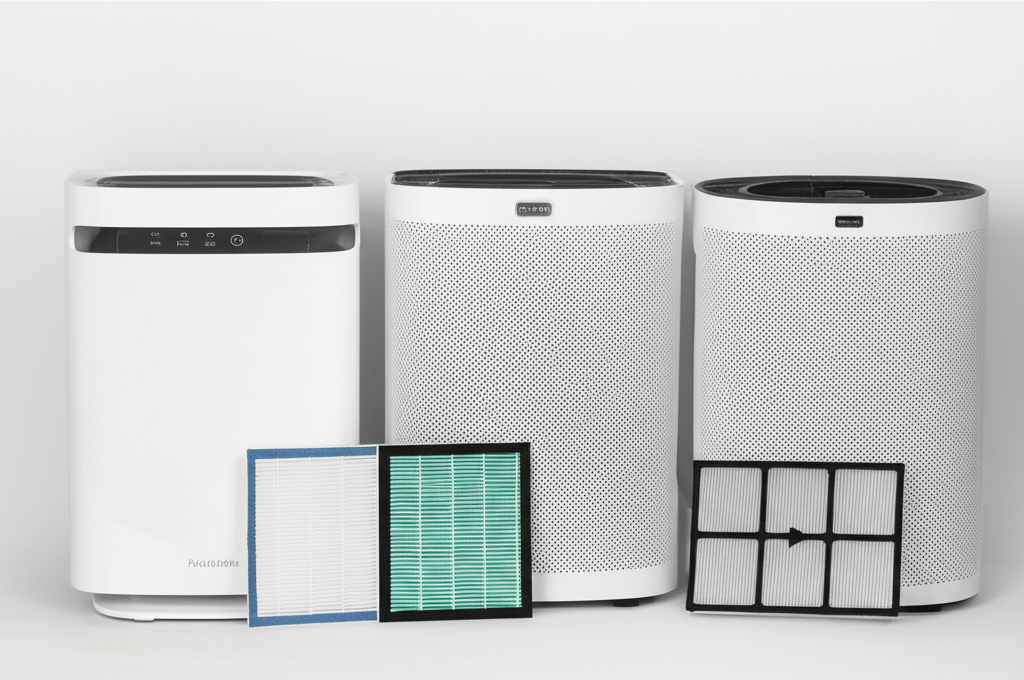
Air purifier filters are designed with specific dimensions, airflow resistance, and material compositions to match the unique requirements of each air purifier model. This precise engineering ensures optimal performance and prevents damage, making them generally non-interchangeable across different brands or even models.
The intricate design of air purifiers means that every component, especially the filter, plays a crucial role. Filters are not just passive barriers; they are engineered to work in harmony with the fan, motor, and housing of a particular unit. This careful calibration ensures efficient air capture and circulation without straining the system.
The Anatomy of an Air Purifier Filter
Understanding what goes into an air purifier filter reveals why a one-size-fits-all approach simply doesn’t work. Each filter is a complex system designed to tackle specific airborne pollutants.
HEPA Filters: The Gold Standard
High-Efficiency Particulate Air (HEPA) filters are the cornerstone of most modern air purifiers. True HEPA filters are certified to capture at least 99.97% of airborne particles 0.3 microns in size.
Material: Typically made from a dense mat of fine fibers, often fiberglass or synthetic materials.
Structure: The fibers are arranged in a random pattern, creating a tortuous path for air to travel.
Mechanism: Particles are trapped through impaction, interception, and diffusion.
Activated Carbon Filters: The Odor and Gas Neutralizers
Activated carbon filters are essential for removing volatile organic compounds (VOCs), gases, and odors from the air. Their effectiveness lies in their porous structure.
Material: Made from carbonized materials like coconut shells, wood, or coal.
Process: The carbon is treated to create millions of tiny pores, significantly increasing its surface area.
Adsorption: Pollutants chemically bond to the surface of the carbon, effectively removing them from the air.
Pre-filters: The First Line of Defense
Pre-filters are designed to capture larger particles like dust, hair, and pet dander. This protects the more delicate HEPA and carbon filters, extending their lifespan.
Material: Often made of a mesh or a thin layer of synthetic material.
Function: Catches larger debris before it can clog the finer filter layers.
Maintenance: Usually washable or easily replaceable, making them a cost-effective first step.
Key Takeaway: Each filter type serves a distinct purpose, and their design is optimized for specific pollutant removal and airflow characteristics.
Why Generic Filters Often Fall Short
While the allure of generic or universal filters is strong, especially for budget-conscious consumers, they rarely deliver the same performance as manufacturer-specified replacements. Their lack of precise engineering for your specific unit is their biggest downfall.
Mismatched Dimensions and Fit
Even a slight difference in size can create gaps, allowing unfiltered air to bypass the filter. This defeats the purpose of having an air purifier in the first place.
Airflow Bypass: If the filter doesn’t seal perfectly, air will find the path of least resistance, going around the filter instead of through it.
Physical Instability: A poorly fitting filter might rattle or become dislodged, potentially damaging the unit or reducing its effectiveness.
Compromised Airflow and Performance
The density and material of a filter directly impact how easily air can pass through it. Generic filters may not match the original’s airflow resistance.
Reduced Airflow: A filter that is too dense can restrict airflow, forcing the fan to work harder, potentially leading to motor strain and increased noise.
Decreased CADR: Clean Air Delivery Rate (CADR) is a measure of how quickly an air purifier cleans a room. A non-optimal filter will reduce this rate.
Ineffective Filtration
Generic filters might claim to be HEPA or activated carbon, but they may not meet the stringent standards of certified filters. This means they might not capture pollutants as effectively.
Lower Efficiency: They may not capture the specified percentage of particles or may not effectively adsorb gases and odors.
Shorter Lifespan: Inferior materials can degrade faster, requiring more frequent replacements.
Key Takeaway: Generic filters often fail to provide a proper seal and may not match the original’s filtration efficiency or airflow characteristics.
The Risks of Using Non-Interchangeable Filters
Beyond reduced performance, using the wrong filter can lead to more serious consequences for both your air purifier and your health. It’s a gamble that rarely pays off.
Voiding Your Warranty
Most air purifier manufacturers explicitly state that using non-approved or incompatible filters will void the product’s warranty. This can leave you with expensive repair costs if something goes wrong.
Manufacturer’s Terms: Always check the warranty documentation for specific exclusions.
Proof of Purchase: Keep records of your original unit and any replacement filters purchased from authorized sources.
Potential Damage to the Unit
An ill-fitting or overly restrictive filter can put undue stress on your air purifier’s motor and fan. This can lead to premature wear and tear or even complete failure.
Motor Overheating: A struggling motor can overheat, potentially causing damage or a fire hazard.
Fan Strain: The fan blades might not operate efficiently, leading to reduced air circulation and increased noise.
Reduced Air Quality
Ultimately, the primary purpose of an air purifier is to improve air quality. Using the wrong filter undermines this goal, potentially leaving you breathing less clean air than before.
Ineffective Pollutant Removal: If the filter isn’t capturing particles or gases effectively, the air in your home won’t be as clean as it could be.
Increased Allergen Circulation: Ineffective filtration can lead to a higher concentration of allergens like dust mites, pollen, and pet dander.
Key Takeaway: Using the wrong filter can void your warranty, damage your air purifier, and compromise the very air quality it’s meant to improve.
How to Find the Correct Replacement Filter
Navigating the world of replacement filters can seem daunting, but it’s a straightforward process if you know what to look for. The key is to be diligent and refer to your air purifier’s documentation.
Check Your Air Purifier’s Manual
The most reliable source of information for replacement filters is the user manual that came with your air purifier. It will specify the exact filter model number and any compatible alternatives recommended by the manufacturer.
Model Number: Look for a section on maintenance or replacement parts.
Filter Part Number: This is the most critical piece of information.
Identify Your Air Purifier’s Model Number
If you’ve lost the manual, the model number is usually found on a sticker on the back or bottom of the unit. This number is essential for finding the correct filter.
Location: Typically on the base, back panel, or sometimes inside the filter compartment.
Format: It might be a combination of letters and numbers (e.g., “BlueAir 402,” “Coway AP-1512HH”).
Search by Brand and Model Number Online
Once you have the correct model or part number, you can search for replacement filters online. Stick to reputable retailers and the manufacturer’s official website to ensure authenticity.
Manufacturer’s Website: Often has a dedicated “Parts & Accessories” section.
Authorized Retailers: Look for well-known appliance or home goods stores.
Look for Filter Compatibility Charts
Some websites and retailers provide compatibility charts that list which filters work with specific air purifier models. These can be helpful, but always double-check against your unit’s manual.
Cross-Referencing: Use these charts as a guide, but confirm the part number directly.
Beware of “Universal” Claims: Be skeptical of filters advertised as universal replacements unless explicitly stated by the manufacturer.
Key Takeaway: Always refer to your air purifier’s manual or the unit itself for the correct model and part number to ensure you purchase the right filter.
Understanding Filter Part Numbers and Designations
Filter part numbers are not arbitrary; they are specific identifiers created by manufacturers to ensure you get the exact filter designed for your unit. These numbers often contain clues about the filter’s type and compatibility.
The Importance of the Part Number
The part number is the unique identifier for a specific filter. It’s like a serial number, ensuring that the filter you buy is precisely what your air purifier needs to function optimally.
Uniqueness: Each manufacturer assigns unique part numbers to their filters.
Specificity: It guarantees the dimensions, material, and performance characteristics are matched.
Manufacturer-Specific Naming Conventions
Different brands have different ways of naming their filters. Some might include letters or numbers that indicate the type of filter (e.g., HEPA, Carbon) or the series of air purifiers it’s designed for.
Example: A filter might be labeled “HRF-R3” for a Honeywell unit, where “HRF” could stand for Honeywell Replacement Filter.
Research: Understanding these conventions can sometimes help in identifying compatible filters, but it’s still best to rely on the exact part number.
Third-Party Filter Considerations
While some third-party manufacturers produce compatible filters, it’s crucial to verify their quality and adherence to standards. Look for certifications or clear specifications that match the original filter’s performance.
Certifications: Check if they meet HEPA standards (e.g., H13, H14) or other relevant certifications.
Reviews: Read customer reviews specifically mentioning compatibility and performance with your air purifier model.
Key Takeaway: The filter part number is the most critical piece of information. Always prioritize purchasing filters with the exact part number specified by your air purifier’s manufacturer.
When Might Filters Seem Interchangeable?
There are specific scenarios where filters might appear interchangeable, but these are exceptions rather than the rule, and caution is still advised. These situations often involve filters designed for a specific range of products.
Filters for the Same Product Line
Sometimes, a manufacturer will use the same filter across multiple models within the same product line. This is common for air purifiers that share core components or design philosophies.
Shared Components: If models are built on the same chassis with similar fan systems, they might use identical filters.
Verification: Always confirm compatibility with your specific model number, even within the same product line.
Universal Filter Media Rolls
Some DIY enthusiasts might consider using universal filter media rolls, which can be cut to size. However, this approach comes with significant caveats.
Customization: Requires precise cutting to ensure a proper seal and avoid gaps.
Performance Uncertainty: The density and material composition may not perfectly match the original, impacting filtration efficiency and airflow.
Not Recommended: Generally not recommended for optimal performance and safety.
Older vs. Newer Versions of the Same Model
Occasionally, a manufacturer might update a model but retain the same filter specifications. However, it’s also possible that design changes necessitate different filters.
Design Evolution: Even minor design tweaks can alter filter requirements.
Check Specifications: Always compare the specifications of the new filter with the old one if you suspect a change.
Key Takeaway: While some filters might be used across a brand’s product line, always verify compatibility with your specific model number to avoid issues.
How to Maintain Your Air Purifier for Longevity
Proper maintenance extends the life of your air purifier and ensures it continues to operate efficiently. This includes regular filter replacement and cleaning of other components.
Regular Filter Replacement Schedule
Adhering to the manufacturer’s recommended replacement schedule is crucial for maintaining optimal air quality. This schedule is usually based on average usage and typical air quality conditions.
Frequency: Typically every 6-12 months for HEPA and carbon filters, but can vary.
Indicators: Many air purifiers have filter replacement indicator lights.
Cleaning and Replacing Pre-filters
The pre-filter is often washable and should be cleaned regularly to prolong the life of the main filters.
Washing: Gently rinse with water and allow to air dry completely before reinserting.
Replacement: If the pre-filter is damaged or cannot be cleaned effectively, replace it.
Cleaning the Air Purifier Unit
Dust and debris can accumulate on the exterior and interior of the air purifier, including the fan and sensors.
Exterior: Wipe down with a soft, damp cloth.
Interior: Use a vacuum cleaner with a brush attachment to remove dust from the fan and sensor areas.
Proper Storage of Replacement Filters
If you buy filters in bulk, ensure they are stored correctly to maintain their effectiveness.
Sealed Packaging: Keep replacement filters in their original, sealed plastic packaging until ready for use.
Environment: Store in a cool, dry place away from direct sunlight or moisture.
Key Takeaway: Follow the manufacturer’s recommended replacement schedule for filters and regularly clean your air purifier unit to ensure optimal performance and longevity.
Frequently Asked Questions (FAQs)
Can I use a filter from a different brand if it looks the same?
No, even if a filter appears similar in size, it’s not recommended to use a filter from a different brand. Differences in material density, airflow resistance, and sealing mechanisms can lead to poor performance and potential damage to your unit. Always use filters specifically designed for your air purifier model.
What happens if I don’t replace my air purifier filter on time?
If you don’t replace your air purifier filter on time, its effectiveness will significantly decrease. It will become clogged with pollutants, reducing airflow and its ability to capture new particles. This can also strain the motor as it works harder to pull air through the dirty filter, potentially shortening the lifespan of your appliance.
How do I know when to replace my air purifier filter?
Most air purifiers have an indicator light that signals when it’s time to replace the filter. If your unit doesn’t have this feature, consult your user manual for the recommended replacement interval, which is typically every 6 to 12 months depending on usage and air quality. You may also notice a decrease in airflow or an increase in odors if the filter is overdue for replacement.
Are there universal air purifier filters available?
While some companies may market “universal” filters, they are generally not recommended. True HEPA filters and activated carbon filters are engineered for specific airflow and filtration requirements of individual air purifier models. Universal filters often don’t provide a proper seal, leading to air bypass and reduced effectiveness, and may even damage your unit.
Can I wash and reuse my HEPA filter?
No, HEPA filters are designed for single use and should not be washed or reused. Washing a HEPA filter will damage its delicate fiber structure, compromising its ability to capture fine particles effectively. Only pre-filters are typically designed to be washable.
Where can I buy genuine replacement filters?
The best place to buy genuine replacement filters is directly from the air purifier manufacturer’s official website or from authorized retailers. This ensures you are purchasing authentic filters that meet the specific requirements of your unit and will not void your warranty. Avoid purchasing from unverified third-party sellers who may offer counterfeit or low-quality alternatives.
What is the difference between a HEPA filter and an activated carbon filter?
A HEPA filter is designed to capture tiny airborne particles like dust, pollen, pet dander, and mold spores, trapping at least 99.97% of particles 0.3 microns in size. An activated carbon filter, on the other hand, is designed to adsorb gases, odors, and volatile organic compounds (VOCs) from the air through a chemical process. Most air purifiers use a combination of both for comprehensive air purification.
Conclusion: Prioritize Performance with the Right Filter
In conclusion, are air purifier filters interchangeable? The definitive answer is no, they are not. Using the correct, manufacturer-specified filter is paramount for ensuring your air purifier operates at peak efficiency, effectively cleans your air, and maintains its longevity. Investing in the right replacement filter is an investment in your health and the performance of your appliance.
While the temptation to opt for cheaper, generic alternatives may be strong, the risks associated with using non-interchangeable filters—including reduced performance, potential unit damage, and voided warranties—far outweigh any perceived savings. Always refer to your air purifier’s manual or the unit itself for the correct filter part number and purchase replacements from reputable sources. By prioritizing the right filter, you ensure your air purifier continues to provide the clean, fresh air you and your family deserve.