
Quiet Air Purifiers for Healthier, Peaceful Living

Have you ever stood in the middle of your living room, blissfully enjoying the silence, only to have it shattered by the roar of an air purifier trying to do its job? We all want clean air, but wouldn’t it be amazing to have it without the unwanted noise? That’s where the quiet air purifier comes in—not just a gadget, but a game-changer for anyone who values peace and purity at home.
Table of Contents
How Does a Quiet Air Purifier Benefit You?
Air purification is essential, but let’s face it, a clunky, loud machine ruins the calm we crave. Quiet air purifiers remove allergens and pollutants without turning your home into an airport runway. Whether you’re settling down for a cozy movie night or putting the kids to bed, the last thing you need is a purifier that sounds like a jet engine. Besides, aren’t you more likely to stick with a device that blends seamlessly into your everyday life?
Key Benefits at a Glance
- Improved air quality – Fewer allergens, dust, and mold in your home.
- Better sleep – Less noise means fewer interruptions during the night.
- Enhanced productivity – Perfect for offices where focus is a priority.
- Peaceful living spaces – Ideal for bedrooms and living rooms.
The Rising Demand for Quiet Air Purifiers
You’re not alone in hunting for silent purification. A growing number of people are ditching noisy appliances for more peaceful alternatives. It’s not just about comfort—it’s about making smart lifestyle choices. After all, how many of us realized the toll of air pollution inside our own homes? With quieter innovations like the Whisper quiet air purifier, families can prioritize health without sacrificing peace.
Interesting Fact
Did you know? According to a study by the U.S. Environmental Protection Agency (EPA), indoor air can be 2 to 5 times more polluted than outdoor air. Now imagine tackling that problem silently—sounds dreamy, right?
Understanding Why Noise Levels Matter
Imagine trying to whisper sweet nothings over a friend’s roaring blender—it’s impossible. Similarly, loud purifiers can wreck your sleep or leave you reaching for headphones while watching TV. Noise is measured in decibels (dB), and for reference:
- 20 dB – Barely audible (like rustling leaves).
- 30-40 dB – Whisper-quiet noise (what you want in a purifier).
- 50-60 dB – Normal conversation level.
A quiet HEPA air purifier, like those operating below 40 dB, strikes the perfect balance of efficiency and silence.
What Makes a Quiet Air Purifier Special?
It’s not just about turning down the volume. Quality air purifiers, even the silent ones, tackle complex challenges:
- Purification for Allergens – Capture dust, pollen, and pet dander with True HEPA filters.
- Odor Elimination – Filters neutralize odors and volatile organic compounds (VOCs).
- Energy Efficiency – Low noise doesn’t mean high energy bills; many models are optimized for minimal consumption.
But here’s the thing—how do you balance quietness and performance? Look for features like CFM/dB efficiency (airflow vs. noise) and multi-speed options for personalized control.
Quick Comparison Table: Noise Ratings of Popular Models
| Air Purifier Model | Noise Level | Best Use Case |
| Coway AirMega AP-1512HH | 24-53 dB | Bedroom/Sleep |
| Winix 5500-2 | 27-53 dB | Pets and Odor Control |
| Dyson Big+Quiet Formaldehyde | Under 45 dB | Specialized VOC Removal |
| RabbitAir MinusA2 SPA-780N | 20-46 dB | Allergies and Small Spaces |
Why Does Everyone Want One in their Bedroom or Office?
Here’s a fun question—do you snore? (Be honest.) If not, it might still be time to ask if other noises are disturbing your sleep. Quiet bedroom air purifiers are fantastic for keeping allergen levels low without disrupting those precious REM hours. Similarly, low-noise purifiers in offices help maintain focus, especially for remote workers or those with sensitive ears.
A Real-Life Example
I helped a friend pick the RabbitAir BioGS 2.0 Ultra Quiet Air Purifier. After weeks of struggling with pet hair and noise issues, she called it “the MVP of her home.” Not only was it whisper-quiet, but it also cleared up her allergy symptoms within days.
The Quiet Revolution
Could you imagine air purifiers not just as tools for clean air, but as quiet companions enhancing the vibe of your home or workspace? Choosing the right one can transform how you experience your daily life. With up-to-date engineering and a near-silent hum—think of brands like Dyson Quiet air purifier or Winix PlasmaWave—you can finally breathe easier (and in peace).
Why You Need a Quiet Air Purifier?
1. Sleep Like a Baby
Do you struggle to sleep with background noise? A quiet air purifier for bedrooms could be your next best friend. With their ultra-low noise output, these devices quietly filter allergens, dust, and harmful particles, ensuring cleaner air while you snooze.
2. Stay Focused in Home Offices
Working from home comes with its distractions; the last thing you need is a noisy appliance disrupting your flow. A quiet purifier enhances air quality, keeping you productive without unnecessary disturbance.
3. Family-Friendly Homes
Got kids or pets? Quiet air purifiers are ideal for creating healthier indoor air without startling little ones or fur babies. Plus, options like the “quiet HEPA air purifier” can tackle pet dander or allergens effectively.
4. Healthier Living
Think about this—how many hours do you spend indoors? Your home should be a refuge, but indoor air can often be worse than outside! A quiet purifier filters bacteria, pollen, and even smoke while maintaining a peaceful atmosphere.
Features & Key Considerations Before Buying a Quiet Air Purifier
Picture this—you’re on the verge of hitting “checkout” on a shiny new appliance, but pause. What exactly should you look for in a quiet air purifier? It’s not just about how silent it is; effectiveness, energy use, and even the design can make or break your choice. Let’s break down the essential features so you can bring home the right purifier for your space and peace of mind.
Understanding Noise Levels (Because Not All Are Truly “Quiet”)
Not all air purifiers marketed as “quiet” live up to the hype. Noise levels may range anywhere from calming whispers to obnoxious rumbles. Do you want a device that can melt into the background of a library-quiet room? Look for purifiers operating under 40 dB—that’s equivalent to a soft hum.
Here’s a Handy Decibel Chart for Perspective:
| Noise Level (dB) | Comparison Sound | Purpose in a Quiet Purifier |
| 20 – 30 dB | Whisper-quiet | Bedroom or nursery |
| 30 – 40 dB | Soft rain noise | Living rooms or workspaces |
| 40 – 50 dB | Gentle conversation | Larger rooms, might hear it faintly |
Now imagine having a RabbitAir MinusA2 Ultra Quiet Purifier running in your bedroom, working at just 20 dB. It’s a sound lover’s dream, isn’t it?
What Else Should You Look For?
1. Filtration Efficiency
Ever heard of a “HEPA filter”? These are like the superheroes of the air purification world. True HEPA filters can trap up to 99.97% of tiny particles, including allergens like pollen, mold, and yes, even pet dander.
Take a pick like the LEVOIT Core 300S, praised for its quiet HEPA filtration technology that’s virtually silent in sleep mode. Got pets? You’ll want this in your corner to handle all that excess fur and dander floating around.
2. Balance Between CFM and dB
Here’s where the nitty-gritty math comes in—not scary, I promise! Check how much air a purifier circulates (measured in CFM, or cubic feet per minute) compared to its noise level. The higher the airflow for the lowest decibels, the better.
- Instant HEPA Quiet Purifier is an excellent example, cleaning the air silently without compromising on high CFM.
- Opt for high CFM/dB ratio models if you have open spaces like large living rooms—you get airflow AND peace of mind.
3. Energy Efficiency
Sure, quiet is great, but how much power does it gobble up? Low-energy, Energy Star-certified devices keep electricity bills more manageable.
Don’t forget models like the Winix 5500-2, which balances its robust filtration power with low energy use. Saving the planet while keeping your space serene? Yes, please!
Categories of Quiet Air Purifiers
1. Best Overall Quiet Air Purifiers
Looking for the perfect mix of performance and noise reduction? Models like the Coway AirMega and Dyson Big+Quiet offer top-notch filtering with incredibly low noise levels. They’re ideal for living rooms or open-plan spaces.
2. Compact and Portable Models
Sometimes all you need is something subtle for a smaller area. A small quiet air purifier, like the Levoit Core Mini, fits the bill. Its portable design makes it perfect for travelers, dorm rooms, or even cars.
3. Quiet Air Purifiers for Large Rooms
Struggling to find something powerful yet quiet for your spacious living room? Consider models like the Dyson Big+Quiet Formaldehyde Air Purifier or the Honeywell HPA300. These units handle high air volumes (CFM) while keeping noise to a minimum.
4. Bedroom-Specific Air Purifiers
For light sleepers, noise reduction is everything. Bedroom-focused models like the Rabbit Air MinusA2 feature whisper-quiet operation and even come with dimmable lights.
5. Multi-Functional Purifiers
Why settle for less? Some purifiers offer dual functionality, combining air cleaning and dehumidification. These are incredible for humid climates or rooms prone to dampness.
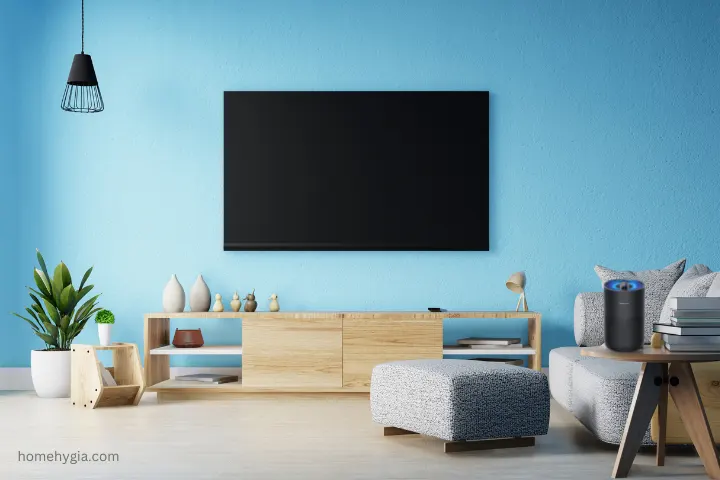
The Different Types of Quiet Air Purifiers
Sometimes, the choice boils down to the type of purifier. Each kind serves a unique purpose:
Standalone Models
- Portable wonders for bedrooms or offices.
- Example: Dyson Quiet Air Purifier, sleek and stylish.
Whole-House Purifiers
- Integrated into HVAC systems, covering the whole home. These tend to be pricier but provide convenience for vast spaces.
Multi-Purpose Devices
- Devices combining features like dehumidifiers or UV filters (e.g., Quiet Dehumidifier and Air Purifier combos). Think all-in-one for clean, moisture-balanced air.
Smart Air Purifiers
Why not go tech-savvy? Purifiers from brands like LEVOIT now include Wi-Fi controls or Alexa integration, helping you monitor air quality in real time from your phone.
Why Innovations Matter in Quiet Air Purifiers
The market is filled with innovative options designed for every kind of space and need. Here’s what’s catching my eye lately.
Tower vs Box Designs
Did you know a purifier’s shape can influence how noisy it gets? Tower designs, for instance, often distribute air more evenly and quietly, making them great for larger areas. On the other hand, box-shaped models like Coway units fit snugly into tighter spaces.
PC Fan Technology
One of the coolest trends is incorporating PC fan-inspired motors. These deliver powerful airflow while keeping sound levels surprisingly low—usually under 40 dB.
Washable Filters
Filtering technology isn’t just about HEPA anymore. Washable/pre-filters are becoming a go-to for eco-conscious users who want to minimize running costs. They’re quiet too, since they reduce fan strain.
Did You Know? Large outlets in tower units, like the Honeywell AirGenius 5, can reduce noise dramatically compared to smaller exhaust designs.
Features That Often Get Overlooked
While most of us focus on “quiet,” don’t ignore these lesser-known gems:
- Washable Filters: Reuse them to cut down maintenance costs (“Quiet air purifier with washable filter” is a hot favorite!).
- Night Mode Settings: Perfect if you need absolute darkness for quality sleep.
- Eco-Friendly Options: Some purifiers boast biodegradable or sustainable filters—not just good for your home, but kind to the planet.
Unique Value Propositions in Quiet Air Purifiers
When you’re searching for the perfect quiet air purifier, do you feel like product descriptions fail to address all your concerns? Many high-ranking articles skim past these essential topics, but we’re diving right into them.
1. HEPA Goes Quiet—But What About Formaldehyde?
Did you know that some air purifiers specifically target formaldehyde, a common household pollutant found in furniture and flooring? Models like the Dyson Big And Quiet formaldehyde air purifier are perfect for families wanting fresher, safer air.
Here’s what makes it special:
- Dual Functionality: Combines powerful filtration with pinpoint pollutant targeting.
- Family-Friendly Design: Tackles VOCs while staying silent (under 40 dB).
This is a huge win for anyone renovating or updating their home—improving the air without sacrificing peace.
2. Air Quality for Health-Specific Needs
Who doesn’t want clean air tailored to their unique health concerns? For people with allergies, a quiet air purifier for allergies does more than just filter dust—it transforms your daily life. Advanced HEPA models like the Coway AirMega trap allergens like pet dander and pollen, all while maintaining low noise levels.
Pro tip: Keep an eye out for models with “auto-allergy” settings to adjust filtration efficiency depending on the air quality.
3. Eco-Friendly Features
If sustainability matters to you, you’ll want to seek eco-friendly models. Many brands now offer purifiers with washable filters and energy-efficient features to minimize environmental impact.
Why settle for the same old devices when you can go green? For instance, look for GSM-based energy-saving tech or products built with recyclable materials.
Unique Innovations That Deserve Recognition
Some features are still flying under the radar, even though they could make a big difference for homeowners.
1. Compact, Whisper-Quiet Models
For anyone living in a studio or small apartment, having a whisper quiet air purifier that blends into your decor while working silently in the background is a game-changer. Models like the Levoit Core P350 are not only compact but ideal for pets and cozy spaces too!
What’s better than breathing clean air without even noticing your purifier is running?
2. Hybrid Solutions for Multi-Purpose Use
What if your air purifier could do more? Combination devices that include humidifiers or dehumidifiers are becoming a huge trend, catering to areas affected by extreme climates.
Side note: Think of it as killing two birds with one stone (only quieter).
3. Air Updates in Real-Time
Air purifiers equipped with smart monitoring systems can sync to your phone or smartwatch, providing updates on air quality. This is perfect for tech-savvy consumers or busy professionals looking to stay informed.
Example: The Dyson Purifier Big+Quiet Formaldehyde uses app integration to monitor pollutants like VOCs and pollen directly from your screen.
What’s Missing from Competitors’ Content
Too many articles focus on basic functionality without mentioning some of the truly standout options available today. Here’s what’s been overlooked and why it’s worth highlighting.
Lack of Noise Metrics Breakdown
Everyone knows noise is a factor, but how many reviews provide specifics about decibels at different settings? People deserve detailed comparisons—like why a whisper-quiet purifier might still be effective in large rooms.
| Model | Noise Level (Low-High dB) | Best For |
| Dyson Big+Quiet | 33–40 | Large open spaces |
| Rabbit Air MinusA2 | 20–40 | Bedrooms or work-from-home setups |
| Honeywell AirGenius 5 | 40–55 | Shared family spaces |
Gaps in Eco-Friendly Advice
Sustainability isn’t just trendy—it’s essential. Highlighting purifiers that reduce waste or use less energy should take center stage in any content focused on home improvement tech.
Missing Focus on Pet Owners
Pet lovers need targeted solutions! Many purifiers work wonders on pet hair, odors, and allergens, but this gets buried in most reviews.
Avoid Common Buying Mistakes
You wouldn’t buy shoes without knowing your size, so why settle for any purifier without doing some checks? Here’s what to dodge:
- Overlooking CADR Ratings: CADR (Clean Air Delivery Rate) gives you a realistic picture of how a purifier performs. Bigger rooms? You need higher CADR.
- Assuming Quiet Means Low Power: A purifier like the Coway AirMega 400 proves you can have high performance AND keep things whisper-quiet.
- Ignoring Maintenance Costs: Over time, filter replacements can cost more than the actual purifier! Pro tip—models with washable pre-filters help offset this.
There’s no one-size-fits-all answer in picking the right purifier. But here’s my personal suggestion—start with what matters most to you. Is it total silence for your baby’s nursery? Or multi-room coverage during wildfire season? Once you set your priorities, everything else will fall into place.
Next time you sit down to choose a quiet air purifier, remember this—it isn’t just a device. It’s an investment in peace, health, and maybe (just maybe) catching a break from life’s hectic noise.
FAQs
1. What is the best quiet air purifier for bedrooms?
A quiet air purifier for bedrooms should prioritize low noise levels and efficient air filtration. Models like the Rabbit Air MinusA2 or Levoit Core 300 are perfect options, as they come with sleep modes that reduce both noise and light, ensuring undisturbed rest.
2. Can quiet HEPA air purifiers handle allergies?
Absolutely! HEPA filters are designed to capture 99.97% of allergens, including pollen, dust, and pet dander. Quiet HEPA air purifiers, such as the Coway AirMega, work efficiently without disturbing your home’s peace.
3. Are there quiet air purifiers specifically for large spaces?
Yes, for larger rooms, opt for models with higher CFM ratings like the Dyson Big And Quiet formaldehyde air purifier or the Honeywell HPA300, which combine high air circulation with whisper-quiet operation.
4. How often should I replace filters in a quiet air purifier?
It varies by model, but in general, HEPA filters need replacing every 6–12 months, while pre-filters may need cleaning or replacing more frequently. Some models feature filter indicators to alert you when it’s time for maintenance.
5. Can a quiet air purifier remove odors and VOCs?
Yes! Many quiet air purifiers include activated carbon filters, which are excellent for tackling odors and harmful VOCs (volatile organic compounds). The Dyson Big And Quiet is a great example, specifically targeting formaldehyde and other VOCs.
6. Are quiet air purifiers energy-efficient?
Most modern quiet air purifiers are designed with energy efficiency in mind. Look for models with Energy Star certification or eco-modes, which consume less power, even when running continuously.
7. Can a small quiet air purifier work in spaces with pets?
Yes! Small, compact purifiers like the Levoit Core P350 are pet-friendly, designed to capture pet hair, dander, and odors, all while maintaining quiet operation for a stress-free environment.
8. Do quiet air purifiers require a lot of upkeep?
No, most quiet air purifiers are designed for easy maintenance. Features like washable filters and simple interfaces make upkeep effortless, so you can focus on enjoying clean air hassle-free.
9. What is the difference between sleep mode and auto mode?
Sleep mode minimizes noise and dims lights to make the purifier ideal for bedrooms. Auto mode, on the other hand, adjusts fan speed based on real-time air quality, providing the right balance of efficiency and quietness in any setting.
10. Are quiet air purifiers worth the investment?
Yes! A quiet air purifier improves your air quality without adding unnecessary noise to your life. Whether for allergies, pets, or general comfort, they offer peace of mind, better health, and a more serene environment.
Concluding Thoughts on Quiet Air Purifiers
When it comes to your home’s comfort and health, having a dependable quiet air purifier is like hitting the jackpot. Not only can these devices improve air quality, but they do so with whisper-quiet efficiency, making them perfect for bedrooms, workspaces, and family homes.
From tackling allergies and pet dander to managing pollutants like formaldehyde, quiet air purifiers offer a peaceful, powerful solution that fits seamlessly into your lifestyle. Thanks to energy-efficient options, sleep modes, and even advanced app integrations, you’ll find a purifier tailored specifically to your needs.
Why wait to make your home cleaner and more serene? Check out the models reviewed here, like the Dyson Big+Quiet or the Levoit Core 300, and take the next step toward fresher air that you and your loved ones deserve. Make the switch today—you’ll wonder why you didn’t do it sooner!
