The Ultimate Homeowner’s Guide on How to Clean a Vacuum Filter

Have you noticed your vacuum cleaner losing suction, or perhaps leaving a dusty, musty smell in the air after you clean? Your vacuum is a critical tool for maintaining healthy indoor air quality, but it can only do its job if its filtration system is clear. Clogged filters force your machine to work harder and can actually blow microscopic dust, pet dander, and allergens right back into your living space.
If you want to protect your family’s respiratory health and keep your home smelling fresh, knowing how to clean a vacuum filter is essential maintenance. In this guide, we will walk you through the exact steps to safely clean your vacuum filters, explain which types are washable, and help you avoid common mistakes that could ruin your appliance or compromise your home’s air quality.
Quick Answer
To learn how to clean a vacuum filter, first determine if it is washable. Take the filter outside and gently tap it against a trash can to remove loose dust. If washable, rinse it under lukewarm water without soap. Allow it to air dry completely for 24 to 48 hours before reinstalling.
Why Cleaning Your Vacuum Filter Matters for Indoor Air Quality
Your vacuum cleaner acts as a portable air purifier for your floors. As it pulls up dirt, hair, and dust mites, the air must pass through an exhaust filter before re-entering your room.
When that filter is clogged, the motor strains, reducing suction power. Worse, a dirty filter fails to trap microscopic particles. The Environmental Protection Agency (EPA) emphasizes that indoor particulate matter—such as dust and pet dander—can significantly trigger asthma and allergy symptoms.
If your vacuum filter is compromised, you are simply redistributing these harmful particles into the air you breathe. Regular cleaning prevents this, ensuring your vacuum traps allergens securely inside the dustbin where they belong.
How to Clean a Vacuum Filter: Step-by-Step Guide
Follow these simple steps to restore your vacuum’s suction and protect your indoor air quality.
1. Identify Your Filter Type
Before doing anything, check your owner’s manual to see what kind of filter you have. Vacuums typically use a combination of pre-motor foam filters and post-motor HEPA filters. Never wash a filter unless the manufacturer explicitly states it is washable.
2. Take It Outside
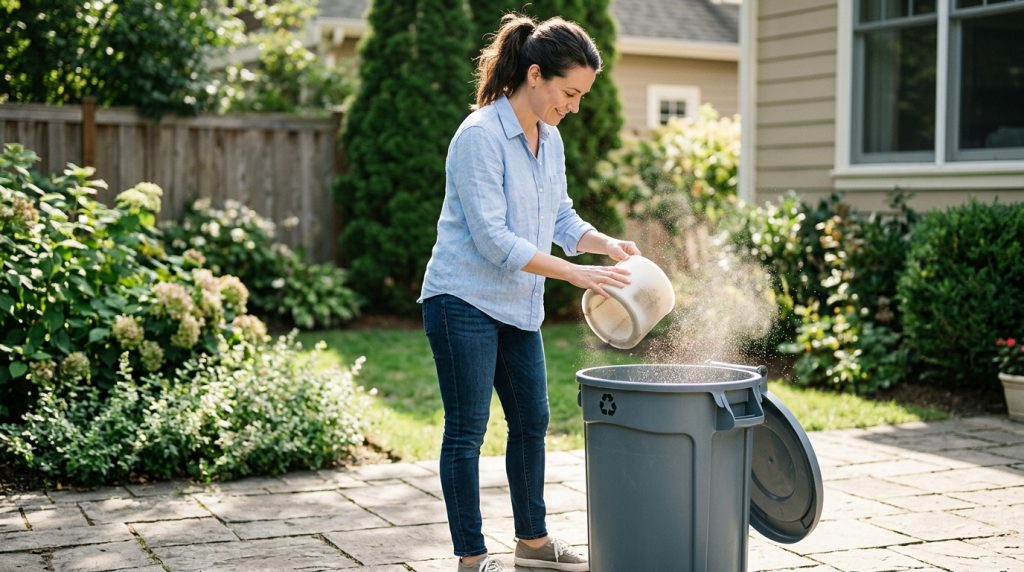
Vacuum filters trap highly concentrated dust and allergens. To avoid releasing a cloud of contaminants into your clean house, carry the dustbin and filters outside to a trash can.
3. Tap Out the Loose Dust
Gently tap the filter against the inside rim of your outdoor trash can. You will likely see a thick layer of fine dust fall away. For pleated paper filters or non-washable HEPA filters, this tapping process is often the only cleaning method you should use.
4. Rinse Washable Filters
If your filter is marked as washable (usually foam or durable synthetic mesh), run it under lukewarm tap water. Squeeze foam filters gently to release the trapped dirt. Do not use soap or harsh detergents, as these can leave a sticky residue that attracts dust later. Rinse until the water runs completely clear.
5. Dry Completely Before Reinstalling
This is the most critical step. Place the clean filter in a well-ventilated area with good airflow. Let it air dry for at least 24 to 48 hours. Never put a damp filter back into a vacuum cleaner. Moisture mixed with dust creates a breeding ground for mold, which will then be blown throughout your home the next time you vacuum.
Washable vs. Non-Washable Vacuum Filters
Understanding your filter type is crucial for effective maintenance. According to the Asthma and Allergy Foundation of America, using a vacuum with a true HEPA filter is highly recommended for allergy sufferers, but these specific filters require careful handling.
Here is a quick reference table to help you identify and maintain common vacuum filters:
| Filter Type | Washable? | Maintenance Method | Lifespan |
|---|---|---|---|
| Foam Pre-Motor | Yes (Usually) | Rinse with water, air dry 24-48 hours. | 6 to 12 months |
| Pleated Paper | No | Tap gently against trash can to dislodge dust. | 3 to 6 months |
| True HEPA | No (Usually) | Tap gently; do not wash unless labeled “Washable HEPA”. | 6 to 12 months |
| Mesh Screen | Yes | Wipe with a dry cloth or rinse with water. | Lasts the life of the vacuum |
Expert Tip:
If you rely on your vacuum daily to manage pet hair, buy a spare set of washable foam filters. This allows you to swap in a clean, dry filter immediately while the freshly washed one takes 48 hours to air dry, ensuring you are never without your vacuum!
Warning Signs It’s Time to Replace Your Filter
Even with perfect maintenance, vacuum filters do not last forever. Watch for these clear signs that cleaning is no longer enough and a replacement is needed:
- Musty Odors: If your vacuum smells like a wet dog or dirty socks when you turn it on, mold or bacteria have likely settled deep into the filter fibers.
- Loss of Suction: If the vacuum struggles to pick up basic debris even after you have washed the filter and cleared the hose, the filter pores are permanently clogged.
- Visible Damage: Any tears, fraying, or misshapen foam means the filter can no longer form a proper seal.
- Increased Allergy Symptoms: If you or your family sneeze or experience itchy eyes immediately after vacuuming, the filter is failing to trap microscopic allergens.
Common Mistakes Homeowners Should Avoid
Proper maintenance extends the life of your vacuum and protects your air. Avoid these frequent homeowner pitfalls:
- Washing a standard HEPA filter: Water destroys the delicate fiberglass weave of true HEPA filters, completely ruining their ability to trap microscopic allergens.
- Reinstalling a damp filter: This is the fastest way to grow mold inside your vacuum motor and spread hazardous spores through your home’s air.
- Using heat to dry filters: Never put a foam filter in a clothes dryer, on a radiator, or hit it with a hair dryer. High heat will warp and melt the material.
- Ignoring the exhaust filter: Many homeowners clean the primary dustbin filter but forget the post-motor exhaust filter, which is the final defense for your indoor air quality.
When to Consult an Air Quality or HVAC Professional
While keeping your vacuum clean is a great DIY step for better home hygiene, it cannot solve every indoor air quality issue. Sometimes, excessive dust in your home is a symptom of a larger, systemic problem.
You should consult a professional if you notice:
- Dust accumulates on surfaces just hours after thoroughly vacuuming and dusting.
- Your central HVAC system is blowing visible dust out of the air vents.
- Family members suffer from chronic, unexplained respiratory irritation or severe asthma flare-ups indoors.
- You detect persistent mold odors that do not originate from your vacuum or immediate surroundings.
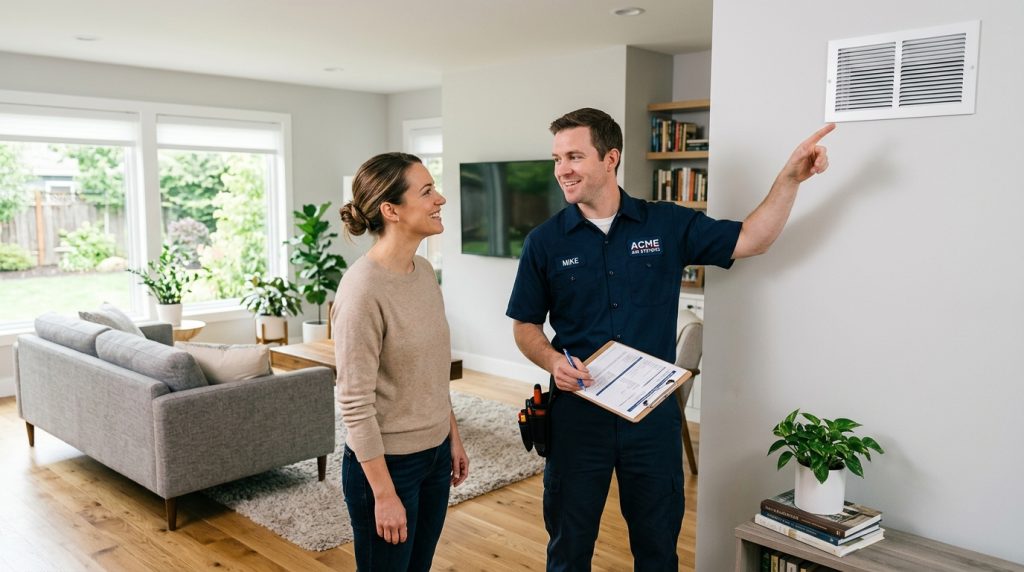
An HVAC technician or indoor air quality specialist can evaluate your home’s ductwork, test for hidden mold, and recommend whole-home filtration solutions that go beyond standard vacuuming.
FAQs
How often should I clean my vacuum filter?
For average use, you should clean your vacuum filter once a month. If you have multiple shedding pets, suffer from severe allergies, or vacuum daily, you should clean the primary foam filter every two weeks.
Can I use dish soap to clean a vacuum filter?
It is generally best to avoid soap. Soap can leave a sticky residue in the porous foam that will actually attract and hold onto dust faster. Lukewarm water and gentle squeezing are all you need.
Why does my vacuum smell bad even after I empty it?
Odors are usually trapped in the filters, not just the dustbin. If a washable filter was put back while slightly damp, mildew may have grown. Replace the smelly filter with a brand new one to eliminate the odor.
Can I wash a HEPA filter?
Unless the manufacturer explicitly labels the HEPA filter as “washable,” you must never wet it. Water damages the tightly woven fibers that give HEPA filters their high-efficiency rating. Simply tap it gently over a trash can to remove loose debris.
How long does it take for a vacuum filter to dry?
A standard foam filter takes between 24 and 48 hours to dry completely at room temperature. Ensure it is placed in a spot with good airflow to speed up the process and prevent mildew.
Does a dirty vacuum filter cause the motor to overheat?
Yes. A clogged filter restricts airflow, forcing the vacuum’s motor to work much harder to create suction. Over time, this lack of airflow can cause the motor to overheat and potentially shut off or burn out completely.
Conclusion
Knowing exactly how to clean a vacuum filter is one of the easiest, most cost-effective ways to protect your home’s indoor air quality. By taking a few minutes each month to tap out the dust, wash the reusable components, and let them dry completely, you ensure that allergens stay trapped in the machine rather than circulating back into your living space.
Always check your specific model’s manual before washing any components, and do not hesitate to replace filters that show signs of wear or persistent odors. A well-maintained vacuum is a powerful ally for a cleaner, healthier home. Take a moment today to open up your vacuum cleaner, inspect the filter, and give it the quick cleaning it deserves!