How to Maximize Carbon Filter Lifespan Air Purifier Performance

Keeping your air purifier’s carbon filter in top shape is essential for clean, fresh air. By understanding how to maximize carbon filter lifespan air purifier performance, you can save money and improve air quality. This guide covers practical tips, maintenance advice, and common mistakes to avoid for long-lasting filter efficiency.
Key Takeaways
- Understand Carbon Filter Function: Carbon filters trap odors and harmful gases, playing a crucial role in air purifier effectiveness.
- Know the Typical Lifespan: Most carbon filters last between 3 to 6 months, depending on usage and environment.
- Regular Maintenance Matters: Cleaning pre-filters and monitoring air quality helps extend carbon filter life.
- Avoid Common Mistakes: Overusing the filter or ignoring replacement schedules reduces air purifier performance.
- Choose Quality Filters: High-grade activated carbon filters perform better and last longer.
- Improve Air Quality: Minimizing indoor pollutants can reduce filter strain and increase lifespan.
- Follow Manufacturer Guidelines: Always refer to your air purifier’s manual for specific maintenance and replacement advice.
📑 Table of Contents
Introduction
If you own an air purifier with a carbon filter, you know how important it is for maintaining fresh, odor-free air. Carbon filters are particularly good at capturing gases, chemicals, and unpleasant smells that HEPA filters can’t catch. But did you know that a carbon filter’s lifespan directly impacts how well your air purifier works?
Maximizing the lifespan of your carbon filter not only saves you money on replacements but also keeps your indoor air healthier. In this article, we’ll explore everything you need to know about carbon filter lifespan air purifier performance. From understanding how carbon filters work to practical tips on extending their life, you’ll get all the info you need to get the most out of your air purifier.
What Is a Carbon Filter and How Does It Work?
The Role of Activated Carbon
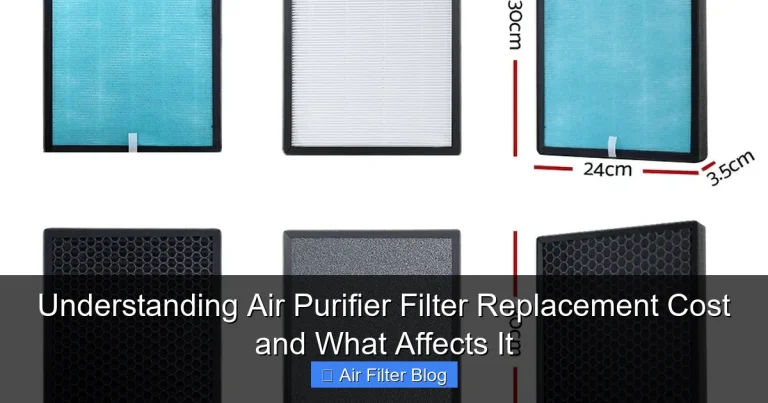
A carbon filter uses activated carbon, a form of charcoal processed to have tiny, low-volume pores that increase surface area. This porous structure traps pollutants through a process called adsorption, where gases and odors stick to the surface of the carbon particles.
What Carbon Filters Remove
Unlike HEPA filters that capture dust and allergens, carbon filters excel at removing volatile organic compounds (VOCs), smoke, pet odors, cooking smells, and chemical fumes. This makes them essential for improving indoor air quality in homes near traffic, smokers, or areas with strong cooking odors.
Understanding Carbon Filter Lifespan in Air Purifiers
Typical Lifespan Range
Most carbon filters in air purifiers have a recommended lifespan of 3 to 6 months. However, this varies depending on factors like air quality, filter size, carbon density, and how often the purifier runs. Some premium carbon filters can last up to a year but require less heavy pollution exposure.
Signs Your Carbon Filter Needs Replacement
- Persistent odors: If bad smells remain despite air purifier use, the carbon filter may be saturated.
- Reduced odor absorption: Noticeable decrease in the removal of smoke or VOCs.
- Air purifier indicator lights: Many models have replacement indicators based on usage time.
Why Lifespan Matters for Performance
Once saturated, a carbon filter can no longer trap pollutants effectively. This not only decreases air quality but can also cause the purifier to circulate stale or even harmful particles. Timely replacement ensures your purifier performs at its best.
Tips to Maximize Carbon Filter Lifespan Air Purifier Performance
1. Keep Pre-Filters Clean
Many air purifiers include a pre-filter that captures larger dust and particles before air reaches the carbon filter. Cleaning or replacing the pre-filter regularly reduces clogging, allowing the carbon filter to work more efficiently and last longer.
2. Control Indoor Pollution Sources
Minimizing indoor pollutants like smoke, chemical sprays, and cooking fumes lessens the workload on your carbon filter. Simple steps like ventilating while cooking, avoiding smoking indoors, and using low-VOC household products can improve air quality and extend filter life.
3. Use the Air Purifier Strategically
Running your air purifier only when needed, such as during high pollution times or in specific rooms, reduces filter saturation. Using lower fan speeds when possible also prolongs the filter’s lifespan.
4. Store Replacement Filters Properly
If you buy replacement carbon filters in bulk, store them in airtight bags away from humidity and contaminants. This keeps the activated carbon fresh until you need to install them.
5. Follow Manufacturer Guidelines
Each air purifier model has specific instructions for filter replacement frequency. Following these guidelines ensures optimal performance and avoids premature filter wear.
Common Mistakes That Shorten Carbon Filter Life
Ignoring Replacement Schedules
Waiting too long to replace the carbon filter can lead to trapped pollutants breaking free and reducing air quality. It can also stress your air purifier’s motor and other components.
Not Cleaning the Air Purifier Regularly
Dust and dirt buildup around the unit can hinder airflow and cause filters to clog faster. Regular cleaning keeps the system running smoothly.
Using Low-Quality Filters
Cheap or counterfeit carbon filters often contain less activated carbon and have poor adsorption capacity. Investing in high-quality filters designed for your model will improve lifespan and performance.
Operating in Extremely Polluted Environments
If your home or office has heavy smoke, chemical fumes, or construction dust, your carbon filter may saturate quickly. Consider adding additional air purification methods or increasing replacement frequency in these cases.
Practical Examples and Maintenance Tips
Example: Pet Owners
Homes with pets often have odors that carbon filters target, but pet dander can clog pre-filters quickly. Regular vacuuming and cleaning pre-filters will help your carbon filter last longer.
Example: Urban Apartments
City dwellers face pollution from traffic and nearby construction. Running the air purifier continuously may be necessary, so plan on replacing carbon filters every 3 months to maintain performance.
Simple Maintenance Routine
- Check and clean pre-filters monthly.
- Wipe down air purifier exterior and vents weekly.
- Monitor air quality and odors to gauge filter condition.
- Replace carbon filters as recommended or sooner if odors persist.
Conclusion
Maximizing your carbon filter lifespan air purifier performance is easier than you might think. By understanding how carbon filters work, following proper maintenance practices, and avoiding common pitfalls, you can enjoy cleaner air for longer while saving money on replacements. Remember, a well-maintained carbon filter is key to keeping your indoor environment fresh and healthy.
For more tips on maintaining household appliances and ensuring safety, check out our detailed articles on appliance care and safety measures. Maintaining clean air is just one step towards a healthier home environment!
🎥 Related Video: Air purifiers (everything you need to know)
📺 Healthy Holistic Homes
JOIN OUR COMMUNITY Official Website: https://whomesome.com Instagram: https://www.instagram.com/whomesome.
Frequently Asked Questions
How often should I replace my carbon filter?
Typically, carbon filters should be replaced every 3 to 6 months depending on usage and air quality. Check your air purifier’s manual for specific recommendations.
Can I clean and reuse a carbon filter?
Most carbon filters are not washable or reusable because washing reduces their effectiveness. Instead, replace them when saturated for best results.
What happens if I don’t replace the carbon filter on time?
An old carbon filter loses its ability to trap odors and harmful gases, which reduces air quality and can cause unpleasant smells to linger in your space.
Are all carbon filters the same quality?
No, filter quality varies. High-quality activated carbon filters have more adsorption capacity and last longer. Always choose filters recommended by your air purifier manufacturer.
How can I tell if my carbon filter is saturated?
If you notice persistent odors or decreased odor removal despite running your purifier, it’s a sign the carbon filter may be saturated and needs replacing.
Does running the air purifier longer reduce filter lifespan?
Yes, running your air purifier continuously can cause the carbon filter to saturate faster. Use the purifier strategically to balance air quality and filter longevity.