Carpet Cleaner Brush For Drill: Essential Tool

Transform your carpet cleaning with a drill brush attachment, turning a tedious chore into a quick, effective process that lifts stains and revitalizes your rugs.
Your carpets see a lot of action. Spills, dirt, and everyday wear can make them look dull and dingy. Hiring professional cleaners is costly, and using traditional methods can be tiring. What if there was a simpler, more powerful way to tackle carpet stains right at home? The carpet cleaner brush for drill attachment is an innovative tool that might be your new cleaning superhero. It harnesses the power of your existing drill to scrub carpets deeply, making them look fresh again.
This guide will explore everything you need to know about these drill brush attachments. We’ll cover what they are, why they’re so effective, and how to choose the right one. You’ll learn about different brush types and materials. We’ll also discuss the best ways to use them for various carpet issues. Get ready to discover how this simple tool can revolutionize your home cleaning routine.
What is a Carpet Cleaner Brush for Drill?
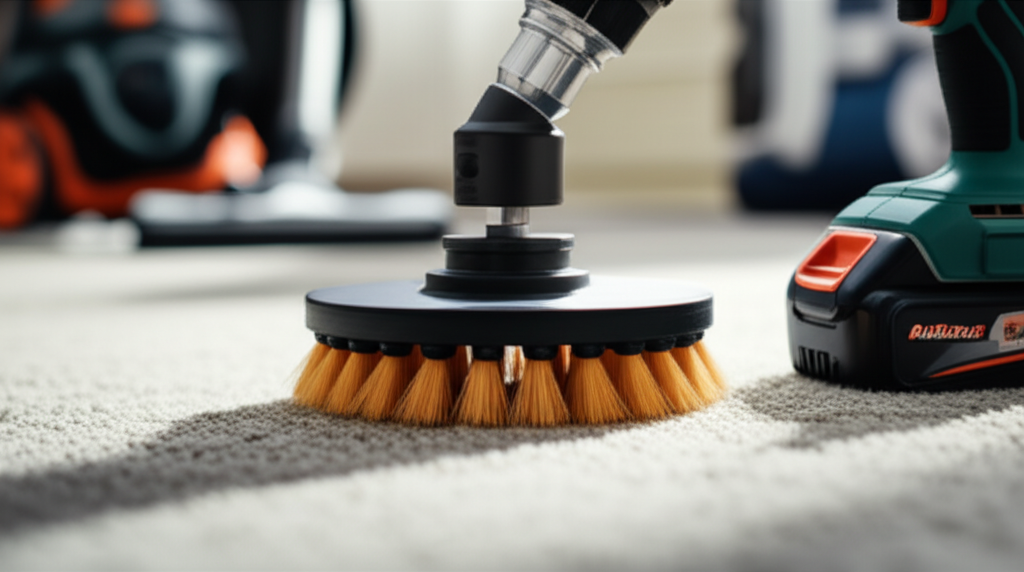
A carpet cleaner brush for drill is an accessory that attaches to your cordless power drill. It’s designed to spin at high speeds. This spinning action mimics a powerful scrubbing motion. The brush bristles work deep into carpet fibers. They loosen dirt, grime, and stains much more effectively than manual scrubbing. This tool turns your drill into a portable carpet cleaning machine.
This attachment is a game-changer for deep cleaning. It significantly reduces the physical effort required. It also speeds up the cleaning process. You can achieve professional-level results without buying expensive specialized equipment.
Why Use a Drill Brush for Carpet Cleaning?
Using a drill brush for carpet cleaning offers several compelling advantages. It’s an efficient and powerful solution for tough stains and general carpet refresh. Traditional carpet cleaning methods often involve a lot of elbow grease. They can also be time-consuming and physically demanding.
The spinning action of the drill brush can agitate carpet fibers more vigorously. This helps lift embedded dirt and stains that hand scrubbing might miss. It can restore the pile of your carpet, making it look newer. This makes it a cost-effective alternative to professional cleaning services.
Efficiency and Time Savings
The primary benefit is the sheer efficiency. A drill brush can clean a carpeted area in a fraction of the time. It requires less physical exertion than manual scrubbing. Your drill’s power does most of the hard work. This means you can clean larger areas faster. You’ll spend less time on your hands and knees.
Deeper Clean and Stain Removal
Drill brushes excel at deep cleaning. They can reach down into the carpet pile. This dislodges dirt and grime that regular vacuuming can’t remove. For stubborn stains, the vigorous scrubbing action is highly effective. It helps break down and lift even set-in spots.
Cost-Effectiveness
Compared to renting or buying dedicated carpet cleaning machines, a drill brush attachment is very affordable. You already own the power source, your drill. This makes it a budget-friendly option for maintaining clean carpets. It’s a smart investment for any homeowner.
Types of Carpet Cleaner Brush Attachments
Carpet cleaner brush attachments come in various forms. They differ in bristle stiffness, shape, and material. The type you choose depends on your carpet’s material and the cleaning task. Understanding these variations helps you select the best tool for your needs.
Most attachments are designed to fit standard drills. They typically have a universal shank. Some are round, while others are more specialized shapes. The bristles are the most critical component. They determine how effectively the brush cleans and its potential to damage carpet fibers.
Bristle Stiffness and Material
Bristles can be soft, medium, or stiff. Soft bristles are good for delicate carpets or general cleaning. Medium bristles offer a good balance for most carpet types and moderate stains. Stiff bristles are best for very tough, ground-in dirt on durable carpets. However, stiff bristles can damage delicate fibers if used improperly.
Common bristle materials include nylon and polypropylene. Nylon is durable and resistant to chemicals. Polypropylene is also a good option, often more affordable. Some premium brushes might use natural fibers or specialized synthetic blends.
Brush Shapes and Sizes
Attachments come in various shapes. Round brushes are common and versatile. Others might be conical or disc-shaped. Conical brushes can be useful for corners and edges. Larger diameter brushes cover more surface area quickly. Smaller ones offer more control for spot cleaning.
The size and shape influence how well the brush conforms to the carpet surface. A good brush will have bristles that bend and flex. This allows it to get deep into the carpet pile. It also helps prevent excessive pressure on any single spot.
How to Use a Carpet Cleaner Brush for Drill Effectively
Using a carpet cleaner brush for drill correctly ensures optimal results and prevents damage. It’s a straightforward process, but a few steps make a big difference. Always start with a small, inconspicuous area to test. This is especially important if you’re unsure about your carpet’s material or the brush’s stiffness.
Before you begin, ensure your drill is set to the correct speed and direction. Most applications require a slower speed and the drill to spin clockwise. This helps the brush scrub effectively without fraying carpet fibers. Always wear safety glasses, as debris can fly.
Step-by-Step Cleaning Process
1. Prepare the Area: Vacuum your carpet thoroughly. This removes loose dirt and debris. It allows the brush to work on embedded grime.
2. Choose Your Cleaning Solution: Select a carpet cleaning solution suitable for your carpet type. You can use a commercial carpet cleaner or a DIY solution like diluted vinegar or baking soda.
3. Apply the Solution: Lightly spray the cleaning solution onto the stained or dirty area. Do not oversaturate the carpet.
4. Attach the Brush: Securely attach the chosen brush head to your drill. Ensure it’s firmly in place.
5. Scrub the Area: Set your drill to a low to medium speed. Hold the drill at a slight angle over the carpet. Gently move the spinning brush over the soiled area in a back-and-forth or circular motion.
6. Rinse (If Necessary): Some cleaning solutions require rinsing. Lightly mist the area with clean water.
7. Blot and Dry: Use a clean, dry towel to blot up excess moisture. Allow the carpet to air dry completely. You can use a fan to speed up drying.
8. Final Vacuum: Once dry, vacuum the area again to lift the carpet pile. This restores its texture.
Tips for Different Carpet Types
For synthetic carpets (like nylon or polyester), you can generally use medium to stiff bristles. These carpets are durable and can withstand more vigorous scrubbing. Be cautious with very stiff bristles on newer, plusher synthetics.
For natural fiber carpets (like wool), use only soft to medium bristles. Wool is more delicate. Stiff brushes can damage the fibers and cause fuzzing. Always test in a hidden spot first. Use minimal pressure and avoid over-wetting.
For low-pile carpets, a firmer brush can be effective. It can agitate the dense fibers well. For high-pile or shag carpets, a softer, more flexible brush is better. It can get down into the deeper fibers without matting them.
Best Cleaning Solutions to Pair with Your Drill Brush
The effectiveness of your drill brush cleaning is enhanced by the right cleaning solution. Choosing the correct solution is crucial for stain removal and for protecting your carpet fibers. Always check the label of your carpet and cleaning solution for compatibility.
You can use commercial carpet cleaning solutions. Many are formulated for use with carpet cleaning machines, but work well with drill brushes too. Alternatively, many household items can create effective DIY cleaning agents. Always dilute them properly.
Commercial Carpet Cleaners
Many brands offer carpet cleaning solutions. Look for ones specifically designed for spot cleaning or general carpet shampooing. Enzyme cleaners are excellent for organic stains like pet accidents. Oxygen-based cleaners are good for general brightening and stain removal.
When using commercial cleaners, follow the manufacturer’s instructions carefully. Ensure the product is safe for your carpet type. Some cleaners may require rinsing, while others are no-rinse formulas.
DIY Cleaning Solutions
Vinegar Solution: Mix equal parts white vinegar and water. This is great for neutralizing odors and lifting many types of stains. It’s also effective on pet stains.
Baking Soda Paste: Mix baking soda with a little water to form a paste. Apply it to stains, let it dry, then brush and vacuum. Baking soda absorbs odors and helps lift stains.
Dish Soap Solution: A few drops of mild dish soap in a cup of water can tackle greasy stains. Use sparingly, as too much soap can leave residue.
Always test any cleaning solution in an inconspicuous area first. This ensures it doesn’t cause discoloration or damage to your carpet.
Common Carpet Issues and How the Drill Brush Helps
Carpet cleaner brushes for drill are incredibly versatile. They can tackle a wide range of common carpet problems. From everyday dirt to stubborn spills, this tool offers a powerful solution. It often outperforms manual methods for deep-seated issues.
Consider the common frustrations homeowners face with carpets. Spilled drinks, muddy footprints, pet accidents, and general wear and tear. These can all leave carpets looking less than ideal. The drill brush attachment provides a focused, powerful way to address these specific challenges.
Tackling Pet Stains and Odors
Pet stains are notoriously difficult. They often leave behind not just visible marks but also lingering odors. The drill brush, when used with an appropriate enzyme cleaner, can break down the organic matter causing these issues. The vigorous scrubbing helps lift the stain from deep within the fibers. Thoroughly blotting and drying, followed by a final vacuum, helps remove residual moisture and odor.
Removing Mud and Grime
Muddy footprints are a common problem, especially after rain or in homes with pets or children. The drill brush can effectively break up dried mud. It loosens the dirt particles embedded in the carpet pile. Pairing it with a good carpet cleaner solution helps lift the grime.
Lifting Spilled Food and Drink Stains
Accidental spills of coffee, wine, or food can create unsightly stains. The spinning action of the brush can help lift these stains before they set. For tougher stains, pre-treating with a suitable cleaner is recommended. The brush then provides the necessary agitation to remove the remaining residue.
Factors to Consider When Buying a Drill Brush Attachment
When looking to purchase a carpet cleaner brush for drill, several factors are important. These will ensure you get a product that is effective and suitable for your needs. Consider the materials, brush stiffness, and attachment mechanism. The reputation of the brand and user reviews are also valuable.
The goal is to find an attachment that offers good performance without damaging your carpets. It should also be durable and easy to use with your existing drill. A well-chosen attachment will make your carpet cleaning tasks significantly easier and more effective.
Durability and Build Quality
Look for brushes made from high-quality materials. The bristles should be securely attached to the base. The shank that fits into the drill should be sturdy and not prone to bending or breaking. A well-built attachment will last longer and withstand repeated use.
Compatibility with Your Drill
Most drill brush attachments have a universal ¼-inch hex shank. This fits most cordless drills. However, it’s always wise to check the specifications. Ensure the shank size and type are compatible with your drill model.
Bristle Type and Stiffness Suitability
As discussed earlier, the bristles are key. Match the bristle stiffness and material to your carpet type and typical cleaning needs. If you have multiple carpet types or concerns, consider a set with interchangeable brush heads. This offers greater versatility.
Brand Reputation and Reviews
Research different brands and read customer reviews. Look for products that consistently receive positive feedback for performance, durability, and ease of use. Reviews often highlight specific strengths or weaknesses. They can offer real-world insights into how the product performs.
Safety Precautions for Using Drill Brushes
While drill brushes are powerful cleaning tools, safety should always be a priority. Power tools, even when used for cleaning, require care. Following simple safety guidelines will ensure a positive and accident-free cleaning experience.
Always read the instructions that come with your drill brush attachment. Understand your drill’s functions and settings. Proper usage prevents damage to your carpets and ensures your personal safety.
Personal Protective Equipment (PPE)
Safety Glasses: Always wear safety glasses. Spinning brushes can fling debris, cleaning solution, or small particles. Eye protection is essential.
Gloves: Consider wearing gloves. This protects your hands from cleaning solutions and provides a better grip on the drill.
Drill Settings and Usage
Speed Control: Use a low to medium speed setting on your drill. High speeds can sometimes be too aggressive for carpet fibers. They can also cause the brush to spin out of control.
Direction: Ensure your drill is set to rotate clockwise when scrubbing. This helps the brush work effectively into the carpet pile.
Pressure: Apply gentle, consistent pressure. Do not force the brush into the carpet. Let the drill’s speed and the brush bristles do the work.
Avoid Over-Wetting: Use cleaning solutions sparingly. Excess moisture can damage carpet backing and lead to mold or mildew.
Test Area: Always test on an inconspicuous area first. This is crucial for both the brush and the cleaning solution.
Storage and Maintenance
Clean the brush attachment after each use. Remove any embedded debris. Store it in a dry place. This keeps it in good condition for future use.
Comparing Drill Brushes to Traditional Carpet Cleaners
When considering how to clean your carpets, you have several options. Traditional methods like manual scrubbing or using a rented carpet cleaning machine are common. However, the carpet cleaner brush for drill offers a distinct set of advantages and disadvantages. Understanding these differences helps you make an informed choice.
The drill brush is a more accessible and often more powerful tool for many tasks. However, it doesn’t replace all types of carpet cleaning equipment. Its effectiveness is often tied to the user’s technique and the specific cleaning solution used.
Drill Brush vs. Manual Scrubbing
Manual scrubbing requires significant physical effort and time. It’s often less effective at removing deep-seated dirt. A drill brush automates the scrubbing motion, requiring far less effort and achieving better results in less time. It’s a clear upgrade in efficiency and effectiveness for most carpet cleaning scenarios.
Drill Brush vs. Rented Carpet Cleaners
Rented carpet cleaning machines (like steam cleaners or extractors) are designed for large-area deep cleaning. They use water and suction to deep clean and extract moisture. A drill brush is more for targeted stain removal and general refreshing of smaller areas or moderate soiling. It’s not typically used for a whole-house deep clean in the same way. However, for spot cleaning and tackling tough stains, a drill brush is often more convenient and less expensive than renting a machine.
Drill Brush vs. Vacuum Cleaners
Vacuum cleaners are essential for daily maintenance. They remove surface debris and loose dirt. They cannot, however, effectively remove set-in stains or deeply embedded grime. A drill brush complements vacuuming by providing the necessary agitation for deep cleaning and stain removal. They serve different but equally important roles in carpet care.
Frequently Asked Questions (FAQ)
Can I use a carpet cleaner brush for drill on all types of carpets?
It’s best to use them on synthetic carpets and durable natural fibers. Always use soft bristles and minimal pressure on delicate carpets like wool or silk. Test in a hidden area first.
How fast should I set my drill when using a carpet brush?
Start with a low to medium speed setting on your drill. High speeds can be too aggressive and may damage carpet fibers or cause excessive splashing.
Do I need a special cleaning solution for drill brushes?
You can use most commercial carpet cleaning solutions or DIY mixtures. Ensure the solution is safe for your carpet type. Always follow the product instructions.
Will a drill brush damage my carpet?
If used incorrectly, with stiff bristles on delicate carpets, or too much pressure, it can cause damage. Always start with gentle pressure and a softer brush if unsure. Test in an inconspicuous area.
How do I clean the drill brush attachment itself?
After use, rinse the brush thoroughly with water to remove dirt and cleaning solution. Allow it to air dry completely before storing.
Can a drill brush remove old, set-in stains?
It can be very effective on old stains, especially when paired with a strong cleaning solution. Pre-treating the stain and allowing the solution to penetrate can improve results. Patience and repeated applications may be necessary for very old stains.
What is the difference between nylon and polypropylene bristles?
Nylon bristles are generally more durable and resilient. Polypropylene bristles are often more affordable and also effective for cleaning. Both are suitable for carpet cleaning.
Conclusion: Your New Go-To for Spotless Carpets
The carpet cleaner brush for drill attachment is a surprisingly powerful and versatile tool. It transforms a dreaded chore into a manageable task. For homeowners seeking an effective, affordable, and efficient way to combat carpet stains and refresh their floors, this gadget is a must-have. It offers a level of deep cleaning and stain-lifting power that manual methods simply cannot match.
By understanding the different brush types, using appropriate cleaning solutions, and adhering to safety guidelines, you can achieve remarkable results. Say goodbye to stubborn spots and dingy carpets. Embrace the ease and effectiveness of your drill-powered cleaning solution. It’s time to give your carpets the deep clean they deserve, all from the comfort of your home.
For more tips on maintaining a spotless home with the latest cleaning appliances and gadgets, explore HomeHygia.