

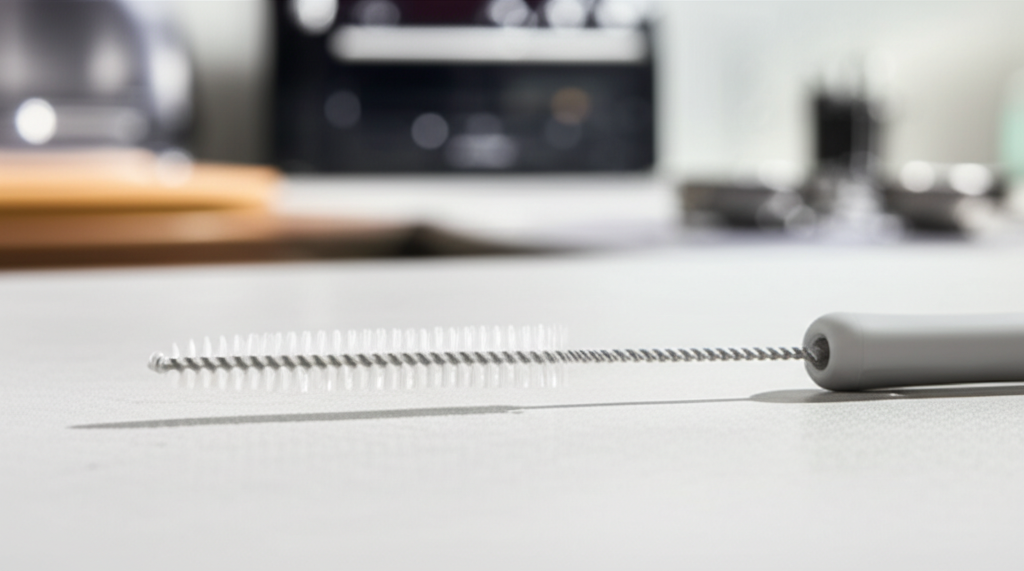
A brush for cleaning straws is a small, yet vital tool for ensuring the hygiene of reusable drinking straws. It efficiently removes residue, preventing clogs and maintaining the fresh taste of your beverages.
Reusable straws are fantastic for the environment. They help cut down on single-use plastic waste. But, they can be tricky to clean properly. Leftover bits of smoothie or soda can get stuck inside. This is where a special brush comes in handy. A good straw cleaning brush is a simple tool. It makes keeping your reusable straws sparkling clean very easy.
Why You Need a Dedicated Brush for Your Straws
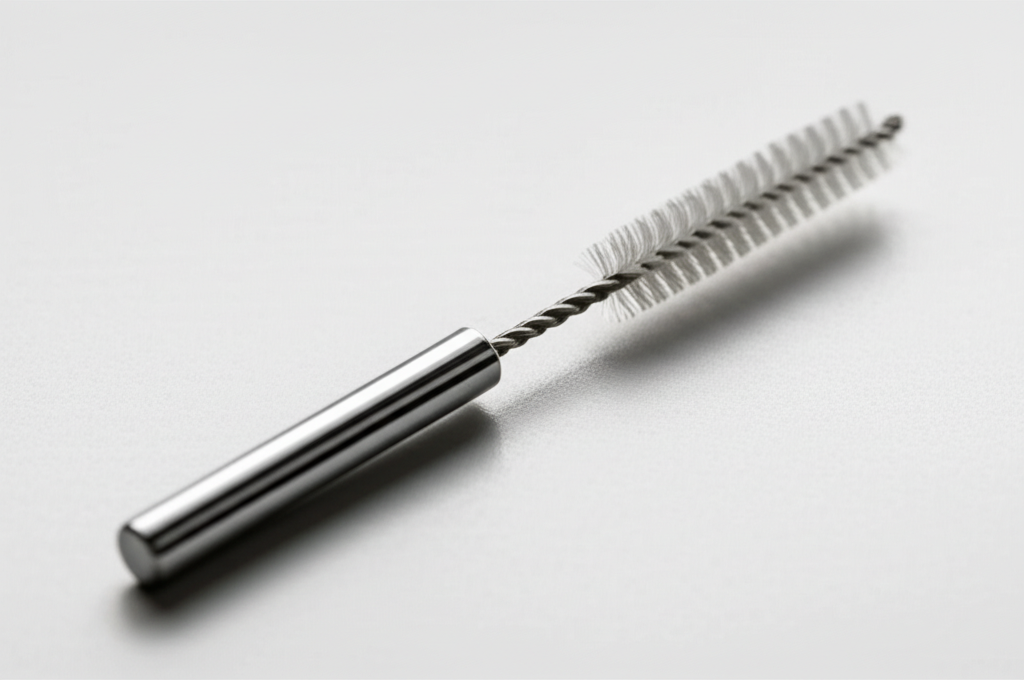
Think about how often you use your reusable straws. You sip from them all day. Sometimes, thicker drinks like milkshakes or thick juices go through them. Residue can cling to the inside walls. If you don’t clean them well, this residue can build up. It might even start to smell bad. A dedicated brush is designed to reach every nook and cranny inside. It’s much better than trying to rinse them under the tap alone.
The core problem is the narrow diameter of most straws. Regular cleaning tools just can’t get inside effectively. This leads to frustration and sometimes, the abandonment of otherwise useful reusable straws. Many people end up tossing their reusable straws because they are hard to clean. This defeats the purpose of using them in the first place.
The Anatomy of a Perfect Straw Cleaning Brush
A great straw cleaning brush usually has a few key features. The handle is often long and thin. This helps it slide easily into the straw. The bristles are typically soft but firm. They need to be strong enough to scrub away residue. But they shouldn’t be so stiff that they scratch the straw’s interior. Many brushes have a slightly bulbous tip. This ensures it can clean the very end of the straw too.
Materials matter. Stainless steel wire is common for the handle. It’s durable and easy to bend into different shapes. Nylon or natural fibers are often used for the bristles. These materials are safe for food contact. They also hold up well to repeated washing. Some brushes even come in sets with different sizes. This is useful if you have straws of various diameters.
How a Straw Brush Tackles Stubborn Residue
Imagine a thick smoothie leaving a sticky film. A simple rinse might not get it all. The brush’s bristles act like tiny scrubbers. They work their way along the straw’s inner surface. The flexible handle allows the brush to bend and follow the straw’s shape. This dislodges any dried-on bits. The bristles then push this debris out.
The effectiveness comes from the combination of bristle action and the brush’s length. It’s like having a miniature mop for the inside of your straw. For really tough spots, a little dish soap can help. You can then scrub and rinse thoroughly. This ensures no food particles are left behind. It’s a simple but effective cleaning method.
Different Types of Straw Cleaning Brushes
You’ll find a few main types of straw cleaning brushes. The most common is the simple, straight wire brush. It’s like a mini bottle brush. Then there are brushes with slightly angled tips. These can be helpful for reaching tricky bends. Some brushes are made from silicone. These are very gentle and easy to clean themselves.
There are also brushes designed for specific straw types. For instance, wide smoothie straws might need a thicker brush. Metal straws can sometimes have a more delicate interior. Silicone brushes are a good choice for these. You can also find multi-piece brushes. These can be assembled to reach longer straws. Choosing the right one depends on your straw collection.
Beyond Straws: Other Uses for Your Cleaning Brush
While made for straws, these brushes are surprisingly versatile. Their thin, flexible design makes them perfect for other small, hard-to-reach places. Think about the tiny crevices in kitchen gadgets. You can use them to clean the spout of a watering can. They are great for cleaning the inside of small appliance parts.
Consider the nozzles of spray bottles. Or the tiny holes in a salt shaker. Even the parts of a coffee maker that are hard to reach can benefit. They can also clean the intricate designs on jewelry. Or the tiny openings in electronic devices. It’s a multi-purpose cleaning tool hiding in plain sight.
Choosing the Best Brush for Your Needs
When picking a straw cleaning brush, consider your straws first. What material are they made of? Metal, glass, silicone, or bamboo? For delicate straws, opt for softer bristles, like nylon or silicone. If you have very wide straws, look for a brush with a larger diameter.
Think about the length you need. Most standard reusable straws are around 8-10 inches. If you have longer ones, you’ll need a longer brush. Many sets come with multiple brushes. This is a good option if you have various straw sizes. Reading reviews can also help. See what other users say about durability and effectiveness.
How to Properly Clean and Maintain Your Straw Brush
To keep your straw brush working well, clean it after each use. Rinse it thoroughly with hot water. You can also use a little dish soap. Gently squeeze the bristles to remove any trapped debris. Let the brush air dry completely. Hanging it by the handle can help it dry faster.
Avoid leaving the brush wet in a closed container. This can lead to mildew. Periodically, you can sanitize the brush. A quick soak in boiling water or a dishwasher cycle (if it’s dishwasher safe) works well. Replacing the brush every few months is a good idea. Bristles can wear out over time, reducing their cleaning power.
Comparing Straw Brushes: A Quick Look
Here’s a simple comparison of common straw brush types:
| Brush Type | Bristle Material | Handle Material | Best For | Considerations |
|—|—|—|—|—|
| Standard Wire Brush | Nylon | Stainless Steel | Most common straws | Can be too stiff for delicate straws |
| Silicone Brush | Silicone | Stainless Steel/Plastic | Glass, metal, silicone straws | Very gentle, easy to clean |
| Angled Tip Brush | Nylon | Stainless Steel | Straws with bends | Can offer better reach |
| Multi-Size Set | Nylon | Stainless Steel/Plastic | Various straw diameters | Good value, versatile |
This table shows that different brushes suit different needs. Your choice should align with the types of straws you own.
The Environmental Impact: Reusable Straws and Their Care
Using reusable straws is a great step towards reducing plastic waste. According to the UN Environment Programme, around 11 million metric tons of plastic waste enter the ocean each year. Reusable alternatives help combat this. However, the true environmental benefit comes from using them consistently. Proper cleaning ensures they last longer. This means you buy fewer replacements.
A small straw brush is an investment in sustainability. It makes using reusable straws practical and enjoyable. It removes the hassle and ensures hygiene. This encourages more people to switch from single-use plastics. It’s a small tool with a significant positive impact.
Frequently Asked Questions About Straw Cleaning Brushes
Q1: How often should I clean my reusable straws with a brush?
It’s best to clean them after every use. This prevents residue from drying and becoming hard to remove.
Q2: Can I put my straw cleaning brush in the dishwasher?
Many straw brushes are dishwasher safe, especially those with nylon bristles and stainless steel handles. Always check the product packaging or manufacturer’s instructions.
Q3: What if my straw is too wide for a standard brush?
Look for brushes specifically designed for wider straws, like those for smoothie or boba straws. Some sets include larger diameter brushes.
Q4: My brush bristles are starting to fray. When should I replace it?
If the bristles are bent, frayed, or falling out, it’s time for a new brush. Worn bristles won’t clean effectively. This usually happens after several months of regular use.
Q5: Can I use a pipe cleaner instead of a straw brush?
While a pipe cleaner might work in a pinch, it’s not ideal. Pipe cleaners can be rough and may scratch the inside of your straws. Dedicated straw brushes have softer, more appropriate bristles.
Q6: How do I clean my brush if I don’t have dish soap?
You can rinse it thoroughly with hot water. If available, a mild detergent or even rubbing alcohol can help sanitize it in a pinch. Ensure you rinse it very well afterward.
Conclusion: The Indispensable Role of a Straw Cleaning Brush
A brush for cleaning straws might seem like a small thing. But it’s a genuinely genius essential tool for anyone using reusable straws. It solves the common frustration of cleaning narrow tubes. This simple gadget ensures your straws remain hygienic and pleasant to use. It supports your eco-friendly habits by making them practical. Investing in a good straw cleaning brush is an easy way to enhance your daily routine. It also contributes to a cleaner planet. Make sure you have one to keep your sips fresh and your conscience clear.
