
Brush For Cleaning Screens: Essential For Education

A brush for cleaning screens is vital for keeping educational devices clear and functional, ensuring students can learn without distractions from smudges or dust. This guide explores why and how to choose the right one.
In classrooms and homes, screens are everywhere. From tablets and laptops to interactive whiteboards, these surfaces get touched a lot. This leads to smudges, fingerprints, and dust. These can make it hard to see and can even spread germs. A good brush for cleaning screens is a simple but essential tool. It helps keep these devices looking good and working well. We’ll look at why these brushes are so important, especially in educational settings. You’ll learn how to pick the best one for your needs.
Why a Brush for Cleaning Screens Matters in Education
A brush for cleaning screens is more than just a cleaning tool. It’s a hygiene aid and a learning enhancer. Dirty screens can be a barrier to learning. They distract students and can be unhygienic. A dedicated screen brush tackles these issues directly.
Enhancing Visibility and Learning
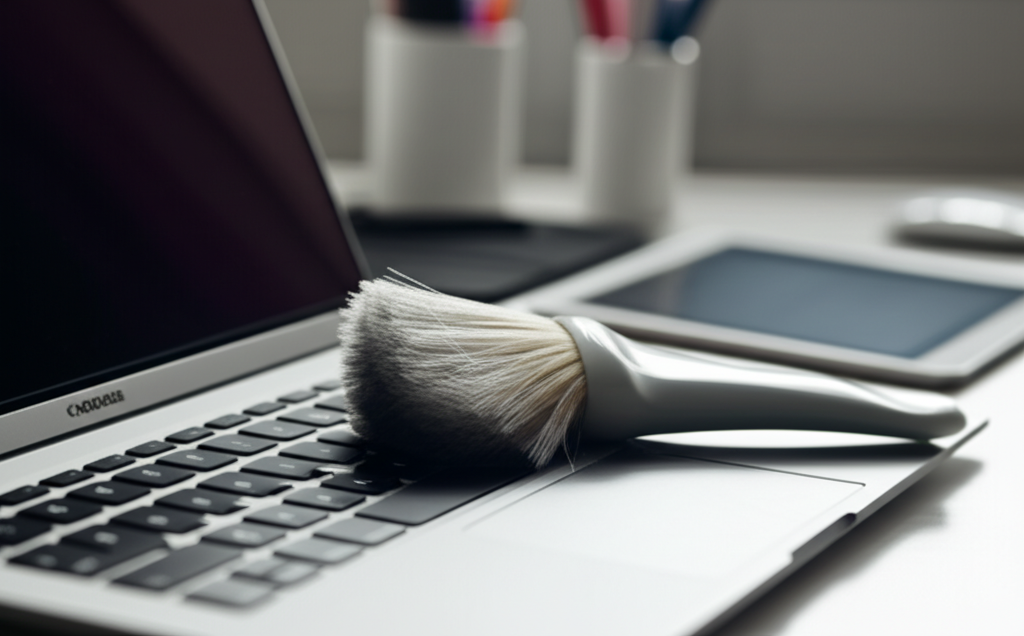
Clear screens mean clearer lessons. When a student’s tablet screen is smudged, it’s hard to see the content. This can slow down reading and comprehension. Interactive whiteboards with fingerprints make touch controls less responsive. A clean screen allows for better engagement with educational material. This helps students focus on what they are learning, not on the dirt.
Promoting Better Hygiene in Shared Spaces
Schools often share devices among students. This makes hygiene a big concern. Germs can spread easily from one user to another. A brush designed for screens can help remove not just dirt but also potentially harmful microbes. Regular cleaning with the right tools contributes to a healthier learning environment. This is especially true for devices used by many hands throughout the day.
Protecting Delicate Screen Surfaces
Many modern screens are sensitive. They can be scratched by harsh materials or damaged by strong chemicals. A specialized brush for cleaning screens is designed to be gentle. It effectively removes dust and grime without leaving marks or causing damage. This helps prolong the life of expensive educational equipment. Protecting these devices ensures they remain functional for longer periods.
Types of Brushes for Cleaning Screens
Not all brushes are created equal when it comes to cleaning screens. The best options are soft, non-abrasive, and designed to pick up fine particles.
Microfiber Brushes
Microfiber is a popular material for screen cleaning. It’s made of very fine synthetic fibers. These fibers are excellent at trapping dust and absorbing oils. Many screen cleaning brushes have microfiber bristles or pads. They are gentle on screens and very effective at removing smudges.
Anti-static Brushes
Static electricity can attract dust to screens. An anti-static brush helps prevent this. It neutralizes the static charge as it cleans. This makes it harder for dust to cling to the screen afterward. These brushes are particularly useful in dry environments. They keep screens cleaner for longer.
Dual-Action Cleaning Tools
Some tools combine different cleaning methods. You might find a brush on one end and a microfiber cloth on the other. This allows you to loosen dust with the brush and then wipe away smudges with the cloth. These multi-functional tools offer convenience. They can be a good choice for a variety of screen cleaning tasks.
Key Features to Look For in a Screen Cleaning Brush
When choosing a brush for cleaning screens, consider these important features. They will help you find a tool that is effective and safe.
Bristle Softness and Density
The bristles should be very soft. They should feel smooth to the touch. Dense bristles are better at trapping dust. They also provide a larger cleaning surface. Avoid brushes with stiff or coarse bristles. These can scratch your screen.
Material Quality and Durability
Look for brushes made from high-quality materials. The handle should be comfortable to hold and durable. The bristles should be securely attached. A well-made brush will last longer. It will also perform better over time. Cheaply made brushes can shed bristles. These can get stuck on your screen.
Portability and Size
Consider where you will use the brush. For a classroom, a larger brush might be good for whiteboards. For individual student devices, a smaller, more portable brush is ideal. Many screen cleaning brushes are compact. They can easily fit into a pencil case or desk organizer.
Ease of Maintenance
Some brushes can be cleaned easily. You can often wash microfiber brushes with mild soap and water. Ensure the brush dries completely before use. A brush that is easy to maintain will be more pleasant to use regularly.
How to Use a Brush for Cleaning Screens Effectively
Using the right technique ensures your screens get clean without damage. It’s a simple process that yields great results.
Step 1: Assess the Screen’s Condition
First, look at the screen. Is it just dusty? Or are there greasy smudges? For light dust, a gentle brush might be enough. For tougher smudges, you might need a slightly damp cloth afterward.
Step 2: Gently Brush Away Loose Debris
Hold the brush lightly. Use gentle, sweeping motions across the screen. Start from the top and work your way down. This helps prevent dust from being pushed into other areas. Brush in one direction to collect the dust effectively.
Step 3: Address Stubborn Smudges (Optional)
If dust is gone but smudges remain, you can use a cleaning solution. Spray a small amount onto a microfiber cloth, not directly onto the screen. Then, gently wipe the smudged areas. Avoid using too much liquid. Excessive moisture can damage electronics.
Step 4: Final Wipe Down (If Needed)
After cleaning, give the screen a final wipe with a dry, clean microfiber cloth. This removes any residual moisture or loosened dirt. It leaves the screen streak-free and clear.
Best Use Cases for Screen Cleaning Brushes in Educational Settings
A brush for cleaning screens has many practical applications in schools and for home learning. Its versatility makes it a valuable tool.
Individual Student Devices
Students use tablets and laptops for lessons. These devices get smudged by fingers. A small, portable screen cleaning brush is perfect for students to use. It helps them keep their learning tools clean and ready. This promotes personal responsibility for device care.
Interactive Whiteboards and Displays
Classroom whiteboards and large displays are touched by many. They can accumulate dust and grime quickly. A larger, soft-bristled brush can efficiently clean these surfaces. This ensures teachers and students have a clear view during lessons. It also maintains the responsiveness of touch features.
Computer Labs and Shared Workstations
In computer labs, many students use the same computers. Keeping keyboards and screens clean is important. A brush can help dust off keyboards. It can also be used for quick screen touch-ups between users. This contributes to a more hygienic shared environment.
Comparing Screen Cleaning Brushes to Other Methods
There are other ways to clean screens, but a brush offers unique advantages. Understanding these differences helps in making the best choice.
Brushes vs. Compressed Air Cans
Compressed air is good for blowing dust out of tight spaces. However, it can sometimes spread dust around. It doesn’t remove smudges or oily fingerprints. A brush physically lifts dust particles. It also allows for targeted cleaning of smudges.
Brushes vs. Dry Cloths
A dry microfiber cloth is excellent for wiping away smudges. But it might not capture fine dust as effectively as a brush. Dust can sometimes be pushed around by a cloth. A brush can loosen and lift this dust before wiping.
Brushes vs. Cleaning Sprays
Cleaning sprays can be very effective. However, they often contain chemicals. Some can damage screen coatings. You must also be careful not to use too much liquid. A brush offers a chemical-free cleaning option. It is always safe for screen surfaces.
Maintaining Your Screen Cleaning Brush
To ensure your brush for cleaning screens works well for a long time, proper maintenance is key. This keeps it effective and hygienic.
Regular Cleaning of the Brush
After each use, gently tap the brush to dislodge any collected dust. For deeper cleaning, wash the bristles with mild soap and cool water. Gently rub the bristles together. Rinse thoroughly until all soap is gone.
Drying and Storage
Never put a wet brush away. Let it air dry completely. Place it bristle-side up. Avoid storing it in humid places. A dry, clean storage space protects the bristles. It also prevents mildew or bacterial growth.
Inspecting for Damage
Periodically check the brush for any signs of wear. Look for loose bristles or a damaged handle. If the bristles are bent or matted, it may be time to replace the brush. A damaged brush won’t clean effectively and could harm your screen.
Choosing the Right Brush for Your Educational Needs
The best brush for cleaning screens depends on what you need to clean. Consider the devices and the environment.
For Individual Tablets and Laptops
A small, portable brush with soft microfiber bristles is ideal. Look for one with a cap or protective cover. This keeps it clean when stored in a backpack or desk. Anti-static properties are a bonus.
For Classroom Whiteboards and Large Displays
A larger brush with a comfortable handle is best. The bristles should be very soft. They need to cover a wide area efficiently. A brush designed for delicate surfaces is recommended.
For General Use and Multiple Devices
A versatile, dual-action tool can be very useful. It offers flexibility for different cleaning tasks. A brush on one end and a microfiber cloth on the other provides a complete cleaning solution.
Frequently Asked Questions about Screen Cleaning Brushes
Here are answers to common questions about using brushes to clean screens.
Can a brush scratch my screen?
No, if you use a brush specifically designed for cleaning screens. These brushes have very soft, non-abrasive bristles. They are made from materials like microfiber. Always use gentle strokes to avoid any risk.
How often should I clean my screens?
It’s best to clean screens regularly, especially if they are shared. For individual devices, cleaning them once a week is a good habit. If you notice smudges or dust, clean them as needed.
Can I use a makeup brush to clean my screen?
Some very soft, clean makeup brushes might work. However, dedicated screen cleaning brushes are usually better. They are designed to trap dust and avoid static. Makeup brushes might shed bristles or not be dense enough.
What’s the difference between a screen brush and a keyboard brush?
Keyboard brushes are often stiffer. They are designed to get into the nooks and crannies of keys. Screen brushes have much softer bristles. They are made to be gentle on delicate screen surfaces.
Do I need a special cleaner with the brush?
For light dust, a brush alone is usually sufficient. For greasy smudges, you might use a screen-safe cleaning solution. Always apply the cleaner to a cloth, never directly to the screen. Then, wipe gently with the cloth.
Conclusion: A Small Tool for Big Impact in Learning
A brush for cleaning screens is a simple, affordable tool. Yet, its impact on education is significant. It ensures clear visibility for learning. It promotes better hygiene in shared spaces. It also helps protect valuable electronic devices. By choosing the right brush and using it properly, you contribute to a more effective and healthier learning environment. Investing in a good screen cleaning brush is a small step with big benefits for students and educators alike.
Consider adding a good quality screen cleaning brush to your classroom supplies or home study kit today.
