Bissell Vacuum Cleaner Filter Replacement: Essential Guide

Regularly replacing your Bissell vacuum cleaner filter is crucial for maintaining strong suction and ensuring your home stays truly clean. This guide covers when, why, and how to perform Bissell vacuum cleaner filter replacement to keep your machine running like new.
Your Bissell vacuum cleaner is a powerful ally in the fight against dust and dirt. But like any hardworking tool, it needs a little care to keep performing at its best. One of the most important, yet often overlooked, maintenance tasks is replacing the vacuum filter. If you’ve noticed your Bissell losing suction, smelling a bit musty, or just not picking up dirt as well as it used to, a clogged filter is often the culprit. This guide will walk you through everything you need to know about Bissell vacuum cleaner filter replacement, making it a simple part of your home cleaning routine.
Why Bissell Vacuum Cleaner Filter Replacement Matters
Replacing your Bissell vacuum cleaner filter is essential for keeping your machine working efficiently and your home air clean. A dirty filter blocks airflow, which reduces suction power and forces the motor to work harder. This can lead to overheating and shorten the lifespan of your vacuum. Furthermore, clogged filters can trap allergens and fine dust, releasing them back into the air you breathe, which is bad for indoor air quality.
Understanding Your Bissell Vacuum Filter
Bissell uses different types of filters depending on the vacuum model. Some vacuums have a single washable pre-motor filter, while others might have a combination of pre-motor and post-motor HEPA filters. Pre-motor filters catch larger debris before it reaches the motor, protecting it from damage. Post-motor filters, especially HEPA filters, capture tiny particles like allergens and dust mites, ensuring cleaner exhaust air. Knowing your specific Bissell model will help you identify the correct filter type.
Types of Bissell Vacuum Filters
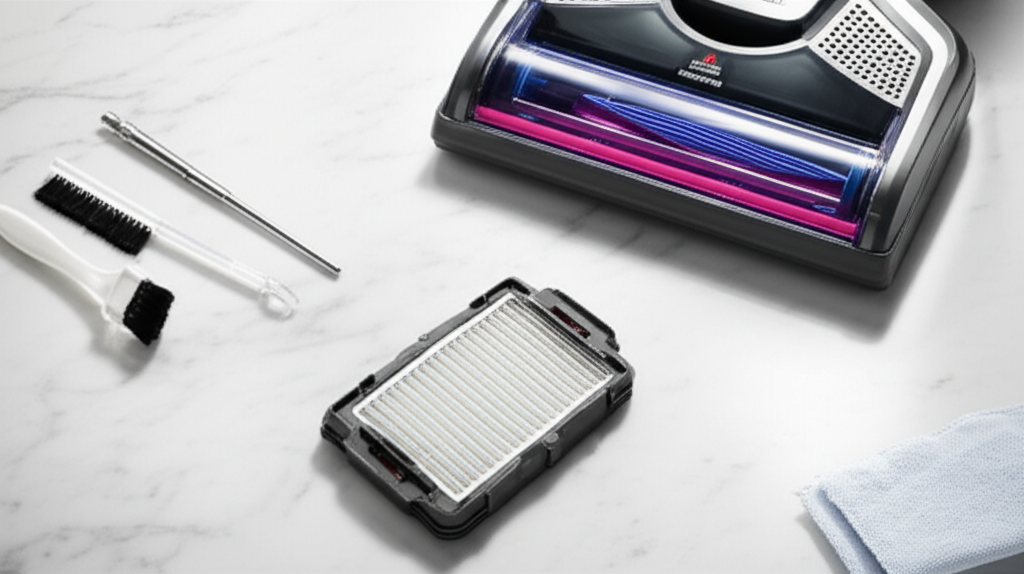
Washable Filters: These are usually made of foam or a felt-like material. They can be rinsed under water and air-dried.
Replaceable Filters: These are often pleated paper or synthetic material filters that cannot be washed. They must be swapped out for new ones.
HEPA Filters: High-Efficiency Particulate Air (HEPA) filters are designed to trap 99.97% of particles 0.3 microns in size. They are crucial for allergy sufferers.
How Filters Work in Your Bissell
Think of your vacuum’s filter like the lungs of the machine. As air is sucked into the vacuum, it passes through the filter. The filter acts like a sieve, catching dirt, dust, pet hair, and other debris. Clean air then passes through to the motor and is expelled back into your room. When the filter gets clogged with dirt, it’s like trying to breathe through a blocked nose – it’s difficult, and not much air gets through.
Signs Your Bissell Vacuum Filter Needs Replacement
Several signs indicate it’s time for a Bissell vacuum cleaner filter replacement. Paying attention to these clues will help you maintain optimal performance. Often, these are subtle changes you might notice during or after cleaning.
Reduced Suction Power: This is the most common sign. If your vacuum isn’t picking up dirt like it used to, even on a clean surface, the filter is likely clogged.
Unpleasant Odors: A dirty filter can trap odors from pet dander, mold, or old food particles. If your vacuum smells musty or unpleasant when running, it’s time for a filter change.
Visible Dirt on the Filter: When you empty your vacuum’s dustbin, take a peek at the filter. If it looks grey, dirty, or clogged with debris, it’s probably time to replace it.
Overheating: A struggling motor due to restricted airflow can cause the vacuum to overheat. If your machine feels unusually hot, check the filter.
Dust Blowing Back: If you see fine dust being blown back into the air as you vacuum, the filter is no longer trapping particles effectively.
When to Replace Your Bissell Vacuum Filter
The frequency of Bissell vacuum cleaner filter replacement depends on your usage habits and the type of filter. Bissell generally recommends checking and cleaning washable filters monthly and replacing them every 6–12 months. Replaceable filters typically need to be swapped out every 3–6 months. If you have pets, allergies, or vacuum frequently, you might need to replace filters more often.
Factors Affecting Filter Lifespan
Frequency of Use: The more you vacuum, the faster your filter will clog.
Type of Debris: Vacuuming fine dust, pet hair, or larger debris can impact filter wear.
Home Environment: Homes with pets or people with allergies often require more frequent filter changes.
Maintenance Habits: Regularly cleaning washable filters can extend their life, but they still wear out eventually.
Bissell’s Recommendations vs. Real-World Usage
Bissell provides general guidelines in their manuals. However, real-world usage can vary significantly. For example, if you’re deep cleaning carpets with heavy pet hair, you might need to clean or replace your filter sooner than the recommended schedule. It’s always best to inspect your filter regularly.
How to Find the Right Bissell Vacuum Filter
Finding the correct replacement filter for your Bissell vacuum is straightforward. The most reliable way is to check your vacuum’s user manual. If you no longer have it, you can usually find it on the Bissell website by searching for your specific vacuum model number.
Locating Your Bissell Model Number
Your Bissell model number is typically found on a sticker on the vacuum cleaner itself. Look on the bottom, back, or side of the unit. It’s often a series of letters and numbers. Once you have this number, you can search for compatible filters on the official Bissell website or reputable online retailers.
Purchasing Genuine Bissell Filters
It’s highly recommended to purchase genuine Bissell replacement filters. These are designed to fit your specific model and meet Bissell’s quality standards. While third-party filters might be cheaper, they may not offer the same performance or durability. Using non-genuine parts could also potentially void your vacuum’s warranty.
Common Bissell Filter Part Numbers (Examples)
For many upright vacuums: Filters like #203-7432 or #203-7433 are common.
For stick vacuums: You might see part numbers like #1608867.
For canister vacuums: Filters such as #21246 might be required.
Always double-check your model number and the filter’s specifications before purchasing.
Step-by-Step: Bissell Vacuum Cleaner Filter Replacement Guide
Performing a Bissell vacuum cleaner filter replacement is a simple process. Follow these steps to ensure you do it correctly and safely. It’s a good idea to have your new filter ready before you start.
1. Safety First: Unplug Your Vacuum
Before you begin any maintenance, always unplug your Bissell vacuum cleaner from the power outlet. This prevents accidental startups and ensures your safety.
2. Locate the Filter Compartment
Refer to your user manual to find the exact location of the filter(s). On many Bissell vacuums, the filter compartment is usually found near the dustbin or at the rear of the machine. Some models may have multiple filters in different locations.
3. Remove the Old Filter
Gently open the filter compartment. This might involve pressing a release tab or unscrewing a cover. Carefully pull out the old filter. If it’s very dirty, you might want to place it directly into a trash bag to avoid spreading dust.
4. Clean the Filter Compartment (Optional but Recommended)
While the filter is out, take a damp cloth or a soft brush to wipe down the inside of the filter compartment. This removes any accumulated dust or debris. Ensure the compartment is completely dry before inserting the new filter.
5. Insert the New Filter
Take your new, clean Bissell vacuum cleaner filter and place it into the compartment. Make sure it sits snugly and in the correct orientation. Most filters are designed to fit only one way.
6. Reassemble and Test
Close and secure the filter compartment cover. Plug your vacuum cleaner back in and turn it on. You should immediately notice an improvement in suction power and a cleaner exhaust.
Cleaning and Maintaining Washable Bissell Filters
If your Bissell vacuum has washable filters, regular cleaning can significantly extend their lifespan and maintain performance. However, even washable filters wear out and will eventually need replacement.
How to Wash Your Bissell Filter
1. Remove the Filter: Unplug the vacuum and carefully remove the washable filter.
2. Rinse Under Cold Water: Hold the filter under a gentle stream of cold tap water. Rinse it thoroughly, ensuring water flows through the pleats.
3. Gently Squeeze: Do not twist or wring the filter. Gently squeeze out excess water.
4. Air Dry Completely: Place the filter in a well-ventilated area to air dry completely. This can take 24–48 hours. Never reinsert a damp filter, as this can damage the vacuum and promote mold growth.
When to Replace Washable Filters
Even with regular washing, washable filters can degrade over time. If you notice tears, holes, or the filter material is thinning, it’s time for a Bissell vacuum cleaner filter replacement. Typically, washable filters should be replaced every 6–12 months, depending on usage.
Troubleshooting Common Filter Issues
Sometimes, even after replacing the filter, you might still experience issues. Here are a few common problems and their solutions.
Issue: Vacuum Still Has Low Suction
Check for Blockages: Ensure the hose, wand, and brush roll are clear of debris.
Verify Filter Installation: Make sure the new filter is correctly installed and the compartment is sealed.
Inspect the Dustbin: An overflowing dustbin can also restrict airflow. Empty it and clean it if necessary.
Examine Other Filters: Some Bissell models have multiple filters. Check all of them.
Issue: Vacuum Smells Bad
Clean the Dustbin: A dirty dustbin can harbor odors. Wash it thoroughly with soap and water and let it dry completely.
Check for Debris in the Hose: Sometimes, organic matter can get stuck in the hose, causing smells.
Replace the Filter: If the odor persists after cleaning, it’s likely embedded in the filter itself. A new Bissell vacuum cleaner filter replacement should resolve this.
Issue: Filter Fits Loosely
Wrong Filter Type: You might have the wrong replacement filter for your model. Always verify compatibility.
Damaged Compartment: The filter housing might be damaged. Inspect it for any cracks or broken tabs.
Best Practices for Filter Maintenance
Establishing a routine for checking and replacing your Bissell vacuum cleaner filter will save you time and hassle in the long run. Consistent maintenance ensures your vacuum is always ready to tackle messes effectively.
Schedule Regular Checks: Make it a habit to check your filter at least once a month.
Keep a Spare Filter: Always have a replacement filter on hand. This way, you can swap it out immediately when needed.
Follow Bissell’s Guidelines: Refer to your vacuum’s manual for specific maintenance instructions.
Consider Your Environment: Adjust your maintenance schedule based on your home’s conditions, like pets or allergies.
Comparing Filter Replacement Costs and Value
The cost of replacement filters can add up, but they are a small price to pay for maintaining your vacuum cleaner’s performance and longevity. Genuine Bissell filters typically range from $10 to $30, depending on the type and model.
Cost of Ownership Over Time
If a filter lasts 3–6 months, you might spend $20–$60 per year on filters for a single vacuum. This is a minimal cost compared to the price of a new vacuum cleaner, which can range from $100 to over $500. Regular filter replacement is a cost-effective way to protect your investment.
The Value of Genuine vs. Aftermarket Filters
While aftermarket filters might seem like a bargain, genuine Bissell filters offer better assurance of quality, fit, and filtration performance. Investing in genuine parts protects your vacuum and ensures optimal cleaning results. You can learn more about vacuum cleaner maintenance on sites like EPA.gov, which discusses indoor air quality.
Frequently Asked Questions About Bissell Vacuum Filters
How often should I replace my Bissell vacuum cleaner filter?
This depends on your vacuum model and usage. Generally, washable filters need cleaning monthly and replacement every 6–12 months, while disposable filters should be replaced every 3–6 months. Always check your manual for specific recommendations.
Can I wash all Bissell vacuum filters?
No, only filters explicitly labeled as “washable” can be cleaned with water. Most HEPA and some other types of filters are not washable and must be replaced when dirty.
What happens if I don’t replace my Bissell vacuum filter?
Not replacing your filter will lead to reduced suction power, potential overheating of the motor, and poorer air quality as dust and allergens are released back into your home. It can also shorten the lifespan of your vacuum.
Where can I buy Bissell vacuum cleaner filters?
You can purchase genuine Bissell filters directly from the official Bissell website, major online retailers like Amazon, or authorized Bissell dealers and appliance stores.
How do I know which filter to buy for my Bissell vacuum?
The best way is to find your vacuum’s model number (usually on a sticker on the unit) and search for compatible filters on the Bissell website or check the filter’s part number.
Can I rinse a filter that isn’t washable?
No, rinsing a non-washable filter will likely damage it and can lead to mold or mildew growth within your vacuum, potentially causing harm to your health and the machine.
Conclusion: Keep Your Bissell Breathing Easy
Maintaining your Bissell vacuum cleaner is straightforward when you know what to do. Regular Bissell vacuum cleaner filter replacement is a small task that yields significant benefits, from powerful suction to cleaner air in your home. By understanding your filter type, recognizing the signs of a clogged filter, and following simple replacement steps, you ensure your Bissell continues to be an effective tool for a clean and healthy living space. Keep your machine running smoothly and your home sparkling by making filter maintenance a priority.