Bissell Steam Mop For Tile Floors: Essential Shine

Get sparkling tile floors with a Bissell steam mop, the ultimate tool for deep cleaning and sanitizing without harsh chemicals, leaving your floors hygienically clean and naturally shiny.
Tired of scrubbing your tile floors only to find them still dull or streaky? You’re not alone. Many homeowners struggle to achieve that deep, hygienic clean that tile floors deserve. Harsh chemicals can be a concern, especially with pets and children around. But what if there was a way to get brilliant, sanitized tile floors using just the power of steam? Enter the Bissell steam mop.
This guide will walk you through everything you need to know about using a Bissell steam mop for your tile floors. We’ll explore why steam cleaning is so effective, how to choose the right Bissell model, and practical tips for getting the best results. Prepare to transform your kitchen, bathroom, and entryway tile from drab to dazzling.
Why Steam Mop Your Tile Floors? The Power of Pure Steam
Steam mops use hot steam to clean and sanitize surfaces. This is a fantastic method for tile floors. Steam loosens tough dirt and grime. It also kills germs and bacteria. This means you get a cleaner, healthier home.
The Hygiene Advantage: Beyond Surface Cleaning
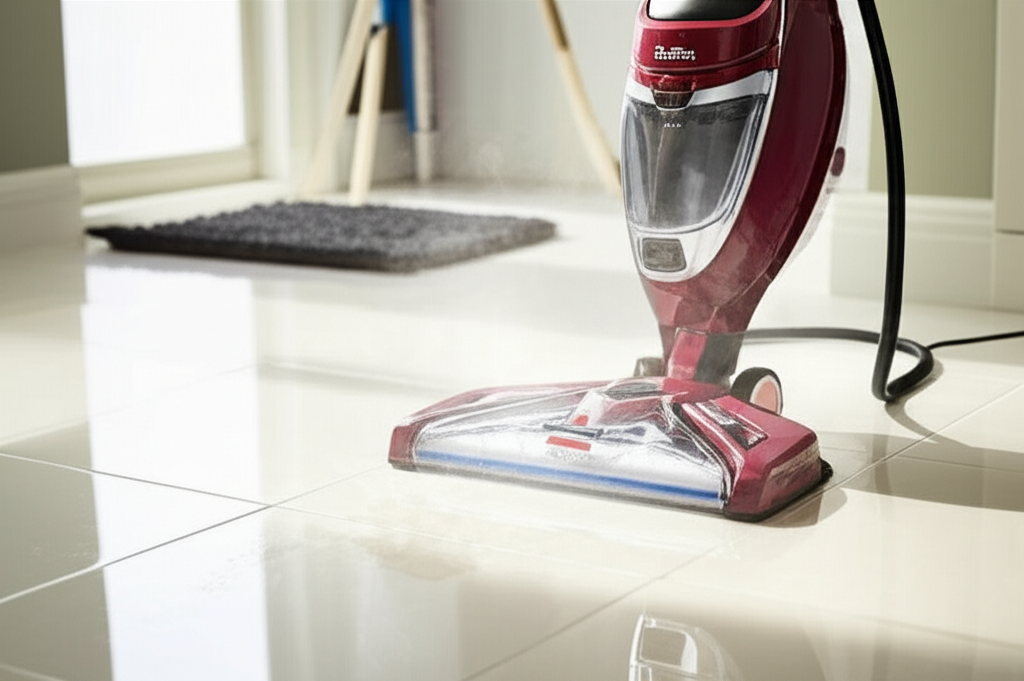
Steam cleaning offers a deeper level of hygiene. It reaches into grout lines and tiny crevices. These areas often harbor unseen germs and allergens. A Bissell steam mop can eliminate up to 99.9% of bacteria and allergens. This is a significant benefit for homes with allergies or young children.
Choosing the Right Bissell Steam Mop for Your Tile
Bissell offers several steam mop models. Not all are ideal for every tile type. Understanding their features helps you pick the best one. Look for models designed for hard floors. Some have adjustable steam settings. This is useful for different types of tile.
Popular Bissell Models for Tile Floors
The Bissell PowerFresh Lift-Off is a popular choice. It offers versatility with a detachable steam cleaner. The Bissell Symphony Pet combines vacuuming and mopping. For simpler needs, the Bissell Steam Mop Select is a solid option. Always check the product specifications for tile floor suitability.
Understanding Your Tile Type: A Crucial First Step
Not all tiles are created equal. Some are more sensitive to heat and moisture. It’s important to know your tile type before you steam. Porcelain and ceramic tiles are generally durable. Natural stone tiles, like marble or travertine, can be more delicate.
Sealing and Grout: What to Watch Out For
Check if your grout is sealed. Unsealed grout can absorb moisture. This might lead to discoloration or damage. Always test your steam mop in an inconspicuous area first. This ensures it won’t harm your specific tile or grout.
How to Use Your Bissell Steam Mop on Tile Floors
Using a Bissell steam mop is straightforward. First, ensure your floors are free of loose debris. Vacuum or sweep them thoroughly. Fill the water tank with distilled water. This prevents mineral buildup.
Step-by-Step Guide to Steam Mopping
1. Assemble the mop: Attach the handle and fill the water tank.
2. Plug in and heat up: Turn the mop on and let it heat up. This usually takes about 30 seconds.
3. Select steam level: Choose a low or high steam setting based on your tile.
4. Mop slowly: Glide the mop over the floor in a back-and-forth motion. Overlap your strokes.
5. Address tough spots: For stubborn stains, hold the mop over the spot for a few seconds.
6. Empty and clean: After use, unplug, empty the water tank, and clean the mop pads.
Maximizing Shine: Tips for a Streak-Free Finish
Achieving that essential shine requires a few tricks. Always use distilled water. Tap water can leave mineral deposits. Ensure your mop pads are clean and dry before use. A dirty pad can spread grime.
The Importance of Mop Pads and Water
Using the correct mop pads is vital. Bissell offers different pads for various cleaning needs. Microfiber pads are excellent for absorbing dirt and leaving a shine. For a truly streak-free finish, consider a second pass with a dry microfiber cloth after steaming.
Tackling Stubborn Stains and Grime on Tile
Tile floors can accumulate tough stains. Think grease in the kitchen or soap scum in the bathroom. Steam is incredibly effective at breaking these down. For baked-on grime, you might need a bit of patience.
Advanced Steam Cleaning Techniques
For very stubborn spots, pre-treat the area. You can use a mild, steam-safe cleaner. Let it sit for a few minutes before steaming. Some Bissell models have a “scrub” or “high steam” setting. Use this for tough areas. Always follow the manufacturer’s instructions for your specific model.
Maintenance and Care for Your Bissell Steam Mop
Proper maintenance ensures your Bissell steam mop lasts. It also keeps it working effectively. Always unplug the mop before cleaning. Let it cool down completely.
Keeping Your Mop in Top Condition
Empty the water tank after each use. This prevents stagnant water. Clean the mop pads regularly. Wash them according to the instructions. Descale the water tank periodically if you live in a hard water area. This is crucial for preventing clogs.
Comparing Bissell Steam Mops to Traditional Mops
Traditional mops require cleaning solutions. They often leave behind water residue. This can lead to streaks. Steam mops use only water. They clean and sanitize without chemicals. This is safer for your family and the environment.
The Efficiency and Effectiveness Debate
A Bissell steam mop is generally more efficient. It cleans faster and sanitizes simultaneously. Traditional mops can spread bacteria. Steam kills them. This makes steam mops a superior choice for hygiene.
Frequently Asked Questions About Bissell Steam Mops for Tile
Q1: Can I use a Bissell steam mop on all types of tile?
A1: Most Bissell steam mops are safe for sealed ceramic and porcelain tile. Always check your tile manufacturer’s recommendations. Avoid using them on unsealed grout or delicate natural stone unless specified.
Q2: Do I need to use cleaning solutions with a Bissell steam mop?
A2: No, Bissell steam mops are designed to work with just water. This is their main advantage for chemical-free cleaning.
Q3: How often should I steam mop my tile floors?
A3: This depends on your household. For high-traffic areas, weekly steam mopping is recommended. For less-used areas, once or twice a month might suffice.
Q4: Will steam damage my tile grout?
A4: Steam can be harsh on unsealed grout. If your grout is sealed and in good condition, it should be fine. Always test in a small area first.
Q5: Can a Bissell steam mop remove tough stains like wine or coffee?
A5: Yes, steam is very effective. For very old or deep stains, you might need to hold the mop over the spot for a bit longer or use the scrub function if available.
Q6: Is distilled water really necessary?
A6: Yes, distilled water is highly recommended. It prevents mineral deposits from building up inside the mop, which can clog the steam vents and reduce performance over time.
Conclusion: The Essential Shine Your Tile Floors Deserve
A Bissell steam mop for tile floors is an investment in cleanliness and health. It offers a powerful, chemical-free way to achieve sparkling floors. From deep sanitization to effortless grime removal, it transforms your cleaning routine. By understanding your tile type and using your Bissell steam mop correctly, you’ll enjoy hygienic, beautifully shiny tile floors year-round. Make the switch and experience the difference pure steam can make.