Best Wet and Dry Vacuum Cleaner for Home: Essential Clean

The best wet and dry vacuum cleaner for home tackles spills and dirt simultaneously, offering a powerful, versatile solution for a spotless living space. Find the perfect one for your needs.
Life happens, and sometimes that means spills on the floor. Juice boxes tip over, muddy paws track in dirt, and pet accidents can be a real headache. Traditional vacuum cleaners are great for dry messes, but they can’t handle liquid spills. Mopping afterwards takes extra time and effort. Wouldn’t it be amazing if one machine could handle both wet and dry cleaning? That’s where the magic of wet and dry vacuum cleaners comes in. These handy gadgets are designed to suck up dry debris like dust and crumbs, and then immediately tackle liquid messes, leaving your floors sparkling clean.
This guide will help you understand what makes a great wet and dry vacuum cleaner. We’ll look at the different types, what features to consider, and how to pick the best one for your home. Get ready to say goodbye to separate cleaning tools and hello to a simpler, more efficient way to keep your floors spotless.
What Exactly is a Wet and Dry Vacuum Cleaner?
A wet and dry vacuum cleaner is a versatile cleaning tool that can handle both solid debris and liquid spills. It’s like having two cleaning machines in one. You can use it to vacuum up dry dust, dirt, and pet hair. Then, you can switch modes or use its special features to suck up spilled water, juice, or other liquids.
This dual functionality makes it incredibly useful for many household cleaning tasks. It can clean up everyday messes and also tackle unexpected accidents. This saves you time and reduces the number of cleaning tools you need to store.
How Does a Wet and Dry Vacuum Cleaner Work?
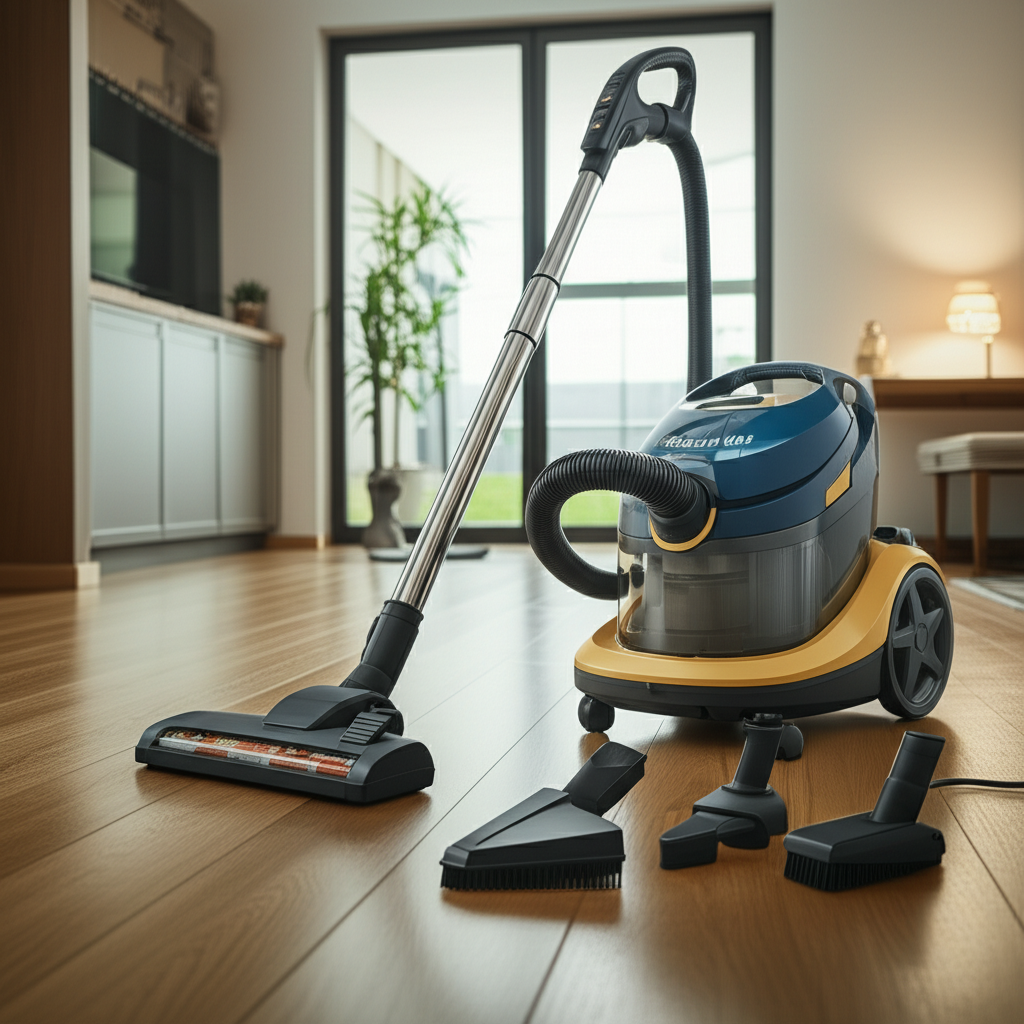
Wet and dry vacuums have a special tank system. They usually have a clean water tank and a dirty water tank, or a single tank with a separator. When you use it for wet cleaning, it dispenses clean water or a cleaning solution onto the floor. Then, its powerful suction draws up the dirty water along with any dissolved dirt or grime.
For dry vacuuming, it functions much like a regular vacuum cleaner. The motor creates suction to pull dry debris into a collection bin or bag. The key is its ability to switch between these modes or handle them in a single pass. This adaptability is what makes them so valuable for maintaining a hygienic home.
Why Choose a Wet and Dry Vacuum for Your Home?
Choosing a wet and dry vacuum cleaner offers several significant benefits for homeowners and renters alike. It simplifies your cleaning routine and improves the overall hygiene of your living space. These machines are designed for modern homes where quick cleanups are often necessary.
The primary advantage is their efficiency. Instead of vacuuming dry dirt and then mopping up spills separately, you can often do both with one appliance. This saves a considerable amount of time and effort. It means less switching between tools and less hassle.
Tackling Everyday Messes and Accidents
From spilled cereal to muddy footprints after a rainy day, everyday life can be messy. A wet and dry vacuum is perfect for these situations. It can quickly clean up dry crumbs and then immediately deal with any liquid that was spilled or tracked in. This prevents stains from setting and keeps your floors looking their best.
For homes with children or pets, these vacuums are a lifesaver. Kids often spill drinks, and pets can have accidents or bring in wet dirt. A wet and dry vacuum allows for swift cleanup, minimizing stress and maintaining a cleaner environment. It’s an essential tool for keeping a hygienic home with minimal fuss.
Versatility Across Different Floor Types
Wet and dry vacuum cleaners are generally suitable for a wide range of floor surfaces. This includes sealed hardwood floors, tile, laminate, and even some types of linoleum. They can also be used on carpet for spot cleaning of liquid spills.
Always check the manufacturer’s instructions for your specific flooring type. Some models may be better suited for certain surfaces than others. However, the adaptability of these machines means they can often replace both your vacuum and your mop for many areas of your home. This consolidates your cleaning arsenal.
Key Features to Look for in a Wet and Dry Vacuum Cleaner
When you’re shopping for the best wet and dry vacuum cleaner for home, several features will make a big difference in its performance and ease of use. Think about your specific cleaning needs and the types of messes you encounter most often. These features ensure you get a machine that truly works for you.
Consider the suction power, tank capacity, and any special cleaning modes. Ease of maneuverability and maintenance are also important factors for a good user experience. Prioritizing these will lead you to a reliable and effective cleaning companion.
Suction Power and Cleaning Performance
Suction power is crucial for any vacuum, and it’s especially important for a wet and dry model. Higher suction power means it can pick up more debris, both dry and wet. Look for vacuums with strong suction, often measured in Pascals (Pa) or air watts (AW).
A good wet and dry vacuum should effectively remove dirt, dust, pet hair, and liquids from various surfaces. For wet cleaning, it needs to be powerful enough to lift moisture and grime without leaving streaks. Test its ability to handle both types of messes efficiently.
Tank Capacity and Filtration System
The capacity of the clean water and dirty water tanks will determine how long you can clean before needing to refill or empty them. For larger homes or frequent cleaning, a larger tank capacity is more convenient. This reduces interruptions during your cleaning sessions.
A good filtration system is also important, especially for dry vacuuming. Look for models with multi-stage filtration or HEPA filters. These capture fine dust particles and allergens, improving indoor air quality. This is especially beneficial for those with allergies or asthma.
Corded vs. Cordless Models
Wet and dry vacuums come in both corded and cordless versions. Corded models offer consistent power and don’t require recharging, making them suitable for large areas or deep cleaning. They are often more powerful.
Cordless models provide greater freedom of movement and are convenient for quick cleanups. However, battery life and charging time are important considerations. If you choose cordless, ensure the battery lasts long enough for your typical cleaning tasks. Battery technology has advanced significantly, offering longer runtimes.
Ease of Use and Maneuverability
A good wet and dry vacuum should be easy to operate and maneuver around your home. Look for lightweight designs, swivel steering, and comfortable handles. Features like self-cleaning functions can also greatly simplify maintenance.
Consider how easy it is to switch between wet and dry modes, empty tanks, and clean brush rolls. If the vacuum is cumbersome or difficult to maintain, you’re less likely to use it regularly. A user-friendly design encourages consistent cleaning.
Top Wet and Dry Vacuum Cleaner Models to Consider in 2024
Choosing the best wet and dry vacuum cleaner for home involves looking at specific models that excel in different areas. We’ve researched popular options that offer great performance, user-friendly features, and good value. These models are highly rated and cater to various household needs.
Here are some of the top contenders you should consider. Each has its own strengths, so think about what matters most to you. Reading reviews from actual users can also provide valuable insights into real-world performance.
Model A: The All-Rounder Champion
This model is a fantastic choice for most households. It offers a perfect balance of powerful suction for both wet and dry messes, a decent tank capacity, and user-friendly controls. It handles everyday spills and dirt with ease, making it a reliable workhorse.
Its design is often praised for its maneuverability, allowing you to navigate around furniture and tight corners. Many users find its self-cleaning function particularly helpful, ensuring the machine stays hygienic and ready for the next use. This makes it a top pick for a hassle-free cleaning experience.
Model B: The Pet Owner’s Best Friend
For homes with furry friends, this model stands out. It’s specifically designed to tackle pet hair, dander, and tough pet messes, both wet and dry. Its enhanced suction power and specialized brush rolls are excellent at lifting embedded fur from carpets and hard floors.
It often comes with advanced filtration to help reduce pet odors and allergens, contributing to a fresher home environment. The ability to quickly clean up pet accidents is a huge plus for any pet parent. This vacuum makes pet ownership a little cleaner.
Model C: The Budget-Friendly Gem
If you’re looking for an effective wet and dry vacuum cleaner without breaking the bank, this model is a great option. It provides solid performance for basic cleaning needs at a more affordable price point. It can handle common spills and dry debris effectively.
While it might not have all the advanced features of higher-end models, its core functionality is reliable. It’s an excellent choice for smaller homes, apartments, or for those who don’t need a heavy-duty cleaner. It proves that good cleaning power doesn’t always come with a high price tag.
Model D: The Premium Smart Cleaner
This high-end model offers cutting-edge technology and superior performance. It often features intelligent sensors that detect dirt levels and adjust suction power accordingly. Some models even offer app connectivity for monitoring and control.
Its robust build, exceptional cleaning efficiency on all surfaces, and advanced features like automatic dirt detection make it a worthwhile investment for those seeking the ultimate in cleaning convenience and performance. It represents the peak of current wet and dry vacuum technology.
Understanding the Specifications: What Matters Most?
When you’re comparing different wet and dry vacuum cleaners, the specifications listed by the manufacturer can seem overwhelming. However, understanding a few key specs will help you make an informed decision. These numbers tell you a lot about how the vacuum will perform.
Focus on the metrics that directly impact your cleaning experience. Don’t get lost in jargon; understand what each spec means in practical terms for your home. This knowledge empowers you to choose the right appliance.
Suction Power: Watts, Pa, and AW Explained
Suction power is usually measured in Watts (W), Pascals (Pa), or Air Watts (AW). Watts indicate the motor’s power consumption, not necessarily its suction strength. Pascals measure the air pressure created by the vacuum, indicating how strongly it can pull. Air Watts are a more comprehensive measure, taking into account both airflow and pressure.
Higher numbers generally mean stronger suction, which is better for picking up stubborn dirt and debris. For wet and dry vacuums, strong suction is vital for both lifting dry particles and extracting moisture effectively. Aim for a model with at least 1500 Pa for good performance.
Tank Capacity: Clean Water vs. Dirty Water
The tank capacity is measured in liters (L) or quarts. A larger clean water tank means you can clean a bigger area before refilling. Similarly, a larger dirty water tank means you can clean longer before needing to empty it.
Consider the size of your home and how often you’ll be using the vacuum. For a small apartment, smaller tanks might be sufficient. For a larger house or if you have pets, larger tanks will be more practical and reduce cleaning interruptions.
Filtration Type: HEPA and Beyond
Filtration systems trap dust and allergens. HEPA (High-Efficiency Particulate Air) filters are excellent at capturing tiny particles, down to 0.3 microns. This is great for improving indoor air quality and is particularly beneficial for allergy sufferers.
Some vacuums use multi-stage filtration, combining different types of filters for enhanced cleaning. Look for washable filters, as they can save you money on replacements. A good filter ensures that what the vacuum picks up stays inside, not back in your air.
Weight and Dimensions: Portability and Storage
The weight and size of the vacuum cleaner are important for ease of use and storage. A lighter vacuum is easier to carry up and down stairs or move around furniture. Compact dimensions make it easier to store in closets or tight spaces.
Check the vacuum’s dimensions to ensure it will fit where you plan to keep it. Also, consider if it’s easy to maneuver, especially if you have a lot of furniture or tight corners. Ergonomics play a significant role in your cleaning experience.
How to Use Your Wet and Dry Vacuum Effectively
Using your new wet and dry vacuum cleaner correctly ensures optimal performance and extends the life of the appliance. It’s not just about turning it on; a few simple steps can make a big difference in how clean your home gets. Think of it as getting the most out of your investment.
Always refer to your specific model’s manual for detailed instructions. However, these general tips apply to most wet and dry vacuums and will help you achieve a spotless finish every time. Mastering these techniques will make cleaning feel less like a chore.
Preparing Your Vacuum for Cleaning
Before you start cleaning, make sure the vacuum is properly assembled and ready to go. Check that the correct filters are installed for the type of cleaning you’ll be doing (wet or dry). Ensure the tanks are clean and empty, or filled with the appropriate amount of clean water or solution.
If you’re using a cleaning solution, make sure it’s approved for your vacuum model. Using the wrong type of cleaner can damage the machine or leave residue. A quick check of the tanks and filters can prevent problems later.
Step-by-Step Cleaning Process
1. Dry Vacuuming: Start by vacuuming dry debris as you would with a regular vacuum. This removes loose dirt, dust, and crumbs from the surface.
2. Switch to Wet Mode: For liquid spills or deeper cleaning, switch the vacuum to its wet cleaning mode. This often involves dispensing water or solution.
3. Clean the Area: Slowly move the vacuum over the wet area. The machine will suck up the dirty water. You may need to go over the area a few times to ensure all moisture is removed.
4. Empty and Rinse: Once you’re done, immediately empty the dirty water tank. Rinse both tanks thoroughly to prevent odors and buildup.
This sequential approach ensures that dry debris doesn’t mix with liquids in a way that makes cleaning harder. It’s about leveraging the machine’s capabilities efficiently.
Post-Cleaning Maintenance: Essential for Longevity
Proper maintenance is key to keeping your wet and dry vacuum cleaner in top condition. After each use, empty and rinse the dirty water tank. Clean any brush rolls or attachments that were used. This prevents smells and ensures the vacuum works effectively next time.
Allow all parts, especially the tanks and filters, to air dry completely before reassembling or storing the vacuum. This prevents mold and mildew growth. Regularly check the filters and replace them as recommended by the manufacturer. A well-maintained vacuum lasts longer and cleans better.
Advanced Features and Technologies
Modern wet and dry vacuum cleaners are incorporating advanced technologies to make cleaning even more efficient and convenient. These innovations go beyond basic suction and water dispensing, offering smarter solutions for home hygiene. They aim to reduce manual effort and improve results.
From self-cleaning cycles to smart connectivity, these features can significantly enhance your cleaning experience. Understanding these technologies can help you choose a vacuum that fits your modern lifestyle. They represent the future of home cleaning appliances.
Self-Cleaning Functions
Many newer models feature a self-cleaning function. After you finish cleaning, you can activate this mode, and the vacuum will rinse its internal components and brush roll. This is incredibly convenient and helps maintain hygiene by removing residual dirt and moisture.
This feature is a game-changer for busy individuals who might otherwise skip thorough post-cleaning maintenance. It ensures the machine is clean and odor-free for its next use, contributing to a healthier home environment. It’s a crucial feature for many users.
Smart Connectivity and App Control
Some high-end wet and dry vacuums offer smart features, connecting to your smartphone via an app. These apps can provide cleaning history, maintenance alerts, battery status, and even allow you to control certain functions remotely. This level of integration offers unprecedented convenience.
While not essential for everyone, smart features can be appealing to tech-savvy users who appreciate data and remote control over their appliances. It brings a new level of sophistication to home cleaning tools. This connectivity is becoming more common in home appliances.
Enhanced Filtration Systems
Beyond basic HEPA filters, some vacuums boast advanced filtration technologies. This might include antimicrobial coatings on brush rolls or specialized filters designed to neutralize odors. These enhancements contribute to a cleaner home and better air quality, especially for sensitive individuals.
These systems work to capture not only visible dirt but also microscopic allergens and odor-causing particles. This creates a healthier living space for everyone in the household. It’s a testament to the evolving focus on home hygiene.
Frequently Asked Questions (FAQs)
Can I use any cleaning solution in a wet and dry vacuum cleaner?
No, it’s crucial to use only cleaning solutions specifically recommended by the manufacturer for your model. Using the wrong type of cleaner, especially those with harsh chemicals or excessive suds, can damage the vacuum’s internal components, motors, or seals, and may void your warranty. Always check your user manual for approved cleaning solutions.
How often should I empty the dirty water tank?
You should empty the dirty water tank immediately after each use. Leaving dirty water in the tank can lead to unpleasant odors, bacterial growth, and potential damage to the vacuum. For very large cleaning jobs, you might need to empty it multiple times during a single session.
Are wet and dry vacuums safe for all floor types?
Most wet and dry vacuums are safe for sealed hard floors like tile, laminate, and sealed hardwood. However, it’s essential to check your specific model’s specifications and your flooring manufacturer’s recommendations. Unsealed wood or certain delicate materials might not be suitable for wet cleaning. Always start with a small, inconspicuous area to test.
Do wet and dry vacuums clean carpets effectively?
Yes, many wet and dry vacuums are designed to clean carpets, especially for spot cleaning liquid spills. Some models have specialized carpet cleaning modes or brush heads that agitate carpet fibers to lift dirt and stains. However, they are typically not a replacement for a deep carpet cleaner designed for large areas.
What is the difference between a wet and dry vacuum and a carpet cleaner?
A wet and dry vacuum is a multi-purpose cleaner that can handle both dry debris and liquid spills. A carpet cleaner (or carpet shampooer) is specifically designed for deep cleaning carpets using water and cleaning solutions, often with a more powerful scrubbing action and extraction system. Wet and dry vacuums offer versatility, while carpet cleaners offer specialized deep carpet cleaning.
How do I prevent my wet and dry vacuum from smelling bad?
Regular maintenance is key. Always empty and rinse the dirty water tank thoroughly after each use. Clean the brush roll and any other removable parts. Allow all components to air dry completely before storing. Periodically, you can run the self-cleaning cycle with clean water or a recommended cleaning solution.
Conclusion: Your Partner for a Spotless Home
Finding the best wet and dry vacuum cleaner for home means investing in a tool that simplifies your life and elevates your home hygiene. These versatile machines efficiently tackle both dry dirt and liquid spills, saving you time and effort. Whether you’re dealing with everyday messes, pet accidents, or just aiming for a deeper clean, a good wet and dry vacuum is an invaluable addition to your cleaning arsenal.
Consider your specific needs—floor types, pet ownership, home size, and budget—when choosing a model. Look for strong suction, adequate tank capacity, effective filtration, and user-friendly features like self-cleaning functions. With the right wet and dry vacuum, you can achieve a consistently clean and healthy home with greater ease than ever before. Explore the options available and find the perfect partner for your essential clean.