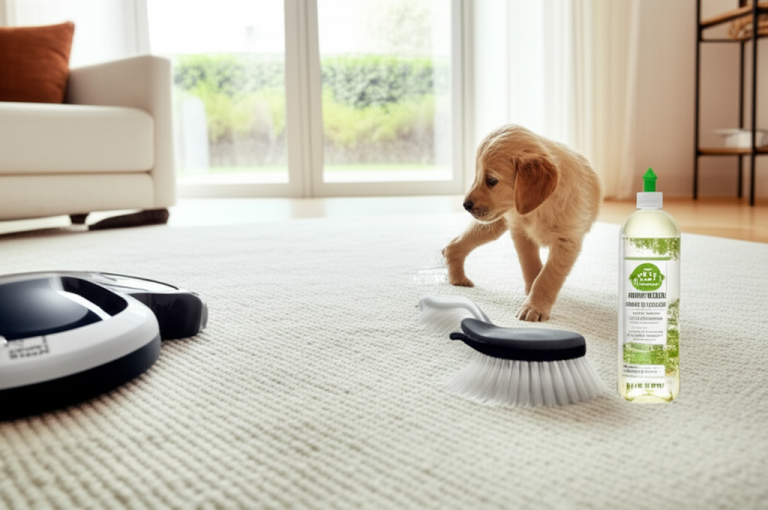
Best Vacuum Cleaner For Wood Floors And Pet Hair: Proven Solution

The best vacuum cleaner for wood floors and pet hair offers strong suction, soft brush rolls, and effective filtration to capture fine dust and stubborn fur without scratching your delicate surfaces.
Finding the right vacuum cleaner for wood floors and pet hair can feel like a treasure hunt. Wood floors look beautiful, but they scratch easily. Pet hair sticks to everything and seems to multiply overnight. You need a vacuum that’s gentle enough for your floors but tough enough for pet messes. This guide will help you find that perfect solution, making your home cleaner and your life easier. We’ll look at what makes a vacuum great for these specific needs and explore some top contenders.
Why Wood Floors and Pet Hair Need Special Vacuum Care
Wood floors are elegant but can be sensitive to harsh cleaning. The wrong vacuum can leave fine scratches or scuff marks. Pet hair is notorious for clinging to surfaces and embedding itself in carpets. On hard floors, it tends to scatter if the vacuum isn’t designed correctly. A good vacuum for this situation needs to be powerful yet gentle. It must effectively pick up fur without damaging your beautiful wood.
Key Features to Look for in a Wood Floor and Pet Hair Vacuum
When shopping for a vacuum, focus on features that address the unique challenges of wood floors and pet hair. This means looking beyond just suction power. Consider the brush roll type, filtration system, and overall design. These elements work together to ensure a thorough clean without causing harm.
Brush Roll Design: The Gentle Giant for Wood Floors
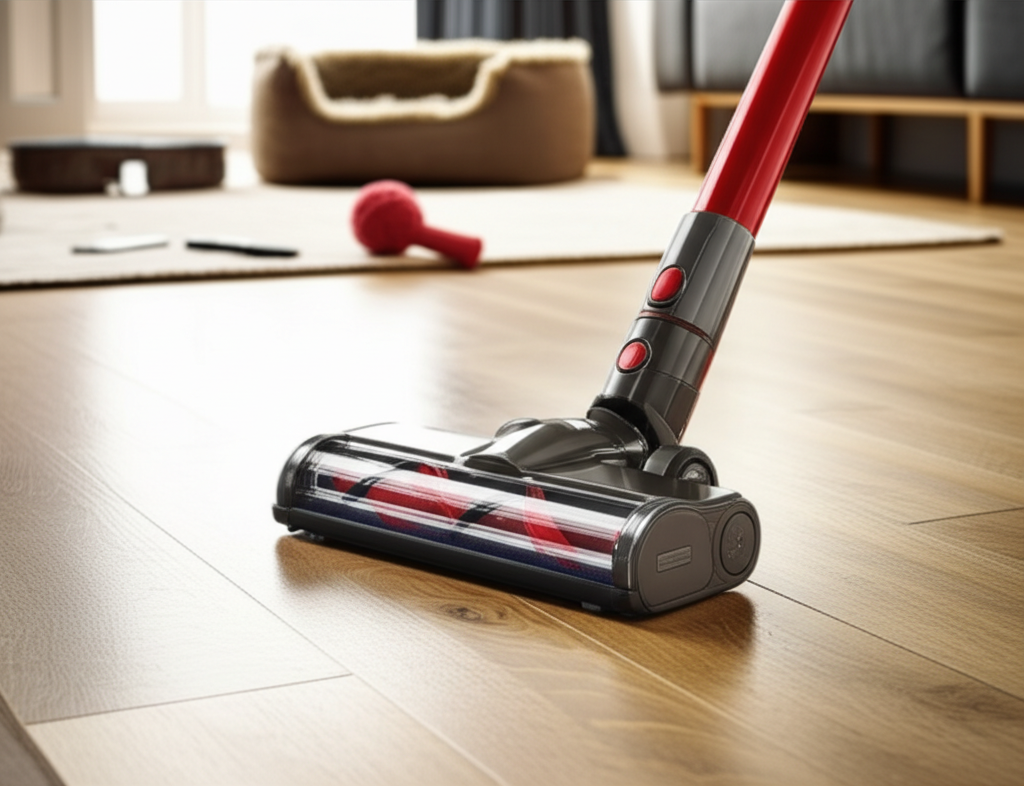
The brush roll is what spins and agitates dirt. For wood floors, a soft brush roll is crucial. Many vacuums designed for multiple floor types have a switch or setting to turn off the brush roll or switch to a softer mode. This prevents scratches and scattering of debris. Some models even feature specialized soft roller heads designed specifically for hard floors. These often look like a collection of soft fibers rather than stiff bristles.
Suction Power: The Unseen Hero
While a gentle brush roll is important, strong suction is still vital. It pulls debris from the floor surface and any tiny crevices. For pet hair, good suction ensures that even stubborn strands are lifted. Look for vacuums with adjustable suction settings. This allows you to tailor the power to the specific cleaning task. Higher suction is great for deep cleaning, while lower settings can be perfect for delicate surfaces or quick pick-ups.
Filtration System: Keeping the Air Clean
Pet owners know that pet hair often comes with dander and allergens. A good vacuum should have a robust filtration system. HEPA (High-Efficiency Particulate Air) filters are the gold standard. They capture 99.97% of particles as small as 0.3 microns. This includes pet dander, dust mites, and pollen. A sealed system ensures that the air drawn into the vacuum doesn’t leak back out, carrying fine particles into your home.
Maneuverability and Weight: Effortless Cleaning
Cleaning should not be a chore that leaves you exhausted. Look for vacuums that are lightweight and easy to maneuver. Swivel steering helps you navigate around furniture and tight corners with ease. Cordless models offer ultimate freedom, allowing you to move from room to room without being tethered. Consider how the vacuum’s weight will affect your ability to clean stairs or carry it.
Types of Vacuum Cleaners Suited for Wood Floors and Pet Hair
Different vacuum types excel in different areas. Understanding these can help you pinpoint the best fit for your home. Each has its own advantages for tackling wood floors and pet hair.
Cordless Stick Vacuums: The Nimble All-Rounders
Cordless stick vacuums are incredibly popular for a reason. They are lightweight, convenient, and often come with versatile attachments. Many top models now include soft roller heads ideal for wood floors and powerful suction for pet hair. They are perfect for quick clean-ups and for homes with mostly hard flooring.
Pros: Lightweight, highly maneuverable, easy to store, great for quick clean-ups, no cord to trip over.
Cons: Battery life can be a limitation for large homes, dustbins are usually smaller.
Canister Vacuums: The Powerful Workhorses
Canister vacuums typically offer excellent suction power. They often come with a separate floorhead designed for hard floors and a powered brush roll for carpets. The canister design means they can hold more dirt and debris, making them suitable for larger homes. Many canister vacuums also feature excellent filtration.
Pros: Powerful suction, large capacity dustbins, versatile with multiple attachments, often quieter than uprights.
Cons: Can be bulkier to store, requires dragging the canister behind you.
Robot Vacuums: The Set-and-Forget Solution
Robot vacuums have advanced significantly. Many now have specialized brushes that work well on hard floors and can pick up pet hair. Some even come with mopping functions. They are ideal for maintaining cleanliness between deeper cleans and can be scheduled to run automatically.
Pros: Autonomous cleaning, can be scheduled, good for daily maintenance, reaches under furniture.
Cons: May not offer the same deep clean as manual vacuums, can get stuck, not ideal for heavy messes.
Upright Vacuums: The Traditional Choice
While some upright vacuums can be too aggressive for wood floors, many newer models offer excellent versatility. Look for uprights with adjustable height settings or specific hard floor modes. They often provide strong suction and are great for larger areas.
Pros: Good for larger areas, often have larger dustbins, can be powerful.
Cons: Can be heavier, might be less maneuverable than other types, some models can be too harsh on wood.
Top Vacuum Cleaner Models for Wood Floors and Pet Hair
Based on user reviews, expert testing, and feature sets, here are some of the best vacuum cleaners that perform exceptionally well on wood floors and for pet hair. These models balance power, gentleness, and advanced features to meet your cleaning needs.
Dyson V11/V15 Detect Cordless Vacuum
Dyson vacuums are renowned for their powerful suction and innovative technology. The V11 and V15 models, in particular, often come with a specialized “High Torque” cleaner head that adapts to different floor types. They also include a soft roller cleaner head, perfect for wood floors. The laser detection feature on the V15 can even reveal microscopic dust on your floors.
Key Features: Powerful Dyson digital motor, advanced whole-machine filtration, multiple power modes, laser dust detection (V15), comes with soft roller head.
Best For: Homes with mixed flooring, pet owners wanting deep cleaning, users who appreciate advanced technology.
Shark Stratos Cordless Vacuum (or similar Shark models with DuoClean)
Shark offers excellent value and performance. Many of their cordless stick vacuums feature DuoClean technology, which combines a soft roller brush with a bristle brush. This combination is fantastic for picking up fine dust and larger debris on hard floors while also tackling carpets. Models with “Zero-P” (Zero-Maneuverability) technology are also great for pet owners.
Key Features: DuoClean PowerFins HairPro brushroll, Odor Neutralizer Technology, cordless convenience, good suction.
Best For: Homes with frequent pet hair, users looking for effective hair pickup, those who want a versatile vacuum.
Bissell CrossWave Pet Pro
The Bissell CrossWave Pet Pro isn’t just a vacuum; it’s a multi-surface cleaner. It vacuums and mops simultaneously, which is a game-changer for wood floors. It uses a tangle-free brush roll designed to minimize hair wrap and a specialized pet formula to clean effectively.
Key Features: Vacuums and mops simultaneously, specialized pet brush roll, tangle-free design, dual-tank system for clean and dirty water.
Best For: Pet owners who want to combine vacuuming and mopping, quick clean-ups of wet and dry messes.
Miele Complete C3 Cat & Dog Canister Vacuum
Miele is known for its durability and exceptional filtration. The Complete C3 Cat & Dog model is a powerhouse. It comes with a specialized Electrobrush floorhead with adjustable height for carpets and a parquet floor brush for delicate hard floors. Its sealed system and high-quality filters are excellent for allergy sufferers.
Key Features: Powerful suction, sealed Miele filtration system, included parquet brush and electrobrush, durable construction.
Best For: Homes with significant pet hair, allergy sufferers, users who prioritize long-term durability and superior filtration.
iRobot Roomba j7+ (or similar intelligent robot vacuums)
For hands-off cleaning, the Roomba j7+ is a top choice. It learns your home’s layout and avoids obstacles, including pet waste. Its rubber brushes are designed to resist hair tangles and work well on hard floors. The “iRobot OS” offers smart navigation and personalized cleaning suggestions.
Key Features: Smart mapping and navigation, obstacle avoidance (including pet waste), tangle-resistant rubber brushes, self-emptying base.
Best For: Busy pet owners, maintaining daily cleanliness, homes with complex layouts.
How to Use Your Vacuum Effectively on Wood Floors
Using the right vacuum is only half the battle. Proper technique ensures your wood floors stay pristine. Always check your vacuum’s manual for specific recommendations.
1. Select the Right Setting: Always use the hard floor setting or a soft roller head. If your vacuum has a brush roll that cannot be turned off or softened, use it with caution.
2. Start with a Sweep: For very dusty floors, a quick sweep with a microfiber dust mop can gather larger debris before vacuuming. This prevents scattering.
3. Vacuum in Straight Lines: Move the vacuum in slow, steady passes along the grain of the wood. Overlapping each pass ensures thorough coverage.
4. Empty the Bin Regularly: A full dustbin reduces suction power. Empty it after each use or when it reaches the fill line.
5. Clean the Brush Roll: Regularly check and clean the brush roll. Remove any tangled hair or debris that could hinder performance or scratch floors.
Maintaining Your Vacuum Cleaner for Peak Performance
A well-maintained vacuum works better and lasts longer. This is especially true for models dealing with pet hair.
Empty the Dustbin/Bag: As mentioned, this is crucial for suction.
Clean or Replace Filters: Clogged filters reduce airflow and can cause the vacuum to overheat. Follow the manufacturer’s recommendations for cleaning or replacing filters. HEPA filters usually need replacement.
Check the Brush Roll: Remove any hair, string, or debris caught around the brush roll. Some brush rolls can be removed for easier cleaning.
Inspect Hoses and Wands: Ensure there are no blockages in the hoses or wands that could impede airflow.
Wipe Down the Exterior: Keep the vacuum clean on the outside for better aesthetics and to prevent dirt buildup.
The Impact of Pet Hair on Vacuum Components
Pet hair is notorious for wrapping around brush rolls and clogging filters. This can significantly reduce a vacuum’s efficiency. Over time, this can lead to motor strain and reduced suction. Investing in a vacuum designed for pet hair means these components are built to handle the challenge. Look for features like anti-tangle brush rolls and high-quality, washable filters.
Understanding Vacuum Cleaner Specifications for Your Needs
When comparing vacuums, certain specifications stand out for wood floors and pet hair.
| Specification | Importance for Wood Floors & Pet Hair | What to Look For |
| :——————– | :————————————————————————————————————————————— | :—————————————————————————————————————————————————- |
| Suction Power | Essential for lifting embedded pet hair and fine dust from crevices. | Measured in Air Watts (AW) or Pascals (Pa). Higher is generally better, but adjustable settings are key. |
| Brush Roll Type | Crucial for preventing scratches on wood floors. | Soft roller head, or a brush roll with an option to disable bristles or switch to a gentler mode. Avoid stiff bristles on wood floors. |
| Filtration | Captures pet dander and allergens, improving air quality. | HEPA filter is ideal. Look for a sealed system to prevent leaks. |
| Weight & Mobility | Affects ease of use, especially for larger homes or multi-story living. | Lightweight (under 10 lbs for stick vacuums), swivel steering, cordless options for maximum freedom. |
| Dustbin Capacity | Determines how often you need to empty. Pet hair can fill bins quickly. | Larger bins reduce interruptions. Self-emptying bases on robot vacuums are a major convenience. |
| Attachments | Crevice tools, upholstery tools, and specialized pet hair tools enhance versatility. | Look for tools specifically designed to pick up pet hair from furniture and tight spaces. |
Comparing Vacuum Technologies: Bagged vs. Bagless
Both bagged and bagless vacuums have their place. For pet owners, bagless models are often preferred due to convenience and cost savings. However, bagged vacuums can offer superior containment of allergens and fine dust.
Bagless: Reusable dustbins are easy to empty, but can be messy. Some people find they need to clean the filters more often.
* Bagged: Bags are disposable, which adds an ongoing cost. However, they seal in dust and allergens effectively, making emptying less messy and potentially better for allergy sufferers.
Frequently Asked Questions About Vacuums for Wood Floors and Pet Hair
Q1: Can I use a regular vacuum cleaner on my hardwood floors?
You can, but you must ensure it has a setting for hard floors. This usually means disabling the brush roll or using a soft roller head to avoid scratches.
Q2: What is the best type of vacuum for pet hair on wood floors?
Cordless stick vacuums with soft roller heads and strong suction are often the best. Canister vacuums with specific hard floor attachments also perform very well.
Q3: How often should I vacuum my wood floors with pets?
Ideally, you should vacuum high-traffic areas daily or every other day to manage pet hair and dander effectively. Deeper cleaning can be done weekly.
Q4: Will a vacuum with a spinning brush damage my wood floors?
A brush roll with stiff bristles can scratch or scuff wood floors. Always use a vacuum with a soft brush roll, or one that allows you to turn the brush roll off for hard surfaces.
Q5: Are robot vacuums good enough for pet hair on wood floors?
Many modern robot vacuums are excellent for daily maintenance. They use specialized brushes that work well on hard floors and can pick up a significant amount of pet hair. However, they might not replace a full-size vacuum for deep cleaning.
Q6: What does “HEPA filtration” mean for pet owners?
HEPA filtration means the vacuum captures at least 99.97% of airborne particles, including pet dander, dust mites, and pollen. This is crucial for improving indoor air quality for people with allergies or asthma.
Final Words on Choosing Your Perfect Vacuum
Selecting the best vacuum cleaner for wood floors and pet hair is about finding a balance. You need powerful suction to capture that stubborn fur, but also gentle features to protect your delicate wood surfaces. Prioritize vacuums with specialized soft roller heads, adjustable suction, and excellent HEPA filtration. Consider the type of vacuum that best fits your home size and cleaning habits, whether it’s a nimble cordless stick, a powerful canister, or a convenient robot. By focusing on these key features and understanding your specific needs, you can make an informed choice that leaves your floors spotless and your home healthier.
If you found this guide helpful, consider subscribing to HomeHygia for more expert tips on keeping your home clean and healthy with the best appliances.