Best Vacuum Cleaner For Bed Bugs: Proven Solution

The best vacuum cleaner for bed bugs is one with strong suction, a HEPA filter, and specialized attachments to reach hidden areas, effectively removing and containing these pests.
Dealing with bed bugs can be incredibly stressful and disheartening. You want your home to be a safe, comfortable haven, not a place where you worry about tiny pests. Fortunately, the right tools can make a big difference. A powerful vacuum cleaner is one of your best allies in this fight. It can help remove visible bugs, eggs, and debris, which is a crucial first step in reclaiming your space. This guide will help you find the best vacuum cleaner for bed bugs, ensuring you can tackle this problem effectively and get back to a peaceful home.
Why a Vacuum Cleaner is Essential for Bed Bug Elimination
A vacuum cleaner plays a vital role in a multi-pronged approach to getting rid of bed bugs. It’s not a standalone solution, but it’s incredibly effective for immediate removal. By using a vacuum, you can physically extract bugs and eggs from surfaces where they hide. This action immediately reduces the infestation’s population. It also helps remove fecal matter and shed skins, which can trigger allergic reactions. This thorough cleaning is a critical step before any other treatment methods are applied.
Vacuums physically remove bed bugs and their eggs.
They clean up debris like shed skins and fecal matter.
This is a crucial step for reducing infestation levels.
It helps prepare areas for other pest control treatments.
Using a vacuum cleaner directly targets the visible signs of bed bugs. It helps in a quick reduction of the pest population. This makes the overall treatment process more manageable.
Key Features to Look for in a Bed Bug Vacuum Cleaner
When choosing a vacuum for bed bugs, certain features are non-negotiable. You need power, filtration, and specific tools to get the job done right. Think about how bed bugs hide: in cracks, crevices, seams, and upholstery. Your vacuum needs to be able to reach these spots and trap the pests effectively. This means looking beyond just a standard floor vacuum.
Powerful Suction for Deep Cleaning
Bed bugs are small and can cling to surfaces. Strong suction is vital to pull them out from deep within carpets, mattresses, and furniture. A vacuum with high air watts or a strong sealed suction rating is ideal. This ensures that even tiny bugs and eggs are lifted from their hiding places. It also helps clean dust and allergens associated with the infestation.
High suction power removes bugs and eggs from deep within materials.
Look for vacuums with high air watts (AW) or strong Pa ratings.
This ensures thorough removal from carpets, upholstery, and cracks.
A powerful vacuum acts like a strong magnet for these tiny invaders. It pulls them away from their hiding spots and into the dustbin.
HEPA Filtration for Trapping Tiny Pests
A High-Efficiency Particulate Air (HEPA) filter is essential. Bed bug eggs and even the bugs themselves are tiny. A standard filter might let them pass through and escape back into the air. A HEPA filter captures at least 99.97% of particles 0.3 microns in size. This means it traps the bed bugs, their eggs, and allergenic debris, preventing them from recirculating in your home.
HEPA filters trap 99.97% of particles 0.3 microns and larger.
This prevents bed bugs, eggs, and allergens from escaping.
It ensures cleaner air after vacuuming.
Think of a HEPA filter as a super-fine net. It catches everything, no matter how small. This is critical for preventing the spread of the infestation.
Specialized Attachments for Crevice and Upholstery Cleaning
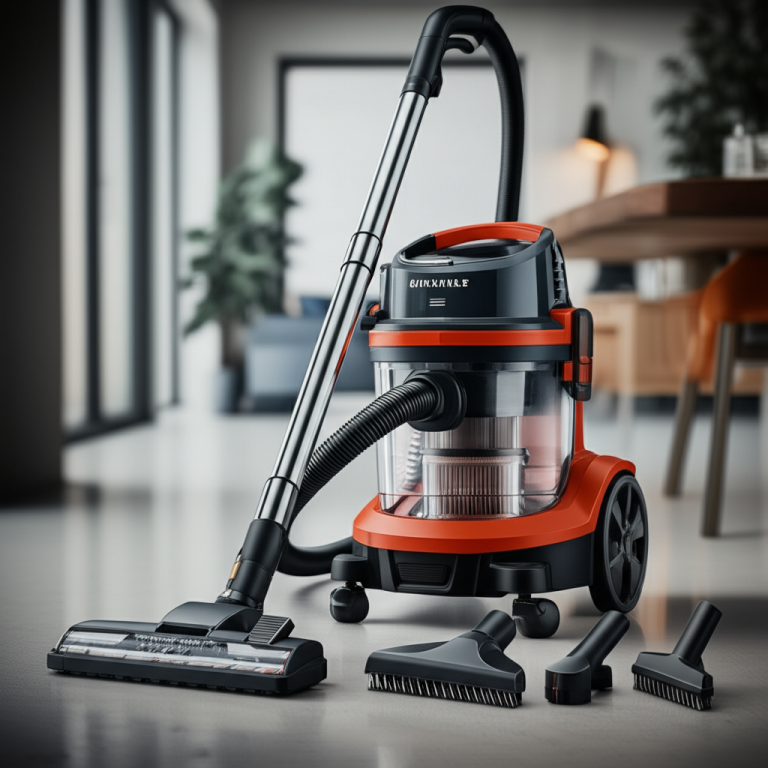
Bed bugs love to hide in tight spaces. Your vacuum needs attachments that can reach these areas. Look for a crevice tool, an upholstery brush, and a brush roll that can be turned on and off. A crevice tool gets into the narrow gaps in furniture and baseboards. An upholstery brush is great for mattresses, sofas, and curtains. The ability to turn off the brush roll is important for delicate surfaces like mattresses.
Crevice tools reach narrow spaces like sofa seams and baseboards.
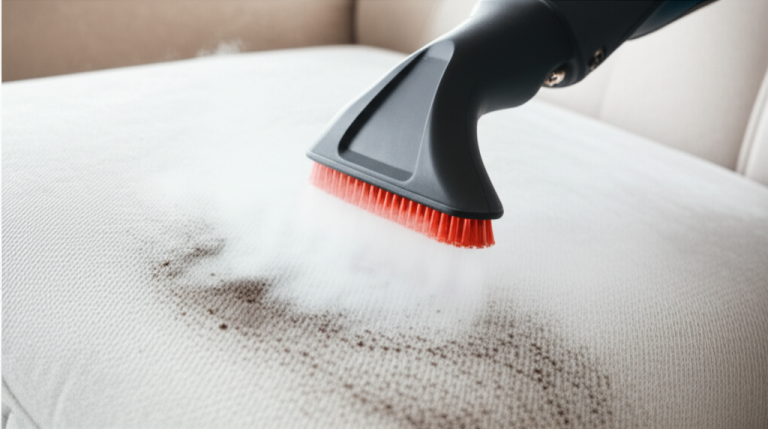
Upholstery brushes are ideal for mattresses, furniture, and fabric.
Attachments allow for targeted cleaning of infestation hot spots.
These tools are like your vacuum’s special agents. They go where the main vacuum head can’t, sniffing out and capturing hidden bugs.
Types of Vacuum Cleaners Best Suited for Bed Bugs
Not all vacuums are created equal when it comes to pest control. Some types are much more effective than others. Considering the nature of bed bug infestations, certain models rise to the top. We’ll look at canister, upright, and even handheld vacuums, and which features make them suitable.
Canister Vacuums: Versatility and Power
Canister vacuums often offer a great combination of power and maneuverability. They typically have a strong motor and a variety of attachments. The main unit sits on the floor, and you use a hose and wand to clean. This makes them excellent for reaching under furniture and into tight corners. Many canister models also feature excellent filtration systems.
Canister vacuums offer strong suction and a flexible hose.
They are good for cleaning various surfaces and hard-to-reach areas.
Many come with effective HEPA filtration.
The separate canister design allows for a more compact and powerful suction head. This makes them very effective for detailed cleaning.
Upright Vacuums: Deep Carpet Cleaning
Upright vacuums are powerful, especially for carpets. They often have wide cleaning paths and strong agitation from their brush rolls. If your primary concern is heavily carpeted areas where bed bugs might hide, an upright could be a good choice. Look for models with adjustable height settings and good suction power. Ensure it has good edge cleaning capabilities.
Upright vacuums excel at deep cleaning carpets.
They have powerful brush rolls for agitation.
Look for models with good suction and edge cleaning.
These machines are workhorses for large floor areas. They can tackle thick carpets where bugs might burrow.
Handheld Vacuums: Spot Cleaning and Quick Response
Handheld vacuums are not usually the primary tool for a full infestation. However, they are excellent for quick spot treatments. You can use them to target visible bugs or small infested areas immediately. Look for a powerful handheld with good suction and a crevice tool attachment. They are perfect for cleaning car interiors or furniture where bed bugs might have spread.
Handheld vacuums are great for immediate spot treatments.
They are portable and easy to use on furniture and in cars.
Choose one with strong suction for effective bug capture.
A handheld vacuum is like your emergency response kit. It’s ready to go at a moment’s notice for small skirmishes.
Top Recommended Vacuum Cleaners for Bed Bug Elimination
Based on the features we’ve discussed, here are some types of vacuums and specific models that stand out for bed bug control. These are chosen for their strong suction, HEPA filtration, and useful attachments.
1. Miele Complete C3 Cat & Dog
This canister vacuum is renowned for its powerful suction and excellent filtration. It comes with a HEPA filter that captures allergens and fine dust. The “PowerLine” motor provides robust cleaning performance. It includes specialized tools for upholstery and tight spaces, making it ideal for tackling bed bugs in mattresses, furniture, and carpets.
Suction Power: Excellent, adjustable.
Filtration: Sealed system with HEPA filter.
Attachments: Upholstery tool, crevice tool, mini turbo brush.
Pros: Very effective filtration, powerful suction, durable.
Cons: Can be expensive, some find it heavy.
The Miele C3 is a premium choice for thoroughness. Its sealed system ensures no allergens or pests escape back into your home.
2. Dyson V11 Torque Drive/Absolute
Cordless stick vacuums like the Dyson V11 offer convenience and powerful suction. The V11 has a high-torque cleaner head that adapts to different floor types. Its whole-machine filtration captures allergens and traps them. It comes with useful tools for furniture and crevices, making it versatile for bed bug cleaning.
Suction Power: Very strong for a cordless.
Filtration: Whole-machine HEPA filtration.
Attachments: Combination tool, crevice tool, mini motorized tool.
Pros: Cordless convenience, strong suction, good filtration.
Cons: Battery life can be a concern for extensive cleaning, price.
Dyson vacuums are known for their advanced technology and strong performance. The V11 offers a great balance of power and ease of use.
3. Shark Navigator Lift-Away Professional (NV356S)
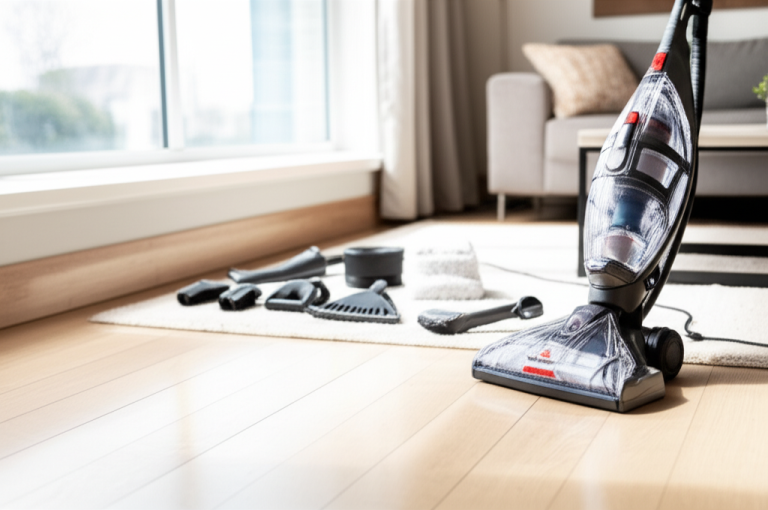
This upright vacuum features a Lift-Away canister, offering versatility. You can detach the canister for easier cleaning of stairs, upholstery, and above-floor areas. It includes a HEPA filter and a sealed system to trap allergens. The powerful suction and brush roll are effective for carpets and furniture.
Suction Power: Strong, consistent.
Filtration: Anti-allergen complete seal with HEPA filter.
Attachments: Crevice tool, upholstery tool, dusting brush.
Pros: Versatile lift-away feature, good filtration, more affordable.
Cons: Can be heavier than some canister models, brush roll doesn’t always turn off.
The Shark Navigator offers great value. Its ability to convert into a portable canister makes it very practical for detailed bed bug cleaning.
How to Effectively Vacuum for Bed Bugs
Simply vacuuming is not enough; you need a strategy. When dealing with bed bugs, your vacuuming technique matters. You want to be thorough and meticulous, targeting all potential hiding spots. This includes not just floors and carpets, but also furniture, mattresses, and even walls.
Step-by-Step Vacuuming Procedure
1. Prepare the Area: Remove clutter from the area you will be cleaning. This gives you clear access to all surfaces.
2. Start with Attachments: Begin by using the crevice tool along baseboards, in furniture seams, and around the edges of carpets. Go slowly and methodically.
3. Vacuum Upholstery and Mattresses: Use the upholstery attachment to vacuum mattresses, box springs, headboards, and upholstered furniture. Pay close attention to seams, tufts, and folds.
4. Clean Floors: Use the main vacuum head to clean carpets and hard floors. Make slow, overlapping passes.
5. Target Hidden Areas: Vacuum behind wall hangings, picture frames, and electrical outlets. Bed bugs can hide in surprisingly small spaces.
6. Bag and Seal Immediately: Once you are finished vacuuming, carefully remove the vacuum bag or canister. Seal the bag in a plastic bag and dispose of it immediately outside your home. If it’s a bagless vacuum, empty the canister into a sealed plastic bag and dispose of it outside.
7. Clean the Vacuum: Wipe down the exterior of the vacuum cleaner. Clean any reusable filters according to the manufacturer’s instructions.
This systematic approach ensures you don’t miss any hiding spots. It maximizes the effectiveness of your vacuuming efforts.
What to Do After Vacuuming
After you have finished vacuuming and disposed of the contents, the immediate action is done. However, it’s crucial to understand that vacuuming alone rarely eliminates an entire bed bug infestation. It is a critical first step, but it must be part of a comprehensive treatment plan. Consider following up with professional pest control services or other proven DIY methods like steam cleaning or insecticide treatments.
Vacuuming reduces the immediate population.
It removes visible signs of infestation.
It’s best used in conjunction with other treatments.
Regular vacuuming can help monitor for re-infestation.
This initial vacuuming session helps control the spread and reduces the number of pests. It makes subsequent treatments more effective.
The Importance of Immediate Disposal of Vacuum Contents
This is a critical step that many overlook. Bed bugs are tenacious. If you don’t dispose of the vacuum bag or canister contents properly, you risk re-infesting your home. The bugs and eggs you just captured can potentially escape.
Seal the Bag: Place the vacuum bag into a plastic bag and seal it tightly.
Dispose Outside: Take the sealed bag directly to an outdoor trash bin.
Clean Canister: If you have a bagless vacuum, empty the canister into a sealed plastic bag outside. Then, clean the canister thoroughly.
This step prevents the bugs from finding their way back into your living space. It’s a simple action with a significant impact.
When to Call a Professional
While a good vacuum cleaner is a powerful tool, there are times when professional help is necessary. If you have a severe infestation, or if your DIY efforts aren’t working, a pest control expert is your best bet. Professionals have access to stronger treatments and specialized equipment. They can also identify all the hiding spots you might have missed.
Severe infestations often require professional intervention.
If DIY methods aren’t yielding results, call an expert.
Professionals can identify and treat hidden harborage sites.
They have access to more potent treatment options.
A professional assessment can save you time and money in the long run. They can provide a targeted plan to eradicate the problem.
Frequently Asked Questions About Vacuuming for Bed Bugs
Q1: Can a regular vacuum cleaner kill bed bugs?
A regular vacuum cleaner with strong suction can capture bed bugs and their eggs. However, it’s crucial that the vacuum has a HEPA filter and that the collected debris is immediately and properly disposed of outside. Without these precautions, bugs might escape back into your home.
Q2: How often should I vacuum for bed bugs?
During an active infestation, vacuuming thoroughly at least once a week is recommended. After the infestation is cleared, continue vacuuming regularly to check for any signs of re-infestation. Monitoring is key to long-term success.
Q3: What do I do with the vacuum bag after cleaning for bed bugs?
Immediately after vacuuming, remove the vacuum bag. Place it inside another plastic bag, seal it tightly, and then dispose of it in an outdoor trash receptacle. This prevents any captured bed bugs or eggs from escaping back into your home.
Q4: Are there any special vacuum attachments for bed bugs?
While there aren’t specific “bed bug vacuum attachments,” specialized tools like crevice tools, upholstery brushes, and mini motorized tools are highly effective. These attachments allow you to clean seams, edges, and tight spaces where bed bugs and their eggs often hide.
Q5: Can bed bugs survive inside a vacuum cleaner?
Yes, bed bugs can survive inside a vacuum cleaner if the vacuum does not have a sealed HEPA filtration system and the collected debris is not promptly and properly disposed of outside. They can potentially crawl out or lay eggs within the vacuum itself.
Q6: Should I use a wet vacuum or a dry vacuum for bed bugs?
A dry vacuum cleaner is generally recommended for bed bug removal. Moisture can damage certain materials and potentially encourage mold growth. The focus should be on strong suction and effective filtration to physically remove the pests.
Q7: Is it safe to vacuum mattresses for bed bugs?
Yes, vacuuming mattresses is a safe and recommended practice for bed bug control. Use an upholstery attachment and focus on seams, tufts, and edges. After vacuuming, consider encasing your mattress and box spring in bed bug-proof covers.
Conclusion: Your Vacuum as a Key Weapon Against Bed Bugs
Successfully tackling a bed bug infestation requires a strategic approach, and the best vacuum cleaner for bed bugs is a vital part of that strategy. By choosing a vacuum with powerful suction, HEPA filtration, and the right attachments, you can effectively remove these pests and their eggs from your home. Remember to vacuum thoroughly, targeting all potential hiding spots, and always dispose of the collected debris immediately and safely outside. While vacuuming is a powerful first line of defense, always consider it as one component of a broader pest management plan. For ongoing peace of mind and to ensure complete eradication, consult with pest control professionals if needed.
—
HomeHygia Tip: Consider investing in mattress and box spring encasements after vacuuming. These zippered covers trap any remaining bugs inside and prevent new ones from infesting your sleeping surfaces.
—