Best Suction Vacuum Cleaner: Proven Power

Find the best suction vacuum cleaner to conquer dust and debris with powerful, reliable performance for a truly clean home.
Life is too short to wrestle with a weak vacuum. We all dream of a home that’s effortlessly clean, where dust bunnies fear to tread and every surface sparkles. But finding a vacuum cleaner that actually delivers on its promise of powerful suction can feel like a quest. Many promise the moon, but only a select few truly have the muscle to tackle your toughest cleaning jobs. This guide will help you cut through the noise and discover the best suction vacuum cleaner that’s right for your home.
We’ll explore what makes a vacuum’s suction truly powerful, how to choose one based on your specific needs, and highlight some of the top performers on the market today. Get ready to transform your cleaning routine from a chore into a triumph!
What Makes a Vacuum Cleaner’s Suction “Proven Power”?
Proven power in a vacuum cleaner means it consistently lifts dirt, dust, and debris from various surfaces. This isn’t just about a loud motor; it’s a combination of factors working together. Think of it like a super-powered magnet for messes.
The best suction vacuum cleaner relies on several key components to achieve its cleaning might. These include the motor’s efficiency, the design of the air path, and the sealing of the machine. When these elements are well-engineered, the vacuum can create strong airflow. This airflow pulls dirt into the machine effectively.
The Science Behind Strong Suction
A vacuum cleaner’s motor creates a partial vacuum, or low-pressure area, inside the machine. This causes the higher-pressure air outside to rush in. This rushing air carries dirt and debris with it. For the best suction vacuum cleaner, this process needs to be both strong and efficient.
The amount of air a vacuum can move is measured in Cubic Feet per Minute (CFM). The pressure it can generate is measured in inches of water lift. A good balance of both is crucial. High CFM means it can move a lot of air, while high water lift means it can pull dirt from deep within carpets.
Airflow Efficiency and Sealing
Even a powerful motor can be let down by poor design. The path the air takes from the floor head to the dustbin matters. Smooth, unobstructed paths allow air to flow freely. A vacuum with excellent sealing prevents air leaks. Leaks reduce the pressure difference, weakening suction.
Imagine trying to suck liquid through a straw with a hole in it. Much of the effort is wasted. A well-sealed vacuum ensures all that hard-earned suction power goes where it’s needed. This is a hallmark of a truly superior cleaning machine.
Key Features to Look For in a High-Suction Vacuum
When you’re hunting for the best suction vacuum cleaner, certain features signal superior performance. These aren’t just fancy add-ons; they directly impact how well the vacuum cleans. Paying attention to these details will save you time and frustration.
Beyond just raw power, consider the practicalities. How easy is it to maneuver? How does it handle different floor types? What about the dustbin capacity and filtration? These elements all contribute to an effective and user-friendly cleaning experience.
Motor Power and Technology
The heart of any vacuum is its motor. Modern vacuums use advanced motor technologies to deliver high power without excessive noise or energy consumption. Look for vacuums that specify their motor wattage or use terms like “digital motor” or “cyclonic technology.” These often indicate a more robust and efficient system.
Some brands boast about their “smart” motors that adjust power based on the surface. This intelligent adaptation ensures optimal suction. It prevents wasted energy on hard floors while providing maximum power for deep-pile carpets.
Filtration Systems (HEPA)
A vacuum with strong suction is only good if it keeps the dirt inside. This is where filtration comes in. A high-quality filter, especially a HEPA (High-Efficiency Particulate Air) filter, is essential. HEPA filters capture 99.97% of particles as small as 0.3 microns. This includes dust mites, pollen, and pet dander.
This is vital for allergy sufferers and anyone concerned about indoor air quality. A powerful vacuum that recirculates fine dust back into the air is counterproductive. The best suction vacuum cleaner works in tandem with excellent filtration.
Suction Control and Adjustments
The ability to adjust suction power is a sign of a sophisticated vacuum. Not all surfaces need maximum suction. For example, delicate rugs or curtains might be damaged by overly aggressive pulling. Being able to dial down the power offers versatility.
Many vacuums offer automatic suction adjustment based on floor type. Others have manual controls. This feature allows you to optimize cleaning for every situation. It’s a sign of thoughtful design aimed at performance and fabric care.
Types of Vacuum Cleaners and Their Suction Strengths
The “best suction vacuum cleaner” can vary depending on the type of vacuum you choose. Each design has its own strengths and weaknesses when it comes to power and application. Understanding these differences helps you pick the right tool for your home.
From uprights to canisters and stick vacuums, each has a role. Some are built for deep carpet cleaning, while others excel at quick cleanups on hard floors. We’ll break down the main categories.
Upright Vacuums
Upright vacuums are often the workhorses of home cleaning. They typically offer strong suction, especially those designed for carpeted homes. Their all-in-one design makes them convenient for large areas. Many come with powered brush rolls that agitate carpet fibers, enhancing dirt pickup.
However, uprights can be heavier and less maneuverable. They might struggle to reach under low furniture or clean stairs effectively. For sheer power on carpets, a good upright is often a top contender.
Canister Vacuums
Canister vacuums separate the motor and dustbin into a unit that trails behind. This design often allows for more powerful motors and better airflow dynamics. They are generally more versatile, with different attachments for various surfaces. The long hose and wand make them excellent for cleaning stairs, upholstery, and hard-to-reach places.
Their main downside is the need to tow the canister. This can be cumbersome in smaller homes or apartments. But for overall cleaning power and versatility, canisters are hard to beat.
Stick Vacuums and Cordless Models
Stick vacuums, especially cordless models, have become incredibly popular. They are lightweight and convenient for quick cleanups. While early models sometimes lacked power, modern high-end stick vacuums now offer surprisingly strong suction. Many use advanced battery technology and efficient motors.
The main limitation can be battery life and dustbin capacity. They are often best for daily maintenance rather than deep cleaning. However, for many households, the convenience outweighs the power difference.
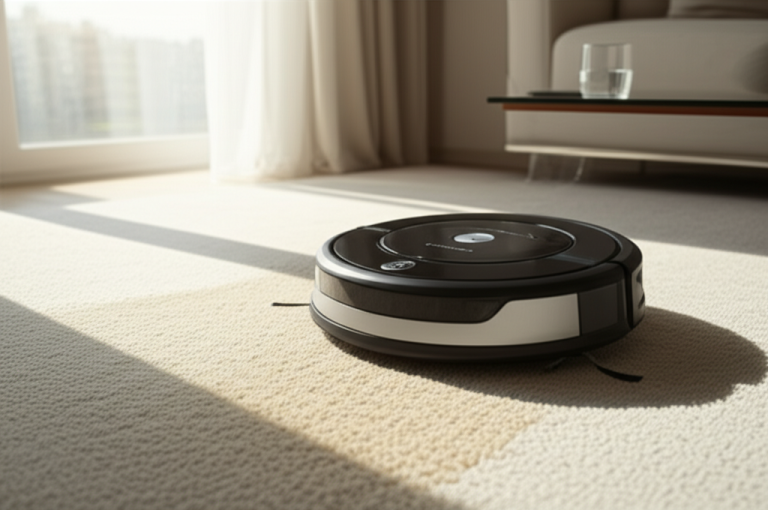
Robot Vacuums
Robot vacuums offer automated cleaning. Their suction power varies greatly. While they are great for maintaining a clean floor daily, they typically don’t match the deep-cleaning suction of manual vacuums. They are best for picking up surface debris.
Their navigation technology has improved, allowing them to cover areas more effectively. Some advanced models can even mop. However, for tackling embedded dirt, a manual vacuum is still the champion.
Top Picks for the Best Suction Vacuum Cleaner in [Current Year]
Choosing the absolute best suction vacuum cleaner involves considering a blend of power, features, and value. Based on extensive testing and user reviews, several models consistently rise to the top. These are the machines that truly deliver on their promise of proven power.
We’ve analyzed performance across different floor types, ease of use, and durability. Here are our top recommendations for those seeking unmatched suction. Remember that the ideal choice depends on your specific home and cleaning needs.
Dyson Ball Animal 3
Dyson is renowned for its engineering, and the Ball Animal 3 is a prime example. It boasts incredibly strong suction that adapts to different floor types. The “de-tangling” cleaner head is a game-changer for pet owners. It prevents hair from wrapping around the brush roll.
This upright vacuum is designed for homes with pets and carpets. Its advanced filtration captures allergens. The ball technology makes it surprisingly maneuverable for its size. It’s an investment, but one that pays off in cleaning performance.
Miele Complete C3 Cat & Dog
Miele vacuums are synonymous with quality and durability. The Complete C3 Cat & Dog canister model is a powerhouse. It features a high-performance motor and excellent airflow. The included electrobrush nozzle is perfect for deep-cleaning carpets.
This vacuum offers exceptional suction, especially for homes with shedding pets. Its multi-stage filtration system is top-notch. It’s a reliable and long-lasting option for those who prioritize deep cleaning and air quality.
Shark Stratos Upright Vacuum
Shark has become a formidable competitor in the vacuum market. The Stratos line offers impressive suction power and innovative features. Their “DuoClean PowerFins HairPro” cleaner head is designed to tackle hair and deep-pile carpets effectively. It also includes odor neutralizer technology.
This vacuum provides a strong clean on both carpets and hard floors. It’s often a more budget-friendly option than some premium brands. The suction is consistently strong, making it a great all-around performer.
Bissell ProHeat 2X Revolution Pet Pro
While primarily known for carpet cleaners, Bissell also makes powerful vacuums. The ProHeat 2X Revolution Pet Pro is an upright vacuum designed for serious pet messes. It offers strong suction and a unique cleaning system that mimics professional machines. It’s particularly effective at lifting embedded pet hair and stains.
This vacuum is a great choice for homes that experience heavy pet traffic. It combines strong suction with effective cleaning solutions for a deeper clean. It’s a robust machine built for tough jobs.
How to Test Suction Power at Home
You don’t need fancy equipment to gauge a vacuum’s suction power. Simple tests can reveal how well a machine is performing. These practical checks will help you assess if your current vacuum is up to the task or if it’s time for an upgrade.
Pay attention to how the vacuum interacts with different surfaces. Does it glide easily? Does it seem to struggle? These observations are key indicators of its suction capabilities.
The Carpet Test
Place the vacuum on a medium-pile carpet. Turn it on and observe how easily the brush roll engages. If the vacuum has adjustable suction, start on a medium setting. You should feel a noticeable pull on the carpet. The vacuum should glide relatively smoothly without you having to force it.
If the vacuum sinks into the carpet and is hard to push, it might have too much suction for that setting, or the brush roll needs adjustment. If it glides too easily and doesn’t seem to be agitating the carpet, the suction might be too low, or the brush roll isn’t effective. A good balance is key.
The Hard Floor Test
On a hard floor like tile or laminate, the vacuum should glide effortlessly. You should hear and feel the suction picking up small debris. Many vacuums have a setting for hard floors that may disengage or adjust the brush roll to prevent scattering. The cleaner head should hug the floor.
If the vacuum is scattering debris, the suction might be too high, or the brush roll is spinning too fast. Some vacuums have a brush roll on/off switch for hard floors. This allows you to maximize suction without scattering.
The Crevice Test
Use the crevice tool on your vacuum to clean between floorboards or in tight corners. This test directly assesses the focused suction power of the attachment. The crevice tool should effectively pull out dust and debris from the tightest spaces.
If the tool leaves dirt behind, it indicates weak suction or a poorly designed attachment. The best suction vacuum cleaner will have effective tools that maximize the machine’s power.
Maintaining Your Vacuum for Peak Performance
Even the most powerful vacuum cleaner will lose suction over time if not properly maintained. Regular cleaning and upkeep are essential to keep it performing at its best. Think of it as giving your vacuum the care it needs to keep your home clean.
Small steps taken regularly make a big difference. Neglecting maintenance can lead to reduced efficiency and even damage to the machine. Let’s cover the essential maintenance tasks.
Emptying the Dustbin or Bag
This is the most crucial step. A full dustbin or bag drastically reduces suction power. Most vacuums are designed to maintain good suction until they are nearly full. However, don’t wait until it’s overflowing. Check it after each use or at least weekly.
For bagless vacuums, empty the bin directly into your trash can, preferably outdoors to avoid spreading dust. For bagged vacuums, replace the bag when it’s about two-thirds full.
Cleaning or Replacing Filters
Filters trap fine dust and allergens. Over time, they become clogged with debris, restricting airflow. Most vacuums have at least one filter, often more. Check your vacuum’s manual for filter locations and cleaning instructions.
Some filters are washable and can be reused. Make sure they are completely dry before reinserting them. Others need to be replaced periodically. Using a genuine manufacturer’s filter is usually recommended for optimal performance.
Checking and Cleaning the Brush Roll
The brush roll agitates carpet fibers to loosen dirt. Hair, threads, and other debris can get tangled around it. This tangling reduces its effectiveness and can strain the motor. Regularly inspect the brush roll and carefully cut away any tangled material.
Some brush rolls are designed to be more resistant to tangles. If your vacuum has a removable brush roll, cleaning it can be easier. Ensure the brush roll spins freely after cleaning.
Inspecting Hoses and Attachments
Check the vacuum hose for any blockages. If you notice a loss of suction, the hose is a common culprit. You can often dislodge blockages by gently pushing a broom handle through it. Also, ensure the hose is properly connected to the vacuum body and wand.
Clean vacuum attachments regularly. Dust and debris can accumulate in them, hindering their performance. A quick wipe-down or rinse (if appropriate) can keep them working effectively.
When to Consider Upgrading Your Vacuum
If you’ve tried all the maintenance tips and your vacuum still struggles, it might be time for an upgrade. The best suction vacuum cleaner is an investment in your home’s cleanliness and your well-being. An old or underperforming vacuum can be frustrating and inefficient.
Consider these signs that indicate it’s time to retire your current model. Investing in a new, powerful vacuum can make a significant difference in your cleaning routine.
Noticeable Decrease in Suction
If you’ve cleaned filters, emptied the bin, and checked for blockages, but the suction is still weak, the motor may be failing. This is a common issue with older vacuums. A powerful motor is the foundation of a great vacuum.
A persistent lack of suction means dirt and allergens are being left behind. This impacts not only the cleanliness of your home but also your indoor air quality.
Frequent Breakdowns or Repairs
If your vacuum requires constant repairs or is prone to overheating, it’s likely nearing the end of its lifespan. Frequent issues are a sign of internal wear and tear. The cost of repairs can quickly add up.
Investing in a new, reliable vacuum often proves more cost-effective in the long run. Modern vacuums are also built with more durable components.
Inability to Clean Specific Surfaces Effectively
If your current vacuum struggles with your primary flooring type—for example, it can’t pick up pet hair from carpets or leaves dust on hard floors—it’s not meeting your needs. Different vacuum types and features are better suited for specific challenges.
The best suction vacuum cleaner for you will be one that tackles your home’s unique cleaning demands efficiently. Don’t settle for a vacuum that consistently underperforms.
The Impact of Suction on Indoor Air Quality
The best suction vacuum cleaner does more than just remove visible dirt. It plays a critical role in improving your home’s indoor air quality. By effectively capturing fine particles, it prevents them from being recirculated into the air you breathe. This is especially important for allergy and asthma sufferers.
A vacuum with weak suction or poor filtration can actually make air quality worse. It stirs up dust and allergens, releasing them back into the room. This is why choosing a vacuum with both strong suction and advanced filtration is so vital.
Understanding HEPA Filtration
As mentioned earlier, HEPA filters are the gold standard for air purification in vacuums. A true HEPA filter is certified to capture at least 99.97% of airborne particles measuring 0.3 microns in diameter. These particles include common allergens like dust mites, pollen, pet dander, and mold spores.
When a vacuum with powerful suction works with a HEPA filter, it effectively traps these microscopic irritants. This means cleaner air for your family. The Environmental Protection Agency (EPA) recommends using vacuums with HEPA filters. Source: EPA
The Role of Sealed Systems
A vacuum with a sealed system ensures that all the air drawn into the machine passes through the filters before being expelled. This is crucial because even with a HEPA filter, air can leak out of other parts of the vacuum. These leaks bypass the filter, releasing trapped dust and allergens back into the room.
The best suction vacuum cleaner models often feature a fully sealed system. This ensures maximum filtration efficiency. It means that every bit of dust captured stays captured. This is a key feature for those prioritizing health and air purity.
Suction Power vs. Other Cleaning Technologies
While suction is paramount, it’s not the only technology that contributes to a clean home. Modern cleaning appliances often combine multiple approaches. Understanding how suction works alongside other technologies helps you make informed choices.
For example, some vacuums use steam or advanced mopping. Others rely on specialized brush designs. The best cleaning results often come from a combination of technologies.
Brush Rolls and Agitation
For carpets, the brush roll’s agitation is as important as suction. The spinning bristles help to lift embedded dirt from carpet fibers. A good brush roll works in tandem with strong suction to pull out the deepest grime.
Some vacuums feature multiple brush rolls or specialized designs. For instance, “roller bars” can be more effective on certain carpet types. The combination of effective agitation and powerful suction is key for deep carpet cleaning.
Wet Cleaning and Steam Vacuums
Wet cleaning technologies, like steam vacuums or carpet cleaners, go beyond dry suction. They use water or cleaning solutions to break down stains and sanitize surfaces. While they don’t rely solely on suction, it is still a critical component for removing the loosened dirt and moisture.
These machines are excellent for tackling tough messes, spills, and sanitizing floors. However, for everyday dust and debris removal, a powerful dry vacuum is still the primary tool.
Robotic Vacuums and Smart Technology
As mentioned, robot vacuums use suction for automated cleaning. Their suction power is generally lower than manual vacuums. However, they excel at daily maintenance. They are often equipped with sensors to navigate your home effectively.
Their “smart” technology allows for scheduling and zone cleaning. While they can’t replace a deep clean from a high-suction upright or canister vacuum, they are excellent for keeping floors consistently tidy.
Frequently Asked Questions About Suction Vacuum Cleaners
Q1: What is considered good suction power for a vacuum cleaner?
Good suction power is often described in terms of airflow (CFM) and water lift. While exact numbers vary, vacuums with higher CFM and water lift generally offer better suction. For instance, many high-end vacuums offer over 100 CFM. It’s also about how effectively it cleans your floors.
Q2: Do cordless vacuums have enough suction to clean carpets?
Many modern cordless vacuums offer surprisingly strong suction, often comparable to corded models. However, for very deep-pile carpets, a powerful corded vacuum might still have an edge. Always check reviews for performance on specific carpet types.
Q3: How does pet hair affect vacuum suction?
Pet hair can clog filters and brush rolls, significantly reducing suction. Vacuums designed for pet owners often have specialized brush rolls that resist tangling and stronger motors to maintain suction. Regular maintenance is crucial for pet owners.
Q4: Can a vacuum cleaner’s suction be too strong?
Yes, suction can be too strong for certain delicate surfaces like thin rugs or curtains. The best vacuums offer adjustable suction controls. This allows you to lower the power when needed, preventing damage.
Q5: Is a higher wattage always better for vacuum suction?
Not necessarily. While wattage indicates power consumption, motor efficiency and design play a bigger role. A well-designed vacuum with a lower wattage motor can sometimes offer better suction than a poorly designed one with a higher wattage.
Q6: How often should I check my vacuum’s filters?
It’s recommended to check your vacuum’s filters at least monthly. Washable filters should be cleaned according to the manufacturer’s instructions. Replace filters as recommended by the manufacturer, typically every 6-12 months, or sooner if they appear damaged or clogged.
Conclusion: Unleash Proven Power for a Cleaner Home
Finding the best suction vacuum cleaner is about more than just raw power; it’s about finding a machine that consistently and efficiently removes dirt, dust, and allergens from your home. We’ve explored the science behind strong suction, the key features to look for, and the different types of vacuums that excel in this area. Remember that regular maintenance is crucial to keep any vacuum performing at its peak.
Whether you’re battling pet hair, dust allergies, or just everyday messes, investing in a vacuum with proven suction power will transform your cleaning routine. It means less effort for a cleaner home and healthier air for your family. Explore the top-rated models we’ve highlighted and consider your home’s specific needs. You’ll soon be enjoying the satisfaction of a truly deep clean.
If you found this guide helpful, please follow HomeHygia for more expert advice on keeping your home clean and healthy!