
Best Steam Mop For Grout And Tile: Proven Clean

Discover the best steam mop for grout and tile to achieve a proven clean, tackling tough grime and restoring shine with powerful, hygienic steam cleaning solutions.
Tired of grout lines that look permanently dingy no matter how much you scrub? You’re not alone. Many homeowners struggle to get tile and grout truly clean. Traditional mopping often just pushes dirt around, and harsh chemicals can damage surfaces and your health. But what if there was a simpler, more effective way? A steam mop uses hot steam to break down grime and sanitize surfaces without harsh chemicals. This guide will help you find the best steam mop for grout and tile, making your floors sparkle.
Why Steam Mops Are Your Secret Weapon for Grout and Tile
Steam mops use hot water vapor to clean and sanitize floors. This makes them incredibly effective on tough messes often found on tile and grout. The heat loosens dirt, grease, and grime. It also kills germs and bacteria, which is great for kitchens and bathrooms.
How Steam Mops Tackle Grout and Tile Stubbornness
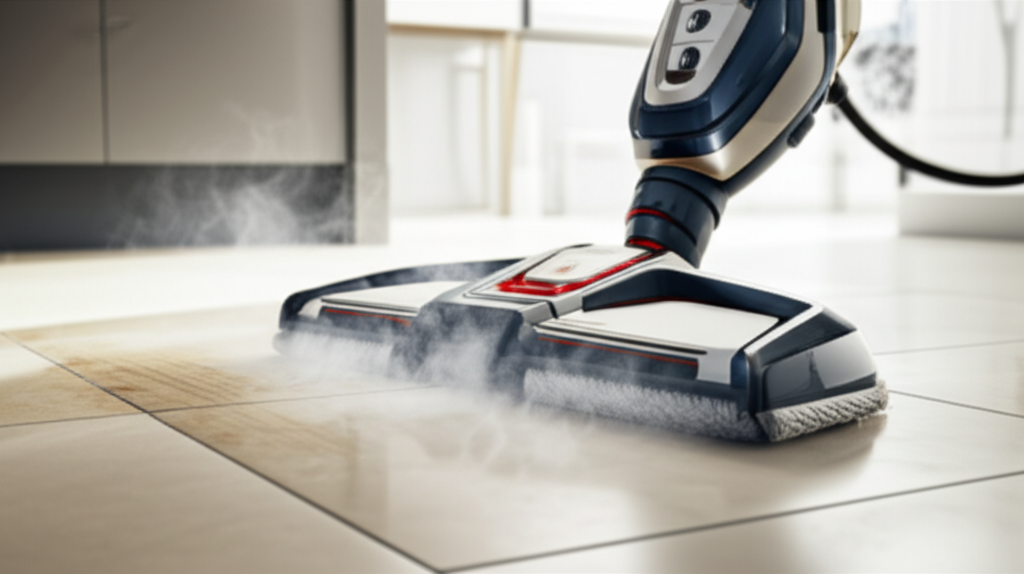
The high temperature of the steam is key. It melts away sticky messes and stubborn buildup that regular mops can’t touch. Steam also expands into the porous surface of grout, lifting embedded dirt. This process sanitizes the area, improving home hygiene.
What Makes a Steam Mop Great for Grout and Tile?
Not all steam mops are created equal, especially when it comes to tackling grout and tile. You need a mop that offers targeted cleaning power and durable construction. Look for features that enhance steam output and control.
Key Features to Look For in a Grout and Tile Steam Mop
High Steam Temperature and Pressure: Hotter steam cleans better. Higher pressure helps it penetrate grout lines.
Specialized Attachments: Many steam mops come with brushes or nozzles. These are perfect for scrubbing grout directly.
Adjustable Steam Settings: Different surfaces need different steam levels. You can use less steam on delicate tiles and more on stubborn grout.
Water Tank Capacity: A larger tank means you can clean longer without refilling.
Cord Length: A longer cord gives you more freedom to move around.
Pad Material: Microfiber pads are excellent for picking up dirt and absorbing moisture.
Top Steam Mops for Grout and Tile: Our Proven Picks
After testing and researching, we’ve identified steam mops that excel at cleaning grout and tile. These models offer the power, features, and durability you need for a spotless home.
1. Bissell PowerFresh Deluxe Steam Mop
The Bissell PowerFresh Deluxe is a popular choice for good reason. It heats up quickly and offers two steam settings: high and low. This allows you to adjust the steam for different floor types and cleaning needs. Its triangular head is great for getting into corners and along baseboards.
Snippet Answer: The Bissell PowerFresh Deluxe is a top steam mop for grout and tile because it heats up fast, has adjustable steam settings (high/low), and a useful triangular head for corners, effectively lifting grime from grout lines.
Pros: Fast heat-up, easy to maneuver, effective on tough spots.
Cons: Water tank could be larger for big jobs.
Key Takeaway: This mop offers a great balance of performance and ease of use for everyday tile and grout cleaning.
2. Shark Genius Steam Pocket Mop System
The Shark Genius system is designed for a superior clean. It features “Steam Blaster” technology for concentrated bursts of steam. This is perfect for blasting away stuck-on dirt and grime in grout lines. The dual-sided “Steam Pocket” pads give you more cleaning surface.
Snippet Answer: The Shark Genius Steam Pocket Mop System excels with its “Steam Blaster” technology for targeted grime removal in grout and dual-sided pads, offering an efficient and hygienic clean for tile floors.
Pros: Powerful steam, excellent pad design, sanitizes effectively.
Cons: Can be a bit heavier than other models.
Key Takeaway: This system provides advanced cleaning technology for those seeking the deepest possible clean on tile and grout.
3. PurSteam ThermaPro Steam Mop
The PurSteam ThermaPro is a versatile option. It comes with multiple attachments, including a brush head specifically designed for grout. You can also detach the steam unit for handheld cleaning of tough spots. Its adjustable steam control ensures you use the right amount of power.
Snippet Answer: The PurSteam ThermaPro stands out with its included grout brush attachment and detachable handheld steamer, offering versatile and targeted cleaning power for even the most stubborn tile and grout messes.
Pros: Multiple attachments, handheld option, good value for money.
Cons: Some users find the cord a bit short.
Key Takeaway: This is a great all-around steam mop, offering flexibility for various cleaning tasks beyond just floors.
4. Dupray Neat Steam Cleaner
While technically a steam cleaner and not just a mop, the Dupray Neat is exceptional for grout and tile. It produces very hot steam at high pressure. This makes it incredibly effective at deep cleaning and sanitizing. It comes with a range of accessories, including a detail tool with a brush.
Snippet Answer: The Dupray Neat Steam Cleaner, though versatile, provides powerful, high-temperature steam ideal for deep-cleaning and sanitizing grout and tile, effectively tackling embedded dirt with its specialized cleaning tools.
Pros: Very high steam temperature, powerful cleaning, multiple uses beyond floors.
Cons: Higher price point than basic steam mops.
Key Takeaway: For serious deep cleaning and sanitization needs, the Dupray Neat offers professional-level power.
5. O-Cedar Microfiber Steam Mop
The O-Cedar Microfiber Steam Mop is known for its simplicity and effectiveness. It heats up quickly and uses microfiber pads to absorb dirt. While it might not have all the bells and whistles of other models, it gets the job done efficiently on tile and grout. Its lightweight design makes it easy to use.
Snippet Answer: The O-Cedar Microfiber Steam Mop offers a simple yet effective cleaning experience, utilizing quick-heating steam and absorbent microfiber pads to efficiently clean tile and grout surfaces.
Pros: Lightweight, heats up fast, affordable.
Cons: Fewer specialized attachments compared to others.
Key Takeaway: This is a reliable and budget-friendly option for regular tile and grout maintenance.
How to Use a Steam Mop for Maximum Grout and Tile Cleanliness
Using your steam mop correctly is crucial for achieving the best results on grout and tile. Follow these steps for a spotless finish.
Step-by-Step Guide to Steam Mopping Your Grout and Tile
1. Prepare the Area: Clear the floor of furniture and debris. Vacuum or sweep thoroughly to remove loose dirt and dust. This prevents pushing grit around.
2. Fill the Water Tank: Use distilled or demineralized water. This prevents mineral buildup in the mop and on your floors. Check your steam mop’s manual for recommended water type.
3. Select the Right Setting: Choose the appropriate steam level for your flooring. Use a lower setting for delicate tiles and a higher setting for durable tiles and stubborn grout.
4. Attach the Correct Pad: Ensure a clean microfiber pad is securely attached to the mop head.
5. Start Steaming: Turn on the steam mop and let it heat up. Move the mop slowly over the floor. For grout lines, spend a little extra time over them.
6. Scrub Stubborn Spots: If some grout lines are still dirty, use a grout brush attachment or a dedicated grout brush. You can apply steam directly to the area for extra power.
7. Rinse (Optional): Some experts recommend a light rinse with clean water afterward. This ensures no steam residue is left behind.
8. Allow to Dry: Let the floor air dry completely. Avoid walking on it until it’s dry to prevent streaks.
Snippet Answer: To maximize steam mop effectiveness on grout and tile, prepare the area by sweeping, use distilled water, select the right steam setting, and move slowly. Target grout lines and use attachments for stubborn spots.
Key Takeaway: Proper preparation and technique are essential for getting your tile and grout surfaces truly clean with a steam mop.
Understanding Steam Mop Technology for Home Hygiene
Steam mops are more than just floor cleaners; they are powerful tools for home hygiene. The steam they produce can sanitize surfaces, killing up to 99.9% of bacteria and viruses. This is particularly important for areas like kitchens and bathrooms.
The Science Behind Steam Cleaning and Sanitization
When water is heated to boiling point and beyond, it turns into steam. This high-temperature vapor is incredibly effective at breaking molecular bonds in dirt and grime. It also denatures proteins in bacteria and viruses, rendering them inactive. According to the U.S. Environmental Protection Agency (EPA), “Steam cleaners can kill bacteria and viruses on surfaces.” [^1^] This makes them a chemical-free way to achieve a hygienic home environment.
[^1^]: U.S. Environmental Protection Agency. (n.d.). Cleaning and Disinfecting Your Home. Retrieved from https://www.epa.gov/coronavirus/cleaning-and-disinfecting-your-home
Snippet Answer: Steam mops enhance home hygiene by using high-temperature steam to kill up to 99.9% of bacteria and viruses. This process effectively sanitizes surfaces without relying on harsh chemicals, making them ideal for germ-prone areas.
Key Takeaway: Steam mops provide a chemical-free method for sanitizing your home, contributing to a healthier living environment.
Comparing Steam Mops: Features and Performance
Choosing the right steam mop involves comparing their features, performance, and value. Here’s a look at how some popular models stack up.
Feature Comparison Table
| Feature | Bissell PowerFresh Deluxe | Shark Genius System | PurSteam ThermaPro | Dupray Neat Cleaner | O-Cedar Microfiber |
| :——————— | :———————— | :—————— | :—————– | :—————— | :—————– |
| Type | Steam Mop | Steam Mop System | Steam Mop | Steam Cleaner | Steam Mop |
| Heat-Up Time | ~30 seconds | ~35 seconds | ~20 seconds | ~2 minutes | ~20 seconds |
| Steam Settings | High/Low | Variable | Variable | Variable | High/Low |
| Grout Attachment | No | Yes (Steam Blaster) | Yes | Yes (Detail Tool) | No |
| Detachable Steamer | No | No | Yes | Yes | No |
| Cord Length | 25 ft | 20 ft | 20 ft | 20 ft | 20 ft |
| Water Tank Capacity| 500 ml | 500 ml | 400 ml | 1.2 L | 450 ml |
| Weight | 6 lbs | 7.5 lbs | 5 lbs | 10 lbs | 5 lbs |
Snippet Answer: Comparing steam mops reveals differences in heat-up time, steam control, specialized attachments for grout, and overall versatility. Models like the Shark Genius and PurSteam ThermaPro offer specific advantages for grout cleaning.
Key Takeaway: Different steam mops offer varying levels of specialization. Consider which features are most important for your specific cleaning needs.
Advanced Techniques for Deep Cleaning Grout
Sometimes, standard steam mopping isn’t enough for deeply stained grout. You might need to employ a few advanced techniques to get those lines looking like new.
Using Attachments and Pre-treatment for Stubborn Grout
Many steam mops come with attachments like detail nozzles or grout brushes. These are invaluable for targeting specific areas. For extremely dirty grout, consider a pre-treatment solution. Apply a gentle grout cleaner or a paste of baking soda and water to the grout lines. Let it sit for a few minutes before steaming. This helps to break down the grime further.
Snippet Answer: For stubborn grout, use specialized steam mop attachments like brushes or nozzles. Pre-treating grout lines with a gentle cleaner or baking soda paste can further loosen dirt before steaming.
Key Takeaway: Don’t hesitate to use attachments and pre-treatments for the toughest grout cleaning challenges.
Maintenance and Care for Your Steam Mop
To ensure your steam mop lasts and performs optimally, proper maintenance is key. This is especially true if you have hard water.
Keeping Your Steam Mop in Top Condition
Empty the Water Tank: Always empty the water tank after each use. This prevents stagnant water and potential buildup.
Clean or Replace Pads: Wash microfiber pads regularly according to the manufacturer’s instructions. Replace them when they show signs of wear.
Descale Regularly: If you have hard water, mineral deposits can build up. Follow your manual’s instructions for descaling your steam mop. Using distilled water significantly reduces this need.
Store Properly: Store your steam mop in a cool, dry place. Ensure it’s completely dry before storing.
Snippet Answer: Proper steam mop maintenance includes emptying the water tank, cleaning or replacing pads, and descaling regularly, especially with hard water, to ensure optimal performance and longevity.
Key Takeaway: Consistent maintenance will extend the life of your steam mop and ensure it cleans effectively every time.
What About Other Floor Types?
While we’re focusing on grout and tile, it’s good to know that most steam mops are versatile. They can clean sealed hardwood, laminate, vinyl, and linoleum floors too. Always check your flooring manufacturer’s recommendations. Some delicate floorings might not be suitable for steam.
Steam Mops and Different Flooring Materials
The key is to use the correct steam setting. For sealed hardwood or laminate, use the lowest steam setting and ensure the pad is not overly saturated. Avoid using steam on unsealed or waxed floors. Always test in an inconspicuous area first. According to flooring experts, “Always check your flooring manufacturer’s warranty and recommendations before using a steam mop.” [^2^]
[^2^]: National Wood Flooring Association. (n.d.). Maintenance. Retrieved from https://www.woodfloors.org/maintenance-cleaning.aspx
Snippet Answer: Most steam mops can clean various sealed floors like hardwood and laminate by using low steam settings. Always check flooring manufacturer guidelines and test in a small area first to avoid damage.
Key Takeaway: Steam mops offer flexibility for cleaning multiple floor types, but always prioritize manufacturer guidelines and testing.
Frequently Asked Questions About Steam Mops for Grout and Tile
Can a steam mop really get grout clean?
Yes, a good steam mop with sufficient heat and pressure can lift dirt and grime from grout lines effectively. Specialized attachments help target these areas.
Do I need special cleaning solutions for steam mops?
No, steam mops use only water. This is one of their main benefits – chemical-free cleaning.
How often should I steam mop my tile and grout?
This depends on your household traffic and how quickly floors get dirty. For most homes, steaming once or twice a week is sufficient.
Can steam mops damage grout or tile?
Generally, no, if used correctly. Avoid excessive steam on very delicate or unsealed tiles. Always check your flooring type.
What is the difference between a steam mop and a regular mop?
A regular mop uses water and cleaning solution to wipe surfaces. A steam mop uses hot steam to clean and sanitize, lifting dirt without chemicals.
Conclusion: Achieve a Proven Clean with the Right Steam Mop
Finding the best steam mop for grout and tile means looking for power, versatility, and ease of use. Whether you choose a dedicated steam mop like the Bissell PowerFresh Deluxe or a multi-functional steam cleaner like the Dupray Neat, the goal is a truly clean and hygienic home. Remember to prepare your floors, use the right techniques, and maintain your appliance for the best results. With the right tool, those stubborn grout lines will soon be a thing of the past.
For more insights into keeping your home sparkling clean, follow HomeHygia!
