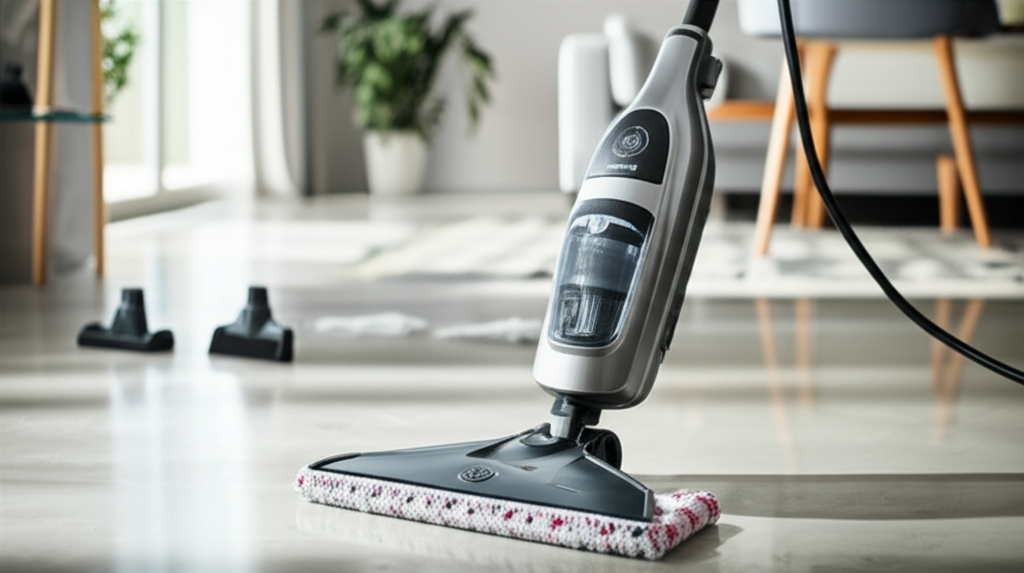
Best Steam Mop Cleaner: Essential Guide

Discover the best steam mop cleaner for a spotless, hygienic home with our essential guide, covering top picks, crucial features, and expert tips for effortless floor cleaning.
Tired of scrubbing floors endlessly? Do traditional mops leave streaks and still feel dirty? You’re not alone. Many of us dream of sparkling clean floors without the back-breaking work. Steam mops offer a brilliant solution, using hot steam to lift grime and sanitize surfaces. But with so many options, finding the best steam mop cleaner can feel overwhelming. This guide will walk you through everything you need to know to choose the perfect steam mop for your home, making cleaning easier and more effective than ever before.
Why Choose a Steam Mop Cleaner?
Steam mops are a modern marvel for home cleaning. They harness the power of steam to break down tough dirt and grease. This means less scrubbing for you. Steam also kills germs and bacteria without harsh chemicals. This is great for families and pets. You can achieve a truly hygienic clean.
Choosing a steam mop means embracing a healthier, more efficient cleaning routine. It’s a smart investment for any home. You’ll enjoy cleaner floors with less effort.
Understanding How Steam Mops Work
A steam mop works by heating water to create steam. This steam is then released onto your floors. The hot vapor loosens dirt, grime, and even sticky messes. It also sanitizes surfaces, killing up to 99.9% of germs. This is a significant advantage over traditional mops.
The steam gently cleans without leaving chemical residues. This makes it a safe choice for homes with children and pets. It’s a powerful yet natural way to keep your floors pristine.
Key Features to Look for in the Best Steam Mop Cleaner
When shopping for a steam mop, several features make a big difference. Think about the types of floors you have. Consider the size of your home. And how much effort you want to put in.
Here are some key features to keep in mind:
Water Tank Capacity: A larger tank means you can clean for longer without refilling. This is helpful for larger homes.
Heat-Up Time: Some mops heat up in seconds. Others take a few minutes. Faster heat-up means less waiting.
Cord Length: A longer cord gives you more reach. This prevents you from constantly switching outlets.
Weight and Maneuverability: You’ll be pushing and pulling the mop. It should be easy to handle. Swivel heads help you get into tight spaces.
Steam Settings: Adjustable steam levels are crucial. You need lower steam for delicate floors like sealed wood. High steam is good for tough, sticky messes on tile.
Pad Quality and Type: Microfiber pads are best. They absorb dirt well. Look for mops that come with multiple pads. You can swap them out when one gets dirty.
Attachments and Versatility: Some steam mops can convert into handheld steamers. This allows you to clean more than just floors. You can clean countertops, grout, and even windows.
Considering these features will help you narrow down your choices. You can find a steam mop that perfectly suits your needs.
Top Steam Mop Cleaner Picks for Every Home
After reviewing many models, we’ve identified some standout steam mops. These excel in performance, durability, and ease of use. They offer great value for their price.
Here are our top recommendations for the best steam mop cleaner:
For Overall Performance: Bissell PowerFresh Deluxe Steam Mop
This mop is a popular choice for a reason. It heats up quickly and offers two steam settings. Its slim design makes it easy to store. It’s excellent for sealed hard floors like tile, laminate, and sealed wood.
For Versatility: Shark Genius Steam Pocket Mop System
The Shark Genius stands out with its “Intelligent Steam Control.” This lets you choose the right steam level for your floor type. It comes with dual-sided “Steam Pocket” pads. These capture more dirt and dry faster. It can also be used as a handheld steamer with included attachments.
For Budget-Conscious Buyers: PurSteam ThermaPro Steam Mop
This option offers great value. It’s lightweight and easy to use. It provides multiple steam settings. It effectively cleans most hard floors. It’s a solid choice if you’re looking for a reliable steam mop without a high price tag.
For Deep Cleaning: Dupray Neat Steam Cleaner
While technically a steam cleaner with a floor attachment, the Dupray Neat is incredibly powerful. It delivers high-temperature steam. This is perfect for sanitizing and tackling tough grime. It’s a more robust option for those who need serious cleaning power.
Each of these models offers unique benefits. Your choice will depend on your specific cleaning needs and budget.
How to Use Your Steam Mop Cleaner Effectively
Using a steam mop is simple. But a few tips can make your cleaning even better. Always start by sweeping or vacuuming your floors. This removes loose debris. This prevents you from pushing dirt around.
Fill the water tank with distilled or demineralized water. This prevents mineral buildup. It helps your mop last longer. Choose the right steam setting for your floor type. Always test in an inconspicuous area first.
Move the mop slowly and steadily. Let the steam do the work. Don’t linger too long on one spot. This can damage certain floor finishes. After cleaning, let the floors dry completely. Store your mop according to the manufacturer’s instructions.
Proper use ensures optimal cleaning results. It also protects your floors and your appliance.
Maintaining Your Steam Mop Cleaner for Longevity
Just like any appliance, your steam mop needs care. Regular maintenance keeps it working well. It also extends its lifespan. The most important step is emptying the water tank after each use. Don’t let water sit inside.
Clean the microfiber pads after every use. Most are machine washable. Check the manufacturer’s instructions. This ensures they are ready for your next cleaning session.
Descale your steam mop periodically. Mineral deposits from water can clog the steam jets. The frequency depends on your water hardness. Check your manual for specific descaling instructions. Many manufacturers recommend using vinegar or a descaling solution.
A well-maintained steam mop will serve you for years. It will continue to deliver sparkling clean floors.
Steam Mops vs. Traditional Mops: A Clear Comparison
The difference between steam mops and traditional mops is significant. Traditional mops use water and cleaning solutions. They require manual scrubbing. They can leave behind moisture that takes time to dry.
Steam mops use only hot steam. They sanitize floors and kill germs. They dry much faster because less moisture is used. They require less physical effort.
Here’s a quick look at their pros and cons:
| Feature | Steam Mop Cleaner | Traditional Mop |
| :—————- | :————————————————– | :—————————————————– |
| Cleaning Power | Uses steam to lift dirt, sanitizes. | Uses water and chemicals, requires scrubbing. |
| Hygiene | Kills up to 99.9% of germs. | Relies on cleaning solutions, less effective on germs. |
| Drying Time | Faster drying due to less moisture. | Slower drying, can leave floors damp. |
| Effort | Less physical effort, steam does the work. | Requires more scrubbing and wringing. |
| Chemicals | No harsh chemicals needed, eco-friendly. | Often requires chemical cleaners. |
| Floor Types | Best for sealed hard floors. Not for unsealed wood. | Suitable for many floor types, but can be abrasive. |
| Cost | Higher initial investment. | Lower initial cost. |
For a deeper, more hygienic clean with less effort, a steam mop is the clear winner.
Choosing the Right Steam Mop for Your Floor Types
Not all steam mops are suitable for every floor. It’s crucial to match the mop to your flooring. This prevents damage.
Sealed Hardwood Floors: Many steam mops work well on sealed hardwood. Look for models with adjustable steam settings. Use the lowest setting. Avoid prolonged exposure to steam. Always ensure the wood is properly sealed.
Laminate Floors: Similar to hardwood, sealed laminate floors can be cleaned with steam. Use a low steam setting. Excessive moisture can seep into the seams and cause damage.
Tile and Grout: Steam mops are excellent for tile. They can even help lift grime from grout lines. High steam settings are usually safe for ceramic and porcelain tile.
Vinyl and Linoleum: These floors are generally safe for steam mops. Again, adjustable steam is beneficial.
Unsealed or Waxed Floors: Never use a steam mop on unsealed floors. The heat and moisture can cause irreparable damage. This includes unsealed wood, waxed floors, or certain natural stone tiles.
Always check your flooring manufacturer’s recommendations. When in doubt, use the lowest steam setting or a damp mop.
Advanced Steam Mop Features and Attachments
Modern steam mops go beyond basic floor cleaning. Many come with versatile attachments. These expand their functionality.
Some mops convert into handheld units. This allows you to tackle vertical surfaces. You can clean countertops, shower walls, and even ovens. Attachments often include:
Scrapers: For stuck-on grime.
Brushes: For scrubbing grout and tough spots.
Squeegees: For windows and mirrors.
Upholstery Tools: For steaming fabrics (use with caution).
These extra features can make a steam mop a true multi-purpose cleaning tool. They add significant value. They can replace several other cleaning gadgets.
Where to Find the Best Steam Mop Cleaner Deals
Finding a great deal on a best steam mop cleaner is possible. Keep an eye on major retailers like Amazon, Walmart, and Target. They often have sales, especially during holidays.
Manufacturer websites also offer direct discounts. Sometimes, you can find refurbished models. These are often tested and come with a warranty. They offer significant savings.
Sign up for email newsletters from your favorite brands. You’ll be notified about upcoming promotions. Reading reviews can also help. Users often share when and where they found good deals.
Patience and smart shopping can lead to owning a top-tier steam mop without breaking the bank.
Frequently Asked Questions About Steam Mop Cleaners
Q1: Can I use tap water in my steam mop?
A: It’s best to use distilled or demineralized water. Tap water contains minerals. These can build up inside the mop. This can clog the steam jets and reduce performance over time.
Q2: How often should I steam clean my floors?
A: This depends on your household. For busy homes with kids or pets, daily or every-other-day cleaning is common. For less traffic, once or twice a week might be enough.
Q3: Will steam mops damage my sealed hardwood floors?
A: When used correctly on properly sealed hardwood, steam mops are generally safe. Always use the lowest steam setting. Avoid letting water pool. Ensure the mop head is not overly saturated.
Q4: What is the difference between a steam mop and a steam cleaner?
A: A steam mop is designed primarily for floors. A steam cleaner is a more versatile unit. It often comes with various attachments for cleaning surfaces beyond floors. Some steam cleaners can be used with floor attachments.
Q5: How do I get rid of tough stains with a steam mop?
A: For tough stains, try holding the steam mop over the spot for a few extra seconds. You can also use a scrub brush attachment if your mop has one. For very stubborn spots, pre-treat with a floor cleaner safe for your surface.
Q6: Can I use essential oils in my steam mop?
A: Most manufacturers advise against adding anything to the water tank besides water. Essential oils can leave residue. This can damage the heating element or clog the steam jets.
Conclusion: Your Path to a Cleaner Home
The best steam mop cleaner can transform your cleaning routine. It offers a powerful, hygienic, and efficient way to achieve sparkling floors. By understanding your needs, considering key features, and choosing the right model for your floors, you can make an informed decision. Remember to use and maintain your steam mop properly. This will ensure it delivers excellent results for years to come. Enjoy a cleaner, healthier home with less effort.
Consider subscribing to HomeHygia for more tips and reviews on home cleaning appliances.