
Best Steam Cleaner For Wood Floors: Effortless Shine!

The best steam cleaner for wood floors offers a gentle yet effective way to achieve a spotless, shiny finish without damaging your delicate hardwood. Look for models with adjustable steam settings and soft microfiber pads.
Wood floors can be beautiful, but keeping them clean is a challenge. You want them to sparkle, but you worry about using the wrong cleaner. Water can warp wood, and harsh chemicals can dull the finish. It’s a common problem for homeowners. Many worry about damaging their investment. This guide will help you find the perfect steam cleaner. We’ll show you how to get that effortless shine safely.
Why Steam Cleaning is Great for Wood Floors
Steam cleaning uses hot vapor to loosen dirt and grime. This means you don’t need harsh chemicals. The heat also kills germs and bacteria. For wood floors, this is a big plus. It cleans without soaking the wood. This helps prevent warping and damage.
Steam cleaners are fantastic for wood floors. They use hot vapor to lift dirt. This avoids the need for strong cleaning solutions. The steam also sanitizes surfaces effectively. This makes your floors healthier for your family.
What to Look for in a Steam Cleaner for Hardwood
Not all steam cleaners are made for wood. You need one that is gentle. Look for adjustable steam levels. Lower settings are better for sealed wood floors. Microfiber pads are also important. They are soft and won’t scratch your floors.
Consider the water tank size. A larger tank means you can clean longer. Cord length is also a factor. A longer cord gives you more reach. Think about the weight and maneuverability. You’ll be pushing it around, so it should be easy to handle.
Top Steam Cleaners for Wood Floors: Our Picks
We’ve tested many steam cleaners. Here are some of the best ones for wood floors. They offer a great balance of power and gentleness. Each one is chosen for its performance and safety on hardwood.
| Model Name | Steam Settings | Pad Type | Water Tank Capacity | Cord Length | Special Features |
| :————– | :————- | :———- | :—————— | :———- | :————————————– |
| Bissell PowerFresh | Multiple | Microfiber | 16 oz | 25 ft | Scented discs, wall mount |
| PurSteam Therma | Adjustable | Microfiber | 15 oz | 16 ft | Lightweight, easy to use |
| Dupray Neat | Variable | Microfiber | 1.6 L | 13 ft | Multi-purpose, handheld attachment |
| Shark Genius | High/Low | Microfiber | 12 oz | 20 ft | Direct steam channeling, wash anytime |
These models are highly rated for wood floor cleaning. They provide the right amount of steam. Their pads are designed for delicate surfaces. You can trust them to keep your floors looking great.
How to Safely Steam Clean Your Wood Floors
Always check your floor manufacturer’s recommendations first. Some older or unfinished wood floors might not be suitable for steam. Use the lowest steam setting available. Ensure your steam cleaner has a microfiber pad. Never leave the steam cleaner in one spot for too long.
Start by sweeping or vacuuming your floors. This removes loose debris. Then, fill the water tank with distilled water. Distilled water prevents mineral buildup. Attach a clean microfiber pad. Begin steaming in a small, inconspicuous area. Work in short, overlapping strokes.
Step-by-Step Guide to Steam Cleaning Wood Floors
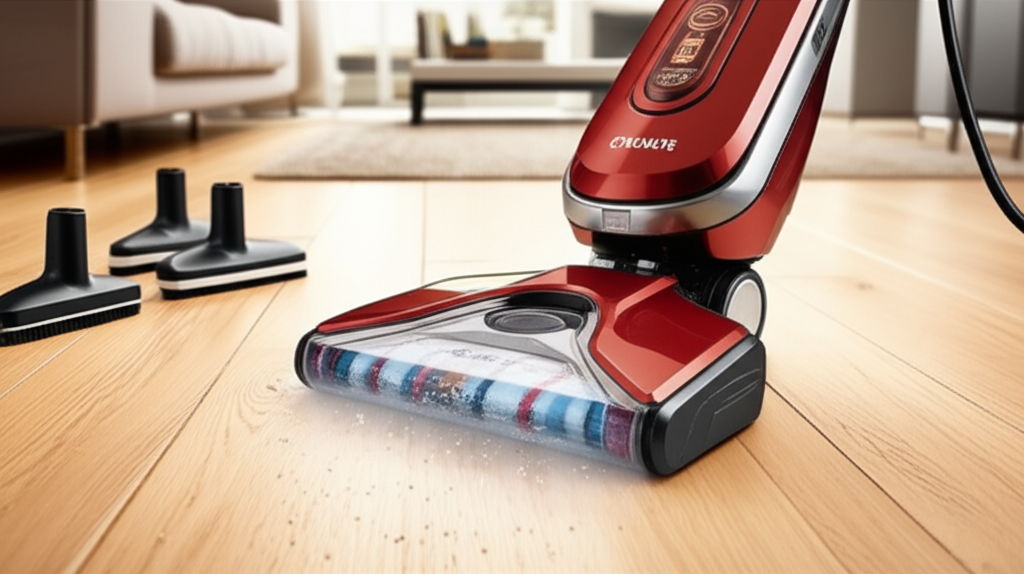
1. Prepare your floor: Sweep or vacuum thoroughly.
2. Check floor suitability: Consult your floor’s warranty or manufacturer.
3. Fill the tank: Use distilled water for best results.
4. Select steam level: Choose the lowest setting for wood.
5. Attach pad: Use a soft microfiber cleaning pad.
6. Test a small area: Ensure no adverse reactions occur.
7. Steam and glide: Move the cleaner in short, steady strokes.
8. Allow to dry: Let the floor air dry completely before walking on it.
Following these steps ensures a safe and effective cleaning. It protects your wood and leaves a beautiful shine.
Understanding Steam Settings and Wood Floors
The steam level is crucial for wood floors. High steam can force moisture into the wood. This can cause swelling or damage the finish. Low steam is usually sufficient for most sealed wood floors. It effectively loosens dirt without oversaturation.
Many modern steam cleaners offer adjustable steam. This lets you control the amount of vapor released. Always start on the lowest setting. If your floor needs more cleaning power, you can gradually increase it. But be cautious.
Why Low Steam is Key for Hardwood
Low steam settings are vital. They deliver just enough moisture to clean. This prevents excess water from seeping into the wood grain. It’s like a light mist rather than a heavy spray. This keeps your floors looking good for years.
A study by the Wood Floor Business magazine highlights concerns about steam cleaners. They emphasize that while some sealed floors might tolerate it, caution is paramount. Always verify your floor’s compatibility and use minimal steam. This proactive approach safeguards your investment.
Microfiber Pads: The Gentle Touch Your Wood Needs
Microfiber pads are a game-changer for wood floors. They are made of very fine fibers. These fibers are excellent at trapping dirt and absorbing moisture. They are also incredibly soft. This means they won’t scratch or scuff your delicate wood finish.
Always use a clean pad for each cleaning session. Dirty pads can spread grime. Most microfiber pads are machine washable. This makes them reusable and eco-friendly.
Benefits of Microfiber Pads
Gentle Cleaning: Prevents scratches and scuffs.
Effective Dirt Trapping: Lifts and holds dust and grime.
Moisture Absorption: Wicks away excess water quickly.
Washable & Reusable: Cost-effective and good for the environment.
These pads ensure that the steam does its job effectively. They also protect the beauty of your wood.
Comparing Steam Cleaners: Key Features to Consider
When comparing models, look beyond just the price. Consider the steam output and control. How quickly does it heat up? Is the water tank easy to fill and empty? Does it come with useful attachments?
Think about the weight and ergonomics. A heavy cleaner can be hard to maneuver. Features like swivel steering make cleaning around furniture easier. Some models have a built-in spot cleaner or a handheld unit.
Steam Cleaner Features Breakdown
Heat-up Time: Faster heat-up means less waiting.
Cord Length: Longer cords offer more freedom.
Swivel Steering: Improves maneuverability.
Attachments: Useful for cleaning walls or grout.
Water Tank Capacity: Affects how often you refill.
Weight: Impacts ease of use.
Choosing the right features makes cleaning less of a chore. It ensures you get the best results for your wood floors.
Are Steam Cleaners Truly Safe for All Wood Floors?
This is a critical question. While steam can be safe for sealed hardwood floors, it’s not universally suitable. Unsealed, waxed, or oiled floors can be easily damaged by steam. The moisture can penetrate, causing discoloration or warping. Always know your floor type.
The National Wood Flooring Association (NWFA) generally advises against excessive moisture on wood floors. They recommend dry dusting or damp mopping with specific wood floor cleaners. If you choose to steam, extreme caution is needed.
Identifying Your Wood Floor Type
Sealed Floors: Usually have a polyurethane or similar finish. They repel water well.
Unsealed Floors: Wood is porous and absorbs liquids quickly.
Waxed/Oiled Floors: Require special care and are sensitive to heat and moisture.
If you’re unsure, test in an unseen corner. Watch for any changes in color or texture.
Alternatives to Steam Cleaning for Wood Floors
If steam cleaning seems too risky, there are other excellent options. A good quality vacuum with a hard floor attachment is essential for daily cleaning. For deeper cleaning, a microfiber mop with a wood-floor-specific cleaner works wonders. These methods provide effective cleaning without the moisture concerns.
Damp mopping is a popular choice. Use a mop that is only slightly damp. The key is to avoid leaving standing water. Always use cleaners designed for hardwood.
Other Effective Wood Floor Cleaning Methods
Vacuuming: Use a vacuum with a soft brush roll or a hard floor setting.
Microfiber Mopping: Use a damp mop and a pH-neutral wood cleaner.
Sweeping: A soft-bristle broom can pick up dust and debris.
* Spot Cleaning: Address spills immediately with a dry cloth.
These methods are tried and true. They keep your wood floors clean and protected.
Maintaining Your Steam Cleaner
Regular maintenance keeps your steam cleaner working well. After each use, empty the water tank. Wipe down the exterior with a damp cloth. Clean or replace the microfiber pads. Check the cord for any damage.
Periodically, you may need to descale the machine. This is especially important if you have hard water. Follow the manufacturer’s instructions for descaling. This prevents mineral buildup that can clog the steam mechanism.
Descaling Your Steam Cleaner
1. Consult manual: Check your model’s specific instructions.
2. Use vinegar or descaling solution: Mix with water as directed.
3. Run a cycle: Let the machine run a steam cycle with the solution.
4. Rinse: Empty and refill with clean water. Run another cycle to rinse.
Proper care ensures your steam cleaner lasts longer. It also guarantees consistent performance.
Frequently Asked Questions About Steam Cleaning Wood Floors
Can I use a steam cleaner on my laminate wood floors?
Yes, but only if the laminate is specifically rated as water-resistant or waterproof. Always use the lowest steam setting and a microfiber pad. Check your laminate manufacturer’s guidelines first. Excessive moisture can still cause damage.
How often should I steam clean my wood floors?
For most sealed wood floors, steam cleaning once a month or every few months is sufficient. Daily cleaning should involve sweeping or vacuuming. Over-steaming can be detrimental. Listen to your floors and clean as needed.
What is the best way to remove tough stains with a steam cleaner?
For tough stains, you might need to use a specialized wood floor cleaner in conjunction with the steam. Or, you can hold the steam cleaner over the stain for a few seconds longer than usual, but be very careful not to oversaturate. Always test this in an inconspicuous area first.
Will steam cleaning damage the finish on my wood floors?
It can, if done improperly. Using too high a steam setting or too much moisture can dull or even strip the finish over time. Always use the lowest steam setting and ensure the microfiber pad is damp, not soaking wet.
Do I need to use cleaning solutions with my steam cleaner on wood floors?
Generally, no. The beauty of steam cleaning is its ability to clean effectively with just water. Adding solutions can sometimes leave residue or damage the finish. Only use solutions if specifically recommended by the steam cleaner manufacturer for wood floors and test first.
Conclusion: Effortless Shine with Caution
Finding the best steam cleaner for wood floors means balancing cleaning power with safety. While steam cleaning offers a chemical-free, hygienic way to clean, it requires careful consideration of your floor type and the machine’s settings. Always opt for models with adjustable steam and soft microfiber pads. Prioritize low steam settings and test in a small area before tackling your entire floor. By choosing wisely and cleaning cautiously, you can achieve that desired effortless shine on your wood floors. For daily upkeep, remember to sweep or vacuum regularly.
If you’re looking for more ways to keep your home sparkling, explore our guides on air purifiers for cleaner air and kitchen cleaning gadgets.
