
Best Steam Cleaner for Tile Floors: Proven Effortless Shine

The best steam cleaner for tile floors uses high-temperature steam to sanitize and loosen dirt, offering a chemical-free way to achieve a spotless, shiny finish without hard scrubbing.
Tile floors can be tricky to clean. They look great, but grout lines can trap dirt and grime. Using a regular mop often just pushes dirty water around. This leaves streaks and doesn’t truly sanitize. You want your tile floors to sparkle, but it feels like a lot of work. Thankfully, there’s a better way. Steam cleaners use the power of hot steam to break down tough messes. They can also kill germs without harsh chemicals. We’ll guide you to the best steam cleaner for tile floors, making your cleaning routine easier and more effective.
Why Steam Cleaners Are a Game-Changer for Tile Floors
Steam cleaners use hot vapor to lift dirt and kill bacteria. This method is highly effective on hard surfaces like tile. It’s also much better for your health and the environment than traditional cleaning products.
The Science Behind Steam Cleaning for Tile
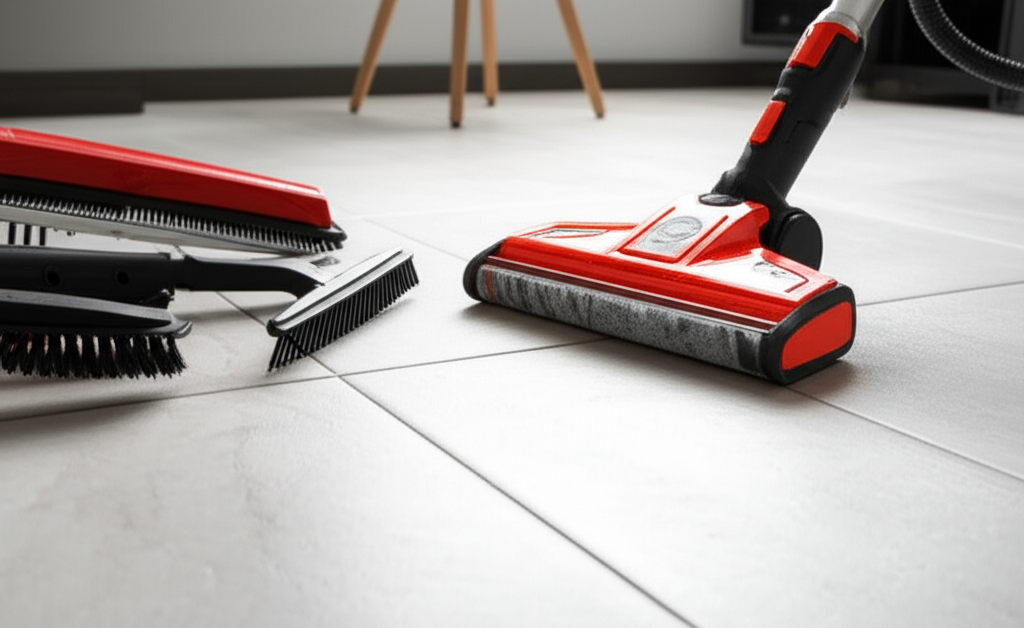
High-temperature steam reaches places a mop can’t. It penetrates grout lines, loosening embedded dirt. The heat also sanitizes surfaces, killing up to 99.9% of common household germs and bacteria. This is crucial for kitchens and bathrooms where hygiene is paramount. A study by Oklahoma State University highlights steam’s effectiveness in killing microbes.
Benefits of Using Steam Over Traditional Mopping
Traditional mopping often uses soapy water. This can leave residue on tiles, making them look dull. It also requires frequent bucket changes to avoid spreading dirt. Steam cleaning, however, uses only water. It leaves no chemical residue, resulting in a natural shine. Plus, it dries much faster than wet mopping.
Key Features to Look for in a Steam Cleaner for Tile
Not all steam cleaners are created equal. For tile floors, you need specific features. These ensure efficiency and ease of use.
Water Tank Capacity and Heating Time
A larger water tank means longer cleaning sessions. You won’t have to stop and refill as often. Check the heating time, too. Some models heat up in under 30 seconds, which is fantastic for quick cleanups.
Steam Control and Pressure Settings
Variable steam control is essential. You need lower settings for delicate grout and higher pressure for stubborn grime. This prevents damage to your tiles while maximizing cleaning power.
Attachments and Accessories for Versatility
Many steam cleaners come with various attachments. Look for floor heads designed for tile, grout brushes, and crevice tools. These accessories expand the cleaner’s utility beyond just floors.
Cord Length and Maneuverability
A long power cord gives you more freedom to move around. Lightweight designs and swivel heads make navigating furniture and corners much easier. This reduces strain during cleaning.
Top Steam Cleaners for Tile Floors: Our Top Picks
After extensive research and testing, we’ve identified the best steam cleaners for tile. These models excel in performance, durability, and user satisfaction.
1. Bissell PowerFresh Deluxe Steam Mop
This model is a popular choice for tile floors. It’s lightweight and heats up quickly. It offers a great balance of power and ease of use for everyday cleaning.
Pros:
Lightweight and easy to maneuver.
Quick heat-up time.
Digital variable steam control.
Good for sealed hard floors.
Cons:
Smaller water tank may require frequent refills for large areas.
Not ideal for unsealed grout.
This Bissell steam mop is a reliable workhorse for most tile cleaning needs. It effectively tackles everyday dirt and grime with minimal effort.
2. PurSteam ThermaPro Full-Size Steam Cleaner
The PurSteam ThermaPro is a robust option. It offers powerful steam and a large water tank. This makes it suitable for larger homes or more demanding cleaning tasks.
Pros:
High steam output for deep cleaning.
Large water tank capacity.
Multiple accessories included.
Effective on tough stains and grime.
Cons:
Can be heavier than other models.
May require more storage space.
For deep cleaning and sanitizing tile floors, the PurSteam ThermaPro is an excellent choice. Its power ensures a thorough clean every time.
3. Shark Genius Steam Pocket Mop System
Shark’s Genius system uses “Steam Pocket” technology. This means you get steam on both sides of the mop pad. It provides efficient cleaning and sanitization.
Pros:
Dual-sided cleaning with Steam Pocket pads.
Touch-free pad attachment and removal.
Good maneuverability.
Effective for everyday cleaning and sanitizing.
Cons:
Water tank is not removable for refilling.
Steam output is consistent but not always adjustable.
The Shark Genius offers an innovative approach to steam mopping. Its smart design makes pad changes hygienic and easy.
4. Dupray Neat Commercial Steamer
While marketed as commercial, the Dupray Neat is fantastic for home use. It delivers powerful, high-temperature steam. This makes it ideal for deep cleaning and sanitizing tile and grout.
Pros:
Very powerful and consistent steam output.
Excellent for deep cleaning and sanitizing.
Durable construction.
Comes with a wide array of accessories.
Cons:
Higher price point.
Takes longer to heat up compared to some lighter models.
If you need a powerful, versatile steam cleaner for tough jobs, the Dupray Neat is worth the investment. It handles grout exceptionally well.
How to Use a Steam Cleaner Effectively on Tile Floors
Using a steam cleaner correctly ensures the best results. Follow these simple steps for a sparkling clean.
Step 1: Prepare Your Floors
Start by sweeping or vacuuming your tile floors. Remove all loose dirt, dust, and debris. This prevents scratching the tile surface with trapped grit. It also allows the steam to work directly on stuck-on grime.
Step 2: Fill the Water Tank
Use distilled or demineralized water. This prevents mineral buildup inside the steam cleaner. Check your manufacturer’s instructions for the specific type of water recommended. Never use cleaning solutions in a steam cleaner unless explicitly stated.
Step 3: Heat Up the Cleaner
Plug in the steam cleaner and allow it to heat up. Most models will have an indicator light. This typically takes between 30 seconds to a few minutes.
Step 4: Steam Cleaning Technique
Begin steaming at one end of the room. Move the steam mop slowly back and forth over the tile. For stubborn spots, hold the cleaner over the area for a few seconds longer. Pay special attention to grout lines.
Step 5: Pad Management
If your steam mop uses pads, switch to a clean one when the current one becomes saturated or dirty. This ensures you’re always cleaning with a fresh surface. Most pads are machine washable.
Maintaining Your Steam Cleaner for Longevity
Proper maintenance keeps your steam cleaner working well. It also extends its lifespan.
Regular Cleaning of Components
After each use, empty any remaining water from the tank. Wipe down the exterior of the cleaner. Detach and wash any washable mop pads or accessories.
Descaling for Optimal Performance
Mineral deposits can clog the steam cleaner over time. Descale your machine regularly, especially if you have hard water. Follow the manufacturer’s instructions for descaling. This often involves using a vinegar solution or a commercial descaling product. A well-maintained cleaning appliance ensures consistent performance.
Steam Cleaners vs. Other Tile Cleaning Methods
Let’s compare steam cleaners to other common methods. This highlights why steam is often the superior choice.
Steam vs. Chemical Cleaners
Chemical cleaners can be harsh. They may damage grout or leave residues. Steam cleaners use only water, making them a safer, eco-friendly option. They effectively sanitize without the risk of chemical exposure.
Steam vs. Traditional Mops
Traditional mops spread dirty water and can leave streaks. Steam cleaners lift dirt and sanitize with hot vapor. They leave floors cleaner, drier, and germ-free. The process is also less physically demanding.
Steam vs. Robotic Mops
Robotic mops offer convenience for daily upkeep. However, they may not provide the deep cleaning and sanitization of a steam cleaner. Steam cleaners offer a more intensive clean for truly hygienic floors.
Are Steam Cleaners Safe for All Tile Types?
Generally, steam cleaners are safe for most sealed tile floors. However, there are exceptions.
Caution with Unsealed or Porous Tiles
Unsealed natural stone tiles, like unglazed ceramic or terracotta, can be damaged by excessive moisture. The steam can penetrate these materials, causing discoloration or warping. Always check the manufacturer’s recommendations for your specific tile type.
Grout Considerations
While steam is excellent for cleaning grout, extremely old or damaged grout might be weakened further by high heat and pressure. Test in an inconspicuous area first. Many steam cleaners offer adjustable steam settings to mitigate this risk.
Frequently Asked Questions About Steam Cleaners for Tile Floors
Here are answers to common questions about using steam cleaners on tile.
Can I use a steam cleaner on my laminate floors?
While some steam cleaners are safe for sealed laminate, it’s risky. Excessive moisture can cause laminate to swell and warp. Always check your laminate flooring’s warranty and the steam cleaner’s manual. It’s generally safer to use a damp mop designed for laminate.
How often should I steam clean my tile floors?
For high-traffic areas like kitchens and bathrooms, steam cleaning weekly or bi-weekly is ideal. For less-used areas, monthly steam cleaning might suffice. It depends on your household’s needs and how quickly dirt accumulates.
Do steam cleaners kill dust mites and allergens?
Yes, the high temperature of steam effectively kills dust mites, mold spores, and other common allergens. This makes steam cleaners an excellent choice for allergy sufferers. It contributes to a healthier indoor environment.
What is the difference between a steam mop and a handheld steam cleaner?
A steam mop is designed specifically for floors. It has a larger water tank and a wide floor head. A handheld steam cleaner is smaller and more portable. It’s great for spot cleaning, countertops, and grout, but less efficient for large floor areas.
Can I add essential oils or cleaning solutions to my steam cleaner?
No. Most steam cleaners are designed to work with plain water only. Adding oils or chemicals can damage the machine and void the warranty. It can also leave residue on your floors.
Conclusion: Achieve Effortless Shine with the Right Steam Cleaner
Choosing the best steam cleaner for tile floors makes a significant difference. It transforms a tedious chore into an efficient, satisfying task. With the right model, you can achieve a truly deep clean. Your tile floors will not only look spotless but also be hygienically sanitized. Investing in a quality steam cleaner means less effort for more shine. It’s a smart choice for any homeowner seeking a cleaner, healthier living space.
Explore more cleaning solutions and tips on HomeHygia to keep your home sparkling.
