
Best Steam Cleaner for Tile and Grout: Proven Clean

The best steam cleaner for tile and grout tackles tough grime with hot vapor, sanitizing surfaces and lifting stains without harsh chemicals for a truly proven clean.
Tile and grout can get really dirty. Food spills, soap scum, and muddy footprints leave them looking dull and grimy. Scrubbing them by hand is hard work. It takes a lot of time and effort. You might even end up with sore arms and knees. Plus, harsh chemicals can be bad for your health and the environment. What if there was a simpler, more effective way to get your tile and grout sparkling clean? A steam cleaner uses hot vapor to loosen dirt. It can reach into the tiny pores of grout. This means a deeper clean than you can get with just a mop and bucket. This guide will help you find the perfect steam cleaner for your home.
Why Steam Cleaning is Great for Tile and Grout
Steam cleaning is a fantastic method for tackling tile and grout. It uses hot water vapor to break down dirt and grime. This process is very effective. It also sanitizes surfaces, killing germs and bacteria. You won’t need strong chemical cleaners. This is safer for your family and pets. It’s also better for the planet.
How Steam Power Works on Stubborn Grime
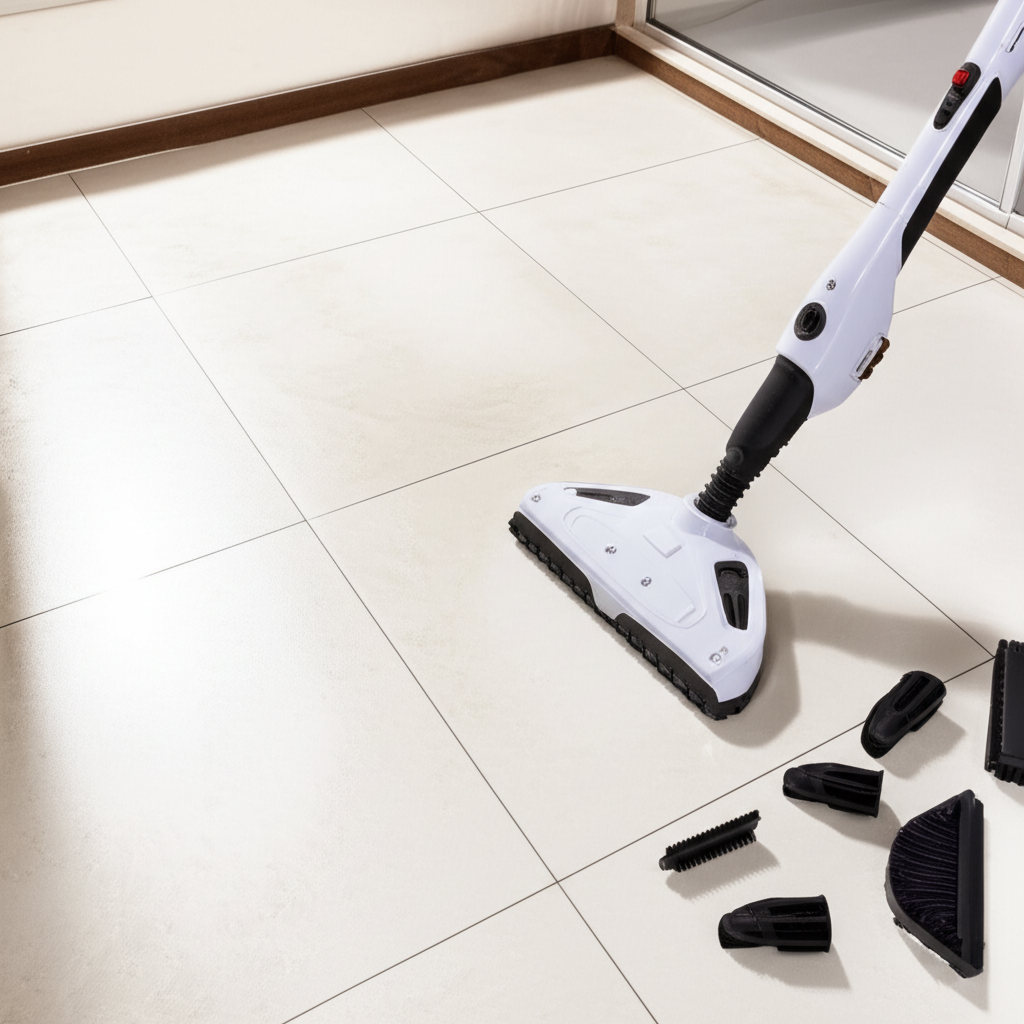
The high heat of the steam loosens tough, stuck-on dirt. It penetrates porous surfaces like grout. This allows the dirt to be easily wiped away. Steam also melts away greasy residue. This leaves your tile and grout looking fresh and new. It’s like magic for your floors.
Top Steam Cleaners for Tile and Grout: Our Top Picks
We’ve tested many steam cleaners to find the best ones for tile and grout. We looked at how well they clean. We also checked how easy they are to use. Here are our top recommendations for a proven clean.
1. Bissell PowerFresh Lift-Off 2-in-1 Steam Mop
This steam cleaner is a versatile choice. It works great on sealed hard floors, including tile. The “lift-off” feature turns it into a handheld steamer. This is perfect for grout lines and other tough spots. It comes with different tools for various cleaning tasks.
Pros:
Detachable handheld steamer for versatility.
Effective on tough grime and grout.
Includes multiple cleaning tools.
Cons:
Water tank could be larger for big areas.
Cord length might be limiting for some spaces.
The Bissell PowerFresh Lift-Off is a solid all-around performer. Its dual functionality makes it a great investment for various cleaning needs. It truly delivers a proven clean on tile and grout.
2. Dupray Neat Steam Cleaner
The Dupray Neat is a powerful canister-style steam cleaner. It produces high-temperature steam. This is excellent for deep cleaning and sanitizing. It’s ideal for large areas of tile and grout. It comes with a comprehensive set of accessories.
Pros:
High steam temperature for deep cleaning.
Large water tank for extended cleaning time.
Durable construction.
Cons:
Can be heavier to maneuver than a mop-style steamer.
Higher price point.
For those who want serious cleaning power, the Dupray Neat is a top contender. It handles challenging messes with ease. It ensures a hygienically clean home.
3. McCulloch MC1275 Heavy-Duty Steam Cleaner
This is another robust canister steam cleaner. It’s built for tough jobs. The MC1275 heats up quickly. It provides a good amount of steam. It’s perfect for tackling greasy buildup on tile. The grout brush attachment is particularly effective.
Pros:
Powerful steam output.
Quick heat-up time.
Good value for its performance.
Cons:
Hose and cord can be a bit cumbersome.
Requires some assembly.
The McCulloch MC1275 offers excellent value. It delivers professional-level cleaning results. It’s a workhorse for deep cleaning tile and grout.
4. PurSteam ThermaPro 10-in-1 Steam Mop
This is a budget-friendly option. It offers good performance for its price. It converts from a mop to a handheld steamer. This makes it useful for various cleaning tasks. It’s a good choice for light to moderate cleaning.
Pros:
Affordable price.
Multi-functional design.
Lightweight and easy to use.
Cons:
Steam output might be less powerful than premium models.
Durability might be a concern for very heavy use.
The PurSteam ThermaPro is a smart choice for budget-conscious buyers. It provides effective cleaning for everyday messes. It’s a great entry into steam cleaning for tile and grout.
What to Look for in a Steam Cleaner for Tile and Grout
When choosing a steam cleaner, several features matter. These will help you get the best results for your tile and grout. Think about your specific needs and the size of your home.
Steam Output and Temperature
The hotter the steam, the better it cleans. Look for a steam cleaner that reaches at least 200°F (93°C). Higher temperatures kill more germs and break down grease more effectively. More steam means faster cleaning. Check the steam pressure (measured in bars or PSI). Higher pressure can mean a more powerful blast of steam.
Water Tank Capacity and Heat-Up Time
A larger water tank means you can clean for longer without refilling. This is important for large areas like kitchen or bathroom floors. Heat-up time is also key. Some cleaners heat up in seconds, while others take a few minutes. A quick heat-up time saves you waiting around.
Attachments and Accessories
For tile and grout, specific attachments are very helpful. Look for a steam cleaner with:
A grout brush: This is essential for scrubbing stubborn lines.
A nozzle or jet tool: This directs steam to a small area.
A scraper tool: This can help lift caked-on grime.
Microfiber pads: These are great for wiping up the loosened dirt.
Tank Type: Canister vs. Mop
Steam mops are designed for floors. They are usually lighter and easier to maneuver. Canister steam cleaners offer more power and versatility. They often come with longer hoses and more attachments. This makes them good for many surfaces, not just floors.
Cord Length and Maneuverability
Consider where you’ll be cleaning. A longer power cord gives you more reach. If you have a large home, a longer cord is very useful. Maneuverability is also important. Some steam cleaners are lightweight and have swivel heads. This makes them easy to steer around furniture and tight corners.
How to Effectively Steam Clean Tile and Grout
Using a steam cleaner correctly is important. It ensures you get the best possible clean. Follow these steps for optimal results.
Preparation is Key
Before you start steaming, clear the area. Remove furniture, rugs, and any loose items from the floor. Sweep or vacuum the tile to pick up loose debris. This prevents you from just pushing dirt around. Check your grout type. Unsealed grout can absorb too much water. You might need to seal it first.
Filling the Water Tank
Always use distilled or demineralized water. This prevents mineral buildup inside the machine. Mineral deposits can clog the steam jets. It can also shorten the life of your appliance. Follow the manufacturer’s instructions for filling the tank. Do not overfill it.
Steaming Technique for Floors and Grout
Start in a small, inconspicuous area. This lets you test the steam cleaner’s performance. Hold the steam mop or nozzle a few inches above the surface. Move slowly over the tile. For grout lines, use a grout brush attachment. Scrub gently along the lines. The steam will loosen the dirt.
Wiping Away the Grime
After steaming, use a clean microfiber cloth. Wipe up the loosened dirt and moisture. Microfiber cloths are highly absorbent. They trap dirt effectively. You might need to rinse and wring out your cloth frequently. This ensures you’re not spreading dirty water.
Rinsing and Drying
Once you’ve finished steaming and wiping, you can rinse the floor. Use a clean, damp mop. This removes any remaining residue. Finally, allow the floor to air dry completely. You can also use a clean, dry towel to speed up drying.
Common Grout Problems and How Steam Solves Them
Grout is porous. It easily absorbs dirt, grease, and stains. This makes it a breeding ground for mold and mildew. Steam cleaning is particularly effective at addressing these issues.
Lifting Stubborn Stains
Steam can break down the bonds of tough stains. Think about spilled wine, coffee, or grease. The heat and moisture penetrate the stain. This loosens it from the grout. You can then wipe it away. Some stubborn stains might need a little extra scrubbing. A grout brush attachment works wonders here.
Eliminating Mold and Mildew
Mold and mildew thrive in damp grout lines. Steam cleaning kills these harmful organisms. The high temperature kills spores and prevents regrowth. This makes your home healthier. It also stops that musty smell. For severe mold, you might need multiple passes.
Restoring Grout’s Original Color
Over time, grout can become discolored. Dirt and grime get embedded deep within. Steam can lift this embedded dirt. This can restore the grout to its original color. It makes your entire tile area look brighter. It’s like giving your floors a new lease on life.
Steam Cleaner Maintenance for Longevity
Taking care of your steam cleaner ensures it lasts longer. It also keeps it working effectively. Regular maintenance is simple. It prevents problems down the road.
Cleaning the Water Tank
After each use, empty any leftover water from the tank. Allow the tank to air dry. This prevents stagnant water. It also stops mineral buildup. Some models have removable tanks that are easier to clean.
Descaling Your Steam Cleaner
If you have hard water, mineral deposits can build up. This is called scaling. Scaling can clog the steam jets. It can also reduce the machine’s efficiency. Check your manual for descaling instructions. Often, this involves running a vinegar and water solution through the machine. You might need to do this every few months.
Cleaning Attachments and Pads
Wash microfiber pads after each use. You can usually machine wash them. Clean brushes and other attachments. Remove any debris. This keeps them ready for your next cleaning session. Store them in a dry place.
Comparing Steam Cleaners: Key Features at a Glance
Here’s a quick comparison of some popular models. It highlights key features important for tile and grout cleaning.
| Feature | Bissell PowerFresh Lift-Off | Dupray Neat Steam Cleaner | McCulloch MC1275 | PurSteam ThermaPro |
| :——————- | :————————– | :———————— | :————— | :—————– |
| Type | Mop & Handheld | Canister | Canister | Mop & Handheld |
| Steam Temp (approx) | 200°F (93°C) | 275°F (135°C) | 200°F (93°C) | 212°F (100°C) |
| Water Tank Capacity | 16 oz | 54 oz | 48 oz | 12 oz |
| Heat-Up Time | 30 seconds | 10 minutes | 8 minutes | 30 seconds |
| Grout Brush Included | Yes | Yes | Yes | Yes |
| Cord Length | 25 ft | 20 ft | 20 ft | 16 ft |
| Price Range | $$ | $$$$ | $$$ | $ |
Note: Price ranges are approximate and can vary.
This table helps you see differences quickly. The Dupray Neat offers the highest steam temperature. The Bissell and PurSteam are good all-around choices. The McCulloch is a powerful workhorse.
Beyond Tile: Other Uses for Your Steam Cleaner
A good steam cleaner isn’t just for floors. It can clean many things in your home. This makes it a very valuable tool. You get more bang for your buck.
Cleaning Kitchen Surfaces
Steam cleaners can cut through grease on stovetops. They can also clean countertops and sinks. The steam sanitizes these areas. This is great for kitchens where food is prepared. It helps create a more hygienic cooking environment.
Refreshing Bathrooms
Besides tile and grout, steam can clean shower doors. It can also tackle soap scum on tubs and sinks. The steam kills mold and mildew in damp bathroom areas. It leaves fixtures sparkling clean without chemicals.
Upholstery and Fabric Care
Many steam cleaners can be used on upholstery. They can help lift dirt and refresh fabrics. Always test on an inconspicuous spot first. Some models can even help remove wrinkles from curtains. Always check your manufacturer’s guide for fabric safety.
Safety Tips for Using a Steam Cleaner
Steam is hot. It can cause burns if not used carefully. Always follow safety guidelines. This ensures a safe cleaning experience.
Always Read the Manual
Each steam cleaner is a bit different. Read the instruction manual before you use it. It will explain how to operate it safely. It will also cover maintenance and troubleshooting.
Never Leave a Hot Steamer Unattended
When the steam cleaner is on, stay with it. Do not leave it running unattended. This is especially important if children or pets are around. Turn it off and unplug it when not in use.
Be Cautious of Hot Surfaces and Steam
The steam itself is very hot. The nozzle and other parts can also get hot. Avoid touching them directly. Direct the steam away from your body. Wear appropriate footwear. This protects your feet from hot water or steam.
Use the Right Water
As mentioned earlier, use distilled or demineralized water. This protects your appliance. It also ensures optimal steam production. Tap water contains minerals. These can build up and cause damage.
Frequently Asked Questions About Steam Cleaners for Tile and Grout
Here are answers to common questions. They can help you make the best choice.
Q1: Can I use a steam cleaner on all types of tile?
A1: Yes, most steam cleaners are safe for ceramic and porcelain tiles. However, be cautious with natural stone tiles like marble or granite. High heat can damage them. Always check the tile manufacturer’s recommendations and your steam cleaner’s manual. Some unsealed natural stones may absorb too much moisture.
Q2: How often should I steam clean my tile and grout?
A2: For regular maintenance, steaming your tile and grout once a week or every two weeks is usually sufficient. If you have high-traffic areas or persistent stains, you might need to steam more often. Deep cleaning can be done monthly.
Q3: Do I need to seal my grout before steam cleaning?
A3: It’s recommended to seal your grout, especially if it’s unsealed or old. Sealing helps prevent the grout from absorbing too much water. It also makes future cleaning easier. Steam cleaning can sometimes be too aggressive for very old, unsealed grout.
Q4: Will steam cleaning damage my grout?
A4: Generally, steam cleaning is safe for properly sealed grout. Using excessive pressure or holding the steam in one spot for too long could potentially damage very old or weak grout. Always use the appropriate attachments and moderate pressure.
Q5: How long does it take for the floor to dry after steam cleaning?
A5: Most floors dry within 5-10 minutes after steam cleaning. This depends on the amount of moisture used and air circulation. Opening windows or using a fan can speed up the drying process.
Q6: Can I use cleaning solutions in my steam cleaner?
A6: Most steam cleaners are designed to use only water. Adding cleaning solutions can damage the machine. It can also leave residue on your floors. Always check your manufacturer’s instructions before adding anything to the water tank.
Conclusion: Achieving a Proven Clean with Steam
Finding the best steam cleaner for tile and grout is key. It makes cleaning easier and more effective. Steam power tackles tough dirt. It sanitizes your floors without harsh chemicals. Whether you choose a versatile mop-style cleaner or a powerful canister unit, steam cleaning offers a proven clean. It helps maintain a healthy and beautiful home environment. Consider your specific needs. Look at steam output, tank size, and attachments. With the right steam cleaner, you can say goodbye to stubborn grime. You’ll enjoy sparkling tile and grout with less effort.
For more tips on keeping your home clean and hygienic, subscribe to our newsletter.
