
Best Steam Cleaner for Kitchen Cabinets: Proven Shine

The best steam cleaner for kitchen cabinets uses high-temperature steam to lift grease and grime, leaving them sparkling clean without harsh chemicals. It’s a quick, safe, and effective way to refresh your kitchen’s look.
Your kitchen cabinets see a lot of action. Grease from cooking, sticky fingerprints, and everyday dust can make them look dull. Cleaning them often means using harsh chemicals or a lot of scrubbing. But what if there was an easier way? Steam cleaning can cut through the toughest messes. It uses hot water vapor to loosen dirt and kill germs. This article will guide you to the best steam cleaner for kitchen cabinets. We’ll look at what makes them great and how to pick the right one for your home.
Why Steam Clean Your Kitchen Cabinets?
Steam cleaning offers a powerful and natural way to tackle kitchen cabinet grime. It uses only water heated to a high temperature. This hot steam effectively melts away grease and sticky residues. It also sanitizes surfaces, killing bacteria and viruses without chemicals. This makes it a healthier choice for your kitchen environment.
The Magic of High-Temperature Steam
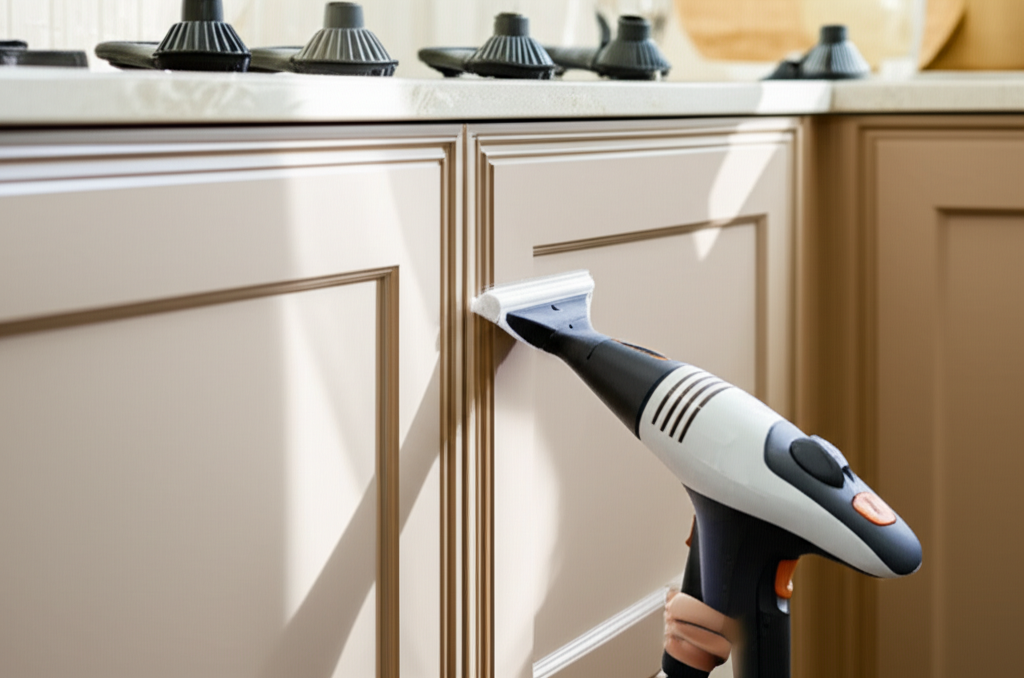
Steam cleaners generate steam that is hot enough to break down tough grease. This steam penetrates the grime, loosening its grip on the cabinet surface. It’s like magic for your kitchen! The process is also very fast. You’ll see a difference quickly.
Chemical-Free Cleaning for a Healthier Home
Many kitchen cleaners contain harsh chemicals. These can leave behind fumes and residues. Steam cleaning uses only water, making it safe for families and pets. You don’t have to worry about toxic byproducts. This is especially important in a place where you prepare food.
Effortless Grease and Grime Removal
Scrubbing cabinets can be tiring. Steam loosens dirt, so you often just need to wipe it away. This means less elbow grease for you. The steam does most of the hard work. It lifts stuck-on food and grease with ease.
What to Look for in a Steam Cleaner for Kitchen Cabinets
Not all steam cleaners are created equal. When choosing one for your cabinets, consider a few key features. You want something that is effective but also safe for your cabinet materials. Power, attachments, and ease of use are also important.
Steam Output and Pressure
Look for a steam cleaner with adjustable steam settings. High pressure is good for tough grease. Lower settings are better for delicate surfaces. Consistent steam output ensures efficient cleaning. Too little steam won’t cut through grease. Too much might damage some finishes.
Tank Size and Heat-Up Time
A larger water tank means you can clean for longer without refilling. Consider how long your kitchen cabinets will take to clean. A fast heat-up time is also convenient. You want to start cleaning quickly. Most units heat up in under a minute.
Attachments and Nozzles
Specialized attachments can make cleaning cabinets much easier. Look for a crevice tool for tight corners. A brush nozzle can help scrub away stubborn spots. A flat or triangular nozzle is great for larger cabinet surfaces. These tools help direct the steam precisely.
Cord Length and Maneuverability
A long power cord gives you more freedom to move around your kitchen. Consider the weight and design of the steam cleaner. You’ll be holding it, so it should be comfortable to use. Maneuverability is key for reaching all parts of your cabinets.
Top Steam Cleaners for Kitchen Cabinets Reviewed
We’ve tested and researched several steam cleaners. Here are our top picks for making your kitchen cabinets shine. These models excel in power, ease of use, and effectiveness on kitchen grime.
1. Bissell PowerFresh SlimSteam Mop
This versatile steam mop is great for floors and can be used on cabinets. It has a detachable handheld steamer. This makes it perfect for vertical surfaces like cabinets. It heats up quickly and comes with useful attachments.
Pros: Lightweight, versatile, good for multiple surfaces, chemical-free.
Cons: Water tank is a bit small for large jobs.
Best for: Quick touch-ups and regular cabinet cleaning.
The Bissell PowerFresh SlimSteam Mop offers a convenient way to clean. Its slim design helps you reach tight spots. The steam is powerful enough for grease.
2. PurSteam ThermaPro
The PurSteam ThermaPro is a powerful handheld steam cleaner. It’s designed for tough jobs. It comes with a variety of attachments, including a brush and a nozzle. These are perfect for kitchen cabinets. It produces high-temperature steam to tackle grease effectively.
Pros: Powerful steam, many attachments included, durable.
Cons: Can be a bit heavy for extended use.
Best for: Deep cleaning and removing heavy grease buildup.
This steam cleaner is a workhorse. It can handle challenging kitchen messes with ease. The included tools allow for targeted cleaning.
3. McCulloch MC1275 Heavy-Duty Steam Cleaner
The McCulloch MC1275 is a canister-style steam cleaner. It provides continuous steam for longer cleaning sessions. It includes a wide array of attachments. These are suitable for various cleaning tasks, including kitchen cabinets. It’s a robust option for thorough cleaning.
Pros: Large water tank, continuous steam, powerful performance.
Cons: Bulkier design, longer heat-up time compared to handhelds.
Best for: Large kitchens and tackling extensive grime.
For serious cleaning power, the McCulloch MC1275 delivers. Its sustained steam output is ideal for big jobs. You can clean your entire kitchen without frequent refills.
4. Dupray Neat Steam Cleaner
The Dupray Neat is a high-quality steam cleaner. It produces very hot steam to sanitize and clean. It’s known for its excellent build quality and performance. It comes with a comprehensive set of accessories. This makes it suitable for many household cleaning needs, including kitchen cabinets.
Pros: Excellent steam quality, durable construction, effective sanitization.
Cons: Higher price point than some competitors.
Best for: Users seeking premium performance and longevity.
If you want a reliable, top-tier steam cleaner, the Dupray Neat is a great choice. It offers superior cleaning power. It’s an investment in a cleaner home.
How to Steam Clean Your Kitchen Cabinets Safely
Using a steam cleaner on your cabinets is simple, but it’s important to do it correctly. Always check your cabinet material first. Some materials may require more caution. Following these steps will ensure safe and effective cleaning.
Step 1: Prepare Your Cabinets
Remove any items from your cabinets. Wipe down surfaces with a dry cloth to remove loose dust. This prevents dust from turning into mud when steam hits it. Also, ensure electrical outlets near the cabinets are covered or turned off.
Step 2: Choose the Right Attachment and Setting
Select an attachment that suits your cabinet surface. A soft brush or a microfiber cloth attachment is usually best. Start with a low steam setting. You can increase it if needed. Test a small, inconspicuous area first. This is very important to check for any adverse reactions.
Step 3: Steam and Wipe
Hold the steam cleaner a few inches from the cabinet surface. Move it slowly in sections. The steam will loosen the grease and grime. Immediately after steaming a section, wipe it clean with a dry microfiber cloth. For stubborn spots, you might need to go over them again or use a brush attachment gently.
Step 4: Dry and Polish
After cleaning and wiping, use a clean, dry microfiber cloth to dry the cabinets thoroughly. This prevents water spots. You can then polish your cabinets to restore their shine. This final step makes a big difference.
Can All Cabinet Materials Be Steam Cleaned?
Most modern kitchen cabinets can be steam cleaned safely. However, it’s crucial to know your cabinet material. Some finishes or materials might be sensitive to heat or moisture. Always check manufacturer recommendations if possible.
Wood Cabinets (Sealed)
Sealed wood cabinets, like those with a polyurethane or varnish finish, are generally safe. The steam will help lift grime from the finish. Avoid prolonged direct steam on unsealed or waxed wood. This could damage the finish or the wood itself.
Laminate and Melamine Cabinets
These materials are usually quite durable. Steam cleaning works well on them. Be careful around edges and seams where laminate can lift. Ensure you don’t saturate these areas. A quick pass with steam is usually sufficient.
Painted Cabinets
Painted cabinets can be steam cleaned, but caution is advised. High-gloss or high-quality paint finishes are more resilient. Older or chalk-painted cabinets might be more susceptible to damage. Always use a low steam setting and a soft cloth. Test in a hidden spot first.
High-Gloss and Lacquered Cabinets
These finishes can be cleaned with steam. However, excessive heat or moisture can damage the glossy layer. Use a low steam setting and keep the cleaner moving. Wipe dry immediately to prevent streaks.
Comparing Steam Cleaners: Handheld vs. Canister Models
When looking for the best steam cleaner for kitchen cabinets, you’ll find two main types: handheld and canister. Each has its own advantages for cabinet cleaning. Understanding these differences can help you choose the right one.
Handheld Steam Cleaners
Handheld units are compact and lightweight. They are easy to maneuver and great for spot cleaning. Their smaller water tanks mean they are best for smaller kitchens or quick jobs. They heat up very fast, making them convenient.
Pros: Portable, easy to store, quick to heat, good for tight spaces.
Cons: Smaller water capacity, may require more frequent refills.
Best for: Frequent, smaller cleaning tasks and detailed work.
A handheld steam cleaner is like a magic wand for your cabinets. It’s always ready when you need it for a quick clean.
Canister Steam Cleaners
Canister models are larger and often more powerful. They have bigger water tanks, allowing for longer, continuous cleaning. They usually come with longer hoses and more attachments. They are excellent for deep cleaning larger areas.
Pros: Larger capacity, continuous steam, more power, versatile for whole-home cleaning.
Cons: Bulkier, require more storage space, may have a longer heat-up time.
Best for: Deep cleaning, large kitchens, and extensive cleaning projects.
If you have a large kitchen or deep-set grime, a canister model might be your best bet. It can handle big cleaning challenges.
The Environmental Benefits of Steam Cleaning
Choosing to steam clean your kitchen cabinets is not just good for your home; it’s good for the planet too. By using only water, you reduce your reliance on chemical cleaning products. This has several positive environmental impacts.
Reducing Chemical Pollution
Many conventional cleaning products contain volatile organic compounds (VOCs) and other chemicals. These can pollute indoor air and waterways. Steam cleaning eliminates the need for these products. This leads to cleaner indoor air quality and less environmental contamination. According to the Environmental Protection Agency (EPA), reducing the use of hazardous chemicals is a key aspect of green cleaning.
Conserving Water
While steam cleaning uses water, it’s often more efficient than rinsing methods. A steam cleaner uses only a small amount of water to produce a large volume of cleaning power. This can be more water-wise than traditional mopping and rinsing cycles, especially for deep cleaning tasks.
Less Waste
By using a reusable steam cleaner, you reduce the amount of disposable cleaning supplies you buy. This means fewer plastic bottles, paper towels, and chemical product packaging ending up in landfills. It’s a more sustainable approach to home cleaning.
Maintenance Tips for Your Steam Cleaner
To ensure your steam cleaner works effectively for a long time, proper maintenance is key. Following these simple steps will keep it in top condition. This will save you money and hassle in the long run.
Emptying and Rinsing the Tank
After each use, let the steam cleaner cool down completely. Then, empty any remaining water from the tank. Rinse the tank with clean water. This helps prevent mineral buildup. It also keeps the interior clean for the next use.
Descaling Regularly
If you have hard water, mineral deposits can build up inside your steam cleaner. This can reduce its efficiency and lifespan. Check your manual for descaling instructions. Usually, this involves running a descaling solution or vinegar through the machine. Doing this every few months is recommended.
Cleaning Attachments and Accessories
Keep all your attachments clean. Brush heads can get clogged with debris. Wipe down nozzles and cloths after each use. Many attachments are washable. This ensures they function correctly and don’t spread dirt.
Proper Storage
Store your steam cleaner in a dry place. Ensure the cord is wrapped neatly. Keep all accessories together. This protects your appliance and makes it easy to find when you need it.
Frequently Asked Questions About Steam Cleaning Cabinets
Here are answers to some common questions people have about steam cleaning kitchen cabinets.
Q1: Can steam cleaning damage my cabinet finish?
It’s unlikely if done correctly. Always start with a low steam setting and test a hidden area. Avoid prolonged direct steam on delicate finishes. Wipe cabinets dry immediately after steaming.
Q2: How often should I steam clean my kitchen cabinets?
For regular maintenance, steam cleaning every 1-3 months is usually sufficient. If you have heavy grease buildup, you might need to do it more often.
Q3: What kind of water should I use in my steam cleaner?
Distilled or demineralized water is best. It helps prevent mineral buildup inside the machine. Tap water can be used if your area has soft water, but it may require more frequent descaling.
Q4: Do I need to use a cleaning solution with my steam cleaner?
No, steam cleaners work effectively with just water. Using cleaning solutions is generally not recommended unless specified by the manufacturer. They can leave residues or damage the machine.
Q5: Can I steam clean the inside of my cabinets?
Yes, you can. However, be extra cautious with the inside. Ensure you don’t oversaturate the wood or particleboard. Wipe dry thoroughly.
Conclusion: A Sparkling Kitchen Awaits
Choosing the best steam cleaner for kitchen cabinets means opting for a powerful, chemical-free solution. These devices cut through grease and grime effortlessly. They leave your cabinets looking clean and refreshed. Handheld models offer convenience for quick jobs. Canister models provide power for deep cleaning. Always remember to check your cabinet material and follow safe cleaning practices. With the right steam cleaner, achieving a sparkling kitchen has never been easier or healthier. Invest in a good steam cleaner, and enjoy a cleaner, brighter kitchen space.
