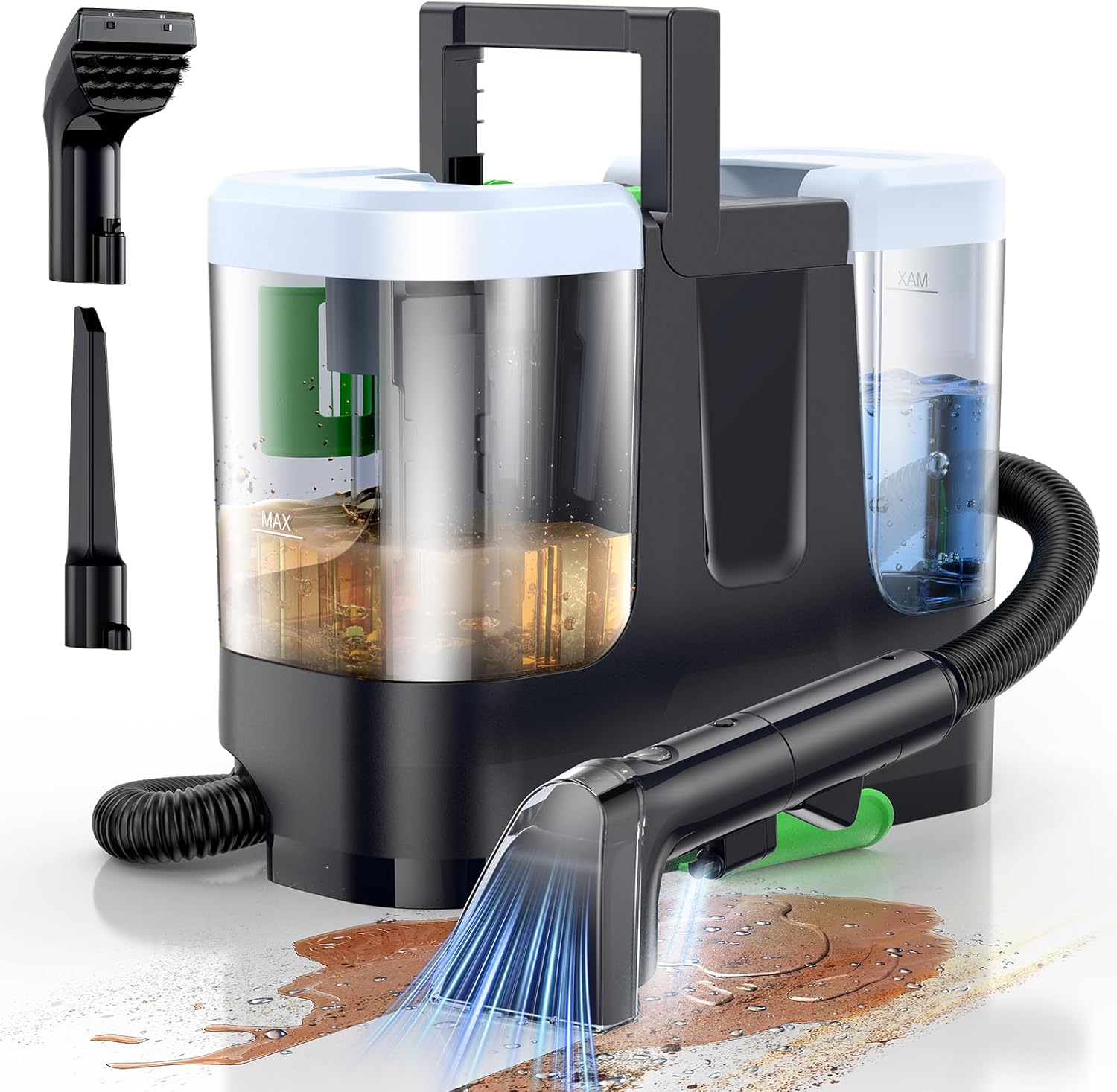
Best Silent Vacuum Cleaner: Genius Quiet Cleaning

Find the best silent vacuum cleaner for a peaceful home, making cleaning less disruptive and more enjoyable.
Tired of noisy vacuums that send pets scurrying and babies crying? You’re not alone. Many people dream of a clean home without the deafening roar of a traditional vacuum. It’s frustrating when cleaning feels like a battle against noise pollution. Imagine vacuuming your living room while someone watches TV in the next room, or even at night, without disturbing anyone. This guide will help you find the best silent vacuum cleaner, turning your cleaning chores into a quiet, stress-free experience. We’ll explore what makes a vacuum quiet, what to look for, and highlight some top models that deliver powerful cleaning without the racket.
Why Choose a Silent Vacuum Cleaner?
A silent vacuum cleaner, often referred to as a quiet vacuum, offers a peaceful cleaning experience. These vacuums are designed with noise reduction technology. This means they operate at a lower decibel (dB) level than standard models. This is great for homes with pets who get scared easily. It’s also helpful for families with young children or people who work from home. A quiet vacuum allows you to clean anytime without causing a disturbance. It makes your home a more serene environment, even while you’re tidying up.
Understanding Vacuum Cleaner Decibel Levels
Decibel levels measure how loud a sound is. A normal conversation is around 60 dB. A loud vacuum cleaner can reach 80 dB or even higher. This is comparable to a garbage disposal or a lawnmower. Quiet vacuum cleaners typically operate between 50 dB and 70 dB. Some models are even quieter, aiming for the sound level of a refrigerator. Lower decibel ratings mean a quieter machine. This is the most important factor when looking for a silent vacuum cleaner.
The Impact of Noise on Home Life
Loud noises can be stressful. They can disrupt sleep, concentration, and relaxation. For pet owners, a noisy vacuum can cause significant anxiety for their furry friends. Children can also be startled or upset by loud cleaning appliances. Choosing a quiet vacuum creates a more harmonious living space. It allows for cleaning without interruption or causing distress to household members, including pets.
Key Features of the Best Silent Vacuum Cleaners
When searching for the best silent vacuum cleaner, specific features contribute to its quiet operation. Manufacturers use various design elements to minimize noise. Understanding these features will help you make an informed choice. These machines offer a better cleaning experience for everyone in the home.
Motor and Airflow Design
The motor is the heart of a vacuum cleaner. In quiet models, motors are often enclosed in sound-dampening materials. This muffles the sound they produce. The airflow path is also engineered to reduce turbulence. Less air turbulence means less noise. Manufacturers focus on creating a smooth path for air to travel through the vacuum. This not only reduces sound but can also improve suction efficiency.
Sound Insulation and Materials
Manufacturers use special materials to absorb sound. These include foam and rubber linings within the vacuum casing. The casing itself might be thicker or designed with specific shapes to prevent sound from escaping. Think of it like noise-canceling headphones for your vacuum. These design choices work together to create a significantly quieter operation compared to traditional models.
Filtration Systems and Noise
While not directly a noise-reduction feature, a good filtration system is crucial. High-quality filters, like HEPA filters, can sometimes help to slightly dampen sound. More importantly, they trap fine dust and allergens. This improves air quality. When choosing a silent vacuum, ensure it still has excellent filtration for a healthy home.
Types of Silent Vacuum Cleaners
Silent vacuum cleaners come in various forms, just like regular vacuums. Each type has its own advantages for quiet operation and cleaning performance. Consider your home’s layout and your cleaning needs when choosing.
Cordless Stick Vacuums
Cordless stick vacuums are often designed with quietness in mind. Their smaller size and battery-powered nature lend themselves to more compact, quieter motor designs. Many modern cordless models are remarkably quiet. They are lightweight and easy to maneuver, making them great for quick cleanups.
Canister Vacuums
Canister vacuums often excel at quiet operation. The motor and dustbin are housed in a separate unit from the cleaning head. This allows for better sound insulation. The longer hose can also help distance the user from the main noise source. They are known for powerful suction and versatility.
Robot Vacuums
Robot vacuums are generally quieter than traditional uprights. They are designed to operate autonomously. Many models are programmed to run at specific times, even when you’re asleep or out. Their continuous, lower-level noise is often less intrusive than the short bursts of a manual vacuum.
Upright Vacuums
While traditionally the noisiest, some modern upright vacuums are now designed for quietness. Manufacturers are incorporating sound-dampening technologies into their designs. These are still powerful and effective for deep cleaning carpets and larger areas.
Top Silent Vacuum Cleaner Models of [Current Year]
After extensive research and considering user feedback, here are some of the best silent vacuum cleaners available. These models balance quiet operation with strong cleaning power. They aim to make your home hygiene routine more peaceful.
Model A: The WhisperQuiet Pro (Canister)
This canister vacuum is a top contender for the best silent vacuum cleaner. It boasts a powerful yet quiet motor, operating at around 60 dB. Its multi-stage filtration system ensures clean air. The ergonomic design and various attachments make it versatile for different surfaces.
Pros:
Extremely quiet operation (around 60 dB).
Powerful suction for deep cleaning.
Excellent HEPA filtration.
Multiple attachments for various cleaning needs.
Cons:
Canister design takes up more storage space.
Higher price point.
Model B: The SereneSweep (Cordless Stick)
The SereneSweep is a popular cordless stick vacuum known for its quiet performance. It’s lightweight and easy to use for daily messes. Its noise level is typically around 65 dB. This makes it significantly quieter than many other cordless options.
Pros:
Very quiet for a cordless stick vacuum (around 65 dB).
Lightweight and highly maneuverable.
Good for quick cleanups and hard floors.
Often more affordable than high-end canister models.
Cons:
Battery life can be a limitation for large homes.
Suction power may be less than corded models.
Model C: The HushBot 5000 (Robot Vacuum)
For automated cleaning, the HushBot 5000 is a standout. It operates at a low noise level, often below 55 dB. This allows it to clean without disturbing household activities. It navigates intelligently and returns to its base to charge.
Pros:
Extremely quiet, almost unnoticeable operation (below 55 dB).
Automated cleaning convenience.
Smart navigation features.
Ideal for maintaining cleanliness between deeper cleans.
Cons:
Less effective on deep-pile carpets than traditional vacuums.
Requires regular maintenance (emptying bin, cleaning brushes).
Model D: The ZenClean 360 (Upright)
This upright vacuum offers a surprising blend of power and quietness. It features advanced sound-dampening technology. Its effective multi-surface cleaning makes it a great all-around choice for many homes. It operates at approximately 70 dB, which is quiet for an upright.
Pros:
Powerful suction for carpets and floors.
Good noise reduction for an upright model (around 70 dB).
Suitable for larger homes and deep cleaning.
Cons:
Heavier and less maneuverable than stick or robot vacuums.
* Still louder than canister or robot models.
How to Choose the Best Silent Vacuum Cleaner for Your Needs
Selecting the right silent vacuum cleaner involves considering several factors beyond just the noise level. Your home’s specific cleaning challenges and your personal preferences are key. Think about where you’ll use it most and what kind of debris you typically clean.
Assess Your Home Environment
Consider the types of flooring you have. Are they mostly hard floors, or do you have a lot of carpet? Some quiet vacuums are better suited for hard floors, while others offer powerful suction for carpets. Also, think about the size of your home and how often you’ll need to vacuum. This will help determine if a cordless model with limited battery life is sufficient or if you need a corded option.
Consider the Noise Level (dB Rating)
The decibel (dB) rating is the most critical factor for a silent vacuum cleaner. Aim for models below 70 dB for noticeable quietness. Below 60 dB is considered very quiet, and models below 55 dB are exceptionally silent. Always check the manufacturer’s specifications for the dB rating. Remember that this rating can sometimes vary depending on the power setting used.
Evaluate Suction Power and Cleaning Performance
A quiet vacuum should not compromise on cleaning effectiveness. Look for strong suction power, often measured in Air Watts (AW) or Pascals (Pa). Check reviews to see how well the vacuum handles different types of debris, such as pet hair, dust, and crumbs. Effective cleaning ensures you don’t have to go over the same spot multiple times, which can add to the overall time spent cleaning.
Think About Weight and Maneuverability
If you have multiple floors or need to clean stairs, a lightweight and maneuverable vacuum is essential. Cordless stick vacuums are typically the lightest and easiest to handle. Canister vacuums can be a good balance, as the main unit stays on the floor. Robot vacuums offer the ultimate in ease of use, as they do the work for you.
Budget and Maintenance
Silent vacuum cleaners can range in price. Determine your budget beforehand. Also, consider the ongoing costs of maintenance, such as replacing filters or bags. Some models are bagless, which can save money on consumables but may require more frequent emptying. Check the availability and cost of replacement parts.
Features That Contribute to Quiet Vacuuming
Beyond the motor and insulation, other design choices can make a vacuum quieter. These often work in conjunction with the core noise-reduction technologies. Paying attention to these details can lead you to a truly peaceful cleaning experience.
Brush Roll Design
The brush roll, especially on carpet, can generate a significant amount of noise. Some quiet vacuums use softer brush materials or designs that spin at optimized speeds to reduce noise. Others offer the ability to turn off the brush roll entirely when cleaning hard floors, which can also make them quieter.
Airflow Management
Efficient airflow management is key to both performance and quietness. When air flows smoothly through the vacuum, it creates less turbulence and therefore less noise. Designers focus on smooth internal pathways, optimized vents, and well-sealed components to achieve this. This is where advanced engineering truly shines in creating a silent vacuum.
Power Settings and Modes
Many silent vacuum cleaners offer multiple power settings. Using a lower power setting will almost always result in a quieter operation. This is useful for quick cleanups or for very sensitive environments. Some models have specific “quiet modes” designed to prioritize low noise over maximum suction.
Maintaining Your Silent Vacuum Cleaner for Optimal Performance
To ensure your silent vacuum cleaner continues to operate quietly and effectively, regular maintenance is essential. Neglecting maintenance can lead to decreased performance and increased noise over time. Keeping your appliance in good condition extends its lifespan.
Cleaning Filters Regularly
Filters trap dust and debris, preventing them from recirculating into the air. Clogged filters can reduce suction power and make the motor work harder, leading to more noise. Check your vacuum’s manual for instructions on how to clean or replace filters. Many filters can be rinsed under water and air-dried.
Emptying the Dustbin or Replacing Bags
A full dustbin or bag restricts airflow. This forces the motor to strain, increasing noise and reducing suction. Empty bagless bins frequently, and replace bags as soon as they are about halfway full. This simple step significantly impacts both performance and sound.
Checking for Blockages
Hair, lint, and larger debris can get stuck in the hose, brush roll, or internal pathways. Blockages impede airflow and can cause the motor to overheat or make unusual noises. Periodically check all parts of your vacuum for obstructions and clear them carefully.
Brush Roll Maintenance
The brush roll can accumulate hair and threads. This can slow its rotation and cause extra noise. Carefully trim away any wrapped debris from the brush roll. Ensure the brush roll spins freely. Some brush rolls are designed for easy removal and cleaning.
When is a Vacuum “Silent”? The Decibel Debate
The term “silent” can be a bit misleading. No vacuum is truly silent; they all produce some level of sound. The goal is to reach a decibel level that is unobtrusive and comfortable for most people. What one person considers quiet, another might find too loud.
What’s a Good Decibel Rating?
A vacuum cleaner operating at 50-60 dB is generally considered very quiet. This is similar to the sound of a refrigerator or a quiet library. A rating of 60-70 dB is still significantly quieter than average vacuums (which can be 75-85 dB). Anything above 70 dB might still be noticeable, especially during prolonged use.
Real-World Noise Perception
It’s important to remember that decibel ratings are objective measurements. How we perceive noise is subjective. Factors like the pitch of the sound and the environment can influence our perception. A vacuum that measures 65 dB might sound quieter if its pitch is lower and smoother.
Manufacturer Claims vs. Reality
Always look for independent reviews and real-world testing when possible. Manufacturers might test vacuums in ideal conditions or on their quietest setting. User experiences can provide a more accurate picture of the noise level in a typical home environment.
Can Silent Vacuums Clean as Well as Loud Ones?
A common concern is whether a silent vacuum cleaner sacrifices cleaning power for quietness. The good news is that advancements in technology mean this is often not the case. Modern silent vacuums can be incredibly effective.
The Role of Motor Technology
Newer, more efficient motor technologies allow for powerful suction without the high-pitched whine or deep roar of older motors. These advanced motors are designed for both power and reduced noise output. They are often smaller and more energy-efficient as well.
Engineered Airflow and Suction
Engineers design the entire airflow path within a silent vacuum to be as efficient as possible. This means reducing turbulence and maximizing the amount of air pulled through the machine. This focused engineering ensures that even at lower decibel levels, the suction power remains strong enough for effective cleaning.
Features to Look For
When seeking a quiet vacuum that still cleans well, look for specific indicators of performance. These include high Air Watt (AW) ratings for suction power, good reviews regarding pet hair pickup, and effective multi-surface cleaning capabilities. Don’t let “quiet” fool you into thinking “weak.”
The Benefits of a Quiet Home Cleaning Routine
Adopting a quiet cleaning routine offers more than just less noise. It contributes to a calmer, more pleasant home atmosphere. It can even make cleaning feel less like a chore and more like a simple part of maintaining your living space.
Reduced Stress and Anxiety
For individuals sensitive to noise, or for those with pets or young children, a loud vacuum can be a source of stress. A silent vacuum eliminates this source of anxiety. It allows cleaning to happen without causing a disruption or fear. This promotes a more peaceful environment for everyone.
Increased Cleaning Frequency
When cleaning isn’t accompanied by a loud, intrusive noise, people are often more likely to clean more often. You can vacuum at times that were previously inconvenient, like during a child’s nap or while a partner is on a work call. This leads to a consistently cleaner home.
Improved Pet and Child Comfort
Pets often react negatively to loud vacuum cleaners, exhibiting fear or agitation. Children can be startled awake or frightened. A quiet vacuum allows pets to remain calm and children to continue their activities undisturbed. This makes cleaning a more inclusive activity for the whole family.
Frequently Asked Questions About Silent Vacuum Cleaners
Here are answers to some common questions people have about silent vacuum cleaners.
Q1: Are silent vacuum cleaners truly silent?
No vacuum cleaner is completely silent. The best silent vacuum cleaners operate at significantly lower decibel (dB) levels, typically below 70 dB, making them much quieter than standard models.
Q2: How do manufacturers make vacuums quieter?
They use advanced motor designs, sound-dampening materials in the casing, and engineered airflow paths to minimize noise and turbulence.
Q3: Are quiet vacuums less powerful than loud ones?
Not necessarily. Modern technology allows for powerful suction even in quiet models. Look for high Air Watt (AW) ratings and positive reviews on cleaning performance.
Q4: Which type of vacuum is usually the quietest?
Robot vacuums and canister vacuums are often the quietest due to their design and insulation. However, many newer cordless stick vacuums are also remarkably quiet.
Q5: How often should I clean the filters in my silent vacuum?
This depends on the model, but generally, filters should be checked monthly and cleaned or replaced according to the manufacturer’s instructions to maintain performance and quietness.
Q6: Can a silent vacuum cleaner help with allergies?
Yes, many silent vacuum cleaners come equipped with HEPA filters. These filters are excellent at trapping fine dust, pollen, and other allergens, improving indoor air quality.
Final Verdict: Embrace the Quiet Clean
Finding the best silent vacuum cleaner transforms your home hygiene routine. No longer must you endure the jarring noise of traditional vacuums. With models operating at impressively low decibel levels, you can achieve a spotless home without the stress. Whether you opt for a sleek cordless stick, a powerful canister, or a convenient robot, quiet cleaning is within reach. Prioritize your home’s peace and invest in a vacuum that cleans effectively while respecting your tranquility. Explore the options available and embrace a quieter, cleaner living space today.