
Best Mops For Tile Floors: Genius Cleaning

Find the best mops for tile floors to make cleaning easy and effective. This guide covers top picks, cleaning tips, and features to look for, ensuring your tiles shine without the hassle.
Cleaning tile floors can feel like a never-ending chore. Soap scum, grime, and dirt seem to cling to grout lines, making them look dull. You want your tile floors to sparkle, but the wrong mop can leave streaks or just push dirt around. I’ve tested many mops, and I’m here to share the secrets to getting your tile floors truly clean with the right tools. Let’s discover the best mops for tile floors together.
What Makes a Mop Great for Tile Floors?
A great mop for tile floors needs specific features. It should effectively pick up dirt and grime without scratching the tile surface. The mop head material is important; microfiber is excellent because it traps dirt and absorbs liquid well. A good wringing mechanism is also key to avoid leaving too much water on the floor, which can damage grout over time.
Key Features to Look For in Tile Mops
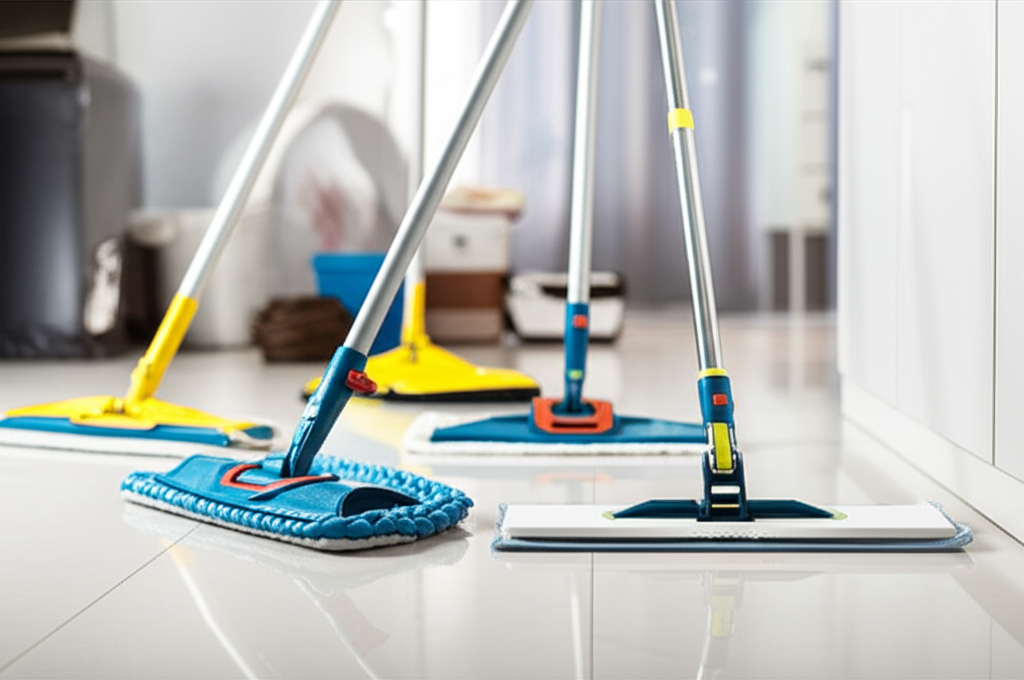
When choosing your mop, keep these features in mind. They will help you make the best decision for your home.
Microfiber Mop Heads: These are gentle on tile and great at trapping dust and dirt. They also absorb spills quickly.
Adjustable Handle: This allows you to clean comfortably without bending over too much. It makes the job easier on your back.
Effective Wringing System: Whether it’s a built-in spinner or a separate bucket, you need to control the moisture. Too much water can harm grout.
Maneuverability: A swivel head helps you reach tight corners and go around furniture easily. This means a cleaner floor overall.
Durability: Look for sturdy materials that will last through many cleaning sessions. A well-made mop is a good investment.
Top Picks for the Best Mops for Tile Floors
I’ve looked at many mops, and these stand out for tile cleaning. They offer great performance and value.
1. O-Cedar EasyWring Microfiber Spin Mop
This mop is a favorite for a reason. Its triangular head reaches corners well. The built-in spinner in the bucket lets you control how wet the mop gets. This is perfect for tile floors, as it prevents excess water from sitting on the surface. The microfiber head is washable and reusable, saving you money.
Pros: Excellent wringing control, reaches corners, affordable, machine-washable head.
Cons: Handle can feel a bit flimsy for some users.
This mop makes wringing out the mop head simple and effective. You can spin it to the perfect dampness for your tile floors.
2. Bissell PowerDuo Dual Power Pro
If you want a mop that also scrubs, this is a fantastic choice. It’s a 2-in-1 vacuum and mop. It vacuums up loose debris and then mops your floors. This saves you time by combining two cleaning steps. It’s especially good for busy households with pets.
Pros: Vacuums and mops simultaneously, good for messes and pet hair, easy to use.
Cons: Can be heavier than traditional mops, requires power outlet.
This dual-action cleaner tackles dirt and grime in one go. It’s a powerful tool for keeping tile floors spotless.
3. Swiffer WetJet Floor Cleaner Starter Kit
The Swiffer WetJet is super convenient for quick cleanups. It sprays a cleaning solution directly onto your floors. The pads absorb the dirt and liquid. It’s lightweight and easy to store. This is a great option for light cleaning or when you need to tidy up fast.
Pros: Very easy to use, no assembly required, good for quick spills.
Cons: Disposable pads can be costly over time, solution might not be strong enough for deep cleaning.
For speedy cleaning and light spills, the Swiffer WetJet is incredibly handy. It sprays and mops in a single swipe.
4. Bona Hardwood Floor Mop (Tile & Laminate Formula)
While named for hardwood, Bona offers a great mop system for tile floors too. Their pH-neutral cleaning solution is safe for most tile types. The mop has a large microfiber pad and a sturdy handle. It’s designed to leave floors clean without residue.
Pros: Safe for most floor types, leaves no dulling residue, effective cleaning solution.
Cons: Can be more expensive than basic mops, refill solution is needed.
Bona’s system provides a streak-free clean that protects your tile. It’s a premium choice for a polished look.
5. MR. SIGA Professional Microfiber Mop
This mop is built for durability and performance. It has a large, flat microfiber head that covers a lot of ground. The handle is adjustable and the mop head swivels 360 degrees. It works well both wet and dry for dusting and mopping.
Pros: Durable construction, large cleaning head, great maneuverability, good value.
* Cons: Bucket is separate, no built-in wringing system.
This mop is a workhorse, designed for thorough cleaning. Its large head and swivel action make it efficient.
Types of Mops Suitable for Tile
Not all mops are created equal when it comes to tile. Understanding the different types can help you pick the best one.
Microfiber Mops
Microfiber mops are excellent for tile floors. The tiny fibers trap dirt and absorb liquids very effectively. They don’t just push dirt around like some older mop types. You can find them as flat mops, string mops, and in spin mop systems.
Steam Mops
Steam mops use hot steam to clean and sanitize floors. They kill germs and bacteria without harsh chemicals. This is a great option for homes with children or pets. However, always check if your tile and grout can handle steam. Some older grout or certain types of natural stone tile might be damaged by excessive heat.
Sponge Mops
Sponge mops can work for tile, but they have drawbacks. They can be good for absorbing spills. However, they can also push dirty water into grout lines. It’s important to rinse them very thoroughly after each use to avoid spreading grime.
String/Rope Mops
Traditional string mops can be effective if used correctly. They have good absorbency. The main challenge is wringing them out well. If too wet, they can leave your tile floors damp for too long. This can lead to streaks or even damage to grout.
How to Choose the Right Mop for Your Tile
Consider your specific needs and the type of tile you have. This will guide your choice.
Consider Your Tile Type and Grout
Some tiles are more delicate than others. For instance, unsealed natural stone tiles need special care. Always check manufacturer recommendations for your specific flooring. Most ceramic and porcelain tiles are very durable and can handle most mop types. Grout lines are often the most absorbent part of the floor.
Your Cleaning Habits
Are you looking for a quick daily clean or a deep weekly scrub? For quick cleanups, a spray mop like the Swiffer WetJet is ideal. For deeper cleaning, a microfiber mop with a good wringing system or a steam mop might be better.
Budget and Maintenance
Some mops have higher upfront costs but save money long-term with reusable pads. Others use disposable pads or require cleaning solutions. Think about how much you want to spend initially and on ongoing supplies. Also, consider how easy the mop is to clean and store.
Cleaning Tips for Sparkling Tile Floors
Using the right mop is only half the battle. Proper technique makes a big difference.
Prep Your Floors First
Before you mop, sweep or vacuum your tile floors. This removes loose dirt, dust, and debris. Mopping over loose grit can scratch your tiles or embed the dirt into the grout. A quick sweep makes mopping much more effective.
Use the Right Cleaning Solution
For most tile floors, plain water or a mild, pH-neutral cleaner is best. Avoid harsh chemicals or abrasive cleaners. These can dull the finish of your tiles or damage grout. Always follow the cleaner’s instructions for dilution.
Don’t Over-Wet Your Floors
Tile floors, especially those with grout, don’t like standing water. Use a mop with a good wringing mechanism. Aim for a damp mop, not a soaking wet one. Let the floors air dry completely or use a clean, dry microfiber cloth to buff out any remaining moisture.
Clean Your Mop After Use
Always rinse your mop head thoroughly after cleaning. If you have a washable microfiber head, toss it in the washing machine. If it’s a sponge or string mop, rinse it until the water runs clear. This prevents mildew and ensures your mop is ready for the next use.
Understanding Different Tile Flooring Materials
Tile comes in many forms, and knowing yours helps you clean it best.
Ceramic and Porcelain Tile
These are the most common types. They are very durable and water-resistant. Most cleaning methods and mops work well on them. They are a forgiving choice for busy homes.
Natural Stone Tile
Materials like marble, granite, travertine, and slate are beautiful but can be more sensitive. They are often porous and can be damaged by acidic or alkaline cleaners. Always use a pH-neutral cleaner and a soft mop head. Avoid steam mops unless you are certain your stone can handle the heat.
Vinyl Tile
Vinyl tiles are resilient and water-resistant. They are generally easy to clean. However, some strong solvents can damage the material. Stick to mild cleaners and microfiber mops for best results.
Comparing Popular Mop Features
Here’s a quick look at how different mop features compare for tile floors.
| Feature | Microfiber Spin Mop | Steam Mop | Spray Mop |
| :—————— | :—————— | :————— | :————— |
| Cleaning Power | High | Very High (Sanitizes) | Medium |
| Water Usage | Controlled | Minimal (Steam) | Minimal |
| Chemicals Needed| Optional | None | Yes |
| Grout Safety | Good | Caution advised | Good |
| Ease of Use | Good | Good | Excellent |
| Best For | Deep cleaning | Sanitizing | Quick touch-ups |
Can I Use a Vacuum Mop on Tile?
Yes, vacuum mops can be a great option for tile floors. These devices combine vacuuming and mopping in one step. They are ideal for homes with pets or lots of foot traffic. They pick up loose debris before washing the floor. Ensure the vacuum mop you choose is suitable for wet use and doesn’t leave too much water behind.
Many modern vacuum mops are designed for sealed hard floors like tile. They offer a convenient way to clean efficiently.
FAQ: Your Tile Floor Cleaning Questions Answered
Q1: What is the best type of mop for tile floors?
The best mops for tile floors are usually microfiber mops. They effectively trap dirt and absorb spills without scratching. Spin mops with good wringing action are also highly recommended for controlling moisture.
Q2: Can I use a steam mop on my tile floors?
Yes, you can often use a steam mop on ceramic or porcelain tile. However, be cautious with natural stone or older grout, as excessive heat can cause damage. Always check your flooring manufacturer’s recommendations first.
Q3: How often should I mop my tile floors?
It depends on your household. For busy homes with pets or kids, mopping 1-2 times a week is good. For less traffic, once a week or every other week might be enough. Quick spot cleaning for spills is always a good idea.
Q4: What cleaning solution should I use on tile floors?
For most tile floors, a simple solution of warm water and a small amount of pH-neutral cleaner is best. Avoid abrasive cleaners or anything too acidic or alkaline, as these can damage grout and dull the tile finish.
Q5: How do I get rid of grout stains?
For stubborn grout stains, you can try a paste of baking soda and water. Apply it to the grout lines, let it sit for a few minutes, then scrub with a stiff brush. Rinse thoroughly. For very tough stains, a specialized grout cleaner might be needed.
Q6: My mop leaves streaks on my tile floors. What am I doing wrong?
Streaks are often caused by using too much cleaning solution or not rinsing the mop head often enough. Ensure you’re using a diluted cleaner and that your mop is only damp, not wet. Rinse the mop head frequently during cleaning.
Conclusion: Achieving Gleaming Tile Floors
Finding the best mops for tile floors means looking for effectiveness, ease of use, and the right features for your specific flooring. Microfiber mops, especially those with spin wringing, offer excellent control over moisture and dirt pickup. Steam mops provide a chemical-free sanitizing clean, while convenient spray mops are perfect for quick touch-ups. By choosing the right tool and following simple cleaning tips, you can keep your tile floors looking fresh and clean. I hope this guide helps you find your perfect cleaning companion!
