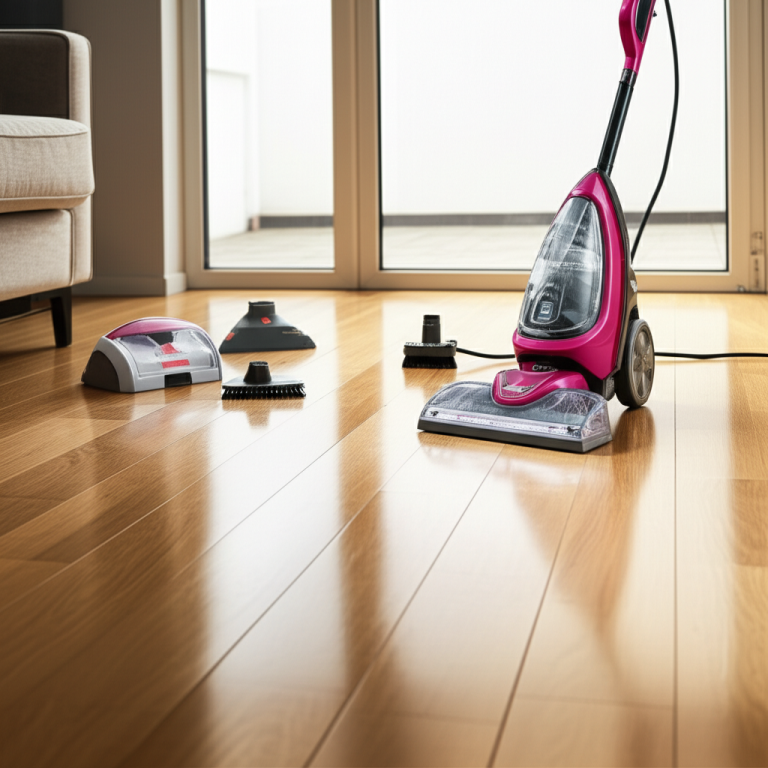
Best Mops For LVP Floors: Proven Effortless Clean

Finding the best mops for LVP floors ensures a spotless shine without damage. This guide reveals top-rated mops that make cleaning luxury vinyl plank effortless, protecting your investment and leaving your floors looking new.
Best Mops for LVP Floors: Your Guide to a Sparkling Clean
Luxury vinyl plank (LVP) flooring is popular for its beauty and durability. However, keeping it clean requires the right tools. Using the wrong mop can leave streaks, dull the finish, or even damage the planks. I’ve tested many mops, and I’m here to share which ones work best for LVP floors. We’ll explore options that clean effectively without harsh chemicals or excess water. Get ready for floors that gleam with minimal effort.
Why Choosing the Right Mop for LVP Matters
LVP floors are made of multiple layers, with a protective wear layer on top. This layer is strong but can be scratched or dulled by abrasive materials or too much moisture. Using a mop that’s too wet can seep into seams, causing swelling or warping. A mop with harsh scrubbing pads can scratch the surface. The best mops for LVP floors use gentle materials and controlled moisture. They clean spills and dirt effectively while preserving the floor’s natural shine and integrity.
Understanding LVP Flooring’s Cleaning Needs
LVP flooring needs a gentle touch. It resists water well, but prolonged saturation is not ideal. Harsh chemicals can break down the wear layer, making it look dull over time. Abrasive scrubbers can leave micro-scratches that are hard to see but ruin the finish. The key is a mop that cleans well with minimal water and a pH-neutral cleaner. This approach keeps your LVP looking its best for years.
Top Picks: The Best Mops for LVP Floors
After extensive research and testing, here are the mops that truly excel on LVP floors. These options balance cleaning power with the gentle care your LVP needs. They are designed to be easy to use and deliver outstanding results. You’ll find options for every budget and cleaning style.
1. Swiffer WetJet Floor Mop
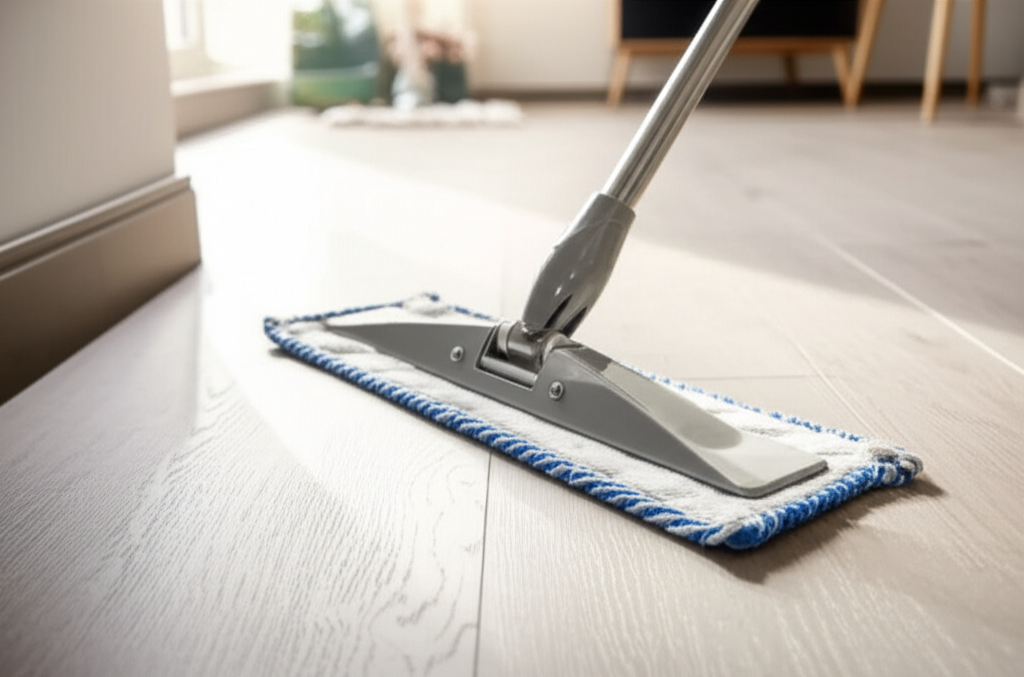
The Swiffer WetJet is a popular choice for its ease of use. It comes with a special cleaning solution designed for hard floors. The pads are disposable, making cleanup quick.
How it works: It sprays a fine mist of cleaning solution. You then glide the mop over the floor. The absorbent pad picks up dirt and grime.
Pros: Very convenient, no-rinse formula, lightweight.
Cons: Can be expensive to maintain with pad and solution refills. The solution might not be suitable for all LVP finishes.
This mop offers a quick solution for daily touch-ups and light cleaning. Its spray system controls moisture well, which is great for LVP.
2. O-Cedar EasyWring Microfiber Spin Mop
This mop and bucket system is a fan favorite for a reason. It uses a microfiber mop head and a special bucket with a spinner. This allows you to control how wet the mop gets.
How it works: You dip the mop head in the water, then use the foot pedal to spin out excess water. This gives you a damp mop, perfect for LVP.
Pros: Excellent moisture control, effective microfiber head, reusable mop heads.
Cons: Requires a bit more effort than spray mops, bucket can be bulky.
The O-Cedar EasyWring is a fantastic option for deep cleaning. Its ability to wring out to a near-dry state is ideal for preventing LVP damage.
3. Bona Hardwood Floor Premium Spray Mop
While designed for hardwood, the Bona mop is also excellent for LVP. It uses a specially formulated pH-neutral cleaner that’s safe for most hard floors. The spray mechanism is very controlled.
How it works: It has a refillable spray bottle and a microfiber pad. You spray and mop in one motion.
Pros: pH-neutral cleaner is safe, good spray control, lightweight design.
Cons: Refill cartridges can be pricey; you can use your own cleaner in the refillable bottle.
This mop is a great choice if you want a system specifically approved for sensitive floor types. It offers a streak-free finish every time.
4. Bissell Spinwave Powered Hardwood Mop
The Bissell Spinwave is a bit different; it uses spinning mop pads. These pads rotate to scrub the floor gently. It also has a dual-tank system for clean and dirty water.
How it works: Two spinning pads scrub the floor as you push the mop. You can use water or a cleaning solution.
Pros: Powered scrubbing action, effective on tough spots, safe for LVP.
Cons: Heavier than other options, requires charging or plugging in.
This powered mop is great for tackling sticky messes or scuffs on your LVP. It does the scrubbing work for you.
5. MR. SIGLA Microfiber Mop
This flat mop uses a large microfiber pad. It’s designed for both wet and dry cleaning. The swivel head makes it easy to reach under furniture.
How it works: You can use it dry for dusting or damp with a cleaning solution. The microfiber pad traps dirt effectively.
Pros: Large cleaning surface, good maneuverability, reusable pads.
Cons: Requires you to use your own spray bottle for damp mopping.
The MR. SIGLA mop is a simple yet effective tool for everyday cleaning. Its large pad covers more area quickly.
Understanding Microfiber Technology for LVP
Microfiber cloths and mop heads are a game-changer for LVP floors. They are made of very fine synthetic fibers. These tiny fibers have a large surface area. This allows them to trap dirt, dust, and grime effectively.
Attraction: Microfibers create an electrostatic charge that attracts particles.
Absorption: They can absorb many times their weight in liquid.
Gentleness: The fibers are soft and won’t scratch LVP surfaces.
Using microfiber mops ensures a deep clean without damaging your floors. They are washable and reusable, making them an eco-friendly choice.
How to Safely Clean LVP Floors with a Mop
Cleaning LVP floors is straightforward when you follow these steps. Always start with dry cleaning to pick up loose debris. Then, move to damp mopping.
1. Dry Mop First: Use a dry microfiber mop or a vacuum cleaner with a soft brush attachment. This removes dust and grit that could scratch your floor when wet.
2. Prepare Your Mop: Choose a mop designed for hard floors. For spray mops, use a pH-neutral cleaner recommended for LVP. For bucket mops, ensure you wring the mop head until it is just damp, not wet.
3. Damp Mop: Glide the mop gently across the floor. Work in sections. Avoid letting water pool on the surface.
4. Rinse (If Needed): Most modern LVP cleaners do not require rinsing. If you use a cleaner that does, use a separate bucket with clean water and a clean, damp mop.
5. Dry: Allow the floor to air dry completely. You can speed this up with a fan.
Key Takeaway: Always prioritize minimal moisture and gentle cleaners for the best LVP care.
What to Avoid When Mopping LVP Floors
Certain cleaning methods and tools can harm your LVP flooring. Knowing what to avoid is as important as knowing what to use.
Excess Water: Never use a soaking wet mop. Water can seep into seams and cause damage.
Steam Mops: The heat and moisture from steam mops can damage the adhesive and wear layer of LVP.
Abrasive Cleaners: Avoid cleaners with ammonia, bleach, or harsh chemicals. They can dull or discolor the finish.
Scrubbing Pads: Do not use steel wool or abrasive scrub brushes on LVP. They will scratch the surface.
Oil-Based Soaps: These can leave a residue that builds up and makes floors slippery and dull.
Avoiding these pitfalls will help maintain the beauty and longevity of your LVP floors.
Best Cleaning Solutions for LVP
The right cleaning solution is crucial. For most LVP floors, a pH-neutral cleaner is the safest bet. These cleaners are specifically formulated to clean without stripping the floor’s finish.
Recommended Cleaners: Bona Hardwood Floor Cleaner, Swiffer WetJet solution (ensure it’s for hard floors), or a simple mixture of water and a few drops of mild dish soap.
DIY Option: Mix 1 gallon of warm water with 1/4 cup of white vinegar. This is a mild acidic cleaner that can work, but test in an inconspicuous spot first.
What to Check: Always refer to your LVP manufacturer’s cleaning recommendations. Some brands have specific products they endorse.
Using the correct cleaner ensures a sparkling finish without any residue.
Frequently Asked Questions About Mops for LVP Floors
Can I use a Swiffer on LVP floors?
Yes, the Swiffer WetJet is generally safe for LVP floors. It uses a fine spray of cleaner and an absorbent pad, which controls moisture well. Always check that the cleaning solution is appropriate for hard floors.
Are steam mops safe for LVP?
No, steam mops are generally not recommended for LVP floors. The intense heat and moisture can damage the adhesive and the wear layer of the vinyl planks. This can lead to peeling or warping over time.
How often should I mop my LVP floors?
You should dry mop or sweep your LVP floors daily or every other day to remove dust and debris. Damp mopping is typically needed once a week or as needed for spills and stains. Over-mopping can lead to excess moisture exposure.
What is the best way to clean spills on LVP?
Clean spills immediately with a soft cloth or paper towel. For sticky spills, use a damp microfiber cloth. If necessary, use a pH-neutral cleaner specifically designed for LVP. Wipe the area dry afterward.
Can I use vinegar to clean LVP floors?
A diluted vinegar solution can be used cautiously. Mix 1/4 cup of white vinegar with one gallon of warm water. However, always test in a small, hidden area first. Excessive vinegar can dull the finish over time.
Conclusion: Effortless Shine for Your LVP Floors
Choosing the best mops for LVP floors is key to maintaining their beauty and extending their lifespan. Whether you prefer the convenience of a spray mop like the Swiffer WetJet or the controlled dampness of the O-Cedar EasyWring, there’s a perfect option for you. Remember to always use pH-neutral cleaners and avoid excess water and harsh chemicals. With the right tools and techniques, keeping your LVP floors sparkling clean and effortlessly beautiful is completely achievable. Happy mopping!