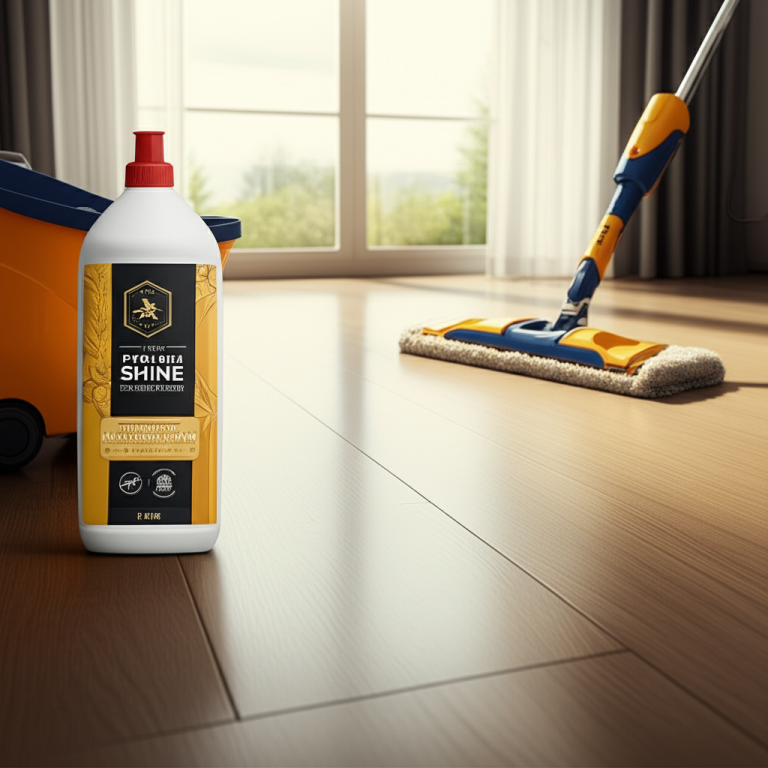
Best Mopping Floor Cleaner: Genius Essential Guide

Discover the best mopping floor cleaner for a spotless home. This guide covers everything from types of cleaners and ingredients to how to choose the perfect one for your floors and specific messes. Get ready for sparkling clean floors with expert tips and essential advice.
Life is busy. Keeping your home clean shouldn’t be a chore. Especially when it comes to floors, they see a lot of action! Muddy footprints, spilled drinks, or just everyday dust can make them look dull. Finding the right cleaner can feel overwhelming with so many options. But what if I told you there’s a simple way to pick the best mopping floor cleaner? This guide will help you choose the perfect cleaner to make your floors shine.
What Makes a Mopping Floor Cleaner the “Best”?
The “best mopping floor cleaner” is one that effectively removes dirt and grime without harming your floors. It should be safe for your family and pets. It also needs to be easy to use and leave no sticky residue. A great cleaner tackles tough messes while being gentle on different floor types like wood, tile, or laminate.
Understanding Different Types of Mopping Floor Cleaners
Mopping floor cleaners come in many forms. You have all-purpose cleaners that work on most surfaces. Then there are specialized cleaners for wood floors or tough grease. Some cleaners are concentrated, meaning you mix them with water. Others are ready to use straight from the bottle.
All-Purpose Floor Cleaners
These are your everyday heroes. All-purpose cleaners are designed to handle common dirt and spills on various floor types. They are usually mild and safe for daily use. This makes them a convenient choice for busy households.
Specialty Floor Cleaners
Sometimes, you need something more specific. Wood floor cleaners protect the finish and prevent damage. Tile and grout cleaners tackle stubborn stains and mildew. For kitchens, degreasing cleaners cut through grease and grime. Using the right specialty cleaner ensures the best results for your specific floor and mess.
Key Ingredients to Look For (and Avoid)
The ingredients in your cleaner matter. Some ingredients are great for cleaning. Others can damage your floors or be harmful. Knowing what to look for helps you make a safe and effective choice.
Beneficial Ingredients
Look for plant-derived surfactants, which help lift dirt. Enzymes are also good for breaking down organic stains like food or pet accidents. Gentle pH-balanced formulas are often best for most floors. These ingredients clean well without being harsh.
Ingredients to Be Cautious Of
Avoid harsh chemicals like ammonia or bleach unless your floor specifically allows it. Strong acids can also damage some surfaces. High alcohol content can strip finishes from wood floors. Always check the product label for warnings and recommended uses.
Choosing the Best Mopping Floor Cleaner for Your Floor Type
Not all floors are the same. What works for tile might damage hardwood. Picking a cleaner suited for your floor type is crucial. This protects your investment and keeps your floors looking their best.
For Hardwood Floors
Hardwood floors need gentle care. Look for cleaners specifically labeled for finished hardwood. These usually have a neutral pH. They often contain conditioners to protect the wood’s natural beauty. Avoid excess water, as it can warp the wood.
For Tile and Grout
Tile floors are durable but can get dirty. For ceramic or porcelain tile, most all-purpose cleaners work well. For natural stone tiles like marble or granite, use a pH-neutral cleaner. Grout can stain easily, so a cleaner with mild bleaching agents or oxygen boosters might be needed.
For Laminate and Vinyl Floors
Laminate and vinyl are popular choices. They are durable and easy to clean. Most all-purpose cleaners are safe for these. However, avoid abrasive cleaners or too much water. These can seep into seams and cause damage.
Tackling Tough Messes: Deep Cleaning Solutions
Sometimes, a regular mop isn’t enough. Tough messes like dried food, pet accidents, or deep-set grime need more power. Specialized cleaners or techniques can help restore your floors.
Pet Messes
For pet accidents, enzyme-based cleaners are best. These cleaners break down the organic matter causing odors and stains. Blot up as much of the mess as possible first. Then, apply the enzyme cleaner and let it sit. This helps eliminate the smell completely.
Grease and Grime
Kitchen floors often deal with grease. A good degreaser is essential here. Look for cleaners formulated to cut through oil and food residue. You might need to scrub a bit more vigorously. A steam mop can also be very effective for deep cleaning grease.
DIY Mopping Floor Cleaner Recipes
Want to try making your own cleaner? It’s often cheaper and you control the ingredients. Simple recipes can be very effective for everyday cleaning.
Simple All-Purpose Cleaner
Mix 1 gallon of warm water with 1/4 cup of white vinegar. For a fresh scent, add a few drops of essential oil like lemon or lavender. This vinegar-based cleaner is great for most non-wood floors. It disinfects and removes grime.
Gentle Wood Floor Cleaner
For sealed hardwood floors, mix 1 gallon of warm water with 1/4 cup of mild dish soap. You can also add a tablespoon of olive oil for shine. Always wring your mop out well. Damp mopping is key for wood.
How to Use Your Mopping Floor Cleaner Effectively
Using the best mopping floor cleaner correctly ensures sparkling results. It’s not just about the cleaner; it’s also about your technique. Proper mopping protects your floors and makes cleaning easier.
Step-by-Step Mopping Guide
1. Sweep or vacuum: Remove loose dirt and debris first.
2. Mix your cleaner: Follow the product instructions or your DIY recipe.
3. Prepare your mop: Dip your mop into the solution.
4. Wring out the mop: It should be damp, not soaking wet.
5. Mop in sections: Work from the farthest corner of the room towards the exit.
6. Rinse your mop frequently: Get rid of dirt as you go.
7. Allow floors to dry: Open windows or use a fan if needed.
Tips for a Streak-Free Shine
Always use clean water and a clean mop. Over-wetting can cause streaks, especially on wood or laminate. For tough spots, spot clean before you mop the whole floor. Buffing with a dry microfiber cloth after mopping can also help.
Popular Brands and Products to Consider
Many brands offer great mopping floor cleaners. Some are widely available, while others are specialized. Reading reviews can help you find a product that works well for others.
Top-Rated All-Purpose Cleaners
Method Squirt + Mop Hard Floor Cleaner: Known for its plant-based ingredients and pleasant scents. It’s a no-rinse formula that works on many surfaces.
Bona Hardwood Floor Cleaner: A trusted name for wood floors, it’s pH-neutral and leaves no residue. It’s safe and effective for regular cleaning.
Swiffer WetJet Floor Cleaner Solution: A convenient option for quick cleanups. It’s designed for use with their specific mop system.
Specialty Cleaners Worth Trying
Murphy Oil Soap: A classic for wood and linoleum floors. It cleans and conditions without being too harsh.
* Pine-Sol Multi-Surface Cleaner: A powerful cleaner that disinfects and leaves a fresh scent. It’s versatile for many floor types.
Frequently Asked Questions About Mopping Floor Cleaners
Q1: Can I use dish soap to mop my floors?
Yes, a small amount of mild dish soap mixed with water can be used for most floors. Be sure to wring out your mop well. Avoid using too much soap, as it can leave a sticky residue.
Q2: Is vinegar good for all types of floors?
Vinegar is great for tile, laminate, and vinyl floors. However, avoid using it on natural stone like marble or granite. It can also dull the finish on some hardwood floors over time. Always test in an inconspicuous spot first.
Q3: How often should I mop my floors?
This depends on your household. If you have pets or kids, you might mop weekly. For less traffic, once every two weeks might be enough. Regular sweeping or vacuuming between mops keeps them cleaner longer.
Q4: Do I need to rinse after using a mopping floor cleaner?
Many modern cleaners are “no-rinse” formulas. This means you don’t need to mop again with plain water. However, if a cleaner leaves a sticky feel, a quick rinse with plain water is a good idea. Always check the product label.
Q5: Are natural or eco-friendly floor cleaners as effective?
Many natural cleaners are very effective! Look for plant-derived ingredients and enzyme-based formulas. They can tackle dirt and grime just as well as conventional cleaners. They are also often safer for your family and the environment.
Conclusion: Your Guide to a Cleaner Home
Finding the best mopping floor cleaner is about understanding your floors and your cleaning needs. Whether you prefer a powerful all-purpose spray, a gentle wood cleaner, or a DIY solution, there’s a perfect option out there. By choosing wisely and using the right techniques, you can easily maintain sparkling clean floors. Happy mopping!