
Best Mop Vacuum for Hardwood Floors: Effortless Shine

Effortlessly achieve a sparkling shine on your hardwood floors with the best mop vacuum. This guide breaks down top choices, features, and tips for a cleaner, brighter home.
Keeping hardwood floors pristine can feel like a never-ending chore. Dust, spills, and everyday grime seem to appear instantly, leaving you with streaks and dullness. Traditional mopping can be messy and time-consuming, while vacuuming alone doesn’t tackle sticky messes. But what if you could combine these tasks into one simple step? Imagine a device that vacuums up debris and mops away stains simultaneously, leaving your hardwood floors looking their absolute best. This guide will help you find the perfect solution, the best mop vacuum for hardwood floors, to make your cleaning routine a breeze and your floors gleam.
Why a Mop Vacuum is a Game-Changer for Hardwood Floors
A mop vacuum is a revolutionary cleaning tool designed to tackle both dry debris and wet messes on hard floors. It vacuums up dust, crumbs, and pet hair while simultaneously mopping away spills and sticky spots. This dual-action approach saves you time and effort, as you no longer need to vacuum and then mop separately. For hardwood floors, which can be sensitive to excess water and require gentle cleaning, a good mop vacuum offers controlled moisture and efficient cleaning. It’s like having two essential cleaning tools in one convenient package.
The Challenge of Maintaining Hardwood Shine
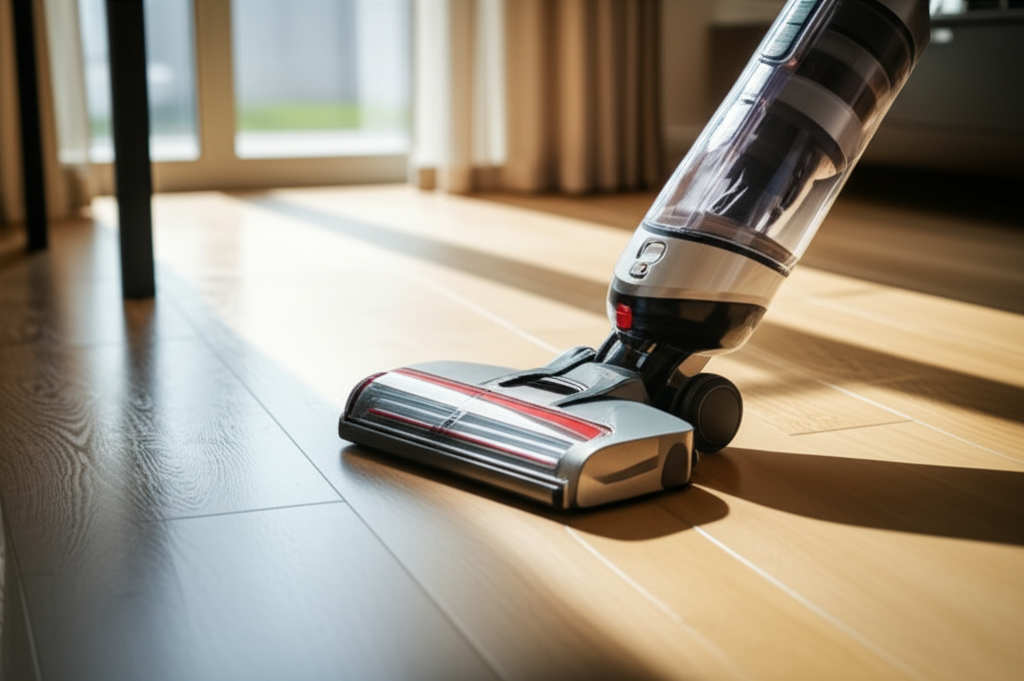
Hardwood floors are beautiful but can be tricky to clean. They show every speck of dust and are easily damaged by too much water, which can cause warping or discoloration. Stubborn sticky messes or dried-on spills often require scrubbing. Many people find themselves wrestling with a vacuum cleaner and then a separate mop, which is tiring and takes up precious time. This process can leave you feeling frustrated with less-than-perfect results.
Top Features to Look for in a Mop Vacuum for Hardwood
When choosing the best mop vacuum for hardwood floors, several features make a significant difference. You want a device that cleans effectively without damaging your precious floors. Look for adjustable water flow settings, powerful suction, and specialized brush rolls designed for hard surfaces. Consider the weight and maneuverability, especially if you have a large home or multiple levels. Finally, ease of maintenance, like self-cleaning functions and easily removable tanks, will save you a lot of hassle.
Suction Power and Debris Pickup
Strong suction is crucial for any vacuum, and a mop vacuum is no different. It needs to effectively lift dust, dirt, pet hair, and larger debris from your hardwood floors. Look for models with high air watts or a clear indication of powerful suction. This ensures that the vacuum component does its job thoroughly before the mopping function even begins. Powerful suction prevents debris from being pushed around by the mop head, leading to a cleaner finish.
Water Management and Drying Capabilities
Proper water management is key for hardwood floors. The best mop vacuum for hardwood floors will have adjustable water flow settings. This allows you to control how much water is used, preventing your floors from becoming too wet. Some advanced models even feature a dual-tank system, separating clean and dirty water to ensure you’re always mopping with clean water. Fast drying capabilities are also important to avoid water marks and potential damage.
Brush Roll Design and Technology
The type of brush roll your mop vacuum uses significantly impacts its performance on hardwood. Look for soft roller brushes or specialized brushes designed to pick up fine dust and larger debris without scratching your floors. Some models use counter-rotating brushes that effectively scrub and lift grime. The brush roll should be easy to access and clean. Many top models feature a brush roll that is constantly being rinsed with clean water as you clean your floors.
Maneuverability and Weight
Cleaning shouldn’t be a workout. The best mop vacuum for hardwood floors should be lightweight and easy to maneuver around furniture and tight corners. Swivel steering makes a big difference in navigating obstacles. Consider whether you need a cordless model for ultimate freedom or if a corded option is sufficient for your space. A well-balanced design will make the entire cleaning process feel less strenuous.
Self-Cleaning Functionality
This is a feature that truly elevates a mop vacuum. A self-cleaning cycle cleans the brush roll and internal components after each use. This is incredibly convenient and helps maintain hygiene, preventing odors and ensuring your mop vacuum is always ready for the next cleaning. It significantly reduces the manual upkeep required, making it a worthwhile investment for many homeowners.
Top Mop Vacuums for Sparkling Hardwood Floors
Finding the best mop vacuum for hardwood floors involves looking at models that excel in specific areas. Based on user reviews and expert analyses, several stand out for their performance on hardwood. These machines offer a blend of powerful suction, effective mopping, and user-friendly features.
1. Tineco Floor One S5 Combo
The Tineco Floor One S5 Combo is frequently praised for its excellent performance on hardwood floors. It offers strong suction and a well-designed roller brush that effectively cleans without damaging the wood. Its smart sensor technology automatically adjusts suction and water flow, optimizing cleaning for different messes. The dual-tank system keeps clean and dirty water separate, ensuring a truly clean mop.
Pros: Excellent on sticky messes, smart sensor technology, dual-tank system, relatively quiet operation.
Cons: Can be a bit pricey, battery life may be limiting for very large homes.
2. Bissell CrossWave Pet Pro
The Bissell CrossWave Pet Pro is a popular choice, especially for pet owners. It vacuums and mops simultaneously, tackling pet messes like hair, tracked-in dirt, and accidents with ease. It uses a multi-surface brush roll that works well on sealed hardwood floors. The machine comes with a pet hair strainer, making cleanup simpler.
Pros: Great for pet messes, tackles both dry and wet debris, decent maneuverability.
Cons: Some users report streaks if not cleaned regularly, water tank capacity could be larger.
3. Shark HydroVac Cordless Pro
Shark’s HydroVac Cordless Pro is another strong contender for the best mop vacuum for hardwood floors. It offers powerful suction and a cleaning system that vacuums, mops, and dries floors in one pass. This means your hardwood floors are ready to walk on much faster. Its edge-cleaning design helps capture debris along baseboards.
Pros: Vacuums, mops, and dries simultaneously, excellent edge cleaning, cordless freedom.
Cons: Can be heavier than some competitors, occasional reports of brush roll needing frequent cleaning.
4. Laresar L6 Pro Cordless Mop Vacuum
The Laresar L6 Pro is gaining traction for its robust performance and features at a competitive price point. It boasts strong suction and a smart water system that ensures consistent dampness for effective mopping. The self-cleaning function is highly effective, making maintenance straightforward. It’s a solid option for those seeking an all-in-one solution.
Pros: Powerful cleaning, effective self-cleaning, good value for money, handles tough messes.
Cons: Brand might be less familiar than others, battery life is average.
5. Dyson V15 Detect Cordless Vacuum (with wet roller head accessory)
While primarily a vacuum, the Dyson V15 Detect can be adapted for mopping with its specific wet roller head accessory. This gives you the incredible suction power and advanced filtration Dyson is known for, with the added benefit of wet cleaning. It’s a premium option, but the versatility is unmatched if you already own or are considering a high-end Dyson vacuum.
Pros: Incredible suction power, advanced filtration, versatile with accessory, great for deep cleaning.
Cons: Mopping is an add-on, not its primary function; can be very expensive.
How to Use Your Mop Vacuum Effectively on Hardwood
Using your new best mop vacuum for hardwood floors correctly ensures optimal results and longevity for both your floors and the machine. It’s simple, but a few best practices make all the difference. Always start by vacuuming up loose debris, then proceed with the mopping function.
Step 1: Prepare Your Floors
Before you begin, clear your hardwood floors of any large objects or obstacles. This includes small rugs, toys, or pet food bowls. If there’s a lot of loose debris, especially larger items like gravel or significant pet hair, it’s often best to give the area a quick vacuum with your standard vacuum first. This prevents the mop vacuum from getting clogged or spreading larger debris.
Step 2: Fill the Clean Water Tank
Use only clean water or the manufacturer’s recommended cleaning solution in the clean water tank. For hardwood floors, avoid harsh chemicals or abrasive cleaners, as these can damage the finish. Always use distilled or demineralized water if your tap water is hard, as mineral buildup can clog the machine and leave residue on your floors. Ensure the tank is properly seated before starting.
Step 3: Select the Right Mode
Most mop vacuums have different cleaning modes or adjustable settings. For sealed hardwood floors, a “hard floor” or “gentle” mode is usually best. This ensures the right amount of moisture is applied and the brush roll spins at an appropriate speed. Avoid using the “carpet” or “intense” modes on hardwood.
Step 4: Clean in Sections
Work in manageable sections of your home. Move the mop vacuum in slow, steady passes, allowing it to vacuum and mop effectively. Overlap your passes slightly to ensure no areas are missed. For stubborn spots, you might need to go over the area a second time or let the mop linger for a few extra seconds.
Step 5: Utilize the Self-Cleaning Function
After you’ve finished cleaning, immediately run the self-cleaning cycle if your mop vacuum has one. This is vital for hygiene and maintenance. It flushes out the internal tubing and cleans the brush roll, preventing odors and build-up. Make sure to empty the dirty water tank and rinse it, along with the clean water tank and any filters, as per the manufacturer’s instructions.
Maintaining Your Mop Vacuum for Longevity
Proper maintenance is key to ensuring your best mop vacuum for hardwood floors continues to perform at its best. A little regular care goes a long way in extending its lifespan and keeping your floors spotless. Neglecting maintenance can lead to reduced cleaning power, unpleasant odors, and even damage to the machine.
Regular Cleaning of Tanks and Filters
After each use, empty and rinse both the clean and dirty water tanks. This prevents bacteria growth and odors. Check and clean the filters regularly according to the manufacturer’s guide. Some filters are washable, while others may need to be replaced periodically. Clean filters ensure optimal suction power and airflow.
Brush Roll Care
The brush roll is the workhorse of your mop vacuum. After each cleaning session, check the brush roll for tangled hair or debris. Many models have brush rolls that are easy to remove for thorough cleaning. Some even have a special tool to help cut away tangled hair. A clean brush roll ensures effective scrubbing and prevents damage.
Storage Recommendations
Store your mop vacuum in a clean, dry place. Ensure the water tanks are completely dry before storing to prevent mold or mildew. Some models come with a charging base or storage dock, which is ideal. Avoid storing it in extreme temperatures or direct sunlight.
Mop Vacuum vs. Traditional Mopping for Hardwood
Choosing between a mop vacuum and traditional mopping for your hardwood floors often comes down to efficiency and convenience. Traditional methods, like using a sponge mop or a flat mop with a bucket, have been around for years. However, mop vacuums offer a modern, integrated solution that many find superior for daily or weekly maintenance.
| Feature | Mop Vacuum | Traditional Mopping |
| :—————— | :——————————————- | :—————————————– |
| Time Efficiency | Vacuums and mops simultaneously. | Requires separate vacuuming and mopping. |
| Water Usage | Controlled, often adjustable water flow. | Can be harder to control water amount. |
| Effort | Less physical exertion, self-propelled options. | Can be physically demanding. |
| Mess Management | Dirty water is contained in a separate tank. | Dirty water can spread or become murky. |
| Drying Time | Often faster due to drying features. | Can leave floors wetter for longer. |
| Cost | Higher initial investment. | Lower initial investment. |
As you can see, the best mop vacuum for hardwood floors offers significant advantages in terms of time and effort. While the upfront cost is higher, the convenience and effectiveness can make it a worthwhile investment for many households.
Common Issues and How to Solve Them
Even the best cleaning tools can sometimes present minor issues. Here are some common problems you might encounter with a mop vacuum on hardwood floors and how to fix them.
Streaks on Floors
Streaks are often caused by using too much cleaning solution, a dirty brush roll, or dirty water. Ensure you are using the correct solution concentration and not over-saturating the floor. Always run the self-cleaning cycle after use and clean the brush roll regularly. Make sure the dirty water tank is emptied and cleaned promptly.
Machine Smells Bad
An unpleasant odor usually means bacteria or mold is growing inside the machine, often in the dirty water tank or brush roll. Empty and clean the tanks thoroughly after every use. Run the self-cleaning cycle frequently. If the smell persists, check the manual for instructions on cleaning internal components or replacing parts.
Reduced Suction Power
If you notice your mop vacuum isn’t picking up debris as well as it used to, check the filters and the brush roll. Clogged filters are a common cause of reduced suction. Ensure they are clean or replaced as needed. Tangled hair or debris on the brush roll can also impede airflow.
Frequently Asked Questions (FAQ)
Can I use a mop vacuum on all types of hardwood floors?
Most mop vacuums are designed for sealed hardwood floors. Unsealed or waxed floors can be damaged by water. Always check your flooring manufacturer’s recommendations and the mop vacuum’s manual before use.
How often should I use a mop vacuum on my hardwood floors?
For daily maintenance, a quick pass can keep dust and light dirt at bay. For deeper cleaning, once or twice a week is usually sufficient, depending on foot traffic and household activity.
Do I need to use a special cleaning solution?
It’s best to use the cleaning solution recommended by the mop vacuum manufacturer. For hardwood, avoid abrasive cleaners or excessive soap, as they can damage the finish or leave residue.
Will a mop vacuum leave my floors too wet?
The best mop vacuum for hardwood floors will have adjustable water settings. Use a low setting for hardwood and ensure the machine is working correctly. Fast-drying features also help minimize the time floors remain wet.
How do I clean the dirty water tank?
Empty the dirty water tank after each use and rinse it thoroughly with clean water. Some tanks may be dishwasher safe, but always refer to your product’s manual for specific cleaning instructions.
Conclusion: Effortless Shine for Your Hardwood
Finding the best mop vacuum for hardwood floors can truly transform your cleaning routine. These innovative devices offer a powerful, efficient, and convenient way to keep your beautiful hardwood looking its absolute best. By understanding the key features to look for, following proper usage techniques, and performing regular maintenance, you can ensure your mop vacuum delivers that effortless shine day after day. Say goodbye to the chore of separate vacuuming and mopping, and hello to gleaming hardwood floors with minimal effort.
If you found this guide helpful, consider exploring other ways to maintain a healthy and sparkling home environment on our site.

