Best Mop Floor Cleaner: Genius Essential Guide

Find the best mop floor cleaner for a sparkling home with this essential guide, covering types, how to choose, and tips for effortless cleaning.
Mopping your floors can feel like a chore, but it doesn’t have to be. The right mop and floor cleaner can transform this task. It makes cleaning faster and leaves your home looking its best. We’ll help you pick the perfect best mop floor cleaner for your needs. Get ready for gleaming floors with ease!
What is a Mop Floor Cleaner?
A best mop floor cleaner is a cleaning solution designed to be used with a mop. It helps lift dirt, grime, and stains from various floor surfaces. These cleaners often contain agents that break down grease and leave a fresh scent. Choosing the right one ensures your floors are not just clean but also safe and well-maintained.
Why Choosing the Right Mop Floor Cleaner Matters
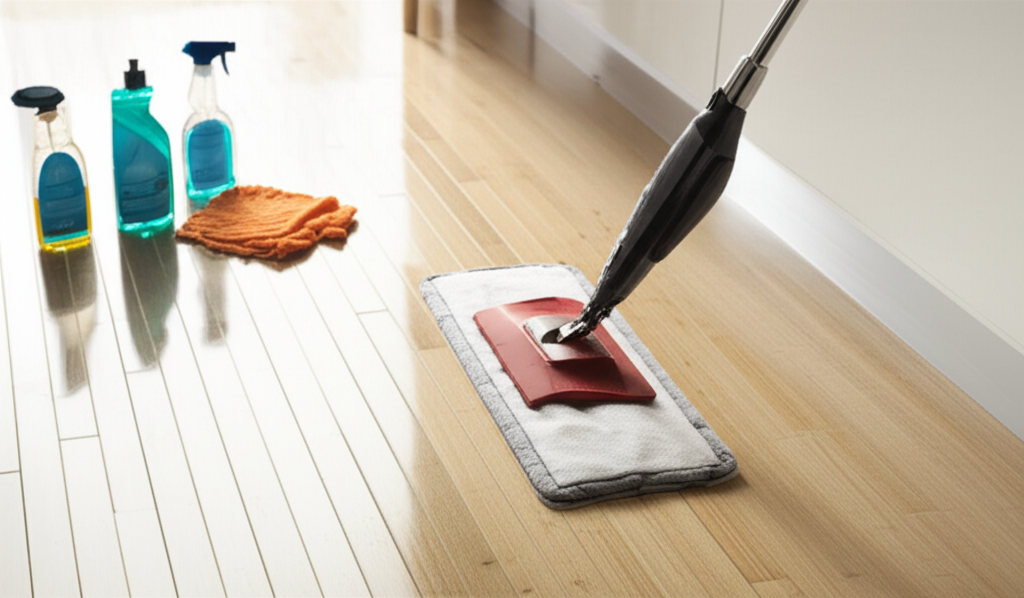
The correct best mop floor cleaner protects your flooring. Harsh chemicals can damage delicate surfaces like hardwood or laminate. Using the wrong cleaner can leave streaks or a sticky residue. This guide will help you understand different types and make the best choice for a spotless, healthy home.
Types of Mop Floor Cleaners
There are many types of floor cleaners available. They cater to different cleaning needs and floor types. Understanding these options is key to finding the best mop floor cleaner for your home.
All-Purpose Floor Cleaners
These are great for everyday messes on most floor types. They are usually gentle and effective. Many offer a fresh scent.
Hardwood Floor Cleaners
These are specially formulated for sealed hardwood floors. They clean without dulling the finish. Some even add a protective layer.
Tile and Grout Cleaners
These cleaners are designed to tackle tough dirt in grout lines. They often have a stronger cleaning action. They can restore the look of tiled floors.
Specialty Cleaners
Some cleaners are made for specific issues, like pet stains or sticky residues. They offer targeted solutions for tough problems.
How to Choose the Best Mop Floor Cleaner for Your Home
Selecting the best mop floor cleaner depends on your floors and cleaning habits. Consider the material of your floors first. Then, think about any specific cleaning challenges you face.
Consider Your Floor Type
Hardwood: Use pH-neutral cleaners. Avoid excessive water.
Laminate: Look for low-moisture cleaners. Avoid ammonia or bleach.
Tile: Most cleaners work, but some are best for grout.
Vinyl/Linoleum: Gentle, all-purpose cleaners are usually fine.
Evaluate Cleaning Needs
Do you have kids or pets? You might need a cleaner that tackles tough stains or is pet-safe. Are you concerned about chemicals? Look for eco-friendly or natural options.
Read Reviews and Ingredients
Checking reviews helps see how well a best mop floor cleaner works for others. Look at the ingredient list to ensure it’s safe for your floors and family.
Top-Rated Mop Floor Cleaners in 2024
We’ve researched popular options to help you find the best mop floor cleaner. These choices are highly rated for effectiveness and value.
For Everyday Cleaning: Swiffer WetJet Wood Floor Cleaner Solution
This solution is easy to use with the Swiffer WetJet. It dries fast and leaves a pleasant scent. It’s great for quick cleanups on sealed hard floors.
For Deep Cleaning: Bona Hardwood Floor Cleaner
Bona is a trusted brand for wood floors. This cleaner removes dirt effectively without leaving residue. It’s GREENGUARD GOLD certified for safety.
For Tough Grime: Resolve Multi-Surface Cleaner
Resolve is known for tackling tough spots. This cleaner works on many floor types. It’s a good option for high-traffic areas.
Eco-Friendly Choice: Mrs. Meyer’s Clean Day Multi-Surface Concentrate
This plant-derived cleaner is biodegradable. It comes in various garden-fresh scents. It’s a good choice for those seeking natural cleaning.
How to Use a Mop Floor Cleaner Effectively
Using your best mop floor cleaner correctly ensures the best results. Always follow the product’s instructions for dilution and application. Proper technique makes a big difference.
Dilute Concentrates Properly
If using a concentrate, measure carefully. Too much cleaner can leave a sticky film. Too little might not clean effectively.
Apply Evenly
Use your mop to spread the solution evenly across the floor. Avoid letting excess water sit on the floor, especially on wood or laminate.
Rinse if Necessary
Some cleaners require rinsing with clean water. Others are no-rinse formulas. Check the label to know what to do.
Allow to Dry
Let the floor air dry completely. You can also use a dry mop or cloth to speed up drying.
Can I Use Dish Soap as a Floor Cleaner?
While dish soap can clean some surfaces, it’s not ideal for most floors. Dish soap is designed to cut grease. It can strip the finish from hardwood or laminate floors. It may also leave a dulling residue. It’s better to use a cleaner specifically made for your floor type.
What to Avoid in a Mop Floor Cleaner
Certain ingredients can harm your floors or your health. Knowing what to avoid helps you choose a safer, more effective best mop floor cleaner.
Harsh Chemicals
Ammonia: Can damage wood finishes and discolor grout.
Bleach: Too harsh for most floor types. Can strip color and finishes.
* Undiluted Solvents: Can dissolve adhesives or damage protective coatings.
Abrasive Cleaners
Scrubbing with abrasive cleaners can scratch and dull your floors. Always opt for gentle formulas.
Best Mop Types to Pair with Your Cleaner
The best mop floor cleaner works best with the right mop. Different mops suit different cleaning needs and cleaners.
Microfiber Mops
These are highly absorbent and effective at trapping dirt. They work well with spray mops and bucket systems. They are machine washable.
Steam Mops
Steam mops use hot steam to clean and sanitize. They often require only water, but some can use a specialized cleaner. They are great for killing germs.
Sponge Mops
Good for soaking up spills. However, they can push dirt around if not wrung out properly. They are best for durable surfaces.
Maintaining Your Mop for Optimal Cleaning
A clean mop is essential for a clean floor. Regularly cleaning your mop ensures it performs at its best. This prolongs its life and improves cleaning power.
Wash Microfiber Pads
After each use, wash microfiber mop pads. Use a washing machine with a mild detergent. Avoid fabric softeners, which can reduce absorbency.
Clean Mop Heads
For string or sponge mops, rinse the head thoroughly. Allow it to dry completely to prevent mildew.
Replace Worn Mops
If your mop head is frayed or worn out, it’s time for a replacement. A new mop head will clean more effectively.
Frequently Asked Questions (FAQ)
Can I use any cleaner on my laminate floors?
No, it’s best to use cleaners specifically made for laminate. Avoid ammonia, bleach, and excessive water, which can damage the surface.
How often should I mop my floors?
This depends on traffic. High-traffic areas might need mopping weekly. Less-used areas can be mopped every two weeks.
Is it okay to mix different floor cleaners?
It’s generally not recommended. Mixing cleaners can create dangerous fumes or damage your floors. Stick to one product at a time.
What is the best mop floor cleaner for pet messes?
Look for enzymatic cleaners designed to break down pet stains and odors. Ensure the cleaner is pet-safe.
Do I need to rinse after mopping?
Check the product label. Many modern cleaners are no-rinse formulas. If a cleaner leaves a residue or feels sticky, rinsing is usually necessary.
Conclusion
Finding the best mop floor cleaner is about matching the product to your floors and cleaning needs. With so many options, it’s easy to achieve sparkling results. Whether you choose an all-purpose spray or a specialized formula, always read labels and test in an inconspicuous area. A clean home starts with clean floors, and the right cleaner makes all the difference. For more home cleaning tips, explore our other guides.