Best Mop Cleaner For Wood Floors: Proven Shine

Best Mop Cleaner For Wood Floors: Proven Shine
Get the best mop cleaner for wood floors to keep them sparkling. This guide helps you choose safe, effective cleaners that won’t damage your wood. Learn what to use and what to avoid for a lasting shine.
Keeping your wood floors beautiful doesn’t have to be a chore. Many people worry about damaging their beautiful wood with the wrong cleaning products. It’s true, harsh chemicals can strip the finish or leave sticky residue. But with the right approach, you can easily achieve a brilliant shine that lasts. I’ll walk you through exactly what you need to know to pick the best mop cleaner for wood floors and keep them looking their best.
Why Wood Floors Need Special Care
Wood floors look amazing, but they are sensitive. Water can cause swelling or warping. Harsh cleaners can strip away protective finishes. This leaves the wood vulnerable to stains and scratches. Choosing the right cleaner is key to protecting your investment.
Understanding Wood Floor Finishes
Most modern wood floors have a protective finish. This is usually polyurethane, urethane, or polyacrylic. It sits on top of the wood, guarding it. Older floors might have an oil-based finish or wax. These require different care. Always know what finish you have before you clean.
What Makes a Mop Cleaner “Best” for Wood Floors?
The best mop cleaner for wood floors is one that cleans effectively without harming the finish. It should lift dirt and grime easily. It should also dry quickly and leave no sticky residue. pH-neutral formulas are usually the safest. They don’t react with the finish.
Top Ingredients to Look For (and Avoid)
Look for cleaners with mild surfactants. These help lift dirt. Simple water and a little vinegar (diluted) can work too. Avoid ammonia, bleach, and oil-based soaps. These can dull or damage the finish. Always check the product label carefully.
The pH Factor: Why It Matters
pH is a scale from 0 to 14. A pH of 7 is neutral. Cleaners with a pH close to 7 are best for wood floors. High pH (alkaline) or low pH (acidic) cleaners can break down the protective coating. This leads to dullness and damage over time.
Types of Wood Floor Cleaners Explained
There are several types of cleaners available. You have spray mops with built-in cleaners. There are concentrate formulas you dilute. Some are specifically designed for certain finishes. Ready-to-use sprays are convenient. Concentrates can be more economical.
Here’s a quick look at common types:
| Cleaner Type | Pros | Cons | Best For |
| :————— | :——————————— | :—————————————– | :—————————— |
| Spray Mop System | Easy to use, controlled moisture | Can be costly, limited cleaner options | Quick touch-ups, light cleaning |
| Concentrate | Economical, versatile | Requires dilution, can use too much water | Regular, deep cleaning |
| Ready-to-Use | Convenient, no mixing needed | Can be more expensive, less eco-friendly | Busy households, quick spills |
| Wood-Specific | Formulated for wood, gentle | May be pricier, specific to wood | All wood floor types |
DIY Wood Floor Cleaner Recipes
For a natural approach, you can make your own cleaner. A common recipe is warm water mixed with a little white vinegar. About 1/4 cup of vinegar per gallon of water is a good start. For tougher spots, a tiny drop of mild dish soap can help. Always test in an inconspicuous area first.
How to Choose the Best Mop for Wood Floors
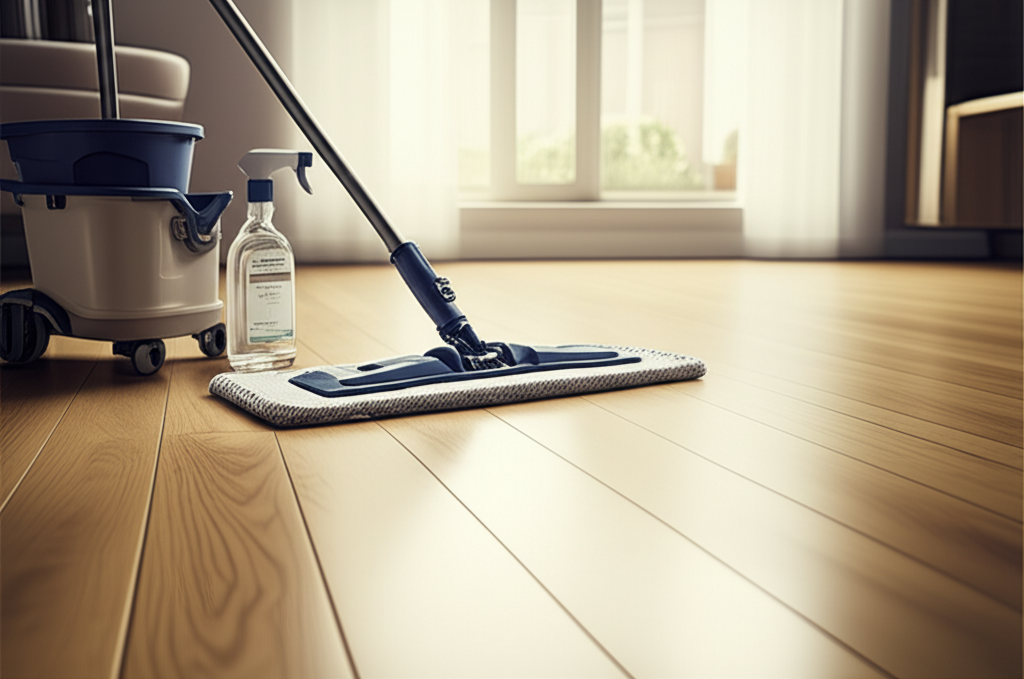
The mop itself is just as important as the cleaner. Microfiber mops are excellent. They trap dirt effectively. They also use less water. Avoid traditional string mops that hold too much moisture. A spray mop can be very convenient for wood floors.
Step-by-Step Guide: Cleaning Your Wood Floors Safely
First, sweep or vacuum your floors. This removes loose dirt and grit. Dampen your microfiber mop pad with your chosen cleaner. Wring it out well; it should be damp, not wet. Mop in the direction of the wood grain. Work in small sections. Allow the floor to air dry completely.
How Often Should You Clean Wood Floors?
Most wood floors need cleaning once a week. You might need to spot clean more often for spills. High-traffic areas may need more frequent attention. Over-cleaning can also be harmful. Stick to a regular schedule for the best results.
What NOT to Do When Cleaning Wood Floors
Never use a soaking wet mop. Avoid steam mops, as the heat and moisture can damage wood. Do not use abrasive cleaners or scrub brushes. These can scratch the finish. Always follow the cleaner’s instructions.
Expert Tips for a Lasting Shine
Test first: Always test any new cleaner in a hidden spot.
Less is more: Use the least amount of cleaner and water needed.
Microfiber is key: Use a good quality microfiber mop.
Wipe up spills immediately: Don’t let liquids sit on the wood.
* Protect from scratches: Use felt pads on furniture legs.
Frequently Asked Questions
What is the best pH-neutral cleaner for wood floors?
Many brands offer pH-neutral cleaners specifically for wood. Look for labels that state “pH neutral” or “safe for sealed wood floors.” Brands like Bona and Bruce offer popular options.
Can I use dish soap on my wood floors?
A tiny amount of mild dish soap, heavily diluted in water, can be used for tough spots. However, it’s not ideal for regular cleaning as it can leave residue. Always rinse with a damp cloth afterward.
Are steam mops safe for wood floors?
Generally, no. Steam mops use high heat and moisture. This can damage the wood’s finish, causing it to warp, peel, or discolor over time.
How do I remove sticky residue from my wood floor?
Try wiping the area with a damp microfiber cloth. If that doesn’t work, use a cleaner specifically designed to remove residue, or a highly diluted vinegar solution. Always rinse with plain water afterward.
What are the best natural cleaners for wood floors?
A popular natural option is a mixture of water and white vinegar (about 1/4 cup vinegar to a gallon of water). Some people also use a few drops of mild castile soap in water. Always test first.
Conclusion
Choosing the best mop cleaner for wood floors is about protecting their beauty and longevity. By opting for pH-neutral, gentle formulas and using the right tools, you can keep your wood floors looking beautifully polished for years. Remember to sweep regularly and address spills quickly. With these simple steps, you’ll achieve that proven shine effortlessly.