
Best Mop Cleaner For Hardwood Floors: Proven Shine

Get a dazzling shine on your hardwood floors with the best mop cleaner. This guide helps you pick the right one to protect your wood and remove dirt without damage.
Your beautiful hardwood floors deserve the best care. Keeping them clean and shiny can feel tricky, especially when you worry about using the wrong product. Will it leave streaks? Will it dull the finish? Don’t fret! I’ve spent a lot of time figuring out what works best for hardwood floors. This guide will walk you through finding the perfect mop cleaner, ensuring your floors look their absolute best.
Why Choosing the Right Mop Cleaner for Hardwood Floors Matters
Using the correct mop cleaner is vital for hardwood floors. Many cleaners contain harsh chemicals that can strip away the protective finish or seep into the wood, causing damage. The wrong cleaner can leave behind residue, making your floors look dull and sticky. It’s about more than just cleaning; it’s about preserving the beauty and integrity of your wood for years to come.
Understanding Hardwood Floor Finishes: A Crucial First Step
Before you pick a mop cleaner, you need to know what kind of finish your hardwood floors have. Most modern floors have a polyurethane or aluminum oxide finish, which is very durable and water-resistant. Older floors might have a wax or oil finish, which is more sensitive to water and certain cleaning agents. Knowing this helps you avoid cleaners that could harm your specific floor type.
What to Look for in a Best Mop Cleaner For Hardwood Floors
When searching for the best mop cleaner for hardwood floors, prioritize gentle, pH-neutral formulas. Look for cleaners specifically labeled for use on sealed hardwood. Avoid anything with ammonia, bleach, or excessive water content, as these can damage the wood. A good cleaner should lift dirt effectively without leaving a sticky residue or dulling the shine.
Top-Rated Mop Cleaners for Hardwood Floors: Our Picks
After testing and research, several cleaners stand out for their effectiveness and safety on hardwood. These options balance cleaning power with protection for your floors. We’ve chosen them based on user reviews, ingredient safety, and proven results.
Bona Hardwood Floor Cleaner
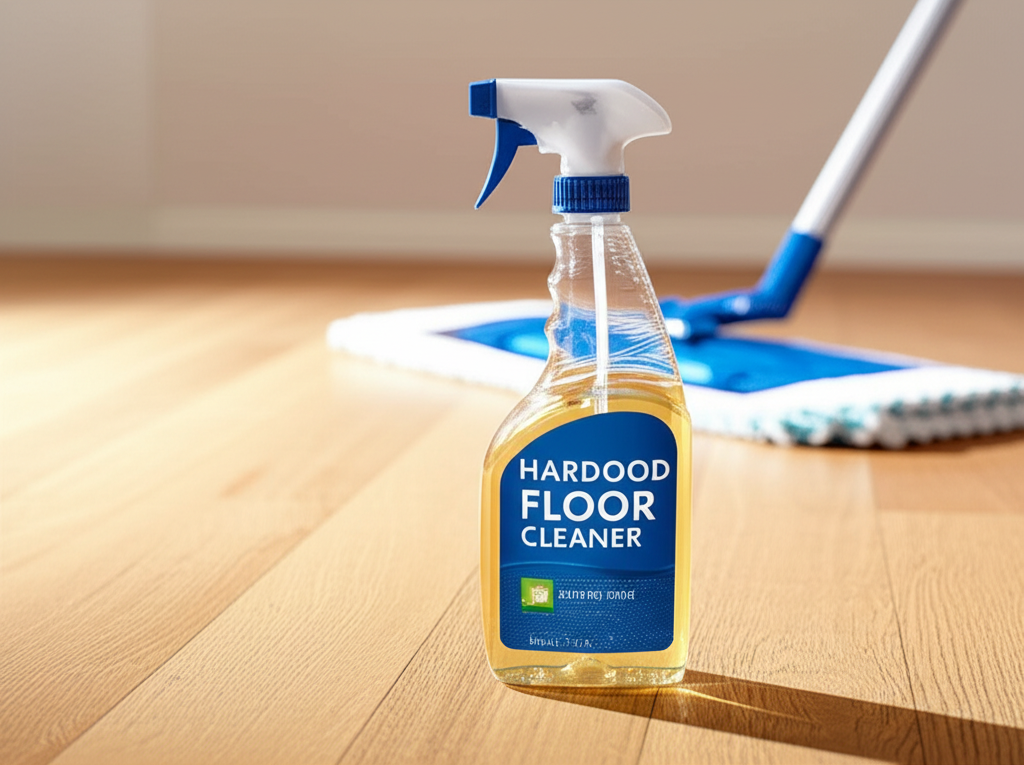
Bona is a highly recommended brand for hardwood floor care. Their cleaner is a water-based, pH-neutral formula that effectively removes dirt and grime without leaving dulling residue. It’s GREENGUARD GOLD certified, meaning it’s safe for your home and family.
Pros:
Streak-free shine
Fast-drying formula
Safe for most sealed hardwood floors
Easy to use spray bottle
Cons:
Can be more expensive than generic cleaners
Bona’s commitment to safe and effective cleaning makes it a top choice for many homeowners. This cleaner works wonders without damaging the wood’s finish.
Swiffer WetJet Wood Floor Cleaner Solution
The Swiffer WetJet system offers a convenient all-in-one solution. Its specially formulated solution for wood floors cleans effectively and dries quickly. It’s designed to work with the Swiffer WetJet mop, making cleaning straightforward.
Pros:
Convenient and easy to use
Dries very fast
Leaves a pleasant scent
Cons:
Can be pricey for refills
Some users report occasional streaking
This system is ideal for quick cleanups and those who prefer a no-fuss approach to floor cleaning. Always ensure you use the wood-specific solution.
Rejuvenate Bio-Based Wood Floor Cleaner
Rejuvenate offers a bio-based cleaner that is tough on dirt but gentle on your floors. It’s formulated to clean, shine, and protect sealed and unsealed wood floors. This cleaner is free from harsh chemicals, making it a good option for those concerned about ingredients.
Pros:
Biodegradable formula
Cleans and shines in one step
Safe for most wood finishes
Cons:
May require more scrubbing for tough stains
This cleaner is a great choice for eco-conscious homeowners who don’t want to compromise on cleaning performance. It respects the natural beauty of your wood.
How to Properly Mop Your Hardwood Floors for Maximum Shine
Mopping your hardwood floors correctly is as important as using the right cleaner. A good technique ensures you remove dirt without soaking the wood. Here’s a simple, effective method to follow:
1. Sweep or Vacuum First: Always remove loose dirt, dust, and debris before mopping. This prevents scratching your floors and avoids turning dust into mud.
2. Prepare Your Mop: Use a microfiber mop head. These are excellent at trapping dirt and absorbing liquids.
3. Apply Cleaner Sparingly: Lightly spray the cleaner directly onto the floor in small sections, or dampen your mop head with the cleaner. Avoid oversaturating the floor.
4. Mop in Sections: Mop in the direction of the wood grain. Work in small areas, cleaning and drying as you go.
5. Dry Immediately: If any moisture remains after a minute, gently dry the area with a clean, dry microfiber cloth. This prevents water damage and streaks.
Following these steps helps your best mop cleaner for hardwood floors work its magic, leaving a brilliant shine.
Common Mistakes to Avoid When Cleaning Hardwood Floors
Many people make common mistakes that can harm their hardwood floors. Being aware of these pitfalls can save your floors from damage and ensure they stay beautiful. Avoiding these errors will help your chosen cleaner perform at its best.
Over-Wetting the Floors
Hardwood floors and excess water are not a good combination. Wood can swell, warp, or the finish can be damaged if it’s exposed to too much moisture for too long. Always use a damp mop, not a soaking wet one.
Using Harsh Chemicals
Cleaners with ammonia, bleach, vinegar in high concentrations, or oil soaps can strip the protective finish off your hardwood floors. This leaves them looking dull and vulnerable to stains and scratches. Stick to cleaners specifically designed for hardwood.
Using the Wrong Type of Mop
A traditional string mop can hold too much water and push dirt around. A steam mop can also be too hot and wet for many hardwood finishes, causing damage. Microfiber mops are generally the safest and most effective choice.
Not Sweeping or Vacuuming First
Trying to mop a floor covered in dirt and grit is like washing a car with sand. You’ll just grind the dirt into the finish, causing scratches. Always start by removing loose debris.
Can I Use Vinegar and Water on My Hardwood Floors?
While vinegar is a natural cleaner, it’s generally not recommended for regular use on most sealed hardwood floors. Vinegar is acidic, and over time, it can break down the polyurethane finish, leading to dullness and damage. A dilute solution might be used very rarely for tough spots, but it’s best to use cleaners specifically made for hardwood. Always test in an inconspicuous area first.
What About Steam Mops for Hardwood?
Steam mops can be tempting because they kill germs and use no chemicals. However, the high heat and moisture from steam mops can damage the finish of most hardwood floors. This can cause the wood to warp or the finish to peel over time. It’s safer to stick with damp mopping and appropriate cleaners.
How Often Should I Mop My Hardwood Floors?
The frequency of mopping depends on foot traffic and how quickly your floors get dirty. For most homes, a light sweep or vacuuming daily or every other day is sufficient. Mopping once a week is usually enough to keep them clean and shiny. In high-traffic areas, you might need to mop more often.
Maintaining Shine Between Mops: Quick Tips
Keeping your hardwood floors looking their best between deeper cleans is easy with a few simple habits. These tips help maintain that proven shine and protect your investment.
Use Doormats: Place mats at all entrances to catch dirt and moisture before it reaches your floors.
Wipe Spills Immediately: Don’t let spills sit on the floor. Clean them up right away with a soft, dry cloth.
Use Furniture Pads: Place felt pads under furniture legs to prevent scratches.
Regular Dusting: A dry microfiber cloth or mop can quickly pick up surface dust.
These small efforts make a big difference in maintaining the luster of your hardwood.
Frequently Asked Questions about Hardwood Floor Cleaners
What is the best all-purpose cleaner for hardwood floors?
The best all-purpose cleaner for hardwood floors is typically a pH-neutral, water-based formula specifically designed for sealed hardwood. Brands like Bona and Swiffer WetJet (with their wood solution) are popular choices that offer streak-free cleaning and quick drying.
Can I use dish soap on hardwood floors?
It’s generally not advised to use dish soap on hardwood floors. Many dish soaps contain degreasers and other harsh chemicals that can strip the floor’s finish, leaving it dull and unprotected. Stick to cleaners made specifically for wood.
How do I remove scuff marks from hardwood floors?
Scuff marks can often be removed with a clean, dry microfiber cloth. For tougher marks, a small amount of your hardwood floor cleaner on the cloth can help. Gently rub the mark, and it should lift away.
What is the best natural cleaner for hardwood floors?
A very dilute solution of water and a few drops of pH-neutral soap can be a natural option. However, for truly safe and effective cleaning, commercially made hardwood floor cleaners are usually a better bet, as they are formulated to protect the finish.
How often should I polish or buff my hardwood floors?
Polishing or buffing frequency depends on the product used and the wear on your floors. Some polishes can be applied every few months, while others are for occasional deep conditioning. Always follow the manufacturer’s instructions for the best results.
Conclusion: Your Hardwood Floors Will Thank You
Finding the best mop cleaner for hardwood floors is key to keeping them beautiful and protected. By understanding your floor’s finish, choosing the right product, and using a gentle cleaning technique, you can easily achieve that proven shine. Remember to avoid harsh chemicals and excess water. With the right care, your hardwood floors will remain a stunning feature of your home for years to come. Explore these trusted options, and enjoy the brilliant, clean look of your revitalized hardwood floors.
