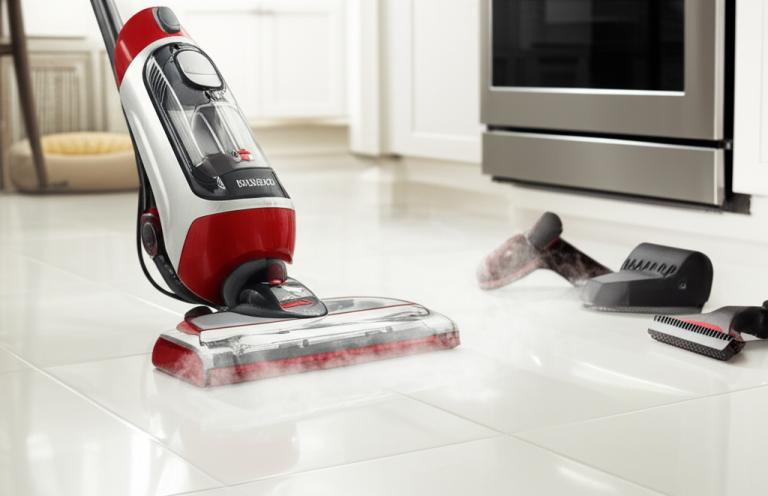
Bagged Canister Vacuum Cleaner: Your Essential Cleaning Guide

The bagged canister vacuum cleaner offers superior dust containment and allergen filtering, making it an excellent choice for allergy sufferers and deep cleaning. This guide covers everything you need to know about choosing, using, and maintaining one for a cleaner home.
There’s nothing quite like the feeling of a freshly cleaned home. But sometimes, the tools we use can make the job harder. Many people struggle with vacuums that release dust back into the air or are messy to empty. If you’re looking for a cleaner way to vacuum, especially if allergies are a concern, a bagged canister vacuum cleaner might be your perfect solution. We’ll guide you through everything you need to know.
What is a Bagged Canister Vacuum Cleaner?
A bagged canister vacuum cleaner is a type of vacuum that uses a disposable bag to collect dirt and debris. The vacuum has a main body, called a canister, that holds the motor and the dust bag. It also has a hose and a wand with a cleaning head. This design separates the motor from the dirt, offering a more hygienic cleaning experience.
This design helps keep dust and allergens locked away, which is great for people with allergies or asthma. It also makes emptying the vacuum much tidier than with bagless models.
Why Choose a Bagged Canister Vacuum Cleaner?
Bagged canister vacuums are a top choice for many households, especially those with allergy sufferers. They excel at trapping fine dust and allergens, preventing them from escaping back into your home’s air. This makes your living space healthier and cleaner.
The sealed bag system means you don’t have to touch the dirt when emptying. This is a significant advantage for hygiene and convenience.
Benefits of Bagged Canister Vacuums
Here are the key advantages you get with a bagged canister vacuum cleaner:
Superior Allergen Control: The disposable bag acts as a double barrier, trapping dust mites, pollen, and pet dander effectively. This significantly improves indoor air quality.
Hygienic Emptying: You simply throw the full bag away, minimizing contact with dust and allergens. This is a huge plus for sensitive individuals.
Consistent Suction Power: As the bag fills, it doesn’t usually impact suction as much as a full bin in a bagless model. This means more reliable cleaning performance.
Variety of Models: From lightweight options for easy maneuvering to powerful machines for deep cleaning carpets, there’s a bagged canister for every need.
Bagged vs. Bagless Canister Vacuums
| Feature | Bagged Canister Vacuum Cleaner | Bagless Canister Vacuum Cleaner |
| :——————— | :————————————————————– | :————————————————————– |
| Dust Containment | Excellent; traps fine dust and allergens effectively. | Good; relies on filters to contain fine dust. |
| Emptying Process | Hygienic; simply discard the bag. | Can be messy; requires emptying a dustbin, potentially releasing dust. |
| Maintenance | Requires purchasing replacement bags. | No ongoing bag costs, but filters need regular cleaning/replacement. |
| Allergy Friendliness | Highly recommended for allergy and asthma sufferers. | Less ideal for severe allergies due to potential dust release. |
| Initial Cost | Can sometimes be slightly higher. | Often more budget-friendly initially. |
Bagged vacuums are generally considered better for air quality. Bagless ones save on bag costs but can be messier. Your choice depends on your priorities for cleanliness and convenience.
Key Features to Look For in a Bagged Canister Vacuum Cleaner
When shopping for a bagged canister vacuum cleaner, several features can make a big difference in your cleaning experience. Think about the size of your home, the types of floors you have, and any specific cleaning challenges like pet hair.
Consider the weight and maneuverability if you have stairs or a large area to clean. The length of the power cord and hose also impacts how easily you can reach different spots.
Filtration System
The filtration system is crucial, especially for a bagged canister vacuum cleaner. Look for models with HEPA (High-Efficiency Particulate Air) filters. A HEPA filter can capture 99.97% of particles as small as 0.3 microns.
This means it traps tiny things like pet dander, pollen, and dust mites. A good filter ensures the air coming out of your vacuum is cleaner than the air it took in.
Bag Capacity and Type
The size of the dust bag matters for how often you’ll need to change it. Larger bags mean less frequent replacements, which is more convenient. Check the capacity, often measured in liters or quarts.
Also, consider the type of bags. Some are designed for better allergen trapping. Ensure replacement bags are readily available for the model you choose.
Suction Power and Adjustability
Strong suction is essential for effective cleaning. Look for vacuums with good wattage or air watts, which indicate power. Many bagged canister vacuums offer adjustable suction levels.
This allows you to lower the power for delicate rugs or upholstery and increase it for deep cleaning carpets or hard floors. Adjustable suction also helps conserve energy.
Attachments and Accessories
A good bagged canister vacuum cleaner comes with various attachments. These tools help you clean different surfaces and tight spaces. Common attachments include a crevice tool, an upholstery brush, and a dusting brush.
Consider if the vacuum includes a specialized tool for pet hair if you have furry friends. These accessories extend the vacuum’s versatility.
How to Use Your Bagged Canister Vacuum Cleaner Effectively
Using your bagged canister vacuum cleaner correctly ensures you get the best cleaning results and prolong its life. It’s not just about turning it on and pushing it around. A little technique goes a long way.
Always read your vacuum’s manual first. This will give you specific instructions for your model.
Pre-Cleaning Steps
Before you start vacuuming, do a quick tidy-up. Pick up larger objects like toys, coins, or stray socks. This prevents them from getting sucked up and potentially damaging the vacuum.
Also, move light furniture or rugs if you plan to do a thorough cleaning. This allows you to vacuum every inch of your floor.
Vacuuming Technique
When vacuuming carpets, use slow, overlapping strokes. Move forward and backward over each area several times. This allows the brush roll to agitate the carpet fibers and lift dirt effectively.
For hard floors, use the appropriate setting or attachment. Ensure the brush roll isn’t spinning too fast, which can scatter debris.
Using Attachments
Use the crevice tool to clean along baseboards, in corners, and between sofa cushions. The upholstery tool is perfect for cleaning furniture, curtains, and car interiors. The dusting brush is ideal for delicate surfaces like lampshades and electronics.
Don’t forget to use these tools; they are designed to reach places the main vacuum head can’t. This ensures a complete clean.
Maintaining Your Bagged Canister Vacuum Cleaner
Proper maintenance is key to keeping your bagged canister vacuum cleaner running efficiently. This includes regular cleaning and timely replacement of parts. A well-maintained vacuum will last longer and perform better.
Neglecting maintenance can lead to decreased suction and even damage to the motor. It’s a small effort for a big reward.
When to Change the Dust Bag
You should change the dust bag when it is about two-thirds to three-quarters full. Don’t wait until it’s completely stuffed. A nearly full bag can reduce suction power and strain the motor.
Check the bag indicator, if your model has one, or visually inspect the bag regularly. Always turn off and unplug the vacuum before changing the bag.
Cleaning Filters
Most bagged canister vacuums have at least one filter, often a pre-motor filter and sometimes a post-motor or HEPA filter. Check your manual for cleaning instructions. Some filters are washable, while others need to be replaced.
Washable filters should be rinsed thoroughly and allowed to air dry completely before reinstallation. This can take up to 24 hours.
Hose and Brush Roll Care
Periodically check the hose for any blockages. If you notice reduced suction, the hose might be clogged. You can usually clear small blockages with a broom handle or a similar long, blunt object.
Clean the brush roll on the floor head. Pet hair and long human hair can get tangled around it. Use scissors or a seam ripper to carefully cut away debris.
Common Problems and Troubleshooting
Even the best bagged canister vacuum cleaner can encounter issues. Knowing how to troubleshoot common problems can save you time and money. Often, the solutions are simple.
Most issues are related to suction loss or unusual noises. Let’s look at a few.
Loss of Suction
The most common problem is a loss of suction. First, check if the dust bag is full and needs changing. If the bag is fine, inspect the hose and wand for clogs.
Also, check the filters. Dirty or clogged filters are a major cause of reduced suction. Ensure they are clean or replaced as needed.
Vacuum Overheating
If your vacuum starts to overheat, it’s usually a sign of restricted airflow. This could be due to a full dust bag, clogged filters, or a blockage in the hose. Turn off the vacuum immediately and let it cool down.
After it cools, address the potential airflow restriction. Running an overheating vacuum can damage the motor.
Unusual Noises
Strange noises can indicate various issues. A loud whining sound might mean a blockage or a worn-out belt if your model has one. A rattling sound could be a loose part or something caught in the brush roll.
If you hear grinding noises, turn off the vacuum immediately and inspect the brush roll and motor area for foreign objects.
Top Bagged Canister Vacuum Cleaner Brands and Models
Several brands offer excellent bagged canister vacuum cleaner options. When choosing, consider user reviews, warranty, and specific features that match your needs. Some popular and reputable brands include Miele, Kenmore, and Bissell.
Researching specific models within these brands will help you find the best fit for your home. Always check the latest reviews and specifications.
Miele Bagged Canister Vacuums
Miele is renowned for its high-quality, durable bagged canister vacuum cleaner models. They often feature advanced filtration systems, including HEPA filters, and robust build quality. Their bags are known for excellent dust retention.
Miele Complete C3 series is a popular choice, offering different versions for specific needs like pet owners or allergy sufferers. These are often considered a long-term investment.
Kenmore Bagged Canister Vacuums
Kenmore offers a range of bagged canister vacuum cleaner options that balance performance and affordability. They are known for reliable performance and user-friendly designs. Many models come with multiple attachments for versatile cleaning.
The Kenmore 81214 and similar models are often praised for their strong suction and maneuverability. They are a solid choice for everyday cleaning.
Bissell Bagged Canister Vacuums
Bissell provides accessible bagged canister vacuum cleaner options, often at competitive price points. They focus on effective cleaning, particularly for homes with pets. Their vacuums are generally lightweight and easy to store.
Models like the Bissell Zing Bagged offer a compact and budget-friendly solution for smaller homes or apartments. They provide good performance for their size and cost.
Tips for Allergy Sufferers
If you suffer from allergies or asthma, a bagged canister vacuum cleaner is a game-changer. The key is its superior ability to contain allergens. But there are extra steps you can take.
Always use certified HEPA bags and filters. This ensures the highest level of air purification.
Choosing the Right Model
Look for vacuums specifically advertised as being good for allergies. These often come with sealed systems and multi-stage filtration, including HEPA. The Miele Complete C3 Allergy is a prime example, designed to capture even microscopic particles.
Consider vacuums with excellent air sealing. This prevents any dust from escaping through seams or cracks in the vacuum body.
Regular Cleaning Schedule
Vacuuming frequently is essential when managing allergies. Aim to vacuum carpets and upholstery at least twice a week. For hard floors, daily sweeping or vacuuming might be necessary.
This consistent cleaning prevents allergens from accumulating to bothersome levels. It significantly reduces triggers in your home environment.
Maintaining a Clean Vacuum
Always change the bag promptly when it’s about two-thirds full. A full bag can release trapped allergens back into the air. Clean or replace filters regularly, following the manufacturer’s recommendations.
A clean and well-maintained bagged canister vacuum cleaner is your best ally in fighting indoor allergens. It actively contributes to a healthier living space.
Bagged Canister Vacuum Cleaner FAQs
Here are answers to some common questions about bagged canister vacuum cleaners.
What is the main advantage of a bagged canister vacuum cleaner?
The main advantage is superior dust and allergen containment. The disposable bag locks away fine particles, preventing them from escaping back into your home’s air, which is ideal for allergy sufferers.
How often should I change the dust bag in my vacuum?
You should change the dust bag when it is about two-thirds to three-quarters full. This ensures optimal suction and prevents strain on the vacuum motor.
Are bagged vacuums good for pet hair?
Yes, many bagged canister vacuums are excellent for pet hair. Look for models with specialized pet hair attachments and strong suction. The bag also effectively traps pet dander, a common allergen.
Do I need a HEPA filter with a bagged vacuum?
While not strictly mandatory, a HEPA filter is highly recommended, especially for allergy sufferers. It captures 99.97% of tiny particles, significantly improving air quality.
Can I wash the filters in a bagged canister vacuum?
Some filters are washable, but many are not. Always check your vacuum’s manual. If washable, ensure they are completely dry before reinserting to prevent mold growth.
Are bagged canister vacuums more expensive than bagless ones?
Initially, a bagged canister vacuum cleaner might have a slightly higher purchase price. However, you need to factor in the ongoing cost of buying replacement bags. Bagless vacuums have no bag cost but may require filter replacements.
What’s the difference between a canister vacuum and an upright vacuum?
A canister vacuum has a separate body (canister) holding the motor and bag, connected by a hose to the cleaning head. An upright vacuum has the motor, bag, and cleaning head all in one unit. Canisters are often more versatile and maneuverable.
Conclusion
Choosing the right cleaning tools makes a significant difference in maintaining a healthy and comfortable home. The bagged canister vacuum cleaner stands out for its exceptional ability to capture dust and allergens, making it an invaluable asset, particularly for those with respiratory sensitivities. By understanding its features, using it effectively, and performing regular maintenance, you can ensure your vacuum provides powerful and hygienic cleaning for years to come. Invest in a quality bagged canister vacuum cleaner and breathe easier in your sparkling clean home.
—
This article was written by [Your Name/Expert Persona] from Home Hygia, who has extensive experience testing and recommending home cleaning solutions.