
Auto Upholstery Cleaner DIY: Genius & Effortless Results

Achieve genius and effortless results with this auto upholstery cleaner DIY guide. Learn simple, effective methods to tackle stains and refresh your car’s interior without expensive products.
Your car’s seats are like its comfy clothes. Over time, they can get dirty from spills, snacks, and everyday life. Stains can make your car look old and uninviting. But you don’t need fancy, costly cleaners to make them look new again. This guide will show you easy, smart ways to clean your car upholstery yourself. Get ready for a fresh-smelling, spotless car interior!
Why DIY Auto Upholstery Cleaner is a Smart Choice
Using a DIY auto upholstery cleaner is a smart choice for many reasons. It saves you money compared to professional cleaning or expensive store-bought products. You also control the ingredients, avoiding harsh chemicals that can damage fabrics or bother your senses. Plus, it’s satisfying to clean your car effectively with simple household items.
Understanding Your Car’s Upholstery Fabric
Before you start cleaning, it’s important to know what kind of fabric your car seats are made of. Most cars have either fabric (like cloth or velour) or leather upholstery. Fabric seats can absorb spills, while leather needs specific conditioning to stay supple. Checking your car’s manual or looking closely at the seat material will help you choose the right DIY cleaner.
Gathering Your DIY Auto Upholstery Cleaning Supplies
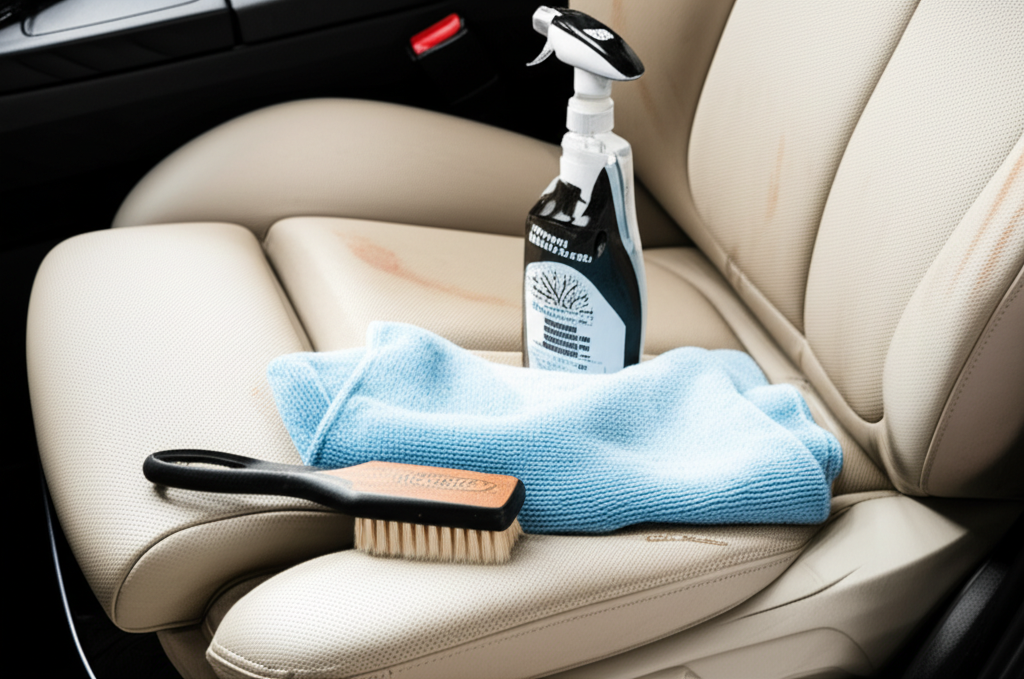
You likely have most of what you need already. Common household items work wonders for auto upholstery cleaner diy projects. You’ll want a few clean microfiber cloths, a soft-bristled brush, a spray bottle, and a vacuum cleaner with attachments. For cleaning solutions, think mild dish soap, white vinegar, or baking soda.
Simple DIY Cleaner Recipes for Fabric Seats
For fabric seats, a great DIY auto upholstery cleaner is a simple mix. Combine one cup of warm water with one tablespoon of mild dish soap in a spray bottle. For tougher stains, a solution of equal parts white vinegar and water can also be very effective. Always test any cleaner on an inconspicuous spot first.
Tackling Tough Stains: Coffee, Grease, and More
Coffee spills and grease stains are common frustrations. For coffee, blot up as much as possible, then use the mild soap and water solution. For grease, sprinkle baking soda or cornstarch on the stain to absorb the oil, let it sit for 15 minutes, then vacuum and clean. Persistent stains might need a second pass with your chosen cleaner.
Cleaning Leather Upholstery: Gentle and Effective Methods
Leather seats need a gentler touch. A good DIY auto upholstery cleaner for leather is a mixture of equal parts olive oil and white vinegar. Apply this sparingly with a soft cloth and buff gently. Another option is a mild soap and water solution, but ensure you use very little water. Always follow up with a leather conditioner to keep it soft.
The Step-by-Step Process for Deep Cleaning
1. Vacuum Thoroughly: Start by vacuuming your entire car interior. Use attachments to get into crevices and under seats.
2. Pre-treat Stains: Apply your chosen DIY cleaner directly to any visible stains. Let it sit for a few minutes.
3. Spray and Agitate: Lightly spray the upholstery with your cleaner. Use a soft brush to gently agitate the fabric, working the cleaner into the stain.
4. Blot and Wipe: Use a clean, damp microfiber cloth to blot the area. Rinse the cloth often.
5. Dry: Allow the upholstery to air dry completely. You can open windows or use a fan to speed up drying.
Choosing the Right Tools for the Job
The right tools make your auto upholstery cleaner diy project much easier. Microfiber cloths are excellent because they absorb well and don’t leave lint. A soft-bristled brush helps lift dirt without damaging the fabric. A vacuum with various attachments ensures you can reach every corner. A reliable spray bottle is key for even application.
What to Avoid for Best Results
When using a DIY auto upholstery cleaner, avoid over-wetting the fabric. Too much moisture can lead to mold or mildew. Also, steer clear of harsh chemicals like bleach or ammonia, as they can discolor or weaken upholstery. Always test in a hidden area first to ensure no damage occurs.
Maintaining Your Clean Car Interior
Keeping your car’s upholstery clean is an ongoing process. Regular vacuuming can prevent dirt from setting in. Address spills immediately to avoid permanent stains. Periodically using your chosen DIY cleaner for a light refresh will keep your car looking and smelling great.
Frequently Asked Questions About DIY Auto Upholstery Cleaning
Can I use dish soap to clean car seats?
Yes, mild dish soap mixed with water is a safe and effective auto upholstery cleaner diy solution for many fabric stains.
How do I remove a mystery stain from my car upholstery?
For unknown stains, start with a mild soap and water solution. Blot gently, don’t rub, and test in a hidden area first.
Is white vinegar safe for car upholstery?
White vinegar is generally safe for fabric upholstery when diluted with water. It’s great for odors and some stains, but test it first.
How often should I clean my car upholstery?
Vacuuming weekly is recommended. A deep clean with a DIY auto upholstery cleaner can be done every few months or as needed.
Can I use a steam cleaner for DIY upholstery cleaning?
Yes, a handheld steam cleaner can be a great tool for deep cleaning fabric upholstery, but always follow manufacturer instructions.
What if my car has fabric and leather seats?
Clean each material separately using the appropriate DIY auto upholstery cleaner method for fabric and leather.
Conclusion: Effortless Shine with Your Auto Upholstery Cleaner DIY
Taking care of your car’s interior doesn’t require a big budget or complex methods. With simple household items and this guide to auto upholstery cleaner diy, you can achieve impressive, effortless results. Enjoy a cleaner, fresher car that feels great to drive. Keep up with regular cleaning, and your car will thank you.

