
60s Vacuum Cleaner: Essential Guide For Retro Enthusiasts

The 60s vacuum cleaner offers a glimpse into a simpler era of home cleaning, blending retro aesthetics with surprisingly effective performance for enthusiasts seeking vintage charm and functional nostalgia.
It’s easy to get lost when looking for a 60s vacuum cleaner. Many people love the look of old things. They want a 60s vacuum cleaner that works well. This guide will help you find the perfect one. We will look at what makes these machines special. You’ll learn how to pick a good one and keep it running. Get ready to bring a piece of cleaning history into your home.
Why Choose a 60s Vacuum Cleaner?
A 60s vacuum cleaner is more than just a cleaning tool. It’s a piece of history. These vacuums often have a unique, charming design. They represent a time when appliances were built to last. Many enthusiasts appreciate their robust construction and simple mechanics. Owning one connects you to the past and adds character to your home.
The Allure of Retro Design
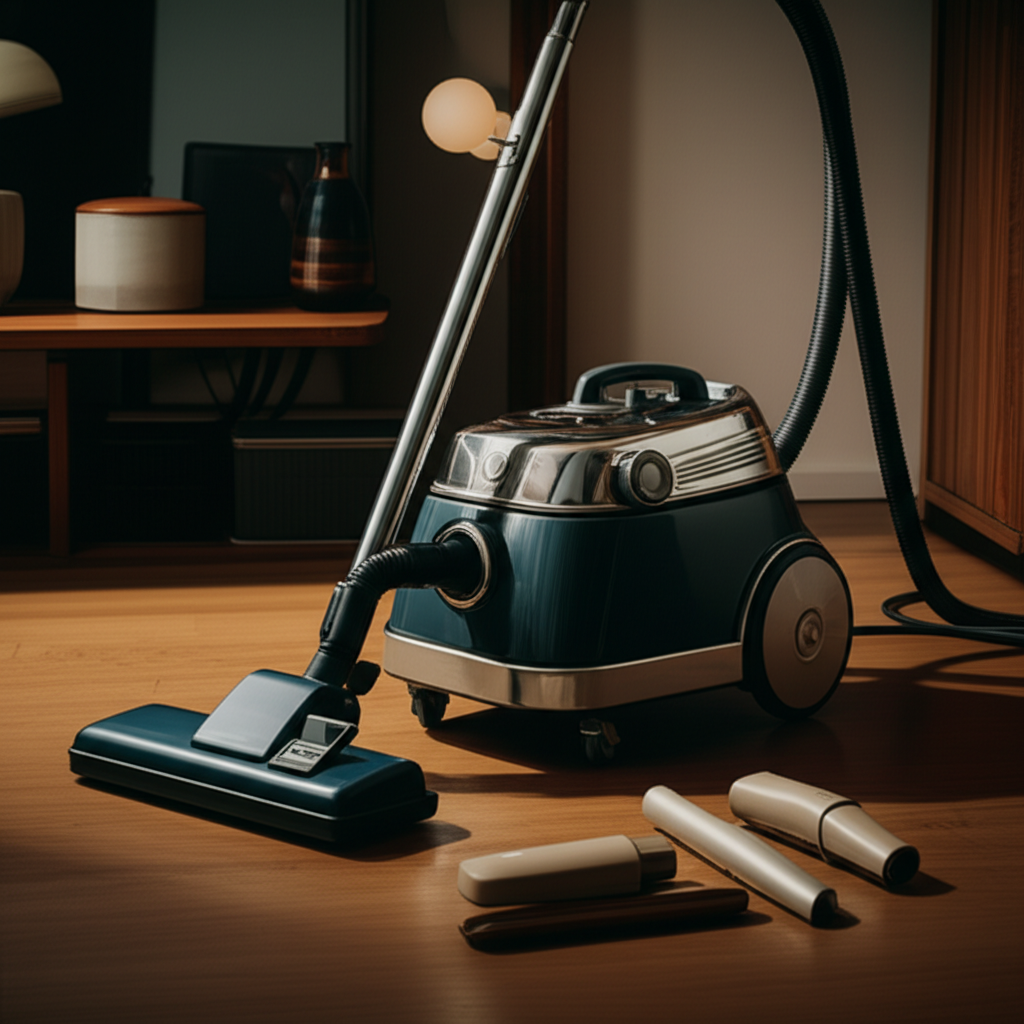
The 1960s brought bold colors and shapes to home appliances. A 60s vacuum cleaner often features vibrant hues like avocado green or harvest gold. Their rounded forms and chrome accents are instantly recognizable. These machines are like functional art pieces. They stand out from modern, often utilitarian designs.
Built to Last: Durability of Vintage Machines
Many 60s vacuum cleaners were built with high-quality materials. They used sturdy metals and durable plastics. This was before planned obsolescence became common. As a result, many of these machines are still working today. They can offer reliable cleaning power for years to come. This contrasts sharply with some newer, less durable models.
Simplicity and Repairability
The inner workings of a 60s vacuum cleaner are often straightforward. This makes them easier to understand and repair. Many parts are still available or can be sourced from other vintage machines. If something breaks, you might be able to fix it yourself. This is a big advantage over complex modern vacuums.
Popular 60s Vacuum Cleaner Brands and Models
The 1960s saw many innovative vacuum cleaner designs. Some brands became household names. Others produced iconic models that collectors still seek. Understanding these brands can guide your search. It helps you identify potential treasures.
Hoover: A Name Synonymous with Cleaning
Hoover was a dominant force in the vacuum industry. Models like the Hoover Constellation are highly sought after. It was famous for its distinctive, futuristic design. Other popular Hoover uprights and canisters from the era are also great finds. They often offered powerful suction.
Electrolux: Elegance and Efficiency
Electrolux produced high-quality canister vacuums. Their designs were often sleek and efficient. Many models featured advanced filtration for their time. They were known for their quiet operation and effective cleaning. Finding a well-maintained Electrolux can be a real win.
Eureka: Reliable Workhorses
Eureka offered a range of reliable vacuums. They were known for being durable and affordable. Many families owned Eureka uprights. These machines were designed for everyday use. They provided good cleaning performance without breaking the bank.
Kenmore: Department Store Classics
Kenmore, sold by Sears, was another popular brand. They offered a variety of vacuum styles. Many Kenmore vacuums were built by other manufacturers but branded for Sears. They were known for their solid construction and good value.
Key Features to Look For in a 60s Vacuum Cleaner
When hunting for a 60s vacuum cleaner, several features stand out. These define the vintage cleaning experience. They also indicate the machine’s potential performance and longevity. Knowing these helps you make an informed choice.
Suction Power and Airflow
The primary job of any vacuum is suction. 60s vacuum cleaners were often designed for powerful airflow. This helped them pick up dirt effectively. Look for models that are known for strong suction. Check reviews or descriptions for mentions of performance.
Bagged vs. Bagless (Mostly Bagged)
Most 60s vacuum cleaners use disposable bags. These bags help trap dust and allergens. They make emptying the vacuum cleaner cleaner. While bagless models exist today, the classic bagged system is part of the vintage charm. Ensure you can still find replacement bags.
Attachments and Accessories
A good vacuum cleaner comes with useful attachments. Crevice tools, upholstery brushes, and dusting brushes were common. These accessories extend the vacuum’s reach. They help you clean different surfaces effectively. Check if the machine comes with its original attachments.
Cord Length and Weight
Consider the practical aspects. A longer power cord offers more freedom. The weight of the vacuum is also important for maneuverability. Some vintage models can be quite heavy. Think about where you will use it most.
Where to Find a 60s Vacuum Cleaner
Finding a working 60s vacuum cleaner requires some effort. They aren’t found in every store. You’ll need to explore specific avenues. Patience and a bit of luck are key.
Online Marketplaces
Websites like eBay and Etsy are excellent sources. Many sellers offer restored or “as-is” vintage vacuums. You can often find detailed descriptions and photos. Shipping can be a concern for heavy items. Always check seller reviews.
Antique Stores and Flea Markets
These locations are treasure troves for vintage items. You might stumble upon a hidden gem. Inspect the vacuum carefully before buying. Look for physical damage and signs of wear. Bargaining is often possible here.
Garage Sales and Estate Sales
These sales offer a chance to find items directly from homes. You might find a 60s vacuum cleaner that has been in use for decades. It’s important to test it if possible. These sales can offer great deals.
Vintage Appliance Restoration Shops
Some specialized shops restore vintage appliances. They often sell working 60s vacuum cleaners. These machines may be more expensive. However, they are usually guaranteed to be in good working order. They offer peace of mind.
Assessing the Condition of a Vintage Vacuum
Before you buy, it’s crucial to check the condition. A 60s vacuum cleaner might look good but have hidden issues. A thorough inspection can save you disappointment.
Physical Inspection
Check for cracks in the plastic or metal body. Look for rust on metal parts. Ensure the wheels and brush roll spin freely. Examine the power cord for fraying or damage. A damaged cord is a serious safety hazard.
Electrical Check (Use Caution)
If possible, plug in the vacuum and turn it on. Listen for unusual noises like grinding or humming. Check if the motor sounds smooth and powerful. Be cautious with older electrical appliances. Ensure it is safe to operate.
Suction Test
The best way to test is to feel the suction. Block the hose end with your hand. You should feel strong suction pulling your hand. If the suction is weak, the motor or seals might be failing.
Bag Compartment and Filter
Open the bag compartment. Ensure it’s clean and free of debris. Check the condition of any internal filters. These may need replacing for optimal performance.
Maintaining Your 60s Vacuum Cleaner
Once you have your 60s vacuum cleaner, proper maintenance is key. It will keep it running smoothly for years. These machines are often simple to care for.
Regular Bag Changes
Change the vacuum bag frequently. A full bag reduces suction power. It can also cause dust to escape. Dispose of old bags carefully.
Cleaning the Brush Roll
Hair and threads can get tangled around the brush roll. This reduces its effectiveness. Periodically clean the brush roll. Remove any obstructions.
Checking Hoses and Belts
Inspect hoses for any cracks or blockages. Belts that drive the brush roll can wear out. Replace belts as needed. Many vintage vacuums use simple, replaceable belts.
Motor and Fan Care
Keep the motor air vents clean. Dust buildup can cause overheating. Avoid running the vacuum for excessively long periods. Give it breaks if needed.
Restoration Tips for a 60s Vacuum Cleaner
If your 60s vacuum cleaner needs some TLC, restoration is possible. Many enthusiasts enjoy bringing these machines back to life. It’s a rewarding hobby.
Cleaning and Polishing
Start with a thorough cleaning. Use mild soap and water for the exterior. For chrome parts, a metal polish can restore shine. Be gentle with painted surfaces.
Minor Repairs
Small cosmetic issues can often be fixed. Missing knobs might be replaced with similar vintage parts. Loose screws can be tightened. For electrical repairs, consult a professional.
Replacing Worn Parts
If belts or hoses are damaged, they can be replaced. You might find specific parts online. Sometimes, generic parts can be adapted. Always prioritize safety.
The Environmental Impact of Vintage Vacuums
Choosing a 60s vacuum cleaner can be an eco-friendly decision. These machines were built to last. This reduces the need for frequent replacements.
Longevity Reduces Waste
Unlike many modern appliances, vintage vacuums are often repairable. This means they can be used for decades. This significantly reduces electronic waste. It’s a sustainable choice.
Resource Efficiency
Manufacturing new appliances uses resources and energy. By using an existing 60s vacuum cleaner, you avoid this impact. It’s a way to reuse and repurpose.
Safety Precautions for Vintage Appliances
Operating any older electrical appliance requires care. A 60s vacuum cleaner is no exception. Always prioritize safety.
Inspect the Power Cord
Never use a vacuum with a damaged or frayed power cord. This is a serious fire and shock hazard. Replace it if you find any damage.
Avoid Water
Keep the vacuum away from water. Electrical components and water do not mix. Ensure the area you are cleaning is dry.
Professional Servicing
If you are unsure about any electrical component, seek professional help. A qualified technician can ensure the appliance is safe to use. This is especially important for older electronics.
60s Vacuum Cleaner vs. Modern Vacuums
Comparing a 60s vacuum cleaner to a modern one highlights their differences. Each has its own advantages.
| Feature | 60s Vacuum Cleaner | Modern Vacuum Cleaner |
| :————— | :—————————————— | :——————————————– |
| Build Quality | Robust, often all-metal construction | Lighter plastics, varied build quality |
| Design | Retro aesthetics, bold colors, chrome accents | Sleek, functional, minimalist |
| Technology | Simpler mechanics, often bagged | Advanced filtration, HEPA, smart features |
| Repairability| Generally easier to repair, parts available | Often complex, harder to repair, proprietary parts |
| Performance | Strong suction, reliable for basic cleaning | Variable, can be very powerful, specialized |
| Lifespan | Can last for decades with maintenance | Variable, some designed for shorter lifespans |
Performance Comparison
While modern vacuums boast advanced features like HEPA filters and laser lights, a well-maintained 60s vacuum cleaner can still offer impressive suction power. They excel at basic floor cleaning. Modern vacuums often offer more specialized tools and lighter designs.
Cost and Value
You can often find a working 60s vacuum cleaner for a fraction of the cost of a new one. While some rare models can be expensive collector’s items, many are affordable. This offers excellent value for those seeking vintage appeal.
Frequently Asked Questions About 60s Vacuum Cleaners
Are 60s vacuum cleaners still good for cleaning?
Yes, many 60s vacuum cleaners are still very effective. They were built with durable motors and strong suction. With proper maintenance, they can clean your home well.
Where can I buy a working 60s vacuum cleaner?
You can find them on online marketplaces like eBay and Etsy. Antique stores, flea markets, and estate sales are also good places. Look for vintage appliance shops too.
Are 60s vacuum cleaners safe to use?
They can be safe if you take precautions. Always check the power cord for damage. Ensure all electrical parts are in good condition. If in doubt, have it inspected by a professional.
What kind of maintenance do they need?
Regular maintenance includes changing the bag, cleaning the brush roll, and checking hoses. Keep the motor vents clean to prevent overheating. Replacing worn belts is also important.
Are parts still available for 60s vacuum cleaners?
Yes, parts like bags, belts, and some hoses are often available. You can find them online from specialized sellers or on auction sites. Sometimes parts can be adapted from other vintage models.
Are they better than modern vacuums?
They offer durability and a retro charm that modern vacuums lack. Modern vacuums often have better filtration and lighter designs. The “better” choice depends on your priorities.
Conclusion
Embracing a 60s vacuum cleaner is a wonderful way to connect with the past. It brings unique style and lasting function to your home. These machines are testaments to quality craftsmanship. They offer a satisfying cleaning experience for any retro enthusiast. With a little searching and care, your 60s vacuum cleaner will be a cherished part of your home for years. Happy hunting for your piece of cleaning history!
