4 Inch Pipe Cleaning Brush: Essential Guide

A 4 inch pipe cleaning brush is crucial for clearing blockages in drains and pipes of the same diameter. This guide helps you choose, use, and maintain the right brush, ensuring efficient plumbing maintenance and preventing costly repairs. Learn how this simple tool can save you time and hassle.
Are your drains slow to empty? Do you hear gurgling sounds that worry you? Clogged pipes can be a real headache, leading to messy backups and expensive plumbing calls. But before you panic, there’s a simple, effective tool that can often solve the problem: the 4 inch pipe cleaning brush. This guide will show you everything you need to know about using this essential tool to keep your pipes clear and flowing smoothly.
What is a 4 Inch Pipe Cleaning Brush?
A 4 inch pipe cleaning brush is a specialized tool designed to scrub the inside walls of pipes that are approximately four inches in diameter. It typically features a flexible rod or cable attached to a cylindrical brush head made of bristles. This design allows it to navigate bends and reach deep into the pipe to dislodge debris. It’s a go-to for tackling common clogs in sinks, showers, and main drain lines.
These brushes are designed to fit snugly within a 4-inch pipe, ensuring effective contact with the inner surfaces. They are vital for both routine maintenance and clearing stubborn blockages.
Why You Need a 4 Inch Pipe Cleaning Brush
A 4 inch pipe cleaning brush is essential for preventing and clearing common plumbing clogs. Hair, soap scum, grease, and other waste build up over time, narrowing pipes and slowing drainage. Without regular cleaning, these clogs can lead to overflowing sinks, backed-up toilets, and even serious damage. This tool offers a cost-effective and DIY-friendly solution to keep your plumbing system healthy.
Using a 4 inch pipe cleaning brush can save you money on professional plumber fees. It also helps maintain good hygiene by preventing stagnant water and odors. It’s a proactive step for any homeowner or property manager.
Types of 4 Inch Pipe Cleaning Brushes
There are a few main types of 4 inch pipe cleaning brushes, each suited for different needs. Some have flexible, snake-like rods for reaching around bends. Others are more rigid and designed for straight pipe sections. Brush head materials vary too, with nylon for gentler cleaning and metal for tougher grime. Some come with manual handles, while others are designed to attach to a drill for powered cleaning.
Choosing the right type depends on the specific blockage and pipe material. For example, a flexible rod brush is better for navigating the S-trap under a sink. A stiffer brush might be needed for hardened grease in a straight drain line.
Manual vs. Powered 4 Inch Pipe Cleaning Brushes
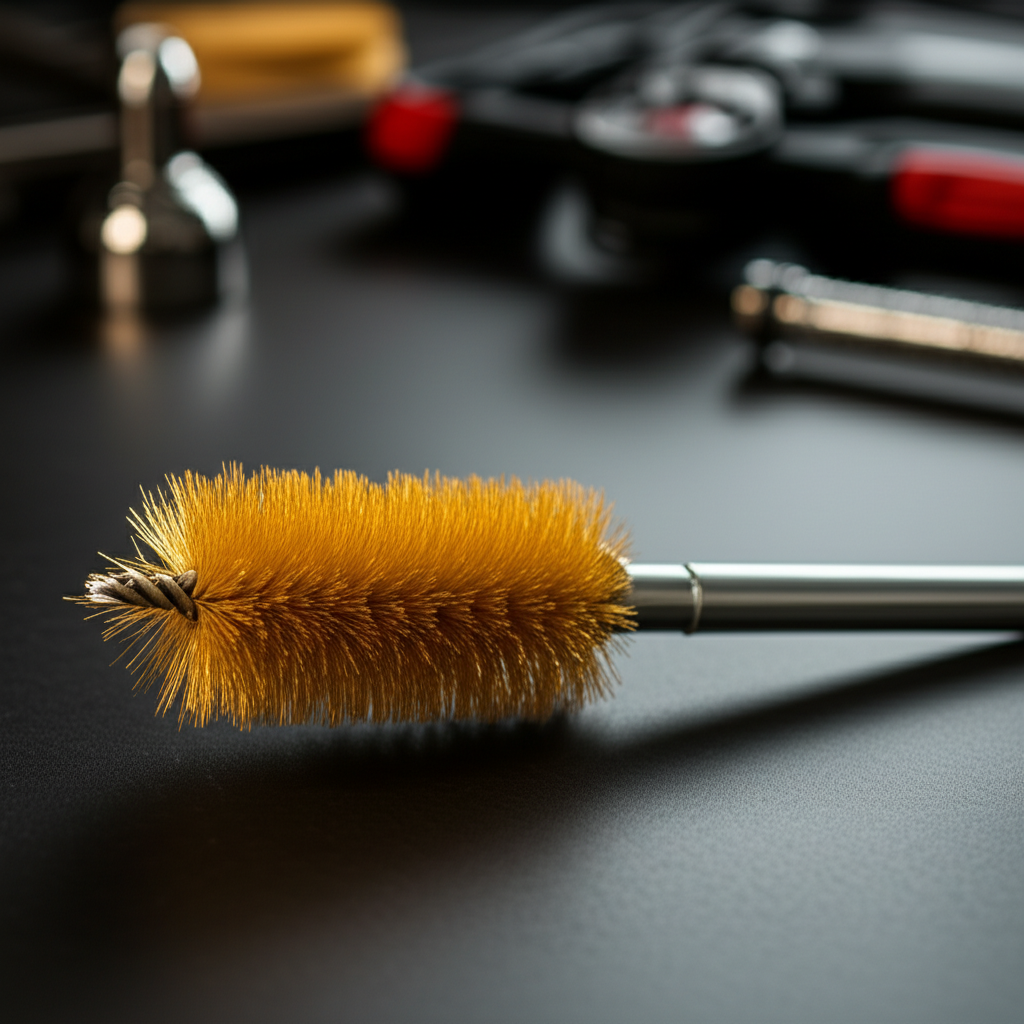
Manual 4 inch pipe cleaning brushes require you to twist and push them by hand. They offer great control and are perfect for light clogs or sensitive pipe materials. Powered brushes, often drill attachments, spin rapidly to break up tougher blockages. They can clear clogs faster but require more caution to avoid damaging pipes.
The choice between manual and powered often comes down to the severity of the clog and your personal preference. For a quick fix, manual is fine. For persistent blockages, a powered option can be a game-changer.
Brush Head Materials and Their Uses
The bristles of a 4 inch pipe cleaning brush are key. Nylon bristles are softer and ideal for most PVC or plastic pipes, preventing scratches. Metal bristles, like steel or brass, are much tougher and effective against hard-packed grease or mineral deposits. However, they should be used with extreme care on metal pipes to avoid damage.
Consider your pipe material before selecting a brush head. Using the wrong type can lead to costly repairs. Always check the manufacturer’s recommendations.
How to Use a 4 Inch Pipe Cleaning Brush Effectively
Using a 4 inch pipe cleaning brush involves a simple yet methodical process. First, ensure you have the right brush for your pipe size and clog type. Wear gloves and eye protection for safety. Gently insert the brush into the pipe, pushing it in until you meet resistance. Then, start rotating the brush, moving it back and forth to break up the clog.
Once the blockage feels loosened, slowly pull the brush out, bringing debris with it. Flush the pipe with hot water to clear any remaining residue. Repeat if necessary, but avoid excessive force.
Step-by-Step Cleaning Process
- Preparation: Gather your 4 inch pipe cleaning brush, gloves, eye protection, and a bucket. Remove any drain stoppers or gratings.
- Insertion: Carefully feed the brush into the pipe opening. Push it steadily until you encounter the clog or reach the desired depth.
- Agitation: Rotate the brush handle (or activate the drill for powered brushes) while gently pushing and pulling. This action scrubs the pipe walls and breaks down the obstruction.
- Removal: Slowly withdraw the brush, twisting as you go. Debris will cling to the bristles.
- Flushing: Pour hot water down the drain to flush away loosened debris and remaining residue.
- Repeat if Needed: If the drain is still slow, repeat the process.
This systematic approach ensures you tackle the clog thoroughly. Patience is key, especially with tougher blockages.
Choosing the Right 4 Inch Pipe Cleaning Brush
Selecting the perfect 4 inch pipe cleaning brush depends on several factors. Consider the material of your pipes – are they PVC, copper, or cast iron? Also, think about the type of clogs you typically face. Is it mostly hair and soap scum, or tougher grease and sediment? The length and flexibility of the brush’s rod are also important for reaching different parts of your plumbing system.
A good quality brush will be durable and effective. Look for sturdy construction and bristles that won’t easily detach. Reading reviews can also offer valuable insights from other users.
Factors to Consider:
- Pipe Material: PVC, copper, cast iron.
- Type of Clog: Hair, grease, sludge, roots.
- Pipe Length and Bends: How far does the brush need to reach?
- Brush Flexibility: Stiffer for straight runs, flexible for curves.
- Handle Type: Manual crank, drill attachment.
- Bristle Durability: Nylon, steel, brass.
Matching these factors to your needs will lead to the best purchase decision. A well-chosen brush makes the job much easier.
Maintenance and Care for Your Brush
To ensure your 4 inch pipe cleaning brush lasts a long time and remains effective, proper care is essential. After each use, thoroughly rinse the brush head and rod under running water to remove all debris. This prevents buildup that can harden and reduce the brush’s effectiveness. Allow the brush to air dry completely before storing it.
Store your brush in a dry place, away from extreme temperatures. This prevents rust on metal parts and degradation of bristles. Regular cleaning extends its lifespan and ensures it’s ready for the next job.
When to Call a Professional Plumber
While a 4 inch pipe cleaning brush is excellent for many common clogs, it’s not a miracle cure for everything. If you’ve tried using the brush multiple times without success, or if the clog is very deep within your system, it might be time to call a professional. Persistent clogs could indicate a more serious issue, such as a collapsed pipe or a blockage caused by tree roots.
Also, if you suspect a major blockage in your main sewer line, it’s best to seek expert help. Professionals have specialized equipment and experience to diagnose and fix complex plumbing problems safely and efficiently. For instance, the U.S. Environmental Protection Agency advises caution with sewer backups.
Alternatives to a 4 Inch Pipe Cleaning Brush
If a 4 inch pipe cleaning brush isn’t the right tool for your situation, other options exist. Plunger use is a classic first step for many sink and toilet clogs. Chemical drain cleaners can dissolve some blockages, but they can also be harsh on pipes and the environment. For tougher clogs, a drain snake or auger, which is essentially a more heavy-duty version of a pipe brush, might be necessary. These tools can reach further and have more power.
For minor clogs, a simple plunger can often do the trick. For more severe issues, you might consider a drain auger. It’s always good to know your options.
Common Issues and Troubleshooting
Sometimes, even with a 4 inch pipe cleaning brush, clogs can be stubborn. If the brush isn’t reaching the clog, you might need a longer or more flexible rod. If the brush isn’t breaking up the blockage, try a brush with stiffer bristles or a powered drill attachment. Ensure you are using sufficient force and rotation. Don’t force the brush too hard, as this can damage pipes or get the brush stuck.
If the brush gets stuck, try rotating it in the opposite direction or gently wiggling it. If it won’t budge, it’s safer to stop and consider other methods or professional help. Remember, safety first.
FAQs about 4 Inch Pipe Cleaning Brushes
Can I use a 4 inch pipe cleaning brush on any type of pipe?
You should be careful. Nylon bristles are safe for most pipes, including PVC. Metal bristles can scratch or damage softer pipes like copper or thin plastic. Always check your pipe material and the brush manufacturer’s recommendations.
How often should I use a 4 inch pipe cleaning brush?
For preventative maintenance, using the brush every 1-3 months can help keep pipes clear. If you have recurring slow drains, you might need to use it more often.
What’s the difference between a pipe cleaning brush and a drain snake?
A pipe cleaning brush is typically shorter and designed to scrub the inside walls of pipes. A drain snake (or auger) is usually longer and has a corkscrew-like tip to break through or retrieve blockages further down the line.
Can a 4 inch pipe cleaning brush remove tree roots?
Generally, no. Tree roots are a tough blockage that requires a heavy-duty drain auger or professional hydro-jetting. A standard pipe brush is not designed for this kind of task.
Are chemical drain cleaners better than a pipe brush?
Chemicals can be effective for minor clogs but can damage pipes over time and are harmful to the environment. A mechanical brush is a safer, more eco-friendly, and often more effective long-term solution for most clogs.
Where can I buy a 4 inch pipe cleaning brush?
You can find 4 inch pipe cleaning brushes at most hardware stores, home improvement centers, and online retailers like Amazon. Brands like Drain Removal and General Tools often carry them.
Conclusion
A 4 inch pipe cleaning brush is a valuable tool for any homeowner. It offers an affordable and effective way to maintain your plumbing, prevent clogs, and avoid costly repairs. By understanding the different types available and how to use them correctly, you can confidently tackle many common drain issues. Remember to choose the right brush for your pipes and clogs, and always prioritize safety and proper maintenance. Keeping your pipes clear has never been easier!