
What Are Good Air Purifying Plants: Essential, Proven Picks

Good air purifying plants are natural wonders that help clean your home’s air. They remove common toxins like formaldehyde and benzene. Choosing the right ones can make your living space healthier and more refreshing. I’ll show you proven picks that really work.
Breathing clean air at home is something we all want. But sometimes, our indoor air can be filled with unseen pollutants from furniture, cleaning products, and even outside air. This can make us feel tired or unwell. You might be wondering, “What are good air purifying plants that can actually help?” The good news is, nature offers some fantastic solutions. I’ve researched the best plants proven to filter your air. Let’s explore these green heroes and make your home a healthier sanctuary.
What Are Good Air Purifying Plants for a Healthier Home?
Good air purifying plants are living organisms that can absorb common indoor air pollutants. NASA’s Clean Air Study is a famous research project that identified many of these beneficial plants. These plants take in harmful gases through their leaves and roots. They then break them down into less harmful substances. This process helps to reduce the concentration of toxins in your home’s air.
The Science Behind Air Purifying Plants
The ability of plants to purify air is a fascinating process. Plants absorb gases like carbon dioxide for photosynthesis. They also absorb other volatile organic compounds (VOCs) present in indoor air. These VOCs can come from paints, carpets, and cleaning supplies. The plants then use their natural biological processes to break down these compounds. This leaves the air cleaner and fresher for you to breathe.
Top Proven Air Purifying Plants You Can Grow
Many plants are known for their air-cleaning abilities. Some are more effective than others. It’s important to choose plants that are easy to care for and suited to your home environment. Here are some of the best and most proven options.
Snake Plant (Sansevieria trifasciata)
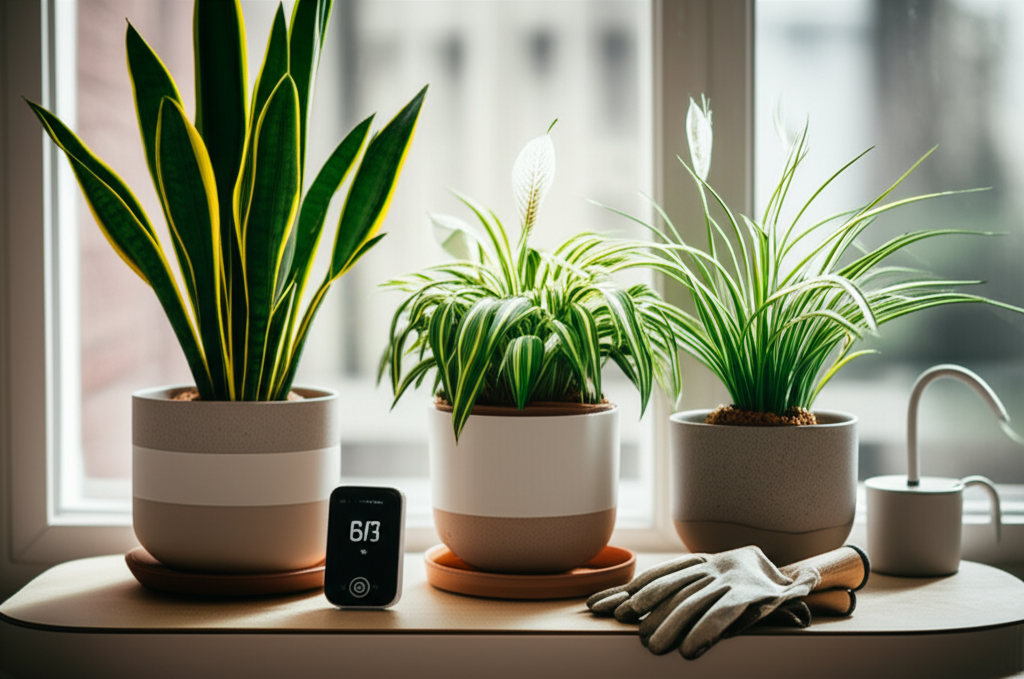
The snake plant is a champion for a reason. It’s incredibly tough and can survive in low light conditions. This plant is known for converting carbon dioxide into oxygen at night. This makes it a great choice for bedrooms. It also filters out formaldehyde, benzene, and xylene.
Key Benefit: Excellent at producing oxygen at night.
Care Level: Very easy; tolerates neglect.
Toxicity: Mildly toxic if ingested.
Spider Plant (Chlorophytum comosum)
Spider plants are very popular and easy to grow. They produce little “spiderettes” that you can easily propagate. These plants are excellent at removing formaldehyde and xylene from the air. They are also non-toxic, making them safe for homes with pets and children.
Key Benefit: Effectively removes formaldehyde and xylene.
Care Level: Easy; prefers bright, indirect light.
Toxicity: Non-toxic to pets and humans.
Peace Lily (Spathiphyllum wallisii)
The elegant peace lily not only adds beauty with its white blooms but also cleans your air. It’s very effective at removing ammonia, benzene, formaldehyde, and trichloroethylene. Peace lilies prefer low to medium light and moist soil. They will droop when thirsty, making their watering needs obvious.
Key Benefit: Filters out common toxins like ammonia and benzene.
Care Level: Moderate; keep soil consistently moist.
Toxicity: Mildly toxic if ingested.
Areca Palm (Dypsis lutescens)
The areca palm is a beautiful, lush plant that can grow quite large. It’s a fantastic humidifier, releasing a lot of moisture into the air. It also helps to filter out formaldehyde, xylene, and toluene. Areca palms need bright, indirect light and regular watering.
Key Benefit: Excellent humidifier and air purifier.
Care Level: Moderate; needs consistent moisture and light.
Toxicity: Non-toxic to pets and humans.
Boston Fern (Nephrolepis exaltata)
Boston ferns are known for their feathery fronds and ability to add humidity to a room. They are particularly good at removing formaldehyde and xylene. These ferns thrive in humid environments with indirect light and consistently moist soil. They can be a bit more demanding to care for.
Key Benefit: Removes formaldehyde and xylene, adds humidity.
Care Level: Moderate to difficult; needs high humidity.
Toxicity: Non-toxic to pets and humans.
How Many Plants Do You Need for Effective Air Purification?
The number of plants needed depends on your room size and the plant’s size. NASA’s study suggested that for optimal air purification, you might need about one plant per 100 square feet. However, even a few well-chosen plants can make a noticeable difference. More plants generally mean better air quality.
A study published in the Journal of Environmental Science and Health* highlighted that while houseplants can contribute to air purification, the effect in a typical home might be limited compared to ventilation. However, they still offer benefits and contribute to a healthier indoor environment.
Understanding Volatile Organic Compounds (VOCs)
VOCs are gases emitted from everyday products. These include paints, cleaning supplies, air fresheners, and furniture. Common VOCs found indoors are formaldehyde, benzene, and xylene. These can cause headaches, dizziness, and respiratory irritation. Air purifying plants help to reduce these harmful compounds.
Plants to Avoid If You Have Pets or Young Children
Some plants, while great air purifiers, can be harmful if ingested. It’s crucial to know which ones to keep out of reach or avoid altogether if you have curious pets or toddlers. Always research a plant’s toxicity before bringing it home.
Here’s a quick look at some common air purifiers that are toxic:
| Plant Name | Potential Toxin | Symptoms if Ingested |
| :—————- | :————– | :——————- |
| Lily of the Valley | Cardiac glycosides | Nausea, vomiting, irregular heartbeat |
| Pothos | Calcium oxalates | Mouth irritation, vomiting |
| Philodendron | Calcium oxalates | Mouth irritation, vomiting |
| Dieffenbachia | Calcium oxalates | Mouth irritation, swelling |
| Oleander | Cardiac glycosides | Severe heart problems, vomiting |
It’s always best to check resources like the ASPCA’s toxic plant list for the most up-to-date information.
Where to Place Your Air Purifying Plants
Placement is key to both the plant’s health and its air-purifying potential. Most air purifying plants prefer bright, indirect light. Avoid direct sunlight, which can scorch their leaves. Place them in areas where you spend a lot of time, like your living room or bedroom. Kitchens and bathrooms can also benefit from their air-cleaning and humidifying properties.
Caring for Your Air Purifying Plants
Caring for these plants is usually straightforward. Most require regular watering, but avoid overwatering, which can lead to root rot. Ensure they have good drainage. Dust their leaves occasionally to keep them clean and able to absorb light and air effectively. Proper care ensures they can do their best job filtering your air.
Beyond Air Purification: Other Benefits of Houseplants
Air purification is a major benefit, but houseplants offer more. They can reduce stress and improve mood. Studies suggest that being around plants can lower blood pressure and heart rate. They also add natural beauty and a sense of calm to any space. Having plants can make your home feel more alive and inviting.
Frequently Asked Questions About Air Purifying Plants
What are good air purifying plants for beginners?
For beginners, the Snake Plant and Spider Plant are excellent choices. They are very forgiving and require minimal care. They are also highly effective at removing common indoor pollutants.
Can just a few plants really clean my air?
Yes, even a few plants can start to improve your indoor air quality. While many plants are needed for significant purification, they contribute to a healthier environment. Combining plants with good ventilation is the most effective approach.
Which plants are best for bedrooms?
The Snake Plant is ideal for bedrooms because it releases oxygen at night. Peace Lilies are also good choices as they thrive in lower light conditions. They help create a more restful atmosphere.
Do air purifying plants help with allergies?
While they don’t directly remove allergens like dust or pollen, air purifying plants can help by removing VOCs. Some VOCs can worsen allergy symptoms. Cleaner air overall can lead to fewer respiratory irritations.
Are artificial plants good for air purification?
No, artificial plants do not have the ability to purify air. They are made of plastic and fabric and cannot perform the biological processes that natural plants use. For air purification, you need live plants.
What is the most effective air purifying plant?
The NASA Clean Air Study identified several highly effective plants. The Areca Palm, Bamboo Palm, and Snake Plant are consistently ranked among the most efficient at removing toxins. However, effectiveness also depends on the plant’s health and size.
Conclusion: Embrace the Power of Green for Cleaner Air
So, what are good air purifying plants? They are your natural allies in creating a healthier home environment. Plants like the Snake Plant, Spider Plant, Peace Lily, and Areca Palm are proven to help remove common indoor toxins. They are not just decorative; they are functional additions to your living space. By incorporating these green wonders into your home, you can breathe easier and enjoy a more refreshing atmosphere. I encourage you to start with one or two easy-care plants and see the positive impact they can have. You can find more tips on creating a healthy home environment on our website.
