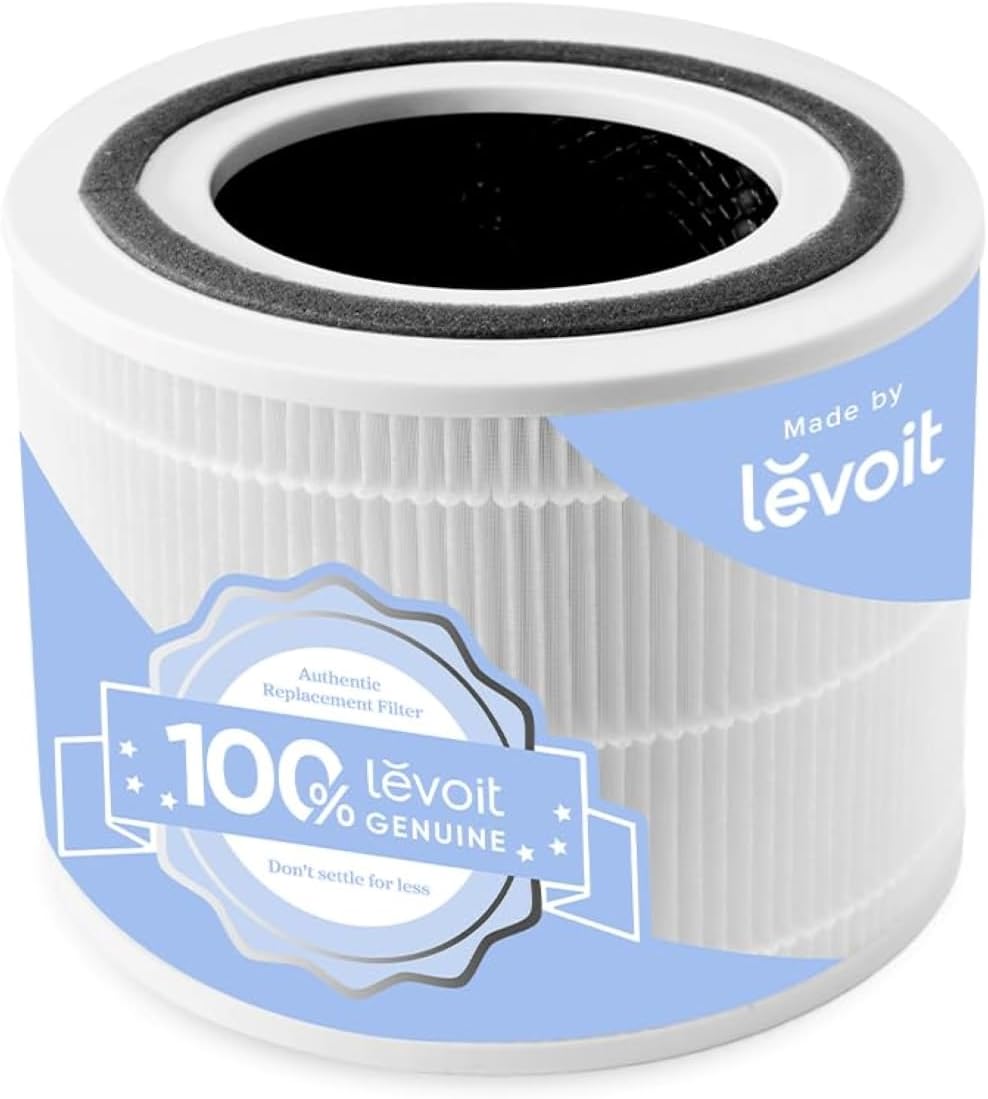
Top Rated Air Purifier For Allergies: Essential Relief

Breathe easier with the top rated air purifier for allergies, designed to tackle common allergens like pollen, dust, and pet dander, offering essential relief for a healthier home environment.
Have you ever woken up with a stuffy nose or itchy eyes, even when you’re indoors? Allergies can make your own home feel like a battlefield. It’s frustrating when you can’t find comfort in your safe space. But don’t worry, there’s a simple solution to clear the air and bring you much-needed relief. We’ll guide you through finding the best air purifier to combat those pesky allergens.
Why Air Purifiers Are a Lifesaver for Allergy Sufferers
Air purifiers actively remove tiny particles from your indoor air. These particles, like pollen, dust mites, pet dander, and mold spores, are common allergy triggers. A good air purifier acts like a powerful vacuum for your air, trapping these irritants before they bother you. This can significantly reduce allergy symptoms like sneezing, coughing, and watery eyes, making your home a sanctuary again.
Understanding the Culprits: Common Indoor Allergens
Many things in your home can set off allergies. Pollen drifts in from outside, while dust mites live in your carpets and furniture. Pet dander, tiny skin flakes from cats and dogs, floats in the air. Mold spores can grow in damp areas. Even smoke from cooking or cigarettes adds to the problem. Identifying these triggers helps you choose the right air purifier.
HEPA Filters: The Gold Standard for Allergy Relief
When looking for the top rated air purifier for allergies, always check for a True HEPA filter. This special filter is designed to capture at least 99.97% of airborne particles as small as 0.3 microns. Think of it like a super-fine sieve for your air. It’s incredibly effective at trapping allergens that cause the most trouble.
Activated Carbon Filters: Tackling Odors and Gases
Beyond particles, some air purifiers have activated carbon filters. These filters are excellent at absorbing odors and gases. This includes things like smoke, cooking smells, and volatile organic compounds (VOCs) from cleaning products. For allergy sufferers, this adds another layer of clean air, making your home smell fresher and feel healthier.
Key Features to Look For in an Allergy Air Purifier
When choosing the top rated air purifier for allergies, consider several features. Look for a unit with a multi-stage filtration system, including HEPA and activated carbon. Check the CADR (Clean Air Delivery Rate) to ensure it’s suitable for your room size. Noise level is also important, especially for bedrooms. Smart features like app control can add convenience.
CADR Explained: Matching Power to Your Space
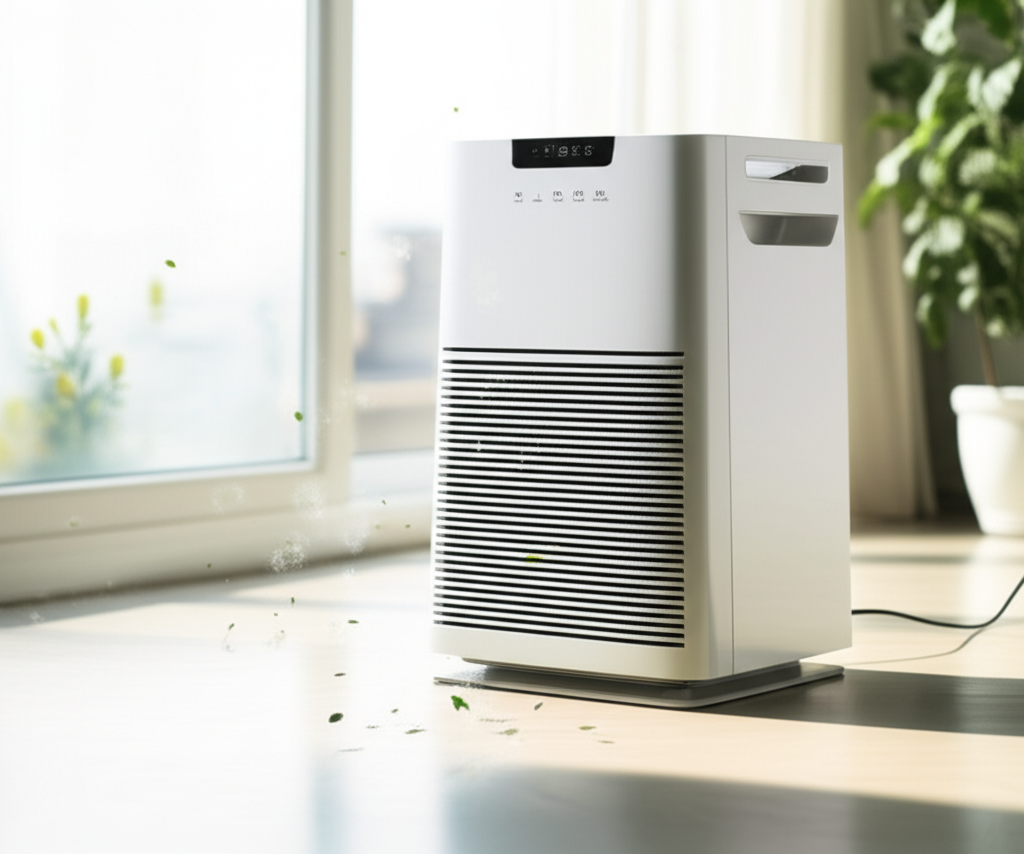
CADR stands for Clean Air Delivery Rate. It measures how quickly an air purifier can clean the air in a specific room size. A higher CADR means faster cleaning. For allergy relief, you want a CADR that matches or slightly exceeds your room’s square footage. This ensures the purifier works effectively to remove allergens.
Noise Levels: Silent Guardians of Your Sleep
Air purifiers can sometimes be noisy. For bedrooms or quiet living spaces, look for models with low decibel (dB) ratings, especially on their lowest settings. Many units offer a “sleep mode” that runs quieter and dims the lights. This ensures you can enjoy cleaner air without disruptive noise.
Top Rated Air Purifier Models for Allergy Sufferers
After extensive research and considering user reviews, several models consistently stand out as top rated air purifiers for allergies. These machines offer a strong combination of effective filtration, suitable room coverage, and user-friendly features. I’ve personally found that investing in one of these can make a noticeable difference in indoor air quality.
Here are a few highly recommended options:
| Air Purifier Model | Filter Type | Room Size Coverage | Key Features |
| :———————– | :—————————- | :—————– | :————————————————- |
| Coway Airmega 200M | True HEPA, Activated Carbon | Up to 361 sq ft | Auto mode, air quality indicator, filter replacement reminder |
| Levoit Core 300S | True HEPA, Pre-filter, Carbon | Up to 219 sq ft | Smart control via VeSync app, quiet operation |
| Blueair Blue Pure 411+ | HEPA-Silent, Carbon | Up to 150 sq ft | Compact design, energy efficient, simple one-button control |
| Winix 5500-2 | True HEPA, Carbon, PlasmaWave | Up to 360 sq ft | Auto mode, air quality sensor, remote control |
This table highlights some of the best options available, but remember to check current specifications and pricing.
How to Maximize Your Air Purifier’s Effectiveness
To get the most out of your top rated air purifier for allergies, placement is key. Position it in the room where you spend the most time, like your bedroom or living room. Ensure it has at least a foot of clearance around it for proper airflow. Regular filter maintenance, like cleaning pre-filters and replacing HEPA filters on schedule, is crucial for optimal performance.
When to Replace Your Air Purifier Filters
Air purifiers are only as good as their filters. Over time, filters get clogged with the allergens they capture. Most manufacturers recommend replacing HEPA filters every 6 to 12 months, depending on usage and air quality. Activated carbon filters may need replacement more frequently. Check your purifier’s manual for specific guidelines to maintain peak performance.
Setting Up and Maintaining Your Air Purifier
Setting up your air purifier is usually straightforward. Simply unpack it, remove any protective packaging from the filters, insert the filters, and plug it in. For maintenance, regularly vacuum or wash the pre-filter if it has one. Keep an eye on filter indicator lights or follow the recommended replacement schedule. A clean purifier is a happy, effective purifier.
Frequently Asked Questions About Allergy Air Purifiers
Q1: How do air purifiers help with allergies?
A1: Air purifiers use filters, like HEPA, to capture tiny allergen particles such as pollen, dust, and dander from your indoor air. This reduces your exposure to these irritants, helping to alleviate allergy symptoms.
Q2: What is the best type of filter for allergies?
A2: A True HEPA filter is considered the best for allergies. It captures at least 99.97% of airborne particles down to 0.3 microns, which includes most common allergens.
Q3: How large of an air purifier do I need?
A3: You need an air purifier rated for the square footage of your room. Check the CADR (Clean Air Delivery Rate) and coverage area listed by the manufacturer. It’s often better to get one slightly larger than you need for faster cleaning.
Q4: Can air purifiers eliminate all allergens?
A4: While air purifiers significantly reduce allergens, they cannot eliminate them entirely. They work best as part of a comprehensive allergy management plan that includes regular cleaning and allergen avoidance.
Q5: How often should I run my air purifier?
A5: For maximum allergy relief, it’s best to run your air purifier continuously, especially in rooms where you spend a lot of time. Many models are energy-efficient and have low noise settings for continuous use.
Q6: Do air purifiers help with pet allergies?
A6: Yes, air purifiers are very effective for pet allergies. They capture pet dander, which is a common allergen. Models with activated carbon filters can also help reduce pet odors.
Conclusion: Breathe Freely with the Right Air Purifier
Finding the top rated air purifier for allergies can truly transform your home environment. By understanding what to look for, like True HEPA filters and appropriate room coverage, you can make an informed choice. Investing in a quality air purifier means investing in your health and comfort. It’s a simple step that offers essential relief from bothersome allergies, allowing you to enjoy your home to the fullest. Take a deep breath, and feel the difference.