Top Home Air Purifier: Essential Guide

Breathe easier with the top home air purifier. This guide helps you choose the best for cleaner air, removing allergens, dust, and pollutants. We cover key features, types, and how to find the perfect fit for your home and health.
Have you noticed more dust lately? Do allergies seem worse at home? It’s a common problem. Poor indoor air quality can affect your health and comfort. It can make breathing difficult, especially for those with asthma or allergies. Finding the right top home air purifier can make a big difference. This guide will walk you through everything you need to know. We’ll help you understand what to look for and how to pick the best top home air purifier for your needs.
Why You Need a Top Home Air Purifier
A top home air purifier is more than just a gadget; it’s an investment in your well-being. Indoor air can be up to five times more polluted than outdoor air. Common culprits include dust, pollen, pet dander, mold spores, and even volatile organic compounds (VOCs) from cleaning products and furniture. These pollutants can trigger allergies, worsen asthma symptoms, and lead to general discomfort. A good air purifier actively removes these particles, creating a healthier living environment for everyone.
A quality air purifier can significantly improve your home’s air. It traps tiny particles that can cause health issues. This leads to a fresher, cleaner living space.
Understanding Air Purifier Technologies
Air purifiers use different methods to clean the air. Knowing these technologies helps you choose the best top home air purifier. The most common types are HEPA filters, activated carbon filters, and UV-C light. Many purifiers combine these for more effective cleaning.
HEPA Filters: These are the gold standard for trapping particles.
Activated Carbon Filters: These absorb gases and odors.
UV-C Light: This technology can kill bacteria and viruses.
Each technology has strengths for different air quality issues. Understanding them ensures you pick a purifier that tackles your specific concerns.
HEPA Filters: The Particle Trappers
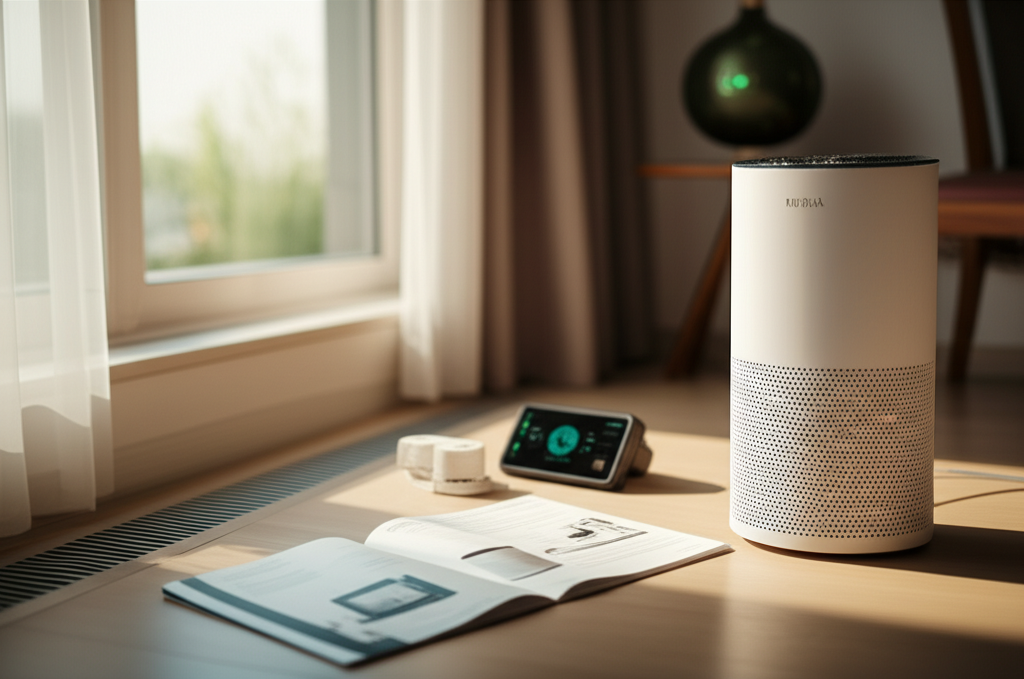
HEPA stands for High-Efficiency Particulate Air. A true HEPA filter is designed to capture at least 99.97% of airborne particles. This includes particles as small as 0.3 microns. Think dust mites, pollen, pet dander, and mold spores. These are common triggers for allergies and asthma.
If allergies or respiratory issues are your main concern, a HEPA filter is essential. It provides a strong barrier against many common indoor pollutants.
Activated Carbon Filters: The Odor Eaters
Activated carbon filters are excellent at removing odors and gases. They work by adsorption, where gas molecules stick to the porous surface of the carbon. This is great for tackling smells from cooking, pets, smoke, and even chemical fumes from household products. Many top home air purifier models include this feature.
For homes with pets or strong cooking odors, carbon filters are a must-have. They make your home smell fresher and cleaner.
UV-C Light: The Germ Killer
UV-C light is a form of ultraviolet light that can neutralize microorganisms. It works by damaging the DNA of bacteria, viruses, and mold spores. This prevents them from reproducing and spreading. While effective against germs, UV-C light doesn’t remove particles or odors.
This technology is best used in conjunction with HEPA and carbon filters. It offers an extra layer of protection against airborne pathogens.
Key Features to Look for in a Top Home Air Purifier
When shopping for a top home air purifier, several features can enhance its performance and usability. Consider the size of your room, noise levels, and ease of maintenance. Smart features and energy efficiency are also important factors.
Here are some essential features to consider:
Coverage Area (CADR): Ensure the purifier is rated for the size of your room.
Filter Replacement Indicator: Alerts you when it’s time to change filters.
Multiple Fan Speeds: Allows you to adjust airflow and noise.
Quiet Operation: Important for bedrooms and living areas.
Energy Efficiency: Look for ENERGY STAR certified models.
These features contribute to a better user experience and more effective air purification.
Understanding CADR and Room Size
CADR stands for Clean Air Delivery Rate. It measures how quickly an air purifier can remove specific pollutants like smoke, dust, and pollen. Higher CADR numbers mean faster cleaning. It’s crucial to match the purifier’s CADR to your room size for optimal performance.
A general rule is to choose a purifier with a CADR suitable for a room larger than yours. This ensures it can effectively clean the air even on lower settings. You can find CADR ratings on the product packaging or manufacturer’s website.
Noise Levels: Finding Peace and Quiet
Air purifiers can sometimes be noisy, especially on higher settings. This can be disruptive, particularly in bedrooms or quiet living spaces. Look for models that specify their decibel (dB) ratings. Lower dB numbers indicate quieter operation. Many purifiers offer a “sleep mode” that runs at a very low, quiet speed.
Consider where you’ll use the purifier most. A quieter model is usually preferred for personal spaces like bedrooms.
Smart Features and Connectivity
Many modern top home air purifier units come with smart features. These can include Wi-Fi connectivity, smartphone apps, and voice control. Apps often allow you to monitor air quality, adjust settings remotely, and receive filter replacement alerts. Smart features add convenience and control to your air purification experience.
These connected features make managing your home’s air quality easier than ever. You can control your purifier from anywhere.
Types of Home Air Purifiers
There are several types of air purifiers available, each suited for different needs and budgets. Understanding these categories can help you narrow down your choices.
Portable Air Purifiers: Great for single rooms.
Whole-House Air Purifiers: Integrated into your HVAC system.
Ozone Generators: Generally not recommended due to health concerns.
Choosing the right type ensures you get the most benefit for your specific situation.
Portable Air Purifiers: Room-by-Room Solutions
Portable air purifiers are the most common type for home use. They are self-contained units designed to clean the air in a specific room. They come in various sizes and capacities, making them ideal for bedrooms, living rooms, or offices. Their flexibility allows you to move them where needed most.
These units are easy to set up and maintain. They offer targeted air cleaning for individual spaces.
Whole-House Air Purifiers: Integrated Air Cleaning
Whole-house air purifiers are integrated directly into your home’s central heating, ventilation, and air conditioning (HVAC) system. They filter the air as it circulates throughout your entire home. This provides continuous air cleaning without needing multiple individual units. They are a more permanent and comprehensive solution.
This option is ideal for homeowners seeking consistent air quality throughout their entire property. It’s a powerful, integrated system.
Ozone Generators: Use with Caution
Ozone generators intentionally produce ozone gas to neutralize odors and pollutants. However, ozone is a lung irritant. The U.S. Environmental Protection Agency (EPA) warns that even low levels of ozone can cause health problems. Many air purification experts advise against using ozone generators for occupied spaces.
For safety, it’s best to stick with purifiers that don’t produce ozone. Focus on HEPA and activated carbon technologies.
Top Home Air Purifier Buying Guide: What to Consider
Selecting the top home air purifier involves matching its capabilities to your specific needs. Consider your budget, the size of the space you want to clean, and the types of pollutants you are most concerned about. Don’t forget about ongoing costs like filter replacements.
Here’s a checklist to help you make an informed decision:
1. Identify Your Needs: Allergies? Pet dander? Odors?
2. Measure Your Room: Determine the square footage.
3. Check CADR Ratings: Ensure it’s suitable for your room size.
4. Evaluate Filter Types: HEPA and activated carbon are key.
5. Consider Noise Levels: Especially for bedrooms.
6. Factor in Costs: Initial purchase and ongoing filter replacements.
7. Read Reviews: See what other users say.
This structured approach ensures you don’t overlook important aspects. It helps you find a purifier that truly fits your lifestyle.
Calculating Your Room’s Square Footage
To choose the right top home air purifier, you need to know your room’s size. Measure the length and width of the room in feet. Multiply these two numbers together to get the square footage. For example, a room that is 10 feet by 12 feet has an area of 120 square feet.
Knowing your room’s dimensions is the first step to finding a purifier with adequate coverage. This ensures effective air cleaning.
Filter Lifespan and Replacement Costs
Air purifiers require regular filter maintenance. HEPA filters typically need replacement every 6-12 months, while carbon filters may need replacing more frequently, depending on usage and air quality. Check the manufacturer’s recommendations. Factor these recurring costs into your budget when choosing a top home air purifier.
Consistent filter changes are vital for the purifier’s performance. They ensure the device continues to clean your air effectively.
Top Home Air Purifier Recommendations (Examples)
Choosing the top home air purifier can feel overwhelming with so many options. Based on expert reviews and user satisfaction, here are a few highly-regarded models that consistently perform well. These examples represent different price points and feature sets.
Coway Airmega 200M: Known for its excellent filtration and user-friendly design.
Blueair Blue Pure 211+ Auto: Offers high performance with a stylish, modern look.
Levoit Core 300S: A popular, compact option with smart capabilities.
Always check the latest reviews and specifications before making a purchase. These are just examples to guide your search.
Comparing Top Models: A Quick Look
| Model Name | Room Size (sq ft) | HEPA Type | Carbon Filter | Smart Features | Noise Level (dB) |
| :—————— | :—————- | :——– | :———— | :————- | :————— |
| Coway Airmega 200M | 361 | True HEPA | Yes | No | 22-53 |
| Blueair Blue Pure 211+ Auto | 540 | Fabric | Yes | Yes | 31-56 |
| Levoit Core 300S | 219 | True HEPA | Yes | Yes | 24-50 |
This table provides a snapshot of key features for comparison. It helps you see differences at a glance.
Maintaining Your Air Purifier for Peak Performance
To get the most out of your top home air purifier, regular maintenance is key. This includes cleaning the pre-filters and replacing the main filters on schedule. A well-maintained unit will perform better and last longer. It also ensures you are consistently breathing clean air.
Proper care keeps your purifier running efficiently. It’s a simple step for healthier air.
Cleaning and Filter Replacement Schedule
Most air purifiers have washable pre-filters that catch larger particles like hair and dust. These should be cleaned monthly. The HEPA and carbon filters are not washable and must be replaced according to the manufacturer’s guidelines, typically every 6-12 months. Many units have a filter indicator light to remind you.
Following this schedule is crucial for maintaining air quality. It ensures the purifier’s efficiency.
Frequently Asked Questions About Top Home Air Purifiers
Q1: How often should I run my air purifier?
A1: For best results, run your top home air purifier continuously, especially when you are home. Many models have auto modes that adjust based on air quality.
Q2: Can an air purifier help with smoke odor?
A2: Yes, air purifiers with activated carbon filters are very effective at removing smoke odors and other airborne smells. True HEPA filters also capture smoke particles.
Q3: Are air purifiers noisy?
A3: Noise levels vary by model and fan speed. Look for units with low decibel ratings or a sleep mode for quiet operation, particularly for bedrooms.
Q4: How do I know if an air purifier is working?
A4: You should notice a reduction in odors and allergens. Many purifiers have air quality sensors that display real-time readings, showing the purifier is actively cleaning.
Q5: What does “True HEPA” mean?
A5: “True HEPA” filters are certified to capture at least 99.97% of airborne particles 0.3 microns in size. This is the standard for effective particle removal.
Q6: Can an air purifier remove viruses?
A6: True HEPA filters can capture virus-sized particles. Some purifiers also use UV-C light to help neutralize airborne viruses and bacteria.
Q7: Where is the best place to put an air purifier?
A7: Place it in the room where you spend the most time or where air quality is a concern. Ensure there is space around the unit for proper airflow.
Conclusion: Your Path to Cleaner Air
Investing in a top home air purifier is a proactive step towards a healthier home environment. By understanding the different technologies, key features, and types of purifiers available, you can confidently choose a model that meets your specific needs. Remember to consider room size, desired filtration, noise levels, and ongoing costs. A well-chosen and properly maintained top home air purifier will significantly improve your indoor air quality, helping you breathe easier and live healthier. Start your journey to a cleaner home today!