
Top HEPA Air Purifiers: Essential Guide

Breathe easier with the top HEPA air purifiers, essential for cleaner indoor air. This guide helps you choose the best HEPA air purifiers for allergies, pets, and general air quality, ensuring a healthier home environment.
Breathing fresh air at home should be simple, but for many, it’s a challenge. Dust, pollen, pet dander, and even tiny virus particles can fill your living space, causing allergies, asthma, and general discomfort. Finding the right solution can feel overwhelming with so many options. This guide cuts through the confusion, showing you exactly how to pick the best HEPA air purifiers to create a healthier sanctuary for you and your family.
Why You Need a HEPA Air Purifier
A HEPA air purifier is a device that cleans the air in your home. It uses a special filter, called a HEPA filter, to trap tiny particles. These particles can be things like dust, pollen, and even germs. Having a HEPA air purifier can make a big difference in how clean your air feels and how healthy you feel.
Understanding HEPA Filters
HEPA stands for High-Efficiency Particulate Air. A true HEPA filter is designed to capture at least 99.97% of airborne particles that are 0.3 microns in size. This is incredibly small! Think of it like a super-fine sieve for the air. These filters are crucial for removing allergens and pollutants that can affect your health.
What Can HEPA Filters Remove?
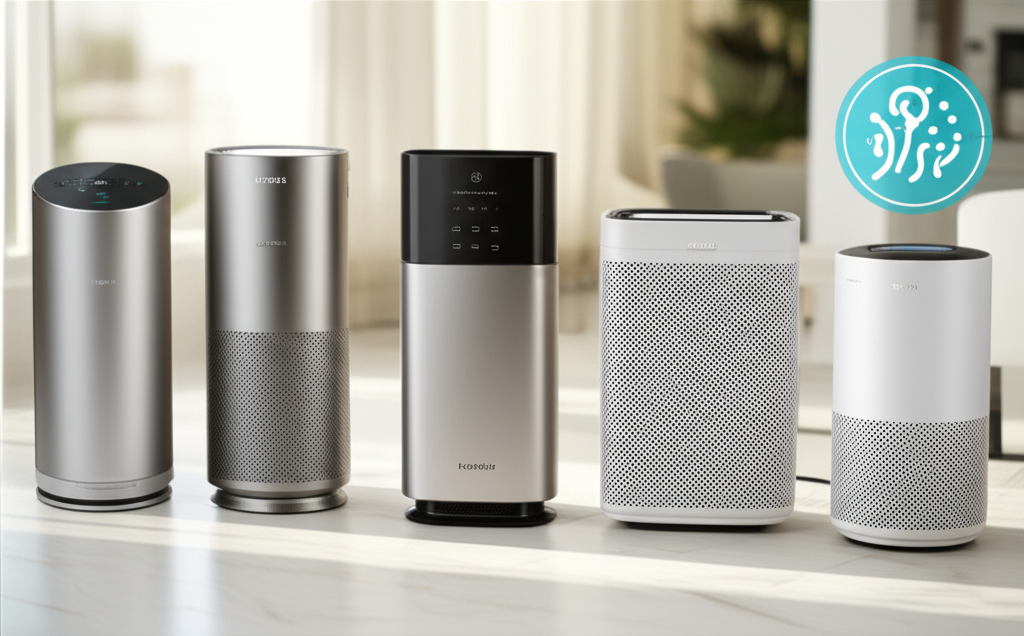
HEPA filters are excellent at trapping a wide range of common indoor air pollutants. This includes:
Pollen: Tiny grains that cause seasonal allergies.
Dust Mites: Microscopic creatures found in dust.
Pet Dander: Small flakes of skin shed by pets.
Mold Spores: Microscopic fungi that can trigger allergies.
Smoke Particles: From cooking or tobacco.
Bacteria and Viruses: Some of the smallest airborne threats.
The effectiveness of HEPA filters in removing these particles is well-documented, making them a cornerstone of effective air purification.
Key Features to Look For in Top HEPA Air Purifiers
When choosing a HEPA air purifier, several features will help you find the best one for your needs. Think about the size of the room you want to clean and what specific air quality issues you have. These features ensure the purifier works well and is easy to use.
Room Size and Coverage (CADR)
The most important factor is ensuring the purifier can handle the size of your room. This is often measured by the Clean Air Delivery Rate (CADR). CADR tells you how quickly the purifier can clean the air for specific pollutants like smoke, dust, and pollen. A higher CADR means faster cleaning.
Small Rooms (e.g., bedroom, office): Look for CADR ratings around 100-150.
Medium Rooms (e.g., living room): Aim for CADR ratings of 150-250.
Large Rooms (e.g., open-plan living areas): Seek CADR ratings above 250.
Always check the manufacturer’s recommended room size to match the purifier’s capacity to your space.
Filter Layers and Types
Most top HEPA air purifiers use a multi-stage filtration system. This means the air passes through several filters before being released back into the room. A typical system includes:
1. Pre-filter: Captures larger particles like hair and dust bunnies. This helps the HEPA filter last longer.
2. HEPA Filter: The main filter that traps 99.97% of tiny particles.
3. Activated Carbon Filter: Absorbs odors, gases, and VOCs (Volatile Organic Compounds).
Some purifiers may add specialized filters for specific needs, like UV-C light for killing germs.
Noise Levels
Air purifiers have fans that make noise. This is measured in decibels (dB). A quieter purifier is better, especially for bedrooms or offices. Look for models that offer a “sleep mode” or have low dB ratings on their lowest fan setting. Ratings below 50 dB are generally considered quiet.
Energy Efficiency
Air purifiers run for many hours a day. Choosing an energy-efficient model can save you money on your electricity bills. Look for Energy Star certified purifiers. These models meet strict energy efficiency guidelines set by the U.S. Environmental Protection Agency.
Top HEPA Air Purifier Recommendations
Based on performance, features, and user reviews, here are some of the top HEPA air purifiers available today. I’ve considered different needs and budgets to help you find the perfect fit.
Best Overall: Coway Airmega 200M
The Coway Airmega 200M is a fantastic all-around choice. It effectively cleans medium to large rooms and features a true HEPA filter. Its smart features, like an air quality sensor and auto mode, make it easy to use. It’s also known for being relatively quiet.
Strengths: Excellent filtration, quiet operation, user-friendly design.
Considerations: Filter replacement costs can add up.
This model consistently receives high marks for its performance in real-world conditions. Its ability to adapt to changing air quality makes it a reliable choice for continuous use.
Best for Allergies: Blueair Blue Pure 211+ Auto
If allergies are your main concern, the Blueair Blue Pure 211+ Auto is a strong contender. It uses a unique combination of electrostatic and mechanical filtration to capture allergens effectively. The washable pre-filter also helps extend the life of the main filter.
Strengths: Superior allergen removal, stylish design, low energy consumption.
Considerations: Can be a bit pricier upfront.
Its advanced filtration system is specifically designed to tackle common allergens like pollen and pet dander. This makes it a go-to for allergy sufferers.
Best Budget Option: Levoit Core 300S
For those on a tighter budget, the Levoit Core 300S offers great value. It’s compact, quiet, and uses a three-stage filtration system, including a true HEPA filter. It’s perfect for small to medium-sized rooms.
Strengths: Affordable, effective for its size, quiet operation.
Considerations: Best suited for smaller spaces.
The Levoit Core 300S proves that you don’t need to spend a lot to get clean air. It delivers impressive results for its price point.
Best for Large Spaces: Winix HR900 (5-Stage)
For larger homes or rooms with pets, the Winix HR900 is a powerful option. It features a five-stage filtration system, including a True HEPA filter and a PlasmaWave technology. This combination tackles allergens, odors, and even viruses effectively.
Strengths: Powerful performance for large areas, handles pet odors well, advanced technology.
Considerations: Can be larger and noisier than smaller units.
Its robust design and multi-stage cleaning process make it ideal for homes dealing with significant air quality challenges.
How to Choose the Right HEPA Air Purifier for Your Needs
Selecting the perfect HEPA air purifier involves understanding your specific situation. It’s not a one-size-fits-all solution. Consider your home’s unique challenges and your personal priorities.
Assessing Your Air Quality Issues
First, think about what you want the air purifier to do. Are you dealing with:
Allergies: Focus on HEPA filters and models with excellent allergen capture rates.
Pet Odors/Dander: Prioritize purifiers with strong activated carbon filters and good pre-filters.
Smoke: Look for high CADR ratings and robust carbon filters.
General Freshness: Any good HEPA purifier will help, but consider coverage area.
Understanding your primary concern will guide you toward the most effective features.
Considering Filter Lifespan and Replacement Costs
HEPA filters don’t last forever. They need to be replaced periodically, usually every 6-12 months, depending on usage and air quality. The cost of replacement filters can add up over time. Always factor this into your budget when choosing a model. Some purifiers have washable pre-filters, which can reduce the frequency of replacing the main HEPA filter.
Smart Features and Convenience
Many modern HEPA air purifiers come with smart features. These can include:
Air Quality Sensors: Automatically adjust fan speed based on detected pollution levels.
Timers: Allow you to set specific operating times.
App Control: Control the purifier remotely via your smartphone.
Filter Replacement Indicators: Remind you when it’s time to change the filter.
These features can enhance convenience and ensure your purifier is always operating at its best.
Setting Up and Maintaining Your HEPA Air Purifier
Once you’ve chosen your top HEPA air purifier, proper setup and regular maintenance are key to its performance. Following these steps will ensure you get the most out of your investment.
Initial Setup Steps
When you first get your air purifier, follow these simple steps:
1. Unpack Carefully: Remove all packaging materials from the unit and its filters.
2. Install Filters: Open the unit (usually a back panel) and ensure the HEPA and carbon filters are correctly placed. Remove any protective plastic from the filters.
3. Placement: Position the purifier in the room you want to clean. Ensure there’s at least a foot of space around the unit for good airflow. Avoid placing it directly against walls or furniture.
4. Plug In and Power On: Connect the power cord and turn on the unit. Select your desired fan speed or use auto mode if available.
Proper initial setup ensures the purifier works efficiently from the start.
Regular Maintenance for Optimal Performance
To keep your HEPA air purifier working effectively, follow a maintenance schedule:
Clean the Pre-filter: Most pre-filters can be vacuumed or washed weekly or bi-weekly. This is crucial for extending the life of the HEPA filter.
Replace HEPA and Carbon Filters: Follow the manufacturer’s recommendation, usually every 6-12 months. Most units have indicator lights to remind you.
Wipe Down the Exterior: Clean the outside of the unit with a damp cloth as needed.
Consistent maintenance guarantees that your purifier continues to deliver clean air.
Frequently Asked Questions About HEPA Air Purifiers
Here are answers to common questions people have about HEPA air purifiers.
What is the difference between HEPA and HEPA-type filters?
A true HEPA filter captures 99.97% of particles 0.3 microns in size. A “HEPA-type” or “HEPA-like” filter may capture some particles, but it doesn’t meet the same strict standard as a true HEPA filter. Always look for “True HEPA” for the best performance.
How often should I run my HEPA air purifier?
For best results, especially if you have allergies or pets, it’s recommended to run your HEPA air purifier continuously. Many units are energy-efficient, and running them 24/7 ensures consistent air cleaning. You can use timers or sleep modes for nighttime operation.
Can HEPA air purifiers remove odors?
While HEPA filters are excellent for trapping particles, they don’t effectively remove odors or gases. For odor removal, you need a purifier with a substantial activated carbon filter. The thicker and more granular the carbon filter, the better it will be at absorbing smells.
How do I know if my HEPA air purifier is working?
You can tell your air purifier is working if you notice a reduction in airborne dust or allergens. Many models have air quality indicators that change color or display a reading. You should also feel a gentle stream of air coming from the unit. Listen for the fan noise, which indicates it’s running.
Are HEPA air purifiers noisy?
The noise level of a HEPA air purifier varies by model and fan speed. On lower settings, many are very quiet, often below 50 dB, which is comparable to a quiet conversation. Higher settings will be louder. Look for models with specific “sleep modes” for minimal noise.
Conclusion
Investing in one of the top HEPA air purifiers is a smart move for anyone looking to improve their indoor air quality. Whether you’re battling allergies, dealing with pet dander, or simply want a fresher home, a good HEPA air purifier can make a significant difference. By understanding features like CADR, filter types, and noise levels, you can confidently choose a model that fits your space and budget. Remember to perform regular maintenance to ensure your purifier keeps working its best. Breathe easier and enjoy a healthier home environment with the right HEPA air purifier.
