
Panasonic Air Purifier Review: Essential For Students

This Panasonic air purifier review explores why it’s a must-have for students. It tackles common dorm room air quality issues, offering a clean air solution for better focus and health. Learn how this device can improve your study environment.
Did you know the air inside your dorm room might not be as clean as you think? Dust, allergens, and even VOCs from new furniture can fill small spaces. This can make it hard to concentrate on your studies and might even affect your health. A good air purifier can make a big difference. In this Panasonic air purifier review, we’ll look at why a Panasonic model could be the perfect choice for students needing fresher, healthier air in their living and study spaces. We’ll cover what makes it great and how it helps you breathe easier.
Why Students Need Cleaner Air
Students often spend long hours studying in their rooms. These spaces can sometimes have poor ventilation. This trapped air can carry dust, pollen, pet dander, and even mold spores. For students with allergies or asthma, this can lead to discomfort and missed study time. Cleaner air helps reduce these symptoms, allowing for better focus and improved overall well-being during demanding academic periods.
A cleaner study environment means fewer distractions from sneezing or itchy eyes. It also supports better sleep, which is crucial for academic success. Panasonic air purifiers offer a way to actively improve the air you breathe every day.
Understanding Panasonic Air Purifiers
Panasonic air purifiers are designed with advanced technology to clean indoor air effectively. They often use multi-stage filtration systems. These systems capture a wide range of airborne particles. Many models also feature unique technologies like nanoe™ or nanoe-G. These help to neutralize odors and inhibit the growth of certain airborne pollutants.
These purifiers are built to be user-friendly. They have simple controls and often come with smart features. This makes them easy to manage even for busy students. They are a practical addition to any student’s living space.
Key Technologies in Panasonic Air Purifiers
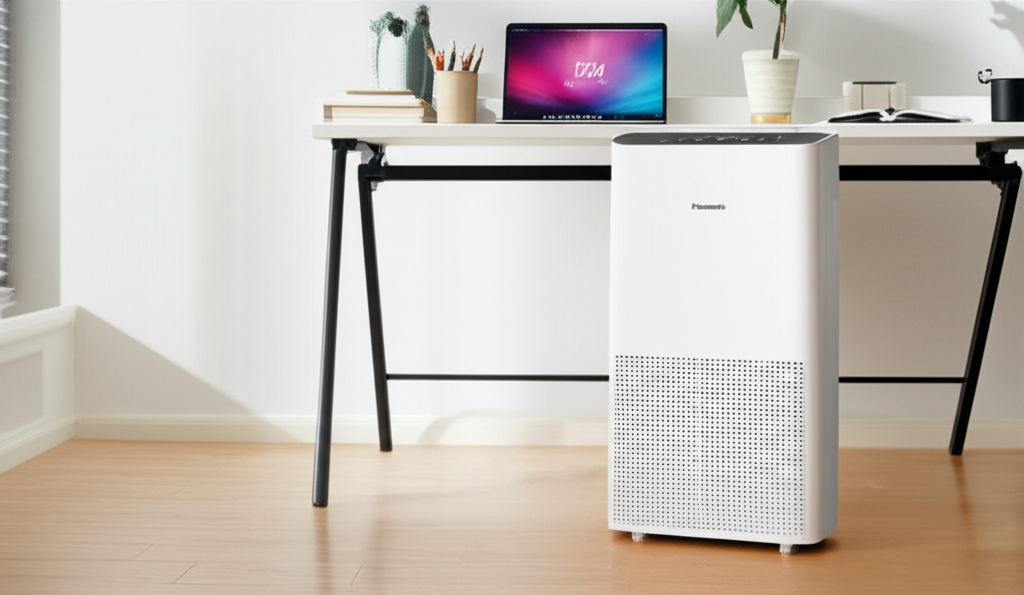
Panasonic air purifiers often include several innovative technologies. The nanoe™ technology releases tiny, electrically charged water particles. These particles can penetrate fabrics and help to deodorize and inhibit pollutants. Another feature is the nanoe-G air purification system. This system collects fine dust particles, including allergens like pollen and mold.
Many models also boast a HEPA composite filter. This filter is highly effective at capturing small particles. It works alongside an activated carbon filter to remove odors and harmful gases. These combined technologies create a comprehensive air cleaning solution.
HEPA Filtration Explained
HEPA stands for High-Efficiency Particulate Air. A true HEPA filter is designed to capture at least 99.97% of airborne particles. These particles are as small as 0.3 microns. Think of dust mites, pollen, mold spores, and even some bacteria. This level of filtration is crucial for allergy sufferers and for maintaining a healthy living environment.
Panasonic air purifiers use HEPA filters as a core part of their cleaning process. This ensures that the air passing through the purifier is significantly cleaned. It removes many common irritants that can affect a student’s health and focus.
Panasonic Air Purifier Models for Dorm Rooms
When choosing a Panasonic air purifier for a student, size and coverage area are important. Smaller, more compact models are ideal for dorm rooms or small apartments. Look for units that can effectively clean the air in a room of about 150-250 square feet. This ensures the purifier works efficiently without being too bulky.
Features like quiet operation are also a big plus for students. A noisy purifier can be disruptive to studying or sleeping. Many Panasonic models are designed to run quietly, especially on lower settings.
Top Panasonic Models for Student Spaces
One popular series is the Panasonic F-PXM35A. This model is often recommended for smaller rooms. It features a compact design and effective multi-stage filtration. Another option could be the Panasonic F-VXJ70A, which offers a larger coverage area and advanced purification technologies like nanoe™.
When selecting a model, consider the specific needs of the student. Is there a focus on allergies, odors, or general air freshness? Checking the CADR (Clean Air Delivery Rate) for different pollutants can also help in making the right choice. The CADR indicates how quickly the purifier can clean a room.
Benefits for Students
Using a Panasonic air purifier in a student’s room offers numerous advantages. It directly combats common indoor air pollutants. This can lead to fewer allergy flare-ups and respiratory issues. Students might experience better sleep quality due to cleaner air.
Furthermore, a reduction in airborne irritants can improve concentration. This is vital for academic performance. The peace of mind that comes with a healthier living space is also invaluable.
Improved Focus and Productivity
A cleaner environment directly impacts cognitive function. When students breathe in cleaner air, their brains receive more oxygen. This can lead to increased alertness and better concentration. Fewer distractions from allergens, like sneezing or itchy eyes, mean more uninterrupted study time.
Studies have shown that indoor air quality can affect learning outcomes. For example, a report from the U.S. Environmental Protection Agency (EPA) highlights the link between indoor air pollutants and health problems that can impact school attendance and performance. A Panasonic air purifier helps create an optimal environment for academic success.
Allergy and Asthma Relief
Many students suffer from allergies or asthma. Dorm rooms can be breeding grounds for allergens like dust mites, mold, and pet dander (even if there are no pets, dander can be tracked in). A Panasonic air purifier with a HEPA filter can trap these allergens. This significantly reduces their presence in the air.
By removing these triggers, the purifier can lessen symptoms like coughing, wheezing, and sneezing. This means less time spent feeling unwell and more time dedicated to learning and enjoying college life. This is a significant benefit for students’ health and academic consistency.
Ease of Use and Maintenance
Panasonic air purifiers are designed with the user in mind. They are typically easy to set up and operate. Most models have intuitive control panels with clear settings. This means students don’t need to be tech experts to use them effectively.
Maintenance is also straightforward. The filters usually need to be replaced periodically. Panasonic provides clear instructions on when and how to do this. Some models also have filter replacement indicators, taking the guesswork out of maintenance.
Filter Replacement Guide
Replacing the filters is the most common maintenance task. The HEPA filter and the activated carbon filter usually have different lifespans. A general guideline is to replace the HEPA filter every 1-2 years and the activated carbon filter every 6-12 months. However, this can vary depending on usage and the air quality in the room.
Many Panasonic air purifiers have a filter indicator light. This light will turn on when it’s time for a replacement. This feature ensures that the purifier continues to operate at its best. Always refer to your specific model’s manual for precise replacement schedules and instructions.
Energy Efficiency
For students, energy consumption is an important consideration. Running an appliance constantly can increase electricity bills. Panasonic air purifiers are generally designed to be energy efficient. Many models have eco-modes or sleep modes. These settings reduce power consumption when the purifier is not working at its highest capacity.
This means students can enjoy cleaner air without worrying too much about high energy costs. It’s a responsible choice for both their budget and the environment.
Where to Buy and Pricing
Panasonic air purifiers can be found at various retailers. Major electronics stores, department stores, and online marketplaces are common places to look. Websites like Amazon, Best Buy, and Walmart often carry a good selection. It’s wise to compare prices across different platforms to find the best deal.
Pricing can vary depending on the model and its features. Simpler models for smaller rooms might range from $100 to $200. More advanced units with larger coverage and extra technologies could cost $300 or more. Students should consider their budget and the size of their living space when making a purchase.
Comparing Panasonic to Other Brands
When looking at air purifiers, it’s helpful to see how Panasonic stacks up against competitors. Brands like Coway, Levoit, and Blueair are also popular choices. Panasonic often stands out with its unique nanoe™ and nanoe-G technologies. These offer an extra layer of deodorizing and inhibiting capabilities.
In terms of performance, Panasonic models generally receive good reviews for their effectiveness. They are known for their reliability and durable build quality. While some competitors might offer sleeker designs or slightly lower price points for basic models, Panasonic’s advanced purification features can offer superior value for those seeking comprehensive air cleaning.
Panasonic Air Purifier vs. Competitors: A Quick Look
| Feature | Panasonic Air Purifier | Competitor Example (e.g., Levoit) |
| :——————— | :—————————————————— | :—————————————————— |
| Unique Technology | nanoe™ & nanoe-G for deodorizing & inhibiting pollutants | Primarily HEPA and activated carbon filters |
| Filtration System | Multi-stage (Pre-filter, HEPA, Carbon) | Multi-stage (Pre-filter, HEPA, Carbon) |
| Coverage Area | Varies by model, good options for smaller spaces | Varies, strong options for various room sizes |
| Noise Level | Generally quiet, especially on lower settings | Varies, some models known for quiet operation |
| Price Range | Mid to high, depending on features | Mid to low for basic models, higher for advanced ones |
| Energy Efficiency | Good, often with eco-modes | Good, many models are energy-star certified |
This table provides a general comparison. Specific features and performance can differ greatly between individual models within each brand. It’s always best to check the specifications of the exact unit you are considering.
Common Issues and Troubleshooting
While Panasonic air purifiers are reliable, occasional issues might arise. The most common problem is reduced airflow, often due to clogged filters. If you notice the fan is running but not much air is coming out, it’s likely time to check or replace the filters.
Another issue could be unusual noises. This might indicate a foreign object in the fan or a loose part. Always unplug the unit before attempting any inspection or cleaning. For persistent problems, consulting the user manual or contacting Panasonic customer support is recommended.
When to Replace Filters
Filters are the workhorses of any air purifier. Over time, they become saturated with trapped pollutants. This reduces their effectiveness and can even lead to the unit working harder, consuming more energy. The indicator light on your Panasonic unit is the best guide for replacement.
If your unit doesn’t have an indicator, a good rule of thumb is to check the filters every 3-6 months. If they appear visibly dirty or clogged, it’s time for a change. Replacing filters regularly ensures your Panasonic air purifier continues to provide clean air efficiently.
Frequently Asked Questions (FAQ)
Q1: Are Panasonic air purifiers good for allergies?
Yes, Panasonic air purifiers with HEPA filters are very effective at removing common allergens like pollen, dust mites, and pet dander. This can significantly help students who suffer from allergies.
Q2: How often should I clean my Panasonic air purifier?
You should clean the pre-filter regularly, perhaps once a month, by vacuuming or rinsing it. The main HEPA and carbon filters are typically replaced, not cleaned, according to the manufacturer’s schedule.
Q3: Can a Panasonic air purifier remove odors from a dorm room?
Absolutely. Most Panasonic models include an activated carbon filter specifically designed to absorb and neutralize odors from cooking, pets, or general staleness.
Q4: How much electricity does a Panasonic air purifier use?
Panasonic air purifiers are generally energy efficient. They use comparable electricity to a light bulb, especially on lower settings or in eco-mode. Check the specific model’s wattage for exact figures.
Q5: Is a Panasonic air purifier worth the cost for a student?
For students concerned about air quality, allergies, or needing a better study environment, a Panasonic air purifier is a worthwhile investment. The benefits to health, focus, and sleep can outweigh the cost.
Q6: What is the coverage area of most Panasonic student-friendly models?
Many Panasonic models suitable for students are designed for small to medium-sized rooms, typically covering areas from 150 to 300 square feet. Always check the specifications for precise room coverage.
Conclusion
This Panasonic air purifier review highlights its strong suitability for students. In the confined spaces of dorm rooms or student apartments, maintaining good air quality is crucial. Panasonic air purifiers offer advanced filtration and unique technologies like nanoe™ to combat dust, allergens, and odors. They provide a tangible benefit for students by promoting better health, reducing allergy symptoms, and enhancing focus.
The ease of use, quiet operation, and energy efficiency make them practical choices for a busy student lifestyle. Investing in a Panasonic air purifier can lead to a healthier, more productive academic year. It’s a smart addition to any student’s living space, helping them breathe easier and study better.