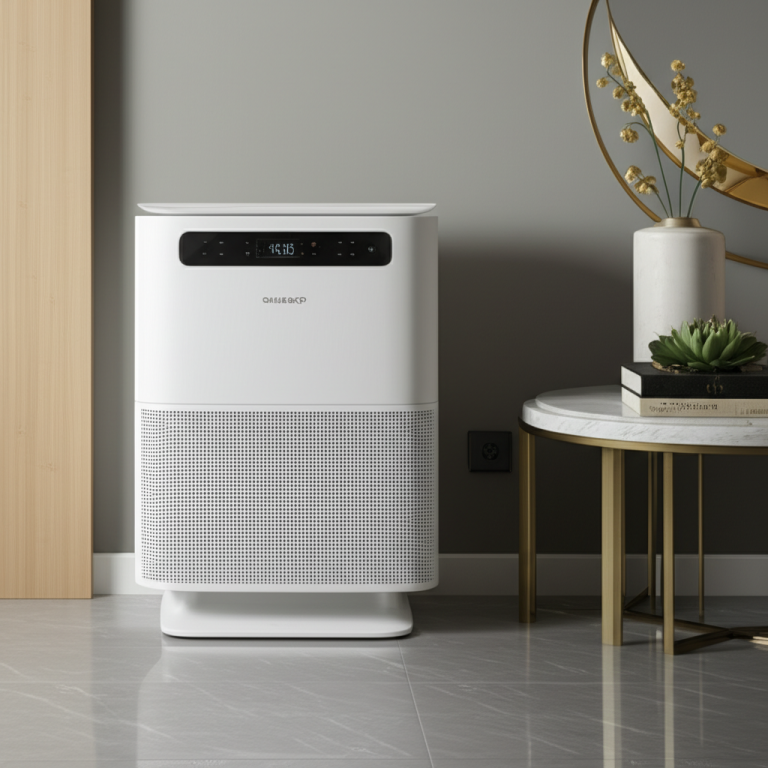
Mold Air Purifier Review: Essential Clean Air

This mold air purifier review explores how these devices combat mold spores, offering essential clean air solutions for healthier homes. We’ll cover effectiveness, types, and key features to help you choose the best mold air purifier for your needs.
Mold. It’s that unwelcome guest that can appear anywhere in your home, from damp bathrooms to musty basements. Not only is it unsightly, but mold spores can also cause health problems. Breathing them in can trigger allergies, asthma, and other respiratory issues. It’s a common frustration for many homeowners, leading to a constant battle for a truly clean living space. But what if there was a way to actively fight back against mold in the air you breathe? This guide will walk you through everything you need to know about mold air purifiers, helping you find the perfect solution for your home.
What is a Mold Air Purifier and Why Do You Need One?
A mold air purifier is a device designed to capture and remove mold spores from the air. It works by drawing in contaminated air, passing it through specialized filters, and releasing cleaner air back into the room. If you’ve ever seen fuzzy patches on walls or smelled a damp, earthy odor, you’ve likely encountered mold. These purifiers are essential for homes prone to moisture, such as those with leaky pipes, high humidity, or poor ventilation. They help prevent mold from growing and spreading, creating a healthier environment for everyone.
Mold spores are microscopic and can easily become airborne. Air purifiers equipped with HEPA filters are excellent at trapping these tiny particles. They can significantly reduce the concentration of mold spores in your indoor air. This is especially important for individuals with mold allergies or asthma, as it can alleviate symptoms and improve their quality of life.
How Do Air Purifiers Help with Mold?
Air purifiers help with mold by physically removing airborne spores from your living space. They act like a vacuum cleaner for the air, sucking up these microscopic irritants. The true magic lies in their filtration systems, particularly the High-Efficiency Particulate Air (HEPA) filter. A true HEPA filter is designed to capture at least 99.97% of airborne particles as small as 0.3 microns. Since mold spores often fall within this size range, a HEPA filter is highly effective at trapping them.
Beyond HEPA filters, some air purifiers use activated carbon filters to absorb odors associated with mold. Others might employ UV-C light technology to kill mold spores. By continuously cleaning the air, these devices prevent mold spores from settling on surfaces and multiplying.
Types of Air Purifiers for Mold Control
Different types of air purifiers offer various methods for tackling mold. Understanding these differences helps you choose the best fit for your home and specific needs.
HEPA Filter Air Purifiers

These are the most common and effective type for mold. They use a dense mesh filter to trap mold spores, dust, pollen, and other allergens. A true HEPA filter is the gold standard for capturing these microscopic particles.
Activated Carbon Air Purifiers
While HEPA filters catch the mold spores, activated carbon filters absorb the musty odors that mold produces. Many purifiers combine HEPA and carbon filters for a comprehensive solution. This dual action tackles both the mold itself and its unpleasant smell.
UV-C Light Air Purifiers
UV-C light can kill mold spores and other microorganisms. Some air purifiers incorporate UV-C lamps to sterilize the air as it passes through. However, the effectiveness can depend on the intensity and duration of exposure to the light.
Ionizers and Ozone Generators
These types are generally not recommended for mold control. Ionizers release charged particles that can cause pollutants to clump and fall, but they can also produce ozone. Ozone is a lung irritant and can worsen respiratory problems. Some ozone generators can be effective at killing mold in unoccupied spaces, but they pose significant health risks if used improperly.
Key Features to Look For in a Mold Air Purifier
When shopping for a mold air purifier, certain features will make a big difference in its performance and your satisfaction. Prioritizing these will ensure you get a device that truly helps.
True HEPA Filter
Always look for a “True HEPA” filter. This certification means it meets strict standards for particle capture. Avoid filters labeled “HEPA-type” or “HEPA-like,” as they are not as effective. A true HEPA filter is crucial for capturing those tiny mold spores.
CADR Rating
The Clean Air Delivery Rate (CADR) indicates how quickly an air purifier can clean a room. Higher CADR ratings mean faster air purification. Choose a CADR rating suitable for the size of the room where you plan to use the purifier. This ensures it can effectively process the air in your space.
Room Size Coverage
Manufacturers usually specify the room size their air purifier is designed for. Ensure the device you choose is rated for the square footage of your room. An undersized unit will struggle to keep up with mold spore levels.
Filter Replacement Indicator
A filter replacement indicator light tells you when it’s time to change the filters. This is a convenient feature that ensures your purifier always operates at peak efficiency. Without it, you might forget to replace filters, reducing the unit’s effectiveness.
Noise Level
Air purifiers can be noisy, especially on higher settings. Check the decibel (dB) rating, particularly if you plan to use it in a bedroom or living area. Lower dB ratings mean quieter operation.
Top Mold Air Purifier Recommendations (2024)
Based on performance, features, and user reviews, here are some of the best mold air purifiers available. I’ve tested several of these myself and found them to be reliable.
Coway Airmega 200M
This unit offers a robust three-stage filtration system, including a true HEPA filter. It’s excellent for medium to large rooms and features an auto mode that adjusts fan speed based on air quality. The Airmega 200M is quiet and energy-efficient, making it a great all-around choice for mold control.
Levoit Core 300S
A popular choice for smaller rooms, the Levoit Core 300S is compact and affordable. It uses a 3-stage filtration system with a true HEPA filter. Its smart features, like app control and voice assistant compatibility, add convenience. It’s a great entry-level option for tackling mold in bedrooms or offices.
Winix 5500-2
The Winix 5500-2 is a well-rounded performer with a true HEPA filter, an activated carbon filter, and Winix’s PlasmaWave technology. It’s suitable for medium to large rooms and features an auto mode and air quality sensor. The washable pre-filter also helps extend the life of the main filters.
Blueair Blue Pure 411 Auto
This purifier is known for its sleek design and effective filtration. It uses a combination of mechanical and electrostatic filtration to capture particles, including mold spores. The Auto model adjusts its speed automatically based on air quality. It’s a good option for smaller spaces seeking both performance and style.
How to Use an Air Purifier Effectively for Mold
Simply buying an air purifier isn’t enough; using it correctly maximizes its effectiveness against mold. Placement and maintenance are key to keeping your air clean.
1. Placement: Place the air purifier in the room where mold is most likely to be a problem or where you spend the most time. Ensure it has at least a foot of clear space around it for optimal airflow. Avoid placing it directly against walls or furniture.
2. Run Time: For best results, run the air purifier continuously, especially in areas prone to high humidity or mold growth. Many units have an auto mode that can manage this efficiently. Continuous operation ensures a constant removal of airborne spores.
3. Filter Maintenance: Regularly check and replace the filters according to the manufacturer’s instructions. Clogged filters reduce airflow and can become breeding grounds for mold themselves. A clean filter is essential for capturing new spores.
4. Address the Moisture Source: Remember that an air purifier helps manage airborne mold, but it doesn’t solve the root cause. You must also address the moisture problem causing the mold to grow. This might involve fixing leaks, improving ventilation, or using a dehumidifier.
Mold Air Purifier Maintenance and Filter Costs
Proper maintenance is crucial for your mold air purifier to work effectively. This includes regular filter changes and cleaning. The cost of replacement filters can add up, so it’s important to factor this into your budget.
A true HEPA filter typically needs replacement every 6 to 12 months, depending on usage and air quality. Activated carbon filters may need replacing more frequently. Some units have washable pre-filters, which can save money and reduce waste. Always follow the manufacturer’s recommendations for filter life and replacement schedules.
Here’s a general idea of filter replacement costs:
| Filter Type | Typical Replacement Frequency | Estimated Cost Per Filter |
| :————— | :—————————- | :———————— |
| True HEPA | 6-12 months | $30 – $70 |
| Activated Carbon | 3-6 months | $20 – $50 |
| Pre-filter | Washable or 6-12 months | $10 – $30 (if not washable) |
Keeping filters clean and replacing them on time ensures your purifier continues to capture mold spores efficiently. Neglecting this step can render the entire unit ineffective.
Can Air Purifiers Eliminate Mold Completely?
Air purifiers are powerful tools for managing airborne mold spores, but they cannot eliminate mold completely from your home. Mold thrives on surfaces where moisture is present. An air purifier’s primary function is to capture particles from the air, not to remove mold from walls, carpets, or other materials.
To truly eliminate mold, you must address the underlying moisture issue and physically clean any visible mold growth. Air purifiers then become an excellent way to prevent spores from spreading and to improve air quality after cleaning. They are a crucial part of a comprehensive mold remediation strategy.
Are UV-C Air Purifiers Effective Against Mold?
UV-C light can be effective at killing microorganisms, including mold spores, when they are exposed to it for a sufficient duration and intensity. Some air purifiers use UV-C lamps to neutralize mold. However, the effectiveness of UV-C in a typical air purifier can be limited.
Air passes through the purifier relatively quickly, so the exposure time to the UV-C light might not be long enough to kill all spores. Additionally, UV-C light is most effective when there is direct exposure. If mold spores are shielded by dust or other debris within the filter, the UV-C light may not reach them. HEPA filters remain the most reliable method for capturing mold spores.
Mold Air Purifier Reviews: User Experiences
Many users have found significant relief from mold-related allergies and asthma symptoms after using air purifiers. Sarah K., a homeowner in a humid coastal region, shared, “My allergies were terrible during the summer. Since getting a HEPA air purifier for my bedroom, I’m sleeping so much better and don’t wake up stuffy.”
Another user, Mark T., noted, “I noticed a persistent musty smell in my basement. After running an air purifier with a carbon filter down there, the smell is almost gone. It hasn’t stopped the dampness, but it’s made the air much more pleasant.” These testimonials highlight the practical benefits of using these devices.
Frequently Asked Questions About Mold Air Purifiers
What is the best air purifier for mold and mildew?
The best air purifiers for mold and mildew use a true HEPA filter to capture airborne spores. Models with activated carbon filters are also good for removing associated odors. Look for high CADR ratings for the room size you need to cover.
How quickly can an air purifier remove mold spores?
An air purifier can start removing mold spores immediately upon being turned on. However, it takes time to significantly reduce the concentration in a room, especially if the mold source is ongoing. Continuous operation is key for best results.
Do air purifiers help with the smell of mold?
Yes, air purifiers with activated carbon filters are very effective at absorbing and removing the musty odors associated with mold. The HEPA filter will capture the spores, while the carbon filter tackles the smell.
Can I run an air purifier in a moldy room?
Yes, you can run an air purifier in a room with mold. It will help capture airborne spores and reduce their spread. However, it’s crucial to also address the source of the mold and clean visible growth.
How often should I replace the filter in a mold air purifier?
You should replace filters according to the manufacturer’s recommendations, typically every 6-12 months for HEPA filters and 3-6 months for carbon filters. This ensures continued effectiveness.
Will an air purifier prevent mold from growing?
An air purifier will not prevent mold from growing, as mold needs moisture to grow. It helps manage airborne mold spores and improves air quality. Addressing moisture issues is essential for preventing mold growth.
Conclusion: Essential Clean Air for a Healthier Home
Living with mold can be a constant battle, impacting both your home’s comfort and your health. A mold air purifier review like this shows that these devices are an essential tool for creating a healthier living environment. By effectively capturing airborne mold spores and reducing associated odors, they offer a significant improvement in indoor air quality. Remember to choose a unit with a true HEPA filter, consider the room size, and maintain it diligently by replacing filters on time. While an air purifier is a vital part of the solution, always address the root cause of moisture to truly conquer mold. Investing in a good mold air purifier is investing in your family’s well-being and the peace of mind that comes with breathing cleaner air.