Levoit vs Philips Air Purifier: Essential Guide

When choosing between Levoit and Philips air purifiers, this guide compares key features like filtration, smart technology, and price to help you find the best fit for cleaner air at home. We break down their performance to make your decision easy.
Breathing cleaner air at home is important for your health. Many people wonder about the best way to achieve this. Two popular brands, Levoit and Philips, offer many air purifiers. Deciding between a Levoit vs Philips air purifier can feel overwhelming. This guide will help you understand the differences. We will look at their features, performance, and value. This will help you pick the perfect air purifier for your needs.
Levoit vs Philips Air Purifier: Which is Best for You?
Comparing a Levoit vs Philips air purifier involves looking at several factors. Both brands are well-respected for their air purification technology. Levoit often focuses on affordability and simplicity. Philips tends to offer more advanced features and robust designs. Understanding these core differences will guide your choice.
Understanding Air Purifier Technology
Air purifiers work by cleaning the air in a room. They use filters to trap tiny particles. These particles can include dust, pollen, pet dander, and smoke. Some purifiers also have activated carbon filters to remove odors and gases. This process helps people with allergies or asthma breathe easier.
Levoit Air Purifiers: Simplicity and Value
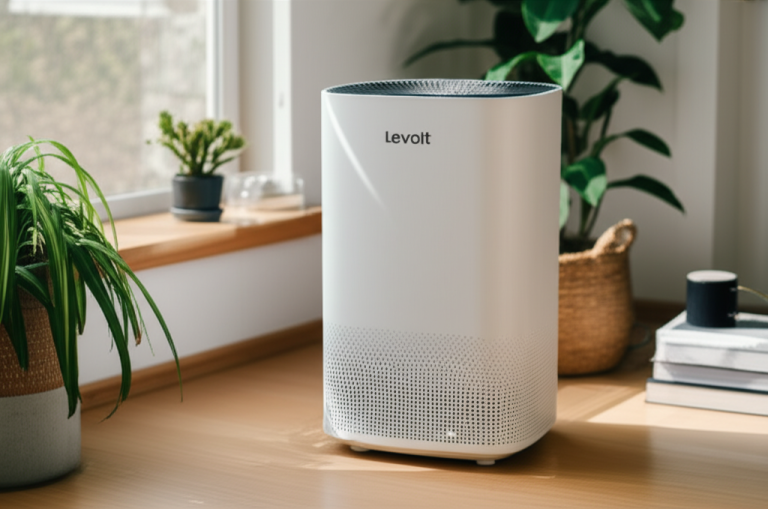
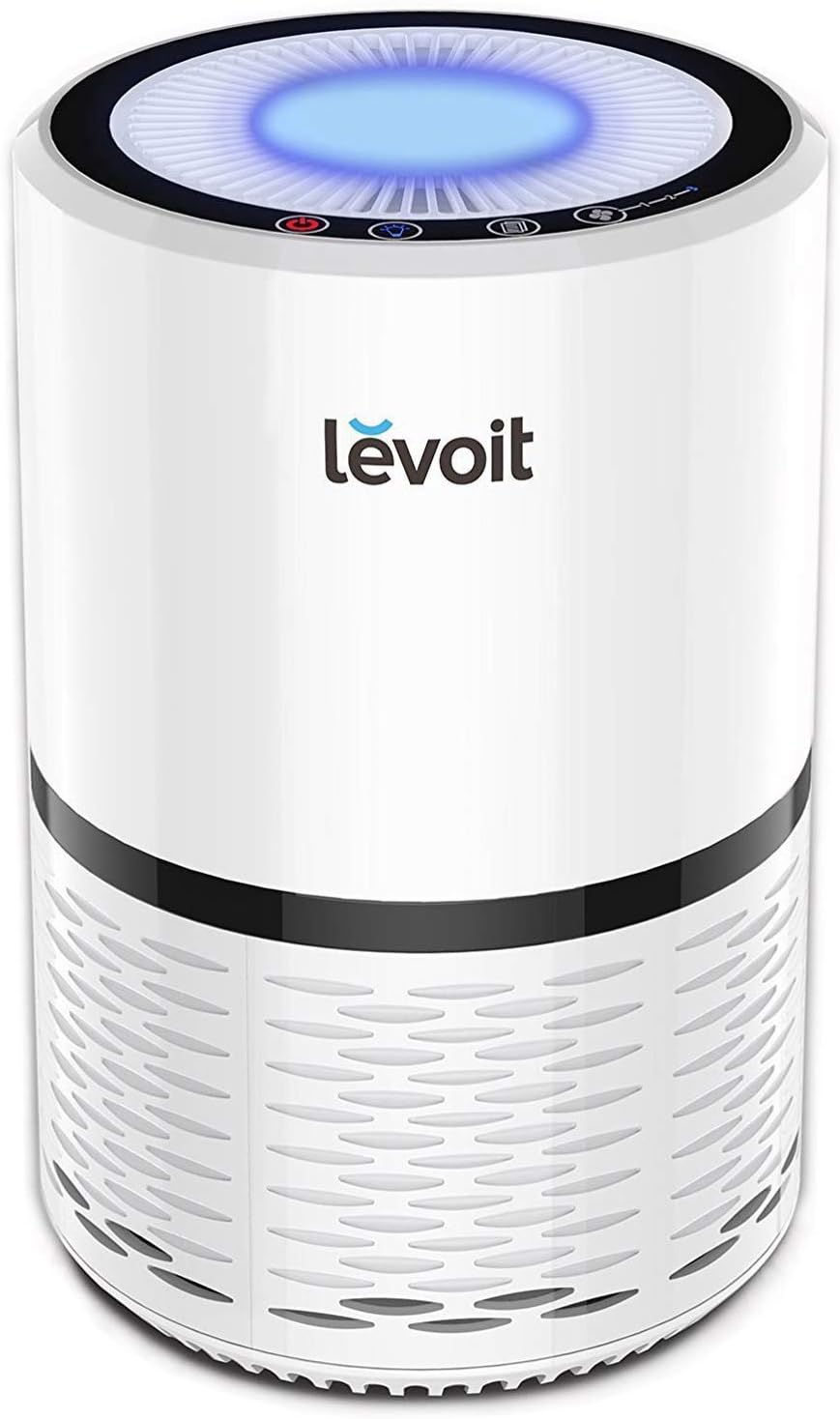
Levoit air purifiers are known for being user-friendly and budget-friendly. They often feature a straightforward design. Their main focus is effective air cleaning with HEPA filters. Many Levoit models are also compact and quiet. This makes them a good choice for bedrooms or small living spaces.
Levoit models typically use a three-stage filtration system. This includes a pre-filter, a True HEPA filter, and an activated carbon filter. This combination is very effective at capturing common airborne pollutants. They are a great entry-level option for improving indoor air quality without breaking the bank.
Philips Air Purifiers: Advanced Features and Performance
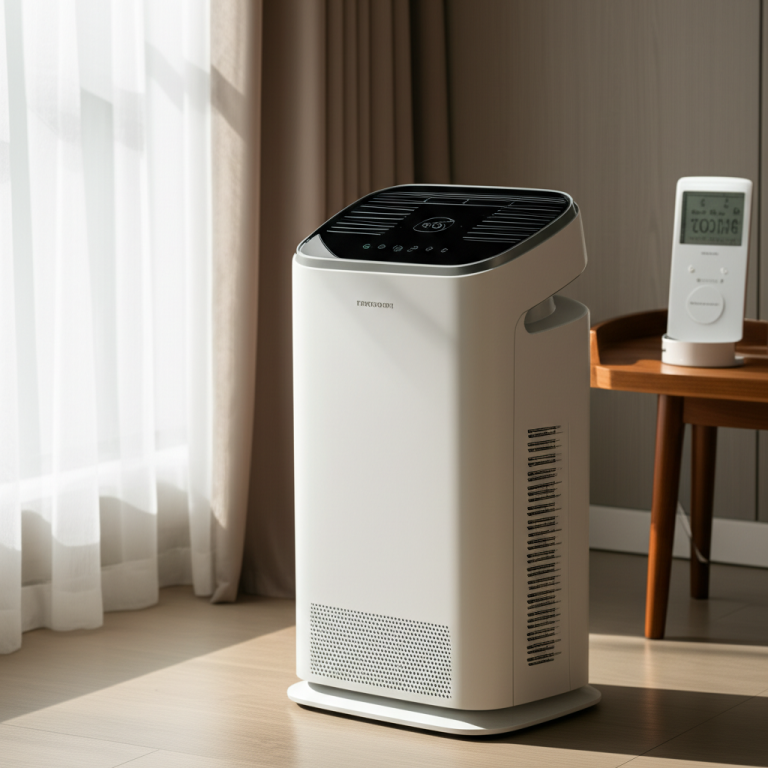
Philips air purifiers often come with more advanced technology. They are designed for high performance and cover larger areas. Philips models frequently include smart features. These can connect to apps for remote control and air quality monitoring. They are a good option for those who want detailed insights into their air.
Philips uses its VitaShield IPS technology. This system is designed to capture very fine particles. It often includes multiple filter layers for comprehensive purification. Some Philips units also have special modes for specific issues like allergens or bacteria. This makes them a strong contender for demanding environments.
Filtration Systems Compared
Both Levoit and Philips use multi-stage filtration. Levoit’s system is typically a pre-filter, True HEPA filter, and activated carbon filter. This is effective for most household pollutants. Philips often uses a similar layered approach but may incorporate additional technologies. These can include electrostatic filters or specialized coatings.
A True HEPA filter captures 99.97% of particles 0.3 microns in size. This is a standard for effective air purification. Both brands use this standard in their main filters. The difference often lies in the pre-filter and any additional layers Philips might include.
Smart Features and Connectivity
Smart features are becoming more common in air purifiers. Levoit offers some smart models. These can often be controlled via a smartphone app. You can adjust settings, check filter life, and monitor air quality remotely. Philips also offers a range of smart air purifiers. Their apps often provide more detailed air quality data.
Philips’ smart purifiers can connect to their Clean Home+ app. This app provides real-time air quality readings. It can also offer personalized recommendations. This level of detail can be very useful for health-conscious users. Levoit’s smart features are generally simpler but still offer convenience.
Coverage Area and CADR Ratings
The coverage area of an air purifier is important. It tells you how large a room the unit can effectively clean. This is often measured in square feet. The Clean Air Delivery Rate (CADR) is another key metric. It measures how quickly the purifier cleans the air. Higher CADR ratings mean faster cleaning.
Levoit offers models for various room sizes, from small bedrooms to larger living rooms. Their CADR ratings are competitive for their price point. Philips often has models designed for larger spaces. They may boast higher CADR ratings, making them suitable for more open-plan homes. Always check the specifications for the room size you need to cover.
Noise Levels
Noise is a significant factor, especially for bedroom use. Air purifiers have different fan speeds, which affect noise levels. Lower fan speeds are quieter, often around 20-30 decibels. Higher speeds can be more noticeable, sometimes up to 50-60 decibels.
Levoit is generally known for its quiet operation, especially on lower settings. Many users find their purifiers are barely audible. Philips models can vary. Some are very quiet, while others might be a bit louder on their highest settings. Check user reviews for specific model noise levels.
Price and Overall Value
Price is a major consideration for many buyers. Levoit air purifiers are often more affordable. They offer excellent value for their performance. This makes them a popular choice for budget-conscious consumers. You get effective air cleaning without a high cost.
Philips air purifiers can be more expensive. This is often due to their advanced features and robust build quality. They might offer a higher CADR or more sophisticated smart technology. The value proposition for Philips lies in their performance and advanced capabilities. Consider your budget and what features matter most to you.
Design and Aesthetics
Both brands offer a range of designs. Levoit often opts for a modern, minimalist look. Their units are usually white or black and blend easily into most decors. They tend to be compact and space-saving.
Philips units also have modern designs. They may be slightly larger to accommodate their advanced systems. Some Philips models have a more premium feel. They often feature sleek lines and intuitive control panels.
Key Differences Summarized
| Feature | Levoit Air Purifiers | Philips Air Purifiers |
| :—————- | :—————————————————- | :——————————————————— |
| Price | Generally more affordable | Can be more expensive |
| Features | Focus on core purification, some smart options | Advanced features, robust smart connectivity, detailed apps |
| Performance | Effective for most household needs | High performance, often for larger spaces or specific needs |
| Noise | Often very quiet, especially on low settings | Varies by model, can be louder on high settings |
| Target User | Budget-conscious, those seeking simplicity | Tech-savvy users, those needing advanced features/coverage |
| Filtration | True HEPA, activated carbon, pre-filter | VitaShield IPS, multi-layer filtration, advanced capture |
Which One Should You Choose?
Choosing between a Levoit vs Philips air purifier depends on your priorities. If you are on a budget and need reliable, simple air purification, Levoit is a great choice. Their models are effective and easy to use. They are perfect for bedrooms or smaller rooms where quiet operation is key.
If you want the latest technology, detailed air quality insights, and powerful performance for larger areas, Philips might be a better fit. Their smart features and advanced filtration offer a premium experience. Consider the Philips brand if you are willing to invest more for advanced capabilities.
Frequently Asked Questions (FAQ)
Q1: Which brand is better for allergies, Levoit or Philips?
Both brands offer excellent HEPA filtration, which is crucial for allergies. Philips might offer more advanced sensors and purification modes that can be beneficial for severe allergy sufferers.
Q2: Are Levoit air purifiers good for large rooms?
Levoit offers models suitable for various room sizes. Check the specific model’s CADR rating and recommended coverage area to ensure it fits your large room.
Q3: Do Philips air purifiers require expensive replacement filters?
Replacement filter costs are a factor for both brands. Philips filters can sometimes be more expensive due to their advanced technology. It’s wise to check the ongoing cost of filters before purchasing.
Q4: Which is quieter, Levoit or Philips?
Levoit is generally known for its quieter operation, especially on lower settings. However, noise levels vary by specific model for both brands.
Q5: Can I use an air purifier in my bedroom?
Yes, air purifiers are excellent for bedrooms. Look for models with a “sleep mode” or low noise levels, like many Levoit options, to ensure undisturbed rest.
Q6: What does “True HEPA” mean?
“True HEPA” means the filter can trap at least 99.97% of airborne particles 0.3 micrometers in diameter. This includes dust, pollen, mold spores, and pet dander. Both Levoit and Philips use True HEPA filters in their main stages.
Conclusion
In the Levoit vs Philips air purifier comparison, both brands deliver effective air cleaning. Levoit stands out for its affordability and user-friendly design, making it a fantastic option for everyday use and smaller spaces. Philips offers a more premium experience with advanced features and powerful performance, ideal for those seeking the latest technology or tackling specific air quality concerns in larger areas. Ultimately, the best choice between a Levoit vs Philips air purifier hinges on your personal needs, budget, and desired features for cleaner, healthier indoor air.