
Latest Air Purifier Technology: Essential Guide

The latest air purifier technology offers advanced solutions for cleaner indoor air, utilizing HEPA filters, activated carbon, UV-C light, and smart features to combat allergens, pollutants, and odors effectively.
You want to breathe cleaner air at home. It’s a common wish for many people. Indoor air can sometimes be dirtier than outdoor air. This can make breathing harder and cause other health issues. But don’t worry, there’s good news! We’ll explore the newest air purifier technology. This guide will help you understand what’s out there. We’ll make it simple so you can choose the best one for your needs.
What is the Latest Air Purifier Technology?
The latest air purifier technology represents the cutting edge in cleaning your indoor air. These systems use advanced filters and innovative methods to remove a wide range of airborne particles and gases. They are designed for maximum efficiency and ease of use. Understanding these advancements helps you make an informed choice for a healthier home environment.
The Evolution of Air Purification
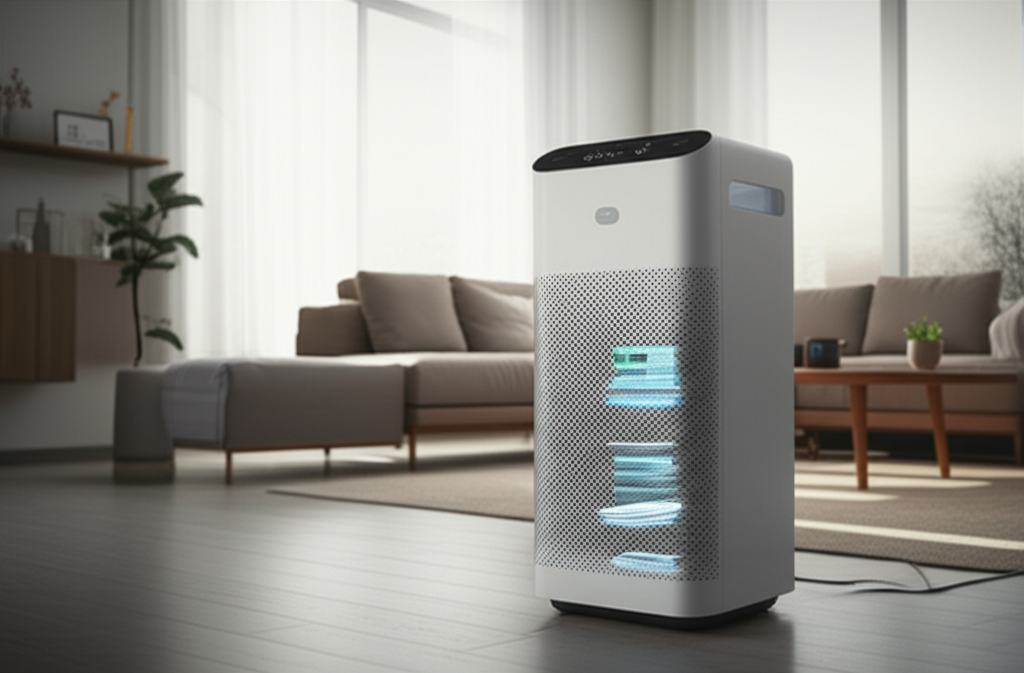
Air purifiers have come a long way. Early models focused mainly on filtering large particles. Today’s purifiers are much smarter. They tackle tiny pollutants, gases, and even germs. This progress is driven by a growing awareness of indoor air quality.
Why Indoor Air Quality Matters
Indoor air can contain pollutants like dust, pollen, pet dander, smoke, and VOCs (volatile organic compounds). These can trigger allergies and asthma. Poor air quality can also lead to headaches and fatigue. Improving your home’s air is key to better health.
Key Components of Modern Air Purifiers
Modern air purifiers use a combination of technologies. Each part plays a crucial role in capturing different types of pollutants. Knowing these components will help you understand how they work.
Advanced HEPA Filters: The Gold Standard
High-Efficiency Particulate Air (HEPA) filters are essential. They are designed to capture at least 99.97% of airborne particles. This includes dust, pollen, mold spores, and pet dander. Look for true HEPA filters for the best performance.
True HEPA filters trap particles as small as 0.3 microns. This is incredibly tiny. For example, a human hair is about 50 to 100 microns wide. These filters are a cornerstone of effective air purification.
Activated Carbon Filters: Tackling Odors and Gases
Activated carbon filters are excellent at absorbing odors and gases. They work by trapping chemical pollutants like smoke, cooking smells, and VOCs. These filters are often used alongside HEPA filters. They provide a more comprehensive clean.
The porous nature of activated carbon gives it a huge surface area. This allows it to adsorb many different types of molecules. It’s like a sponge for smells and harmful gases.
UV-C Light Technology: Neutralizing Germs
Some air purifiers include UV-C light. This technology uses ultraviolet light to kill airborne bacteria and viruses. It helps to disinfect the air as it passes through the purifier. UV-C light is a powerful tool against microorganisms.
It’s important that the UV-C light is properly contained. This ensures it only affects the air and is safe for people and pets. It adds an extra layer of protection against germs.
Ionizers and Other Technologies
Ionizers release negative ions into the air. These ions attach to airborne particles, making them heavier. This causes them to fall out of the air or stick to surfaces. Some purifiers also use photocatalytic oxidation (PCO). PCO uses UV light and a catalyst to break down pollutants.
While ionizers can be effective, some models produce ozone. Ozone can be harmful to respiratory health. Always check for ozone-free certifications.
Smart Features and Connectivity
Today’s air purifiers are increasingly connected and intelligent. They offer convenience and better control over your home’s air quality. These smart features make managing your environment easier.
App Control and Monitoring
Many new air purifiers connect to your smartphone. You can control settings, check filter life, and monitor air quality from an app. This allows for remote operation and real-time updates. You can adjust your purifier even when you’re not home.
These apps often provide detailed air quality reports. They show you what pollutants are being removed. This data helps you understand your home’s air better.
Automatic Mode and Air Quality Sensors
Smart air purifiers often have sensors. These sensors detect changes in air quality. They can automatically adjust the fan speed. This ensures your air is always being cleaned efficiently. The purifier works harder when pollution levels rise.
This automatic function saves energy and reduces noise. The purifier only runs at full power when needed. It’s a seamless way to maintain optimal air quality.
Voice Control Integration
Some advanced models integrate with voice assistants. You can use commands like “turn on the air purifier” or “set fan speed to high.” This offers hands-free convenience. It’s especially useful when your hands are full.
Voice control adds another layer of ease to using your air purifier. It fits perfectly into a smart home ecosystem.
Choosing the Right Air Purifier for Your Needs
Selecting the best air purifier depends on several factors. Consider the size of your room and your specific air quality concerns. These choices will guide you to the most effective model.
Room Size and CADR Ratings
Air purifiers are rated for specific room sizes. Check the Clean Air Delivery Rate (CADR) for each model. CADR indicates how quickly a purifier can clean the air. Higher CADR ratings mean faster purification.
Match the CADR to your room’s square footage. A purifier that’s too small won’t be effective. A purifier that’s too large might be overkill and noisy.
Specific Pollutants You Want to Target
Do you have allergies, asthma, or pets? Are you concerned about smoke or VOCs? Different purifiers excel at targeting different pollutants. HEPA filters are great for allergens. Activated carbon is better for odors and gases.
Consider your primary concerns. This will help you prioritize the technologies you need. Some purifiers offer specialized filters for specific issues.
Noise Levels and Energy Consumption
Air purifiers have different noise levels, especially at higher fan speeds. If you’re sensitive to noise, look for models with quiet modes. Energy consumption is also important for long-term costs. Energy Star certified models are more efficient.
Check the decibel (dB) ratings for noise. Lower numbers mean quieter operation. Efficient models save you money on electricity bills.
Filter Replacement Costs and Availability
Filters need to be replaced regularly. Factor in the cost of replacement filters. Also, ensure they are readily available. Some brands have proprietary filters that can be more expensive.
Research filter costs before you buy. This is an ongoing expense. Make sure you can easily find replacements for your chosen model.
The Latest Innovations in Air Purification
Manufacturers are constantly pushing the boundaries of air purification. New technologies aim to improve efficiency, effectiveness, and user experience. Staying updated on these innovations can lead to better choices.
Advanced Filtration Media
Beyond HEPA, new filter materials are emerging. Some use electrostatics to capture particles more effectively. Others incorporate antimicrobial coatings to prevent germ growth on the filter itself. These advancements aim to improve capture rates and filter lifespan.
These materials can make filters more efficient at trapping smaller particles. They also offer added benefits like germ resistance.
Smart Sensor Technology Enhancements
Sensors are becoming more sophisticated. They can now differentiate between various types of pollutants. This allows for more targeted air cleaning. Some sensors can even detect VOC levels with greater accuracy.
This detailed sensing means the purifier can respond precisely to specific air quality issues. It’s like having a personal air quality detective.
Energy-Efficient Motor Designs
New motor designs are making air purifiers quieter and more energy-efficient. Brushless DC motors, for example, consume less power and last longer. This reduces both your electricity bill and the environmental impact.
Quieter operation is a significant benefit for bedrooms and living spaces. Energy efficiency makes the purifier more sustainable.
Integrating Air Purifiers into Your Smart Home
Air purifiers can be a seamless part of your smart home setup. They can work with other devices to create a healthier living environment. This integration enhances convenience and automation.
Compatibility with Smart Home Hubs
Check if the air purifier is compatible with your existing smart home system. This includes platforms like Amazon Alexa, Google Assistant, or Apple HomeKit. Seamless integration allows for centralized control.
You can manage your air purifier alongside your lights and thermostat. This creates a unified smart home experience.
Automation Scenarios for Air Quality
Set up automated routines based on air quality. For example, your purifier could automatically turn on when air quality drops detected by another smart device. Or it could adjust settings based on the time of day or whether you are home.
These automations ensure optimal air quality without manual intervention. They keep your home healthy effortlessly.
Maintenance and Longevity of Air Purifiers
Proper maintenance is key to ensuring your air purifier works effectively for years. Regular cleaning and filter replacement are crucial. This keeps the unit running at its best.
Regular Cleaning Schedule
Dust the exterior of your air purifier regularly. You can also clean the pre-filter if your model has one. This prevents dust buildup that can impede airflow. Follow the manufacturer’s instructions for cleaning.
A clean exterior means the purifier can work more efficiently. It also looks better in your home.
Filter Replacement Guidelines
Always follow the manufacturer’s recommendations for filter replacement. This is usually indicated by the purifier’s lifespan indicator or app notifications. Using old filters can reduce effectiveness and even harm the unit.
Timely filter changes are essential for maintaining clean air. They ensure the HEPA and carbon filters can do their job.
Troubleshooting Common Issues
If your purifier is not working correctly, check the power connection and ensure all filters are properly seated. Consult the user manual for specific troubleshooting tips. Many common issues have simple solutions.
Don’t hesitate to contact customer support if you can’t resolve a problem. They can offer expert advice.
Frequently Asked Questions about Latest Air Purifier Technology
What is the most important feature in the latest air purifier technology?
The most important feature is usually a true HEPA filter combined with advanced sensors and smart connectivity for optimal performance and user control.
Are UV-C light air purifiers safe?
Yes, when designed properly, UV-C light air purifiers are safe. They contain the UV-C light to ensure it only affects the air and is not harmful to people or pets.
How often do I need to replace the filters in a new air purifier?
Filter replacement frequency varies by model and usage, but typically ranges from 6 to 12 months for HEPA and carbon filters. Always check your manufacturer’s guidelines.
Can air purifiers help with allergies and asthma?
Absolutely. Air purifiers with HEPA filters are highly effective at removing allergens like pollen, dust mites, and pet dander, which can significantly reduce allergy and asthma symptoms.
Do air purifiers use a lot of electricity?
Modern air purifiers, especially those with Energy Star certification, are designed to be energy-efficient. Their electricity usage is generally comparable to a standard light bulb.
What’s the difference between an ionizer and a HEPA filter?
A HEPA filter physically traps particles, while an ionizer releases charged particles that attach to pollutants, causing them to fall out of the air or stick to surfaces. Many purifiers use both.
Should I look for ozone-free air purifiers?
Yes, it’s highly recommended to choose ozone-free air purifiers. Ozone can be a lung irritant, and many advanced models are designed to avoid producing it altogether.
Conclusion: Breathe Easier with Advanced Air Purification
The latest air purifier technology offers sophisticated solutions for cleaner indoor air. From advanced HEPA and activated carbon filters to smart sensors and app control, these devices significantly improve your home’s air quality. By understanding these technologies and choosing a model suited to your needs, you can create a healthier, more comfortable living space. Invest in your well-being by embracing the power of modern air purification.
—
This article was researched and written by the Home Hygia team, experts in home health and wellness solutions. We aim to provide clear, actionable advice to help you create a healthier living environment.
