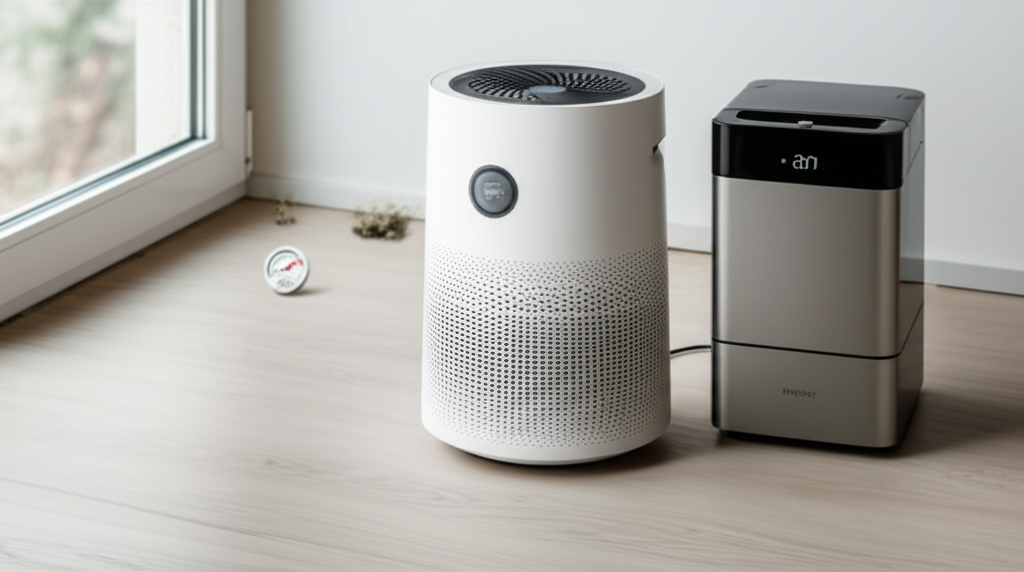
Is An Air Purifier Or Dehumidifier Better For Mold: Essential Guide

Is An Air Purifier Or Dehumidifier Better For Mold: Essential Guide
For mold issues, a dehumidifier is generally better than an air purifier. Dehumidifiers remove moisture, which mold needs to grow. Air purifiers can capture mold spores but don’t stop new growth. Combining both can offer the best protection against mold.
Mold can be a real nuisance in your home. It looks unpleasant, smells musty, and can even cause health problems. Many people wonder if an air purifier or a dehumidifier is the best tool to fight it. This can be a confusing question because both devices address different aspects of mold. I’m here to break down exactly what each machine does and which one you really need for mold control. Let’s get your home healthy again!
Understanding Mold and Its Needs
Mold is a type of fungus that thrives in damp environments. It needs moisture, a food source (like wood, drywall, or fabric), and the right temperature to grow. Without moisture, mold spores can remain dormant but won’t actively spread. Tackling the moisture is the most effective way to prevent and control mold.
What Does a Dehumidifier Do?
A dehumidifier works by pulling moisture from the air. It has a fan that draws in humid air. This air then passes over cold coils, causing water vapor to condense into liquid. The collected water is stored in a tank or drained away. This process lowers the humidity level in a room.
How a Dehumidifier Helps with Mold
By reducing the humidity in your home, a dehumidifier makes it a less hospitable environment for mold. Mold needs moisture levels above 50% to grow. Keeping humidity below this threshold can prevent mold from starting or spreading. This is a direct attack on mold’s essential needs.
What Does an Air Purifier Do?
An air purifier uses a fan to draw air through a filter. These filters, often HEPA filters, trap airborne particles. This includes dust, pollen, pet dander, and mold spores. The purified air is then released back into the room.
How an Air Purifier Helps with Mold
An air purifier can capture mold spores that are already floating in the air. This can improve air quality and reduce the number of allergens. However, it doesn’t remove the moisture that allows mold to grow. It’s like sweeping up fallen leaves but not fixing a leaky roof.
Air Purifier vs. Dehumidifier for Mold: The Core Difference
The main difference is how they tackle the problem. A dehumidifier removes the cause of mold growth (moisture). An air purifier deals with the symptoms (mold spores in the air). For mold prevention and control, addressing the cause is usually more effective.
When is an Air Purifier Better for Mold?
An air purifier is helpful when you already have mold and need to clean the air. It can reduce the spread of spores from an existing mold patch. It’s also good for people with mold allergies who want to breathe cleaner air. It’s a good secondary tool, not a primary solution.
When is a Dehumidifier Better for Mold?
A dehumidifier is far better if your goal is to prevent mold or stop its growth. If you live in a humid climate or have areas prone to moisture (like bathrooms or basements), a dehumidifier is crucial. It directly addresses the environmental conditions mold needs.
Can You Use Both an Air Purifier and a Dehumidifier?
Yes, using both can be the most effective strategy. The dehumidifier will prevent new mold growth by controlling moisture. The air purifier will capture any spores that are released or already present. This two-pronged approach offers comprehensive mold management.
Choosing the Right Dehumidifier
When selecting a dehumidifier for mold control, consider the size of the area you need to cover. Look for a unit with a humidistat that can automatically maintain your desired humidity level (below 50%). A larger tank capacity or a continuous drainage option is also convenient. You can find good options from brands like DampRid or Frigidaire.
Choosing the Right Air Purifier
For mold spores, an air purifier with a true HEPA filter is essential. These filters capture 99.97% of particles 0.3 microns in size. Check the CADR (Clean Air Delivery Rate) to ensure it’s suitable for your room size. Brands like Coway and Levoit offer effective models.
Table: Air Purifier vs. Dehumidifier for Mold
| Feature | Air Purifier | Dehumidifier |
| :————– | :—————————————– | :———————————————- |
| Primary Action | Filters airborne particles (like spores) | Removes moisture from the air |
| Mold Control | Captures existing spores | Prevents new growth by reducing humidity |
| Best For | Improving air quality, reducing allergens | Preventing mold, controlling dampness |
| Mechanism | Fan + Filter (HEPA) | Fan + Condensing coils |
| Effectiveness | Symptom relief | Addressing the root cause of mold growth |
Other Important Mold Prevention Tips
Beyond using appliances, other steps are vital. Fix any leaks promptly. Improve ventilation in bathrooms and kitchens. Use exhaust fans when cooking or showering. Clean up spills quickly. Ensure good airflow around furniture. These practices work hand-in-hand with your devices.
Frequently Asked Questions
Q1: Can an air purifier kill mold?
No, an air purifier cannot kill mold. It can only capture mold spores that are already in the air. It does not address the moisture that mold needs to grow.
Q2: How quickly can a dehumidifier remove mold?
A dehumidifier doesn’t directly remove mold. It removes moisture, which stops mold from growing. You’ll see a reduction in new mold growth over time as humidity drops.
Q3: Which is better for a damp basement: an air purifier or a dehumidifier?
A dehumidifier is much better for a damp basement. Basements are often prone to high humidity, which is the primary driver of mold growth.
Q4: Do I need both an air purifier and a dehumidifier if I have mold?
It’s highly recommended. The dehumidifier stops mold from growing, and the air purifier cleans up any existing spores. This provides the best protection.
Q5: What humidity level is best to prevent mold?
The ideal humidity level to prevent mold growth is between 30% and 50%. Dehumidifiers help maintain this range.
Q6: Can a dehumidifier cause mold to grow elsewhere?
No, a dehumidifier removes moisture. It does not create conditions for mold. If you see mold elsewhere, it’s likely due to another moisture source.
Conclusion
When it comes to fighting mold, is an air purifier or dehumidifier better for mold? A dehumidifier is your primary weapon. It tackles the root cause by removing moisture. An air purifier is a valuable supporting tool for cleaning the air of spores. For the best defense, I recommend using both. A dehumidifier to keep humidity low and prevent new growth, and an air purifier to catch any stray spores. This combination will help you breathe easier and keep your home healthier.