
Is Air Purifier Good For Dust? Essential Allergen Relief

Yes, an air purifier is good for dust, acting as a powerful tool to capture airborne dust particles and significantly reduce allergens in your home. It helps create cleaner, healthier air for everyone, especially those with allergies or respiratory issues.
Air purifiers are often talked about for their ability to fight germs and odors. But what about everyday dust? If you find yourself constantly dusting, or if dust triggers your allergies, you might wonder if an air purifier can truly help. I’ve looked into this extensively, and the answer is a resounding yes. An air purifier can be a game-changer for managing dust in your home, offering much-needed relief. Let’s explore how these devices work and why they are so effective against dust and the allergens it carries.
How Air Purifiers Tackle Dust
Air purifiers work by drawing in the air from a room. Inside the purifier, this air passes through a series of filters. These filters are designed to trap tiny particles. Dust is a major culprit in these particles. Think of an air purifier as a powerful vacuum for the air in your home. It doesn’t just move dust around; it captures it. This is crucial because dust isn’t just dirt; it often contains tiny bits of skin, fabric fibers, pet dander, and pollen, all of which can be allergens.
The Role of HEPA Filters
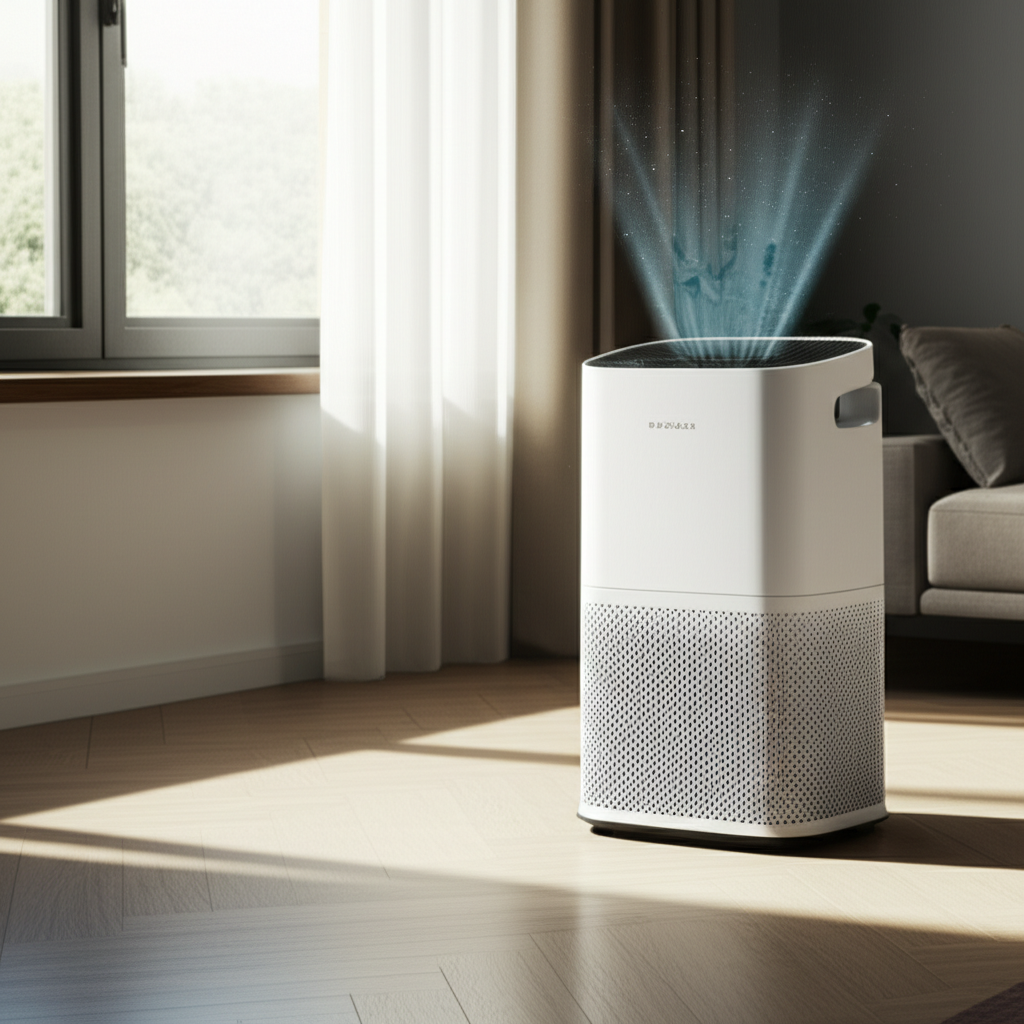
The most important filter in an air purifier for dust is the High-Efficiency Particulate Air (HEPA) filter. A true HEPA filter is designed to capture at least 99.97% of airborne particles that are 0.3 microns in size. Dust particles, even though they might seem large, are often made up of much smaller components. Many common dust components, like fine dust particles and allergens, are well within the capture range of HEPA filters. This makes them incredibly effective at removing dust from the air you breathe.
Pre-filters for Larger Dust Particles
Many air purifiers also include a pre-filter. This is usually a mesh screen that sits in front of the HEPA filter. Its job is to catch larger particles like visible dust bunnies, pet hair, and lint. By trapping these bigger pieces, the pre-filter protects the more sensitive HEPA filter. This allows the HEPA filter to focus on capturing the smaller, often more irritating dust particles. It also helps extend the life of the HEPA filter, saving you money in the long run.
Understanding Dust and Its Allergens
Dust is more than just unsightly; it’s a complex mixture. It includes skin cells, fabric fibers, pet dander, insect fragments, and microscopic particles from outside. These components can become carriers for allergens like pollen, mold spores, and dust mite droppings. For many people, these allergens are the real problem, causing sneezing, itchy eyes, and breathing difficulties. An air purifier directly addresses this by removing the dust that harbors these allergens.
Dust Mites and Their Impact
Dust mites are tiny creatures that live in our homes, feeding on dead skin cells. Their waste products are a common allergen. Dust mites thrive in warm, humid environments and are often found in bedding, carpets, and upholstery. While air purifiers don’t eliminate dust mites themselves, they can capture their waste particles, which are a significant source of allergens. Reducing the concentration of these tiny allergens in the air can dramatically improve allergy symptoms.
Pet Dander and Pollen Trapping
If you have pets, pet dander (tiny flakes of skin) is a major component of household dust and a common allergen. Similarly, pollen can easily be tracked into your home and become part of the dust. Air purifiers, especially those with HEPA filters, are highly effective at capturing these small, allergenic particles. By continuously filtering the air, they prevent these allergens from circulating and settling back onto surfaces.
Choosing the Right Air Purifier for Dust
When selecting an air purifier for dust, consider its coverage area and the type of filters it uses. The Clean Air Delivery Rate (CADR) is a key metric. It measures how quickly an air purifier can clean the air in a room. Look for a CADR rating that is suitable for the size of the room you intend to use it in. Higher CADR means faster and more effective dust removal.
Key Features to Look For
Beyond HEPA filters, other features can enhance dust control. Activated carbon filters, for instance, are excellent at absorbing odors that can come with dust. Some purifiers also have sensors that detect air quality and adjust fan speed automatically. This ensures your air purifier is always working efficiently to remove dust and other pollutants.
Where to Place Your Air Purifier
Placement is also important. For optimal dust removal, place your air purifier in the room where you spend the most time, such as the bedroom or living room. Ensure it has enough space around it for proper air intake and circulation. Avoid placing it directly against walls or furniture, as this can restrict airflow and reduce its effectiveness.
Air Purifiers vs. Other Dust Control Methods
While regular cleaning like vacuuming and dusting is essential, air purifiers offer a complementary solution. They tackle the airborne dust that cleaning might miss. Think of it this way: cleaning removes dust that has already settled. An air purifier prevents dust from settling in the first place by capturing it from the air.
The Synergy of Cleaning and Air Purification
Combining regular cleaning with an air purifier creates a powerful defense against dust and allergens. Vacuuming with a HEPA-filter vacuum cleaner helps capture settled dust. Running an air purifier continuously removes the dust particles that become airborne during cleaning and throughout the day. This dual approach offers the most comprehensive allergen relief.
Limitations to Consider
It’s important to understand that air purifiers are not a magic bullet. They cannot eliminate all dust. Dust settles on surfaces, and some particles are too large to be effectively captured by filters. Air purifiers also don’t remove dust mites themselves, only their allergenic waste. Consistent cleaning remains vital for a truly dust-free environment.
Air Purifier Maintenance for Dust Control
To ensure your air purifier remains effective against dust, regular maintenance is crucial. This primarily involves cleaning or replacing the filters. A clogged filter cannot effectively pull air through, significantly reducing the unit’s performance. Always follow the manufacturer’s recommendations for filter maintenance.
Filter Replacement Schedule
HEPA filters typically need to be replaced every 6 to 12 months, depending on usage and air quality. Pre-filters can often be washed or vacuumed. Activated carbon filters also have a limited lifespan and need replacing when they are no longer absorbing odors. Keeping track of these schedules ensures your purifier always performs at its best.
Cleaning Your Air Purifier
Besides filters, the exterior of your air purifier can also accumulate dust. Wipe it down regularly with a soft, dry cloth. Check the intake and exhaust vents for dust buildup and gently clean them. Proper maintenance not only keeps your air purifier working well but also extends its lifespan.
Real-World Impact: User Experiences
Many users report significant improvements in allergy symptoms after using air purifiers. Sarah, a resident of a city with high pollen counts, shares, “I used to wake up with a stuffy nose every morning. Since getting an air purifier with a HEPA filter, my sleep has improved so much. I still dust, but the air just feels cleaner.” This kind of feedback highlights the tangible benefits for allergy sufferers.
Another user, Mark, who has two cats, found his constant sneezing reduced. “I thought I just had to live with my allergies,” he says. “But the air purifier made a huge difference. It captures the cat dander and fine dust that used to make me miserable.” These personal accounts underscore the effectiveness of air purifiers in managing common household allergens.
Is an Air Purifier Worth It for Dust?
For individuals and families struggling with dust allergies, respiratory issues, or simply wanting cleaner indoor air, an air purifier is a worthwhile investment. The ability of HEPA filters to capture microscopic dust particles and allergens offers substantial relief. While it complements, not replaces, regular cleaning, its impact on airborne pollutants is undeniable.
Cost vs. Benefit Analysis
The cost of an air purifier varies, but the ongoing expense is primarily filter replacements. When weighed against the benefits of improved health, better sleep, and reduced allergy symptoms, many find the investment to be highly valuable. For those with severe allergies, the relief can be life-changing. The cost of continuous discomfort or medical expenses related to allergies can easily surpass the price of a good air purifier.
Long-Term Air Quality Improvement
An air purifier contributes to long-term indoor air quality improvement. By consistently removing dust, dander, pollen, and other allergens, it creates a healthier living environment over time. This is especially beneficial for children and the elderly, whose respiratory systems can be more sensitive to airborne irritants.
Frequently Asked Questions About Air Purifiers and Dust
Can an air purifier eliminate all dust in a room?
No, an air purifier cannot eliminate all dust. It effectively captures airborne dust particles. However, dust also settles on surfaces, which requires regular cleaning like dusting and vacuuming.
How often should I run my air purifier for dust?
For best results, run your air purifier continuously, especially in rooms where dust and allergens are a concern. Many units have auto modes that adjust fan speed based on air quality.
What is the most important filter for dust removal?
The most important filter for dust removal is the High-Efficiency Particulate Air (HEPA) filter. A true HEPA filter captures at least 99.97% of airborne particles 0.3 microns in size, including fine dust and allergens.
Will an air purifier help with dust mite allergies?
Yes, an air purifier can help with dust mite allergies. It captures the allergenic waste products of dust mites that become airborne, reducing your exposure to these allergens.
Do air purifiers make noise?
Air purifiers do make some noise, similar to a fan. The noise level depends on the fan speed and the unit’s design. Many models offer quiet or sleep modes for nighttime use.
How do I know if my air purifier is working for dust?
You can often tell if your air purifier is working by observing a reduction in visible dust settling on surfaces. Many purifiers also have air quality indicators that show improvements. Regularly checking and cleaning/replacing filters is also key.
Conclusion: A Breath of Fresh Air for Dust Sufferers
In conclusion, an air purifier is indeed very good for dust. It acts as a vital tool in your fight against airborne dust and the allergens it carries. By employing advanced filtration systems, especially HEPA filters, these devices capture fine dust particles, pet dander, pollen, and other irritants. This leads to significantly cleaner air and essential allergen relief for many. While it complements manual cleaning efforts, its continuous operation provides a level of air purification that dusting alone cannot achieve. Investing in a quality air purifier can dramatically improve your home’s air quality and your overall well-being. If dust is a constant concern, an air purifier offers a powerful solution for a healthier living space.
