Ionizer Air Purifier Reviews: Essential & Proven Guide

Looking for ionizer air purifier reviews? This guide helps you understand how they work, their benefits, and potential downsides. We compare top models to help you choose the best one for cleaner air at home.
Breathing clean air at home is important for your health. Sometimes, the air inside can be dirtier than outside. This can be frustrating when you want a healthy living space. Many people wonder if ionizer air purifiers are the right choice. This guide will give you all the information you need. We will look at how these purifiers work and what to consider. You’ll learn how to pick the best one for your needs.
What Are Ionizer Air Purifiers?
Ionizer air purifiers are devices that clean the air. They use a process called ionization. This process releases negative ions into the air. These ions attach to particles like dust, pollen, and smoke. This makes the particles heavier. They then fall to the ground or stick to surfaces. Some ionizers also have a collection plate to trap these particles.
How Do Ionizer Air Purifiers Work?
Ionizer air purifiers create negatively charged ions. These ions are released into the room. They then attract positively charged particles in the air. Think of it like tiny magnets. The ions stick to dust, mold spores, and other tiny things. This makes them clump together and become heavier.
Benefits of Using Ionizer Air Purifiers
Ionizer air purifiers can help reduce allergens. They can also remove odors and some airborne germs. Many people find they breathe easier. These purifiers can make your home feel fresher. They are often quiet and don’t use replacement filters, which can save money.
Potential Downsides and Concerns
One concern with ionizer air purifiers is ozone production. Some models can release small amounts of ozone. Ozone can irritate the lungs. It’s important to choose models that meet safety standards. Also, particles that fall to the ground still need to be cleaned. You will still need to vacuum and dust.
Key Features to Look for in Ionizer Air Purifier Reviews
When reading ionizer air purifier reviews, pay attention to certain features. Look for information on ozone output. Check if the device has a fan to circulate air. Consider the size of the room it can cover. Easy cleaning and maintenance are also important.
Ozone Output and Safety Standards
Look for ionizer air purifiers that are certified to produce very little or no ozone. Organizations like the California Air Resources Board (CARB) have strict standards. A CARB-certified ionizer air purifier is a good sign. This means it has been tested for safe ozone levels.
Coverage Area and Airflow
The coverage area tells you how large a room the ionizer can effectively clean. This is often measured in square feet. A higher Clean Air Delivery Rate (CADR) means it cleans air faster. Check the manufacturer’s recommendations for room size.
Maintenance and Filter Replacement
Some ionizer air purifiers don’t use filters. This means you don’t have to buy replacements. You might need to clean collection plates or ion emitters. Other models might have pre-filters that need washing. Always check the maintenance requirements. This can affect long-term costs.
Top Ionizer Air Purifier Brands and Models
Many brands offer ionizer air purifiers. Some well-known brands include Coway, Dyson, and Levoit. Each brand has different models with unique features. Reading reviews for specific models will help you see how they perform in real homes.
Comparing Popular Ionizer Air Purifiers
Here’s a quick look at some types of ionizer air purifiers you might find.
| Brand | Model Example | Key Features | Potential Drawbacks |
| :—– | :—————– | :———————————- | :——————————— |
| Coway | Airmega 200M | True HEPA, Activated Carbon Filter | Uses filters, higher cost |
| Dyson | Pure Cool TP04 | HEPA, Activated Carbon, Fan | Can be expensive, some noise |
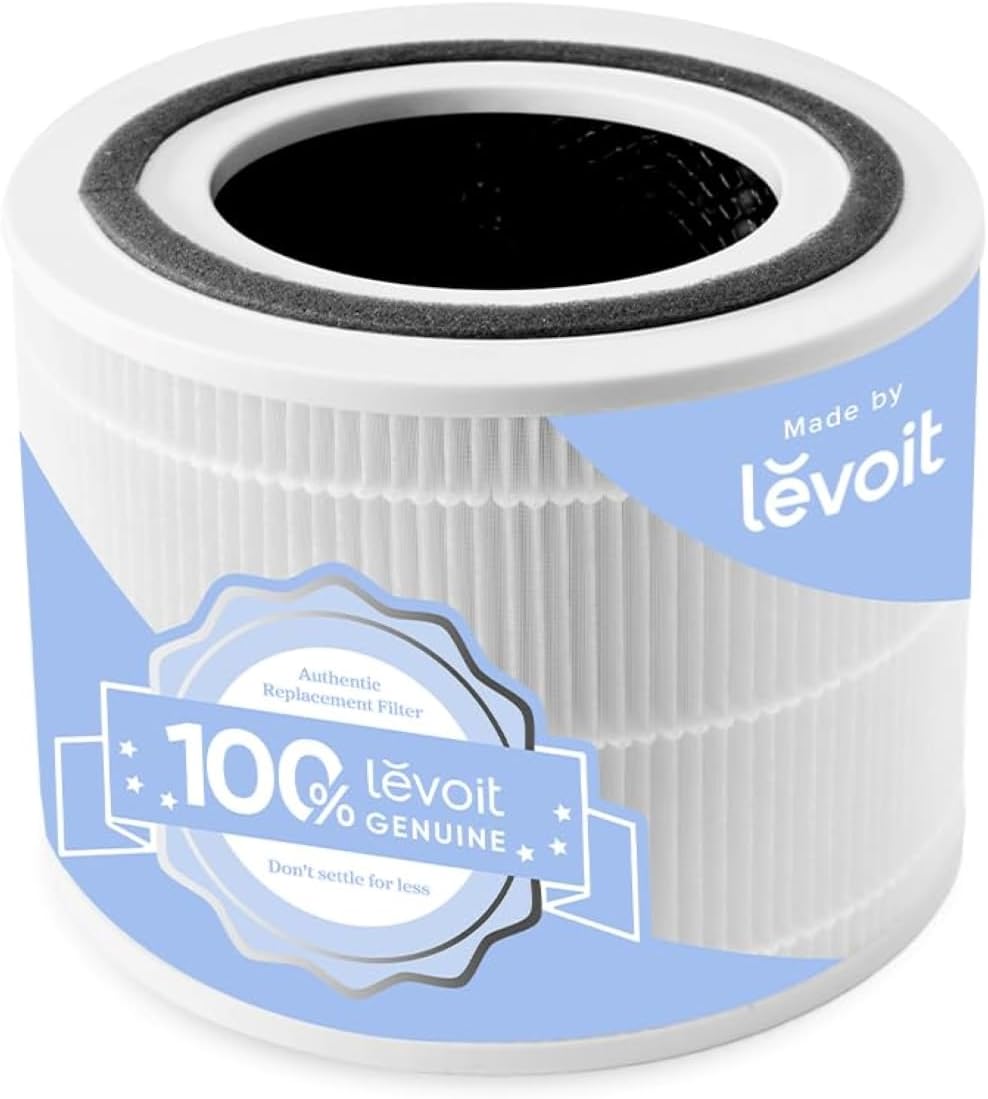
| Levoit | Core 300-ISR | True HEPA, Activated Carbon, Ionizer | Ionization can be turned off |
Note: Features and availability can change. Always check the latest product details.
User Experiences and Testimonials
Real user experiences are very valuable. Look for reviews that mention specific problems solved, like pet dander or smoke. Pay attention to comments about noise levels. Many users appreciate quiet operation, especially for bedrooms.
How to Choose the Right Ionizer Air Purifier for Your Home
To pick the best ionizer air purifier, consider your specific needs. Think about the size of the room you want to purify. Do you have allergies or pets? What is your budget? Answering these questions will guide your choice.
Assessing Your Air Quality Needs
If you have severe allergies, look for a purifier with a HEPA filter as well. This captures smaller particles. If odors are a big problem, a model with an activated carbon filter is best. For general air freshness, a basic ionizer might be enough.
Budget and Long-Term Costs
Ionizer air purifiers vary in price. Some are very affordable, while others are quite expensive. Remember to factor in any ongoing costs. This includes electricity usage and potential cleaning supplies. Models without filters can save money over time.
Considering Other Air Purification Technologies
Ionizers are not the only way to clean air. HEPA filters capture particles. Activated carbon filters remove odors and gases. Some purifiers use a combination of technologies. A multi-stage filtration system often provides the best overall air cleaning. The U.S. Environmental Protection Agency (EPA) offers guidance on air cleaning.
Frequently Asked Questions about Ionizer Air Purifiers
Q1: Do ionizer air purifiers really work?
Yes, ionizer air purifiers can work by making airborne particles clump together. These heavier particles then settle out of the air. They can help reduce dust, pollen, and smoke.
Q2: Are ionizer air purifiers safe for my pets?
Most modern ionizer air purifiers are safe for pets. However, some older or cheaper models might produce ozone. Ozone can be harmful to pets, especially birds. Always check for safety certifications like CARB.
Q3: How often do I need to clean an ionizer air purifier?
This depends on the model. Some require weekly cleaning of collection plates. Others might only need monthly attention. Always follow the manufacturer’s instructions for best results.
Q4: Can ionizer air purifiers cure allergies?
Ionizer air purifiers can help reduce allergens in the air. This may lessen allergy symptoms for some people. They are not a cure but can be a helpful tool.
Q5: What’s the difference between an ionizer and a HEPA filter?
An ionizer uses electrical charges to make particles heavier. A HEPA filter uses a dense mesh to physically trap particles. Many purifiers use both for better cleaning.
Conclusion
Choosing an ionizer air purifier involves understanding how they work and what to look for. By considering ozone safety, coverage area, and maintenance, you can find a great unit. Reading ionizer air purifier reviews from trusted sources and users is key. A good ionizer can make a noticeable difference in your home’s air quality. We hope this guide helps you make an informed decision for a healthier living space.