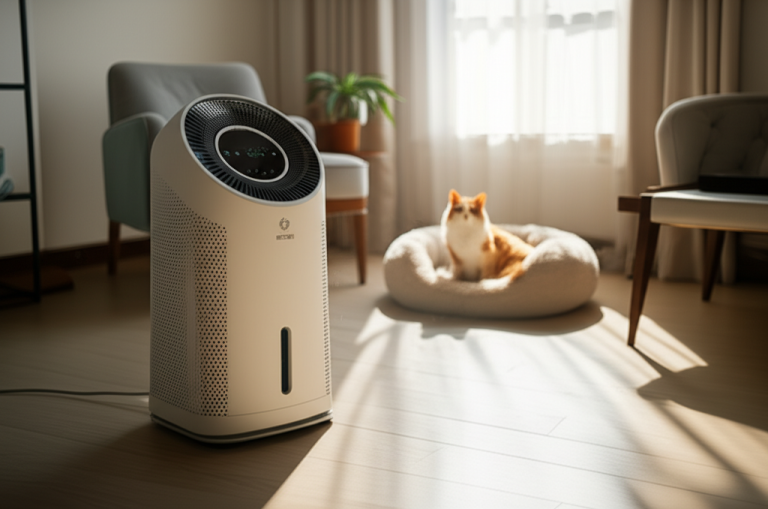
Ionic Air Purifiers With Automatic Fan Adjustment: Essential Genius

Ionic air purifiers with automatic fan adjustment offer smart, hands-free air cleaning. They sense air quality and adjust fan speed for optimal purification and energy savings, making them essential for a healthy home environment.
Breathing clean air at home is really important. But sometimes, the air inside can get dusty, smelly, or full of tiny particles we can’t see. This can make us feel tired or even sick. You might have tried air purifiers before, but they were too loud or didn’t seem to work very well. It’s frustrating when you want fresh air but your purifier is a bother. What if there was a smarter way? We’ll explore how ionic air purifiers with automatic fan adjustment can be the perfect, worry-free solution for your home. Get ready to learn about a truly essential piece of home technology.
What Are Ionic Air Purifiers with Automatic Fan Adjustment?
Ionic air purifiers with automatic fan adjustment are smart devices designed to clean your indoor air. They use a technology called ionization to release negative ions. These ions attach to airborne particles like dust, pollen, and smoke. This makes the particles heavier, so they fall to the floor or get trapped by a filter. The “automatic fan adjustment” part means the purifier can sense how clean or dirty your air is. It then changes its fan speed on its own. This ensures your air is always being cleaned effectively without you needing to do anything.
These advanced purifiers take the guesswork out of air purification. They work quietly and efficiently in the background. They ensure you always have fresh, healthy air to breathe.
How Does Ionization Work in Air Purifiers?
Ionization in air purifiers works by creating charged particles. The purifier has special electrodes that give off negative ions. These ions then float into the air. When they encounter tiny particles like dust, mold spores, or smoke, they stick to them. This process gives the particles an electrical charge.
Once charged, these particles tend to clump together. They also become attracted to surfaces like walls, furniture, or the purifier’s collection plate. This helps remove them from the air you breathe. It’s a bit like static cling, but for air pollutants.
The Magic of Automatic Fan Adjustment
The automatic fan adjustment is what makes these ionic air purifiers with automatic fan adjustment so brilliant. These purifiers have built-in sensors. These sensors constantly check the air quality around them. If the sensors detect a lot of pollutants, like when you’re cooking or if dust is stirred up, they tell the fan to speed up. This means the purifier works harder and faster to clean the air.
When the air quality improves, the sensors tell the fan to slow down. This saves energy and makes the purifier much quieter. It’s like having a smart assistant for your air.
This feature ensures your home environment is always optimal. It removes the need for manual adjustments.
Benefits of Automatic Fan Adjustment
The biggest benefit of automatic fan adjustment is convenience. You don’t have to remember to turn the purifier up or down. It does it all for you. This means you always have clean air without any effort. It also saves energy because the fan only runs at high speeds when needed. This can lower your electricity bill.
Another advantage is consistent air quality. The purifier adapts to changing conditions. It can handle sudden bursts of pollution. It also runs quietly during normal times. This makes for a more pleasant living space.
Key Features to Look For
When choosing an ionic air purifier with automatic fan adjustment, look for specific features. A good air quality sensor is crucial. It should be sensitive and accurate. Check for different fan speed settings, even though it’s automatic. This gives you options.
Consider the size of the room the purifier is for. The purifier’s coverage area should match your space. Also, look for a filter replacement indicator. This tells you when to change the filter. Some models also have smart features like Wi-Fi connectivity. You can control them with an app on your phone.
Comparing Ionic vs. Other Air Purifier Technologies
Ionic air purifiers are just one type of air cleaning technology. HEPA filters are very common and trap particles physically. Activated carbon filters are good at removing odors and gases. Other types include UV-C light purifiers, which kill germs.
Ionic purifiers are great for removing very fine particles. However, some older ionic models could produce ozone. Ozone is a lung irritant. Modern ionic air purifiers with automatic fan adjustment are designed to produce very little to no ozone. Always check for certifications like CARB (California Air Resources Board) approval. This ensures ozone levels are safe.
| Technology | How it Works | Pros | Cons |
| :—————— | :———————————————- | :——————————————- | :——————————————————- |
| Ionic | Releases ions to charge and collect particles. | Effective on fine particles, quiet operation. | Potential for ozone (ensure safety certified), needs filter cleaning. |
| HEPA Filter | Physically traps particles in a dense filter. | Highly effective on allergens, no ozone. | Filters need regular replacement, can be noisy at high speeds. |
| Activated Carbon | Absorbs odors, gases, and VOCs. | Excellent for smells and chemical fumes. | Does not remove particles, needs replacement. |
| UV-C Light | Uses ultraviolet light to kill germs and mold. | Kills airborne pathogens. | Not effective on particles or odors, needs bulb replacement. |
This table shows how different air purification methods work. It helps you see the strengths of each.
Where to Place Your Ionic Air Purifier
Proper placement is key for your ionic air purifier with automatic fan adjustment to work best. Place it in the room where you spend the most time. This could be your living room or bedroom. Keep it away from corners or tight spaces. This allows air to circulate freely around the unit.
Avoid placing it too close to walls or furniture. Obstructions can block airflow. Also, keep it away from sources of heavy pollution, like a stove or humidifier. This helps the sensors get an accurate reading of the room’s overall air quality.
Maintenance for Optimal Performance
Even smart purifiers need a little care. For ionic air purifiers with automatic fan adjustment, regular cleaning is important. If your model has a collection plate, you’ll need to wipe it down periodically. This removes the dust and particles that have gathered. Follow the manufacturer’s instructions for cleaning.
If your purifier has a pre-filter, clean that too. This catches larger dust particles. It protects the main components. If it has a HEPA or carbon filter, you’ll need to replace it. Look for the filter replacement indicator light. This tells you exactly when it’s time.
Are Ionic Air Purifiers Safe?
Safety is a top concern for many people. As mentioned, older ionic purifiers sometimes produced ozone. Ozone can irritate your lungs and make breathing difficult, especially for people with asthma. However, modern ionic air purifiers with automatic fan adjustment are designed with safety in mind. Many are certified by organizations like the California Air Resources Board (CARB). This means they meet strict limits for ozone emissions.
Always look for CARB certification or similar safety standards. This ensures the purifier is safe for use in your home. They also typically release very low levels of ions. This makes them safe for daily use.
Choosing the Right Model for Your Needs
Selecting the perfect ionic air purifier with automatic fan adjustment depends on your home. Consider the size of the room you need to purify. A small unit won’t be effective in a large living area. Check the CADR (Clean Air Delivery Rate) ratings. Higher CADR means faster air cleaning.
Think about your budget. Prices can vary widely. Also, consider noise levels. If you’re sensitive to sound, look for models that are very quiet on lower settings. Reading reviews from other users can also help you find a reliable model.
Frequently Asked Questions (FAQ)
How often do I need to clean an ionic air purifier?
You should clean the collection plate or ionizer components every 2-4 weeks. This depends on your home’s air quality and how often you use the purifier. Always check your model’s manual for specific cleaning advice.
Can ionic air purifiers help with allergies?
Yes, ionic air purifiers with automatic fan adjustment can help with allergies. They capture common allergens like dust, pollen, and pet dander. This can reduce symptoms for allergy sufferers.
Do these purifiers use a lot of electricity?
No, they are generally energy-efficient. The automatic fan adjustment means they only use more power when needed. When the air is clean, the fan slows down, saving energy.
How do I know if my ionic air purifier is working?
You can usually tell if it’s working by the sound of the fan. Also, the air in your home should feel fresher. Some models have indicator lights that show air quality levels. You might also notice less dust settling on surfaces.
What is the difference between an ionizer and a HEPA filter?
An ionizer releases charged particles to make pollutants fall out of the air. A HEPA filter physically traps particles in a dense mesh. Many purifiers use both technologies together for better cleaning.
Can I turn off the ionization feature if I’m worried about ozone?
Some models allow you to turn off the ionizer. However, the main benefit of an ionic purifier comes from its ionization. If you’re concerned about ozone, choose a CARB-certified model. These are proven to be safe.
Conclusion: Essential Genius for Your Home
In summary, ionic air purifiers with automatic fan adjustment represent a significant leap forward in home air care. They offer a smart, effortless way to ensure the air you breathe is clean and healthy. The automatic fan adjustment is the key feature. It provides optimal purification and energy efficiency without any user intervention. By understanding how they work and what to look for, you can choose a model that perfectly suits your needs. Investing in one of these essential devices means investing in your family’s well-being. Make the smart choice for cleaner air today.