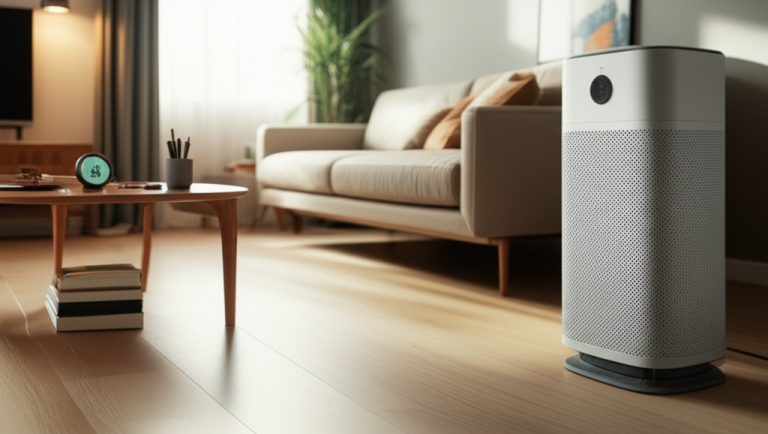
Ionic Air Purifiers For Fresh Air Indoors: Essential Clean

Ionic air purifiers for fresh air indoors offer essential clean by removing tiny particles like allergens and odors. They use electrical charges to make air cleaner, helping you breathe easier at home. This guide explains how they work and if they’re right for your space.
Do you ever feel like the air in your home is a bit… stale? Maybe dust seems to settle faster than you can wipe it. Or perhaps cooking smells linger longer than you’d like. Indoor air quality matters for our health and comfort. Thankfully, there are ways to make your home’s air fresher. One popular option is using ionic air purifiers. These devices work in a unique way to tackle tiny pollutants you can’t even see. I’ll guide you through what they are, how they function, and what to consider when choosing one for your home. Let’s explore how ionic air purifiers can bring essential clean air indoors.
What Are Ionic Air Purifiers and How Do They Work?
Ionic air purifiers, also called ionizers, are devices designed to clean the air in your home. They work by releasing negative ions into the air. These negative ions then attach themselves to positively charged particles like dust, pollen, mold spores, and smoke. This process makes the particles heavier. They then fall out of the air. Some purifiers have a collection plate to catch these particles. Others rely on them settling on surfaces. This method can effectively reduce airborne pollutants, contributing to a cleaner indoor environment.
These purifiers offer a silent way to improve air quality. They don’t use fans to move air, making them ideal for quiet spaces. Their compact size also allows for easy placement in various rooms. Understanding this core function is the first step to appreciating their benefits.
The Science Behind Ionization
The technology behind ionic air purifiers is based on basic physics. The purifier generates a high-voltage current. This current then passes through sharp electrodes. These electrodes emit negatively charged ions. These ions then float into the room and seek out airborne particles. Particles in the air, such as dust and dander, often carry a positive charge. When the negative ions from the purifier encounter these positive particles, they neutralize each other. This process causes the particles to clump together and become heavier.
This clumping effect makes the particles easier to remove from the air. They might fall to the floor or stick to nearby surfaces. This prevents them from being inhaled. It’s a simple yet effective way to reduce the number of tiny things floating around your living space.
Benefits of Using Ionic Air Purifiers for Fresh Air Indoors
Using ionic air purifiers can bring several advantages to your home. They are very effective at capturing very small particles. These are particles that other filters might miss. This includes allergens like pollen and pet dander. It also helps with smoke and cooking odors. Many users report a noticeable difference in air freshness. This can lead to fewer allergy symptoms and a more comfortable living environment. They are often energy-efficient and quiet. This makes them a good choice for bedrooms and offices.
The ability to tackle microscopic particles is a key benefit. It directly contributes to the goal of essential clean air indoors. This makes them a valuable addition to any home seeking better air quality.
Removing Allergens and Irritants
For people with allergies or asthma, ionic air purifiers can be a game-changer. They excel at trapping common indoor allergens. These include dust mites, pet dander, and pollen. By removing these from the air, they can significantly reduce allergy triggers. This can lead to fewer sneezes, less itchy eyes, and easier breathing. Cleaner air means a more comfortable home for everyone. It’s especially helpful during allergy seasons. The continuous removal of these irritants supports a healthier living space.
This targeted removal of allergens is a major reason why many choose this type of purifier. It directly addresses a common frustration for many households.
Odor Elimination Capabilities
Beyond dust and allergens, ionic air purifiers are also good at tackling unpleasant odors. Cooking smells, pet odors, and smoke can all be neutralized. The negative ions attach to odor-causing particles. This makes them heavier and fall out of the air. Some models may even break down odor molecules. This leaves your home smelling fresher. It’s a great way to keep your living space smelling pleasant. This feature makes them a popular choice for kitchens and areas where pets are present.
The ability to combat odors adds another layer of benefit. It contributes to a more enjoyable and fresh-smelling home environment.
Potential Downsides and Considerations
While ionic air purifiers offer great benefits, there are a few things to consider. A primary concern is the potential production of ozone. Ozone is a gas that can irritate the lungs. It can be harmful in high concentrations. It’s important to choose a purifier that is certified to produce very little or no ozone. Look for certifications from organizations like the California Air Resources Board (CARB). Also, these purifiers may not be as effective at removing larger particles like lint. Some models require regular cleaning of their collection plates. This can be a bit messy.
It’s crucial to be aware of these potential issues. This helps you make an informed decision for your home’s health and safety. Careful selection is key to enjoying the benefits without the drawbacks.
Ozone Production: A Key Concern
Some older or less advanced ionic air purifiers can produce ozone as a byproduct. Ozone is a lung irritant. It can worsen respiratory problems like asthma. Even small amounts can be harmful over time. Reputable manufacturers now design their purifiers to minimize or eliminate ozone production. Always check product specifications and certifications. Look for CARB-compliant models. These are tested to meet strict ozone emission limits. Prioritizing your health means selecting a unit that cleans your air safely.
Ensuring your purifier is ozone-free is paramount. It’s a non-negotiable factor for indoor air quality devices. Always verify this before purchasing.
Particle Collection and Maintenance
Ionic purifiers often work by making particles fall out of the air. These particles then settle on surfaces or are collected on a plate. This means you might notice more dust on furniture. If the purifier has a collection plate, it needs regular cleaning. This can involve wiping down metal plates. If not cleaned, the accumulated particles can reduce the purifier’s effectiveness. Some people find this maintenance task less convenient than changing a filter. The frequency of cleaning depends on the model and air quality. Keeping the collection plate clean is vital for optimal performance.
This cleaning routine is a small trade-off for cleaner air. It ensures the device continues to work its best. Plan for this simple upkeep to maximize your purifier’s benefits.
Choosing the Right Ionic Air Purifier: What to Look For
When selecting an ionic air purifier for fresh air indoors, several factors are important. First, prioritize models with low or no ozone production. Look for CARB certification. Check the coverage area. Ensure it’s suitable for the size of your room. Consider the noise level, especially for bedrooms. Some purifiers have multiple fan speeds. Ease of cleaning the collection plates is also a factor. Read user reviews to get real-world feedback. Compare features and prices to find the best fit for your needs and budget.
Making an informed choice ensures you get a device that effectively cleans your air. It also guarantees it meets safety standards for your home. This thoughtful approach leads to a healthier living space.
Key Features to Consider
When comparing models, look for specific features. CARB certification is essential for ozone safety. A good coverage area ensures it cleans your entire room. Adjustable fan speeds offer flexibility. Some units have an ionizer on/off switch. This allows you to turn off ionization if desired. A filter change indicator is helpful. It reminds you when to clean or replace parts. Consider the power consumption. Energy-efficient models save on electricity bills. A quiet operation mode is beneficial for sleeping areas. These features contribute to a better user experience and more effective air purification.
These features help you tailor the purifier’s function to your specific needs. They ensure optimal performance and convenience.
Coverage Area and Room Size
Every air purifier is rated for a specific room size. This is often measured in square feet. It’s crucial to match the purifier’s coverage area to your room. A purifier that is too small won’t effectively clean the air. One that is oversized might be more expensive than necessary. Check the CADR (Clean Air Delivery Rate) for a more precise measure. CADR indicates how quickly the purifier can clean the air. For ionic purifiers, ensure the stated coverage area is accurate. It should align with the device’s performance. Choosing the right size ensures efficient air cleaning for your space.
This ensures your investment provides the best possible air quality. It’s a fundamental step in selecting any air purification device.
Maintenance and Cleaning Requirements
Understand the maintenance involved before you buy. Most ionic purifiers have washable collection plates. These need to be cleaned regularly, perhaps every few weeks. Some might have pre-filters that also need cleaning. Others might incorporate HEPA filters or carbon filters. These filters typically need replacement every 6-12 months. Check the manufacturer’s recommendations for cleaning frequency. Easy-to-access and cleanable parts make upkeep simpler. A well-maintained purifier works more efficiently. It also lasts longer. Budget for replacement filters if your chosen model uses them.
Regular maintenance is key to sustained performance. It ensures your purifier continues to deliver fresh, clean air. Simple steps make a big difference in the long run.
Ionic Air Purifiers vs. Other Types
It’s helpful to compare ionic air purifiers with other common types. HEPA filter purifiers use a physical filter to trap particles. They are very effective and don’t produce ozone. However, filters need regular replacement, adding to ongoing costs. Activated carbon purifiers excel at removing odors and gases. They often work alongside HEPA filters. UV-C light purifiers use ultraviolet light to kill germs. They may not remove particles or odors effectively on their own. Ionic purifiers are known for being filter-free and quiet. They are great for small particles and odors. However, ozone production is a concern for some.
Each type has its strengths. Understanding these differences helps you pick the best solution for your home. Many homes benefit from a combination of technologies. For example, a HEPA filter combined with an ionizer can offer comprehensive air cleaning.
HEPA Filters: The Standard for Particle Capture
High-Efficiency Particulate Air (HEPA) filters are widely considered the gold standard for trapping airborne particles. They are physical barriers designed to capture at least 99.97% of particles 0.3 microns in size. This includes dust, pollen, pet dander, and mold spores. Unlike ionic purifiers, HEPA filters don’t produce ozone. However, they do require regular replacement, typically every 6 to 12 months. This adds an ongoing cost. The air is physically pushed through the filter media. This makes them effective but can also generate some noise. For pure particle removal, HEPA is hard to beat.
HEPA filters provide a reliable way to physically remove pollutants. They are a benchmark for air purification effectiveness. Many users opt for devices with HEPA filtration for peace of mind.
Activated Carbon: Tackling Odors and Gases
Activated carbon filters are excellent for removing smells and volatile organic compounds (VOCs). These are gases that can come from cleaning products, paints, and furniture. The carbon is treated to be highly porous. This creates a large surface area. Odor and gas molecules get trapped in these pores. Activated carbon purifiers are often used in conjunction with HEPA filters. This provides a two-pronged approach to air cleaning. They address both particles and invisible gases. These filters also need replacement periodically. Their lifespan depends on the level of gas and odor pollution in the air.
These filters are crucial for a truly fresh-smelling environment. They go beyond particle removal to improve the air’s overall quality. A good air purifier often includes this component for comprehensive cleaning.
Are Ionic Air Purifiers Safe for Your Home?
The safety of ionic air purifiers largely depends on the specific model. As mentioned, the primary concern is ozone production. Modern, reputable ionic air purifiers are designed to meet strict safety standards. They produce minimal to no ozone. The California Air Resources Board (CARB) has specific limits for ozone emissions. Devices that meet these standards are generally considered safe. Always look for CARB certification. It’s a strong indicator of safety. If you have respiratory sensitivities, consult your doctor. They can provide personalized advice. For most healthy individuals, a certified ozone-free ionic purifier is safe.
Prioritizing certified, low-ozone models is key. This ensures you benefit from cleaner air without introducing new health risks. Safety should always be the top priority when choosing any indoor appliance.
Understanding Ozone and Its Effects
Ozone (O3) is a gas made of three oxygen atoms. In the upper atmosphere, it protects us from the sun. However, at ground level, it’s a pollutant. It can irritate the lungs. Symptoms include coughing, throat irritation, and shortness of breath. It can also worsen asthma and other lung diseases. Even healthy people can experience breathing difficulties when exposed to ozone. This is why choosing an air purifier that doesn’t produce ozone is so important. The Environmental Protection Agency (EPA) advises against using air purifiers that intentionally produce ozone. They recommend air purifiers that meet strict ozone emission standards.
Being informed about ozone helps you make safer choices for your family. It underscores the importance of selecting certified devices.
Choosing CARB-Certified Models
The California Air Resources Board (CARB) sets stringent standards for air purifiers. These standards limit ozone emissions from both portable and whole-house air cleaning devices. When you see a CARB certification on an ionic air purifier, it means the product has been tested. It meets the requirements for ozone output. These requirements ensure the device does not release harmful levels of ozone into your home. Therefore, choosing a CARB-certified model is a crucial step. It significantly reduces the risk associated with ozone exposure. It assures you that the purifier is designed for safe indoor use. This certification provides peace of mind for health-conscious consumers.
This certification acts as a vital safety seal. It confirms the device meets crucial health and environmental standards. Always look for this mark when making your purchase.
Who Can Benefit Most from Ionic Air Purifiers?
Ionic air purifiers are particularly beneficial for certain groups. People with allergies and asthma often find relief. They help reduce airborne allergens like pollen, dust, and dander. Households with pets can benefit from odor and dander reduction. Those living in areas with high pollution or smoke can also see improvements. If you’re looking for a quiet air purifier, an ionizer is a good choice. They are often silent as they lack fans. They are also great for smaller spaces or bedrooms where noise is a concern. Anyone seeking an energy-efficient, filter-free option might also prefer them. They offer a unique approach to achieving fresh air indoors.
Their specific strengths make them ideal for particular needs. They can be a valuable tool for improving indoor air quality in targeted ways.
For Allergy Sufferers and Asthmatics
Individuals who struggle with allergies or asthma can greatly benefit from ionic air purifiers. These devices are adept at trapping microscopic particles. This includes common allergens such as pollen, dust mites, and pet dander. By reducing the concentration of these irritants in the air, they can lead to fewer allergy flare-ups. Asthmatics may find it easier to breathe in a home with cleaner air. The continuous removal of these triggers contributes to a more comfortable and healthy indoor environment. This can significantly improve the quality of life for sensitive individuals. It offers a consistent way to manage airborne triggers.
This direct impact on respiratory health is a primary reason many choose this technology. It offers tangible relief for common indoor air quality issues.
Pet Owners and Odor Concerns
Pet owners often face challenges with pet dander and odors. Ionic air purifiers can help tackle both. The negative ions attach to pet dander, making it fall out of the air and easier to clean up. They are also effective at neutralizing pet odors. This leaves your home smelling fresher and cleaner. If you have multiple pets or a strong pet smell, an ionizer can make a noticeable difference. It helps maintain a more pleasant living environment for everyone. This makes them a practical choice for homes with furry companions.
For pet owners, the dual action of particle capture and odor elimination is a significant advantage. It addresses common household issues effectively.
Frequently Asked Questions (FAQ)
Do ionic air purifiers really work?
Yes, ionic air purifiers work by releasing negative ions that attach to airborne particles. This makes them heavier and fall out of the air. They are effective at reducing dust, pollen, and smoke. However, ensure the model is CARB certified to avoid ozone issues. Their effectiveness depends on the specific model and room conditions.
Are ionic air purifiers safe for children and pets?
When choosing a CARB-certified model that produces minimal to no ozone, ionic air purifiers are generally safe for children and pets. Ozone is the main concern. Certified units are designed to operate within safe ozone limits. Always follow manufacturer instructions and ensure good ventilation.
How often do I need to clean an ionic air purifier?
The cleaning frequency depends on the model and your home’s air quality. Typically, collection plates need cleaning every 2-4 weeks. Some may have pre-filters that also require washing. Check the manufacturer’s manual for specific recommendations. Regular cleaning ensures optimal performance.
Can ionic air purifiers replace HEPA filters?
Ionic air purifiers and HEPA filters work differently. Ionic purifiers use static electricity to remove particles, while HEPA filters use a physical barrier. HEPA filters are generally more effective at capturing very small particles. Ionic purifiers are good for odors and don’t require filter replacement. Many people use both for comprehensive air cleaning.
What is the difference between an ionizer and an air purifier?
An ionizer is a type of air purifier that uses negative ions. It charges particles to make them fall out of the air. Other air purifiers use HEPA filters, activated carbon, or UV light. So, an ionizer is a specific technology within the broader category of air purifiers.
How do I know if my ionic air purifier is producing ozone?
It’s hard to detect ozone directly without specialized equipment. The best way to ensure your purifier isn’t producing harmful ozone is to buy a CARB-certified model. These are tested and certified to meet strict ozone emission limits. If you notice a strong, irritating smell or experience respiratory discomfort, stop using the device and check its certification.
Conclusion: Essential Clean Air Indoors with Ionic Technology
Ionic air purifiers offer a unique and often silent way to achieve essential clean air indoors. They excel at capturing tiny particles and neutralizing odors, making them a valuable tool for allergy sufferers, pet owners, and anyone seeking fresher air. When choosing an ionic air purifier for fresh air indoors, always prioritize safety. Look for CARB certification to ensure minimal to no ozone production. Understand the maintenance requirements, such as cleaning collection plates. While they have unique benefits, consider how they compare to HEPA and activated carbon options. By making an informed choice, you can effectively enhance your home’s air quality. Enjoy a healthier, more comfortable living space with the power of ionization.