
How Much Does a Good Air Purifier Cost? Essential Guide

A good air purifier can cost anywhere from $100 to $1,000 or more, depending on features, room size, and brand. This guide breaks down the pricing factors to help you find the best value for your budget and air quality needs.
Breathing cleaner air at home is becoming a priority for many, and an air purifier is a great way to achieve this. But when you start looking, the price tags can vary wildly, leaving you wondering, “How much does a good air purifier cost?” It’s a common question, and understandably so, as you want to invest wisely in your health and comfort. This guide will demystify air purifier pricing, helping you understand what influences the cost and how to find the perfect unit for your space without breaking the bank.
Understanding Air Purifier Price Tiers
Air purifiers generally fall into distinct price categories, each offering different levels of performance and features. Understanding these tiers helps set your expectations and budget accordingly.
The cost of an air purifier is heavily influenced by its intended use and the technology it employs. Basic models for small spaces are significantly cheaper than advanced units designed for large rooms or specific pollutants.
Budget-Friendly Options (Under $150)
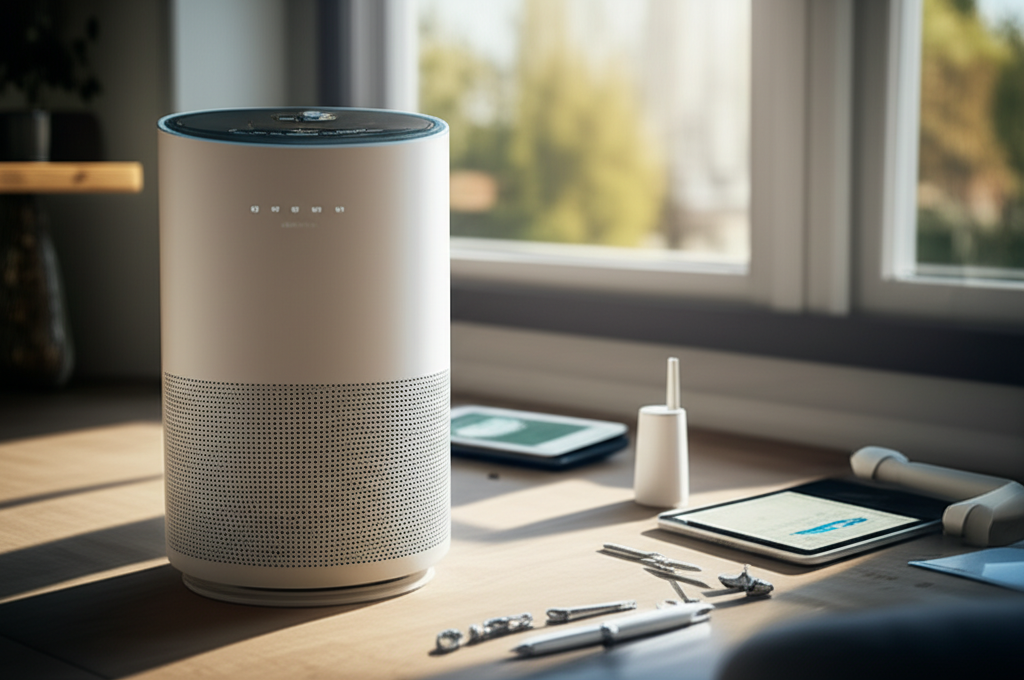
In this price range, you’ll find portable units, often designed for personal spaces like a desk or small bedroom. They typically use HEPA-type filters and are best suited for tackling general dust and mild allergens.
These purifiers are a good starting point for those new to air purification or with very limited budgets. While they offer some benefit, their coverage area and filtration efficiency might be lower than premium models.
Mid-Range Performers ($150 – $400)
This is where you’ll find the sweet spot for many households, offering a balance of effectiveness and affordability. These units often feature true HEPA filters, activated carbon for odor control, and are suitable for medium to large rooms.
Many popular brands offer excellent models in this range, providing robust performance against common allergens, pet dander, and smoke. They often include additional features like multiple fan speeds and filter replacement indicators.
Premium and High-Performance Units ($400+)
For those with significant air quality concerns, larger homes, or a desire for advanced features, this tier is the way to go. These purifiers boast larger coverage areas, more powerful motors, and sophisticated multi-stage filtration systems, including specialized filters for VOCs or ultra-fine particles.
These high-end models are also more likely to incorporate smart technology, such as app control, air quality sensors, and automatic adjustments. They represent a significant investment but offer superior performance and coverage for demanding environments.
Key Factors Influencing Air Purifier Cost
Several elements contribute to the final price tag of an air purifier. Recognizing these factors will help you justify the cost of different models and make an informed decision.
The technology used, the size of the unit, and its filtration capabilities are primary drivers of price. Brands also play a role, with established names often commanding higher prices.
Filtration Technology and Filter Quality
The type and quality of filters are paramount to an air purifier’s effectiveness and, consequently, its cost. True HEPA filters, which capture 99.97% of particles as small as 0.3 microns, are standard in good units and add to the price.
Pre-filters capture larger particles like hair, extending the life of the main filters. Activated carbon filters are crucial for removing odors and gases, and their density and quality impact cost. Advanced filters for specific pollutants like formaldehyde or ozone can also increase the price. According to the Environmental Protection Agency (EPA), HEPA filters are highly effective at removing airborne particles.
Room Size and Coverage Area (CADR)
The Clean Air Delivery Rate (CADR) is a crucial metric indicating how quickly an air purifier can clean a room. Higher CADR ratings mean more effective and faster air cleaning, which generally translates to a higher cost.
A purifier with a CADR of 200 for smoke, dust, and pollen is typically suited for rooms around 200-300 square feet. For larger spaces, you’ll need a unit with a higher CADR, which naturally comes with a higher price tag. Manufacturers usually specify the recommended room size for their units.
Brand Reputation and Features
Established brands with a long history of producing quality air purifiers often charge a premium for their name and proven reliability. These brands invest heavily in research, development, and customer support, which is reflected in their pricing.
Additional features like smart connectivity (Wi-Fi, app control), air quality sensors, timers, multiple fan speeds, and quiet operation modes can also add to the overall cost. While not essential for basic air cleaning, these conveniences enhance user experience and justify higher prices for some consumers.
Ongoing Costs: Filters and Energy Consumption
The initial purchase price isn’t the only expense associated with owning an air purifier. You’ll need to factor in the cost of replacement filters and electricity.
Replacement filters are a recurring cost that can significantly impact the total cost of ownership over time. Energy efficiency also plays a role in your monthly utility bills.
Replacement Filter Costs
Air purifiers require regular filter replacement to maintain their effectiveness. HEPA and activated carbon filters have a limited lifespan, typically ranging from 6 to 12 months, depending on usage and air quality.
The cost of replacement filters can range from $30 to $100 or more per set. Some brands offer filter subscription services, which can sometimes provide a small discount but commit you to regular purchases. Always check the cost and availability of replacement filters before buying a unit.
Energy Consumption
Most modern air purifiers are designed to be energy-efficient, especially when running on lower fan speeds. The energy consumption is usually measured in watts.
A typical air purifier might consume between 20 to 100 watts, depending on its size and fan speed. Running a unit 24/7 on a lower setting will add a modest amount to your electricity bill, usually a few dollars per month. Energy Star certified models are a good choice for minimizing power usage.
Air Purifier Pricing by Room Type
The ideal air purifier and its associated cost can vary depending on the room you intend to use it in. Different rooms have different air quality challenges and size requirements.
Consider the specific needs of each space when determining the appropriate size and features for your air purifier. This helps ensure you get the most effective solution for the investment.
For Bedrooms (Small to Medium Rooms)
In bedrooms, where you spend a significant amount of time sleeping, a quiet and effective air purifier is ideal. For rooms up to 300 square feet, mid-range models with true HEPA filters are often sufficient.
You can expect to spend between $100 and $300 for a good bedroom air purifier. Look for units with a low noise level setting, often referred to as a “sleep mode,” to avoid disturbances.
For Living Rooms and Larger Spaces
Larger living areas or open-plan homes require more powerful air purifiers with higher CADR ratings. These units need to circulate and clean air more effectively across a wider area.
Prices for purifiers suitable for rooms of 500 square feet or more can range from $250 to $600+. These models will have stronger fans and larger filter capacities to handle the increased air volume.
For Offices or Nurseries
Small, dedicated spaces like home offices or nurseries might benefit from compact, yet effective, air purifiers. These units focus on localized air cleaning.
Budget-friendly to mid-range options, typically costing $80 to $200, are often suitable. Prioritize models that are quiet and can effectively tackle common indoor pollutants like dust and VOCs from furniture.
Popular Air Purifier Brands and Their Price Ranges
The air purifier market features a range of brands, from budget-friendly options to premium manufacturers. Each offers different value propositions in terms of price, features, and performance.
When considering “how much does a good air purifier cost,” it’s helpful to know what some reputable brands typically charge. This can provide a benchmark for your research.
| Brand | Typical Price Range (USD) | Key Features |
| :—————- | :———————— | :———————————————- |
| Levoit | $80 – $250 | True HEPA, activated carbon, smart models |
| Coway | $150 – $400 | HEPA, carbon, air quality sensors, sleek design |
| Blueair | $150 – $600+ | HEPASilent technology, high CADR, modern design |
| Winix | $100 – $300 | True HEPA, PlasmaWave, odor control |
| Philips | $200 – $500+ | Multi-layer filtration, advanced sensors, app control |
| Dyson | $400 – $700+ | HEPA, activated carbon, fan/heater functions, premium design |
This table provides a general overview; specific models within each brand can vary significantly in price. For instance, a basic Levoit model might be under $100, while their advanced smart purifiers can exceed $250.
When to Invest in a More Expensive Air Purifier
Sometimes, the higher price tag reflects genuine benefits that are worth the investment. Understanding when to splurge can lead to better long-term satisfaction and air quality.
If you have specific health concerns or live in an area with high pollution levels, a premium unit might be necessary. The advanced features and superior performance can offer significant advantages.
For Allergy and Asthma Sufferers
Individuals with severe allergies or asthma often benefit most from high-performance air purifiers. These units excel at capturing microscopic allergens like pollen, dust mites, pet dander, and mold spores.
Investing in a unit with a robust true HEPA filter and a high CADR rating can significantly improve respiratory health. Models with activated carbon filters are also beneficial for reducing airborne irritants. The Asthma and Allergy Foundation of America recommends specific features for air purifiers.
Dealing with Pet Dander and Odors
Pet owners often face challenges with dander and persistent odors. Air purifiers equipped with effective pre-filters to catch hair and dense activated carbon filters are essential.
Higher-end models often offer superior odor elimination capabilities. These units can make a noticeable difference in maintaining a fresh-smelling home environment free from pet-related allergens.
High-Pollution Environments
Living in urban areas or near industrial zones can expose you to higher levels of outdoor pollutants that infiltrate your home. Air purifiers with advanced multi-stage filtration are designed to tackle these microscopic particles and gases.
Units with specialized filters for VOCs (Volatile Organic Compounds) and particulate matter can provide a much cleaner indoor environment. These purifiers are typically more expensive due to their advanced technology and robust construction.
Finding Value: How Much Does a Good Air Purifier Cost?
Defining “good” is subjective, but generally, a good air purifier effectively addresses your specific needs at a reasonable price, considering both the upfront and ongoing costs. It balances performance, features, and affordability.
A “good” air purifier should have a true HEPA filter, be appropriately sized for your room, and have a reasonable CADR rating. The ongoing cost of replacement filters should also be manageable.
The sweet spot for many consumers seeking a good air purifier lies in the $150 to $400 range. This tier offers excellent performance for common household pollutants and allergens without the premium price of high-end models. However, if you have severe allergies or live in a highly polluted area, investing more might be necessary for optimal results.
Conclusion: Investing in Your Health
So, how much does a good air purifier cost? It’s an investment that ranges from a couple of hundred dollars for basic needs to upwards of $600 for comprehensive solutions. The key is to match the purifier’s capabilities to your specific air quality concerns and room size.
Prioritize true HEPA filtration, consider the CADR, and factor in the long-term costs of filter replacements. By understanding these elements, you can confidently choose an air purifier that delivers cleaner air and peace of mind for years to come.
Frequently Asked Questions (FAQ)
What is the average lifespan of an air purifier?
Most air purifiers are built to last for several years, often between 5 to 10 years, with proper maintenance. The lifespan depends on the quality of the unit, how often it’s used, and whether the filters are replaced regularly.
Do air purifiers really make a difference?
Yes, air purifiers can make a significant difference in indoor air quality. They effectively remove pollutants like dust, pollen, pet dander, mold spores, and smoke, which can alleviate allergy symptoms and improve overall respiratory health.
How often should I run my air purifier?
For optimal results, it’s generally recommended to run your air purifier continuously, especially in bedrooms or living areas where you spend the most time. Running it on a lower setting when you’re not actively present can help maintain air quality without excessive energy use.
Can air purifiers remove viruses and bacteria?
While HEPA filters are highly effective at capturing airborne particles, including some bacteria and larger viruses, they are not typically designed as medical-grade sterilizers. Some units may have additional UV-C light features intended to kill germs, but their effectiveness can vary.
What is the difference between HEPA and HEPA-type filters?
True HEPA filters are certified to remove at least 99.97% of airborne particles 0.3 microns in size. HEPA-type or HEPA-like filters may capture a high percentage of particles but do not meet the stringent HEPA standard, making them less effective. Always look for “True HEPA.”
How do I know which air purifier is best for my home?
Consider the size of the room you need to purify, the specific pollutants you want to target (allergens, odors, smoke), and your budget for both the initial purchase and ongoing filter replacements. Checking CADR ratings and reading reviews can also guide your decision.
Is it worth buying an air purifier with a carbon filter?
Yes, an activated carbon filter is highly recommended if you want to address odors, smoke, and volatile organic compounds (VOCs) in your home. While HEPA filters capture particles, carbon filters adsorb gases and smells, providing a more comprehensive air purification solution.
