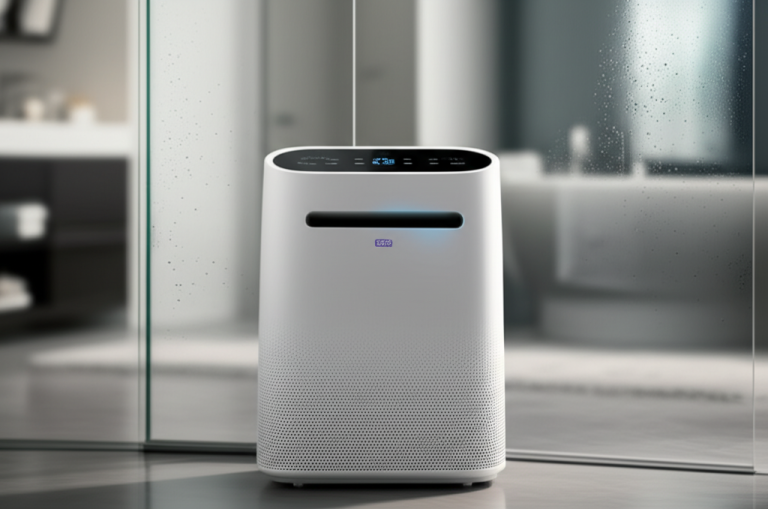
Difference Between Air Purifier & Ozone Generator: Essential Guide

Understanding the difference between an air purifier and an ozone generator is crucial for creating a healthy indoor environment. While both affect air quality, they do so in fundamentally different ways, with one offering safe, continuous purification and the other posing potential health risks if misused.
We all want to breathe easy in our homes, but the world of air treatment devices can be confusing. You might have heard about air purifiers and ozone generators and wondered if they do the same thing. It’s a common question, and understanding the distinction is vital for your health and the air you breathe every day. I’m here to break down the difference between air purifier and ozone generator in a way that’s easy to grasp, helping you make the best choice for your home. Let’s dive in and clarify what each device does and when, or if, you should use them.
What Exactly is an Air Purifier?
An air purifier is a device designed to remove pollutants from the air in a room. It typically uses a fan to draw in air and pass it through a series of filters. These filters trap various airborne particles like dust, pollen, pet dander, mold spores, and even some bacteria and viruses.
This process ensures the air that is released back into your living space is cleaner and healthier. The primary goal of an air purifier is to improve indoor air quality by physically capturing contaminants. They are generally safe for continuous use in occupied spaces.
What is an Ozone Generator?
An ozone generator, on the other hand, produces ozone (O3) gas. Ozone is a molecule made of three oxygen atoms. While ozone in the upper atmosphere protects us from UV radiation, ground-level ozone is a harmful air pollutant.
These generators intentionally release ozone into the air, aiming to neutralize odors and kill microorganisms. However, this method comes with significant health warnings and is not recommended for use when people or pets are present. The difference between air purifier and ozone generator lies heavily in their operating principles and safety.
How Air Purifiers Clean Your Air
Air purifiers work through several common filtration methods. The most prevalent is the High-Efficiency Particulate Air (HEPA) filter, which captures at least 99.97% of particles 0.3 microns in size. Other technologies include activated carbon filters for odor and gas removal, and UV-C light for germicidal purposes.
Some advanced purifiers also incorporate ionizers, which release negatively charged ions to make particles clump together and fall out of the air. While effective at particle removal, it’s important to ensure ionizers don’t produce significant amounts of ozone, which can be a byproduct. This mechanical and physical trapping is a key difference between air purifier and ozone generator.
The Mechanism of Ozone Generators
Ozone generators create ozone through two primary methods: corona discharge or UV light. Corona discharge mimics lightning, breaking apart oxygen molecules (O2) so they can recombine into ozone (O3). UV light generators use a specific wavelength of UV light to split oxygen molecules.
The ozone produced then reacts chemically with pollutants, such as odors and volatile organic compounds (VOCs), breaking them down. This chemical reaction is what allows ozone generators to address smells that filters might not capture. However, this reactivity is also what makes ozone potentially harmful to respiratory systems.
Key Differences in Functionality
The most significant difference between air purifier and ozone generator is their primary function and method of operation. Air purifiers physically remove particles from the air using filters, offering continuous, safe purification. Ozone generators chemically alter airborne substances by releasing a reactive gas, which is not safe for occupied spaces.
Think of an air purifier like a vacuum cleaner for your air, sucking up dust and allergens. An ozone generator is more like a strong chemical cleaner that reacts with the air, which requires careful ventilation afterward. This distinction is crucial for understanding their respective roles in air quality management.
Health Implications: A Critical Distinction
Breathing in ozone can irritate your lungs, leading to coughing, shortness of breath, and throat irritation. It can also worsen conditions like asthma and emphysema. The U.S. Environmental Protection Agency (EPA) strongly advises against using ozone generators in occupied spaces due to these health risks.
Air purifiers, particularly those with HEPA filters and without significant ozone production, are generally considered safe for continuous use. They actively improve air quality without introducing harmful byproducts into your breathing environment. This safety aspect is a paramount difference between air purifier and ozone generator. According to the EPA, even at low levels, ozone can be harmful to human health.
When and Where to Use Each Device
Air purifiers are designed for everyday use in homes, offices, and other occupied indoor spaces to combat common allergens and pollutants. They provide a consistent improvement in air quality. For example, if you have allergies or pets, a well-chosen air purifier can make a significant difference in your daily comfort.
Ozone generators, if used at all, should only be operated in unoccupied spaces. They are sometimes employed by professionals for severe odor remediation, like after a fire or flood, followed by extensive ventilation. After such use, the area must be aired out thoroughly before re-entry. This limited and specialized application highlights the stark difference between air purifier and ozone generator.
Effectiveness Against Different Pollutants
Air purifiers excel at capturing particulate matter such as dust, pollen, pet dander, and mold spores. Activated carbon filters within them can also adsorb certain gases and odors. However, they may be less effective against deeply embedded odors or certain VOCs that require a chemical reaction to break down.
Ozone generators are primarily marketed for their ability to eliminate strong odors and kill mold and bacteria. The ozone gas can react with and break down odor-causing molecules. However, its effectiveness against fine particles is limited, and the byproducts of its reaction with VOCs can sometimes be more harmful than the original compounds. This shows another difference between air purifier and ozone generator in their pollutant-targeting capabilities.
Safety Features and Considerations
Reputable air purifiers often come with safety certifications and features to ensure they operate without generating harmful ozone levels. Look for certifications like ENERGY STAR or CARB (California Air Resources Board) compliance, which often include ozone emission standards. These devices are built with user safety in mind for continuous operation.
Ozone generators, by their very nature, produce a gas that requires caution. They often lack the safety mechanisms found in air purifiers and are not designed for unattended or continuous use in occupied areas. The lack of built-in safety protocols for occupied spaces is a critical difference between air purifier and ozone generator.
Cost and Maintenance Comparison
The initial cost of air purifiers can vary widely, from under $100 for basic models to several hundred dollars for high-end units with advanced features. Ongoing costs include filter replacements, which are necessary for continued effectiveness and can range from $20 to $100 or more per year, depending on the model.
Ozone generators can also vary in price, but their operational costs are different. They don’t typically have filters to replace in the same way. However, the cost of running them and the potential health expenses incurred from improper use far outweigh any perceived savings. This economic and health cost is a significant difference between air purifier and ozone generator.
Making the Right Choice for Your Home
When deciding between an air purifier and an ozone generator, the choice for a healthy, safe indoor environment is clear. For daily air quality improvement and allergen reduction, an air purifier is the recommended solution. It works continuously and safely to provide cleaner air for you and your family.
Ozone generators should generally be avoided for home use, especially if you’re seeking ongoing air purification. Their risks to respiratory health and the environment when misused far outweigh any potential benefits. Always prioritize devices that actively filter and clean air without introducing harmful gases.
Can an Air Purifier Produce Ozone?
Some air purifiers, particularly those with ionizers or UV-C light features, can produce small amounts of ozone as a byproduct. However, reputable manufacturers design these units to minimize ozone emissions, often meeting strict regulatory standards like those set by the California Air Resources Board (CARB). It’s essential to check the product specifications and look for ozone-free or low-ozone-emitting models.
Are Ozone Generators Effective for Odors?
Ozone generators can be effective at neutralizing strong odors by chemically breaking down odor molecules. However, this effectiveness comes with significant risks. The ozone itself can be harmful to breathe, and it may not address the underlying source of the odor, only mask it. Furthermore, the chemical reactions can sometimes produce harmful byproducts.
Are Air Purifiers Safe for Pets?
Yes, air purifiers are generally safe for pets and can significantly improve air quality for them, especially if they suffer from allergies or respiratory issues. They help remove pet dander, fur, and odors from the air. It’s advisable to choose models that are certified to produce little to no ozone.
Can I Run an Ozone Generator While I’m Home?
No, you should never run an ozone generator while people or pets are in the room or house. The ozone gas produced is a lung irritant and can cause serious respiratory problems. It should only be used in unoccupied spaces and followed by thorough ventilation before re-entry.
What’s the Difference Between an Air Purifier and an Ozone Generator in Simple Terms?
In simple terms, an air purifier is like a vacuum cleaner for your air, physically trapping pollutants in filters. An ozone generator releases a gas (ozone) that chemically reacts with pollutants, but this gas is harmful to breathe. The key difference between air purifier and ozone generator is that one filters safely, while the other uses a potentially harmful gas.
Conclusion: Prioritizing Safe Air Quality
Understanding the difference between air purifier and ozone generator is paramount for making informed decisions about your home’s air quality. While both devices interact with the air, their methods and safety profiles are worlds apart. Air purifiers offer a safe, continuous solution for removing allergens, dust, and other particulate matter, making them ideal for everyday use in occupied spaces. Ozone generators, conversely, produce ozone gas, which is a known lung irritant and should only be used in unoccupied areas for specific remediation purposes, followed by extensive ventilation. For a consistently healthier breathing environment in your home, an air purifier is undoubtedly the superior and safer choice.
If you’re looking to improve your indoor air quality, I encourage you to explore the range of air purifiers available. Remember to look for HEPA filters and ozone-free certifications to ensure you’re investing in a safe and effective solution for your home.